















Home
>
Selection and decoration
>
What's the difference between a dim-out curtain, a blackout curtain, a thermal curtain, and a sheer curtain?
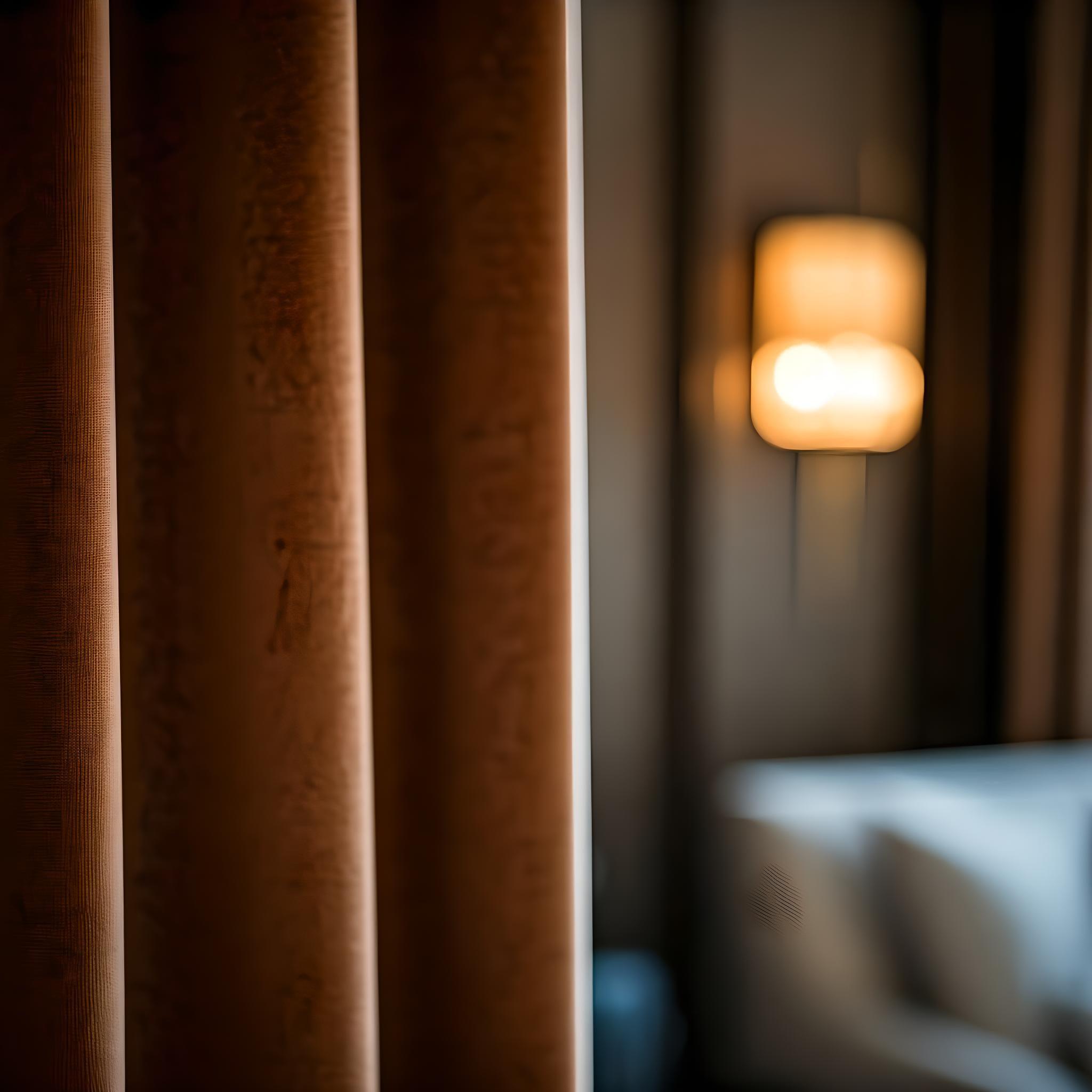
What's the difference between a dim-out curtain, a blackout curtain, a thermal curtain, and a sheer curtain?
Choosing the right curtain goes far beyond colour or pattern: it is a decisive step for your visual comfort, thermal balance and privacy. Between an airy sheer that lets daylight drift through, a filtering curtain that softens the sun’s glare, a blackout model for complete darkness, or a thermal version that insulates against the cold, it is easy to feel lost. This guide helps you distinguish these four decorative allies, so you can select the one that meets your exact needs, room by room.
par Ombre Interieur Sep 08, 2024
In the world of interior decoration, choosing curtains is a far more strategic decision than it seems. Far beyond aesthetics, they are the guardians of your privacy, the regulators of natural light, and allies for your thermal and acoustic comfort. But faced with a multitude of options – light-filtering curtain, blackout curtain, thermal curtain, and sheer curtain – it's easy to get lost. How to choose the right TV units for How to pair with light garlands of Blackout Curtains in faux linen for
This article aims to demystify these terms and provide you with a clear comparison. We will detail the characteristics, advantages, disadvantages, and optimal uses of each type, so you can make the perfect choice for every room in your home, in perfect harmony with your needs and your decorative style.

Understanding the difference between each curtain is the key to successful and functional decoration.
What is a Light-Filtering Curtain? Definition and Uses
Light-Filtering Curtain: Precise Definition
A light-filtering curtain, sometimes called a filtering curtain, is designed to soften and diffuse daylight without blocking it completely. Its fabric, of medium density, acts as a filter, creating a soft, diffused light that avoids glare while maintaining some clarity in the room. It's the ideal solution for those who want to preserve a visual connection with the outside while gaining privacy.
The Advantages and Disadvantages of Light-Filtering Curtains
Strengths:
- Soft and pleasant light: It eliminates harsh reflections on screens and protects furniture from direct UV rays, while maintaining a bright ambiance.
- Daytime privacy: From the outside, the view is blurred, providing protection from prying eyes during the day.
- Decorative versatility: Available in a huge variety of fabrics (cotton, linen, polyester, blends), colors, and patterns, it adapts to all styles, from Scandinavian to bohemian.
- Lightness and fluidity: Its lighter fabric than that of a blackout curtain gives it an elegant and airy drape.
Limitations to know:
- Limited blackout: It does not provide total darkness. At night, with the interior light on, it can become translucent.
- Moderate insulation: Its insulating power (thermal and acoustic) is lower than that of a thick blackout or thermal curtain.
Materials and Fabrics for Light-Filtering Curtains
The most common materials are cotton and polyester, often blended to combine the natural feel of cotton with the durability and easy care of synthetic. Linen, more textured, adds a touch of authenticity. For a more structured effect, you can opt for tightly woven fabrics like poplin.
Where to Install a Light-Filtering Curtain? Room by Room
The light-filtering curtain excels in living spaces where you want a warm and bright ambiance.
- The Living Room: Perfect for filtering light on the television or reading area, while maintaining a welcoming atmosphere.
- The Dining Room: It creates soft, flattering light for family meals or dinners with friends.
- The Office: It reduces glare on the computer screen without darkening the workspace.
- A child's room or a light sleeper's adult room: Ideal for people who like to be woken by natural morning light.

A light-filtering curtain in a living room: the light is softened, the ambiance is preserved.
Blackout Curtain: The Expert in Total Darkness
What is a Blackout Curtain? Definition
The definition of a blackout curtain is unequivocal: it is designed to block 100% of light (or almost, up to 99.9% for the best models). Thanks to a dense fabric and often a specific lining, it plunges the room into deep darkness, regardless of the time or outside brightness. It's the essential choice for quality sleep or total immersion in a movie.
Advantages and Disadvantages of Blackout Curtains
Its major assets:
- Guaranteed darkness: Essential for light-sensitive sleepers, night workers, or daytime naps.
- Superior thermal and acoustic insulation: Its thickness forms an effective barrier against cold, heat, and outside noise (traffic, neighbors).
- Total privacy: Day and night, no gaze can penetrate.
- Energy savings: By limiting heat loss in winter and overheating in summer, it helps reduce energy consumption.
Points to consider:
- Dark ambiance: It can make a room very dark during the day, which is not always desirable in a living room, for example.
- Weight and bulk: Heavier, it requires a sturdy rod or rail. Its drape is often stiffer.
- Generally higher price: The technology and materials used justify a cost often higher than a simple light-filtering curtain.
Materials for Blackout Curtains
They are mostly made of polyester woven very tightly, often coated or combined with a blackout lining of acrylic foam or multi-layer fabric. This lining, light-colored (white or cream) on the room side and dark (black or gray) on the window side, is the key to their effectiveness.
Blackout or Light-Filtering Curtain: What is the Fundamental Difference?
The difference between blackout and light-filtering is radical and addresses two opposite needs: light management. The light-filtering one filters it, the blackout one eliminates it. If you hesitate between a blackout or light-filtering curtain, ask yourself this question: "Do I want to see daylight while being protected, or do I want to make it disappear completely?" For bedrooms, blackout is often preferable. For living rooms, light-filtering is more suitable. Also discover our article on the effectiveness of thermal curtains for another angle of comparison.
Installation Ideas: Where to Place a Blackout Curtain?
Its use is targeted at rooms where darkness is a primary criterion.
- The Bedroom: The perfect location, especially for east-facing windows or in brightly lit urban areas at night.
- The Nursery: Promotes long, restful naps.
- The Home Cinema or Projection Room: Essential for optimal image contrast and total immersion.
- Hotel or rental rooms: To guarantee quality sleep for all guests.

A blackout curtain: the guarantee of a dark night and deep sleep, no matter the time of day.
Thermal Curtain: The High-Performance Insulator for Your Interior
Definition and Principle of the Thermal Curtain
A thermal curtain is a curtain specifically designed to improve a room's insulation. Its primary objective is not so much blackout (even though it is often blackout) but creating an effective thermal barrier at the windows, which are weak points in a house's insulation. It helps retain interior heat in winter and block exterior heat in summer. For an example of high-performance insulation, discover this lined insulating curtain.
Advantages and Disadvantages of Thermal Curtains
Its main benefits:
- Energy savings: Significant reduction of heat loss in winter, which can translate into lower heating bills.
- Increased comfort: Eliminates the feeling of a cold wall near windows and limits drafts.
- Summer protection: It blocks some of the sun's rays, limiting overheating in south-facing rooms.
- Acoustic insulation: Its thickness also helps dampen outside noise.
Points to consider:
- Sometimes less airy design: To be effective, they are thick and can have a more massive appearance.
- Price: The investment is higher, but it is often amortized in the long term by energy savings.
- Weight: Like blackout curtains, it requires a robust mounting system.
Composition and Insulating Materials
Thermal curtains use thick fabrics (velvet, tweed, dense polyester) combined with specific linings. These linings can be flocked (a soft, warm material), thermal foam, or multi-layer fabric with a reflective aluminum layer that sends heat back into the room.
Thermal Curtain or Blackout Curtain: What's the Difference?
The difference between thermal and blackout curtains lies in their primary function. A blackout curtain's sole mission is to block light. A thermal curtain's mission is to insulate. In practice, a good thermal curtain is almost always also blackout, but the reverse is not true: a standard blackout curtain does not offer as high-performance thermal insulation. If you wonder what the difference between blackout and thermal curtains is, remember this: the thermal is a blackout curtain "enhanced" with superior insulating properties. To learn more, explore our complete collection of curtains.
Ideal Rooms for a Thermal Curtain
They are particularly recommended for:
- Large bay windows and French doors: Major sources of heat loss.
- Poorly insulated or north-facing rooms: To combat the cold.
- Bedrooms facing a noisy street: To combine thermal and acoustic benefits.
- Conservatories or attic rooms: To regulate extreme temperatures.

The thermal curtain: a decorative and intelligent solution to improve comfort and energy efficiency.
Sheer Curtain: Lightweight Elegance and Diffuse Light
Definition of Sheer Curtain
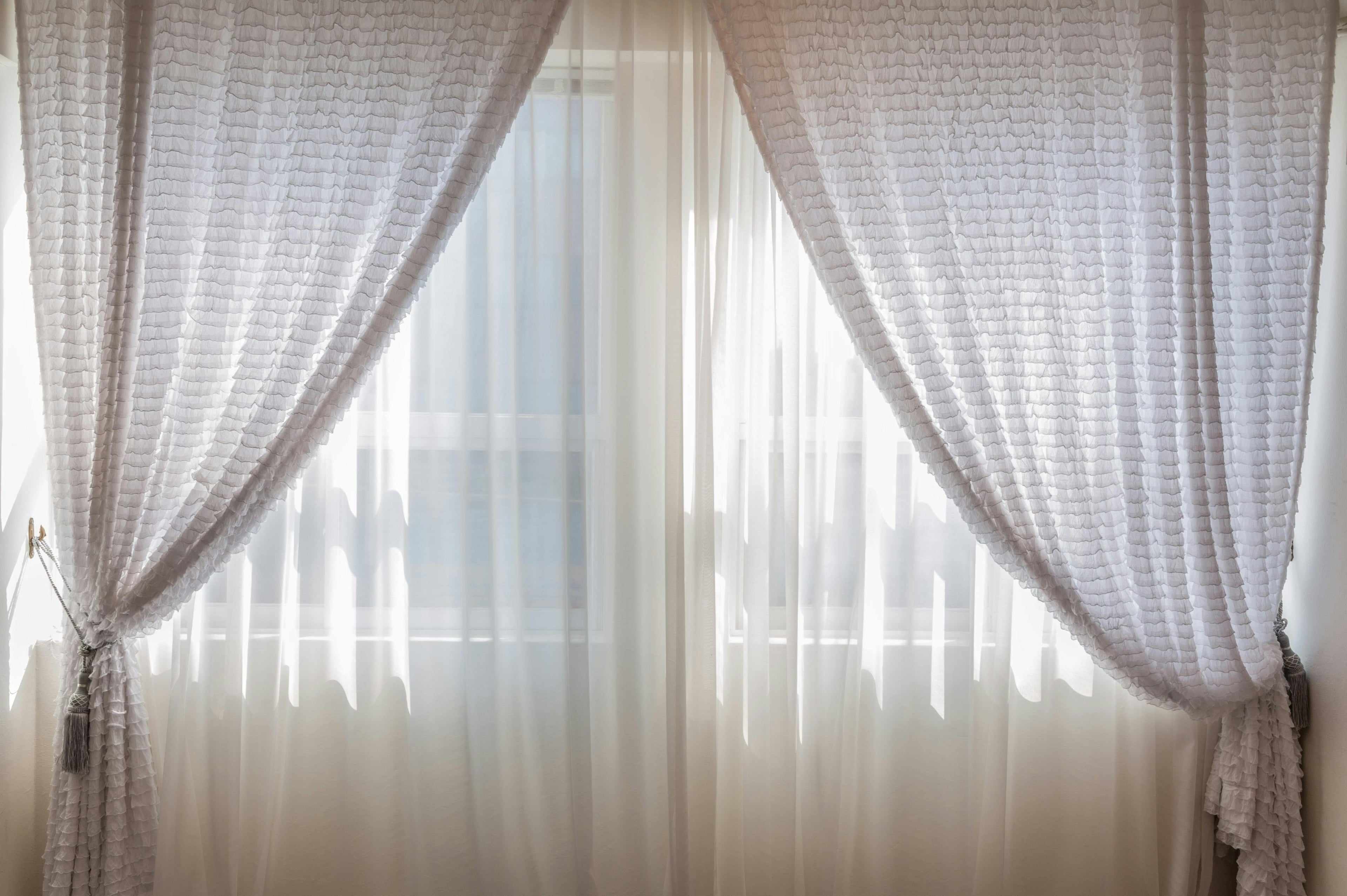
The sheer curtain is an extremely light, thin, and translucent curtain, often made of white or ecru fabric. Its purpose is to let in maximum light while slightly attenuating the view from outside to inside. It is rarely used alone (except in some very minimalist decorations) and pairs perfectly with a thicker curtain (light-filtering or blackout) to create plays of layering and texture.
The Pros and Cons of Sheer Curtains
Its assets:
- Maximum light: It preserves all natural brightness, ideal for dark rooms.
- Ethereal and elegant effect: It brings lightness, softness, and a romantic touch to the decoration.
- Light daytime privacy: It blurs outlines without completely hiding.
- Protection against insects: Placed in front of an open window, it acts as a decorative mosquito net.
Its limits:
- No nighttime privacy: Once night falls and the interior light is on, it becomes transparent.
- Zero insulation: It provides no thermal or acoustic protection.
- Maintenance: Its whiteness and fineness can make it more susceptible to stains and dust.
Materials for Sheer Curtains
They are mainly found in polyester (the most common and easy to care for), cotton (more natural but may shrink), linen (for a rustic and textured style), or very fine cotton voile. Finishes can vary: embroidery, contrasting hems, subtle patterns. Discover our selection of sheer curtains for drapes.
Use of Sheer Curtains in Decoration
The sheer curtain is the master of soft light management. It softens the sun's rays, creating diffuse, shadow-free light. In decoration, it allows you to visually lighten a massive window, create an ethereal separation between two spaces (like a living room corner), or dress a bay window without weighing it down.
In Which Rooms to Adopt a Sheer Curtain?
It thrives in spaces where light is king:
- The Living Room: Layered with curtains, it allows light in while providing a first layer of decoration.
- The Dining Room: For a bright and warm ambiance during meals.
- The Kitchen: On a window overlooking a garden, it preserves the view while adding a touch of softness.
- Very bright bedrooms: As a complement to a shade or blackout curtain, it allows for filtering light in the morning.

The sheer curtain: the ultimate decorative accessory to enhance natural light and create an ethereal atmosphere.
Comparison Table: Light-Filtering vs Blackout vs Thermal vs Sheer Curtain
To summarize the differences between light-filtering, blackout, thermal, and sheer curtains, here is a synthetic comparison table to help you visualize their main functionalities.
| Curtain Type | Light Blocking | Thermal Insulation | Acoustic Insulation | Privacy (Day/Night) | Recommended Rooms |
|---|---|---|---|---|---|
| Light-Filtering Curtain | Medium (Filters 70-90%) | Low to Medium | Low | Good / Low | Living Room, Dining Room, Office |
| Blackout Curtain | Total (99-100%) | Good | Good | Total / Total | Bedroom, Home Cinema |
| Thermal Curtain | Often Total | Excellent | Good to Excellent | Total / Total | Large bays, Cold rooms, Noisy bedrooms |
| Sheer Curtain | None (Translucent) | None | None | Light / None | Living Room, Dining Room, Kitchen (as a complement) |
How to Make the Right Choice? Practical Tips by Room
Now that you know the difference between light-filtering and blackout, as well as the specifics of thermal and sheer curtains, here is a practical room-by-room guide:
- Bedroom: Prioritize a blackout curtain or a blackout thermal curtain for sleep. You can pair it with a sheer curtain or a shorter light-filtering curtain for decoration and daylight. Think about curtain accessories like rings for a smooth sliding system.
- Living Room: The winning combination is often a sheer curtain + a light-filtering curtain or a thermal curtain if the room is cold. This allows you to modulate light and privacy at will.
- Kitchen & Bathroom: Opt for light-filtering curtains or sheer curtains in easy-to-wash fabrics (polyester). In the bathroom, ensure they are moisture-resistant. Coordinated bathroom accessories can complete the decor.
- Office: A light-filtering curtain is perfect to avoid glare on the screen. For an office in a bedroom, a blackout curtain may be necessary if you work at night.

The combination of different curtain types (here sheer and light-filtering) offers great flexibility and a rich decorative result.
Conclusion: Find the Ideal Curtain for Your Interior Decoration
Choosing between a light-filtering curtain, blackout curtain, thermal curtain, or a sheer curtain is no longer a puzzle. Each type meets a specific need in terms of light management, privacy, insulation, and aesthetics. The key is to analyze the needs of each room: are you looking for darkness, warmth, light, or a subtle mix of all these?
Don't hesitate to combine types for an optimal result, like a sheer curtain with a blackout curtain on a double curtain rod. The essential thing is that your curtains reflect your style and improve your daily comfort. To finalize your project, explore our ranges of curtain rings and curtain hooks for a perfect installation.

Well-chosen curtains are the finishing touch that harmonizes and personalizes your interior.
Share
