

















What is the frame size for a modern deck?
Structuring a contemporary terrace goes far beyond choosing a flooring material: the size and layout of the frame define the harmony of your outdoor space. From ideal proportions and innovative materials to technical constraints, every decision shapes both the look and function of your design. Want to create a living area that feels both minimalist and inviting? Let the key dimensions guide you, turning your terrace into a true extension of your home, without sacrificing style or durability.
Do you want to create a contemporary patio that perfectly integrates with your outdoor space? The structure and dimensions of the patio frame are crucial for creating a harmonious and functional outdoor living area. In this comprehensive guide, we analyze the ideal dimensions for a modern patio structure, trending materials, and optimal configurations based on your available space.
Optimal dimensions for a contemporary patio frame
The ideal patio frame size depends on several essential factors: available surface area, intended use, and number of users. For a functional modern patio, certain reference dimensions have become standard in current outdoor design.
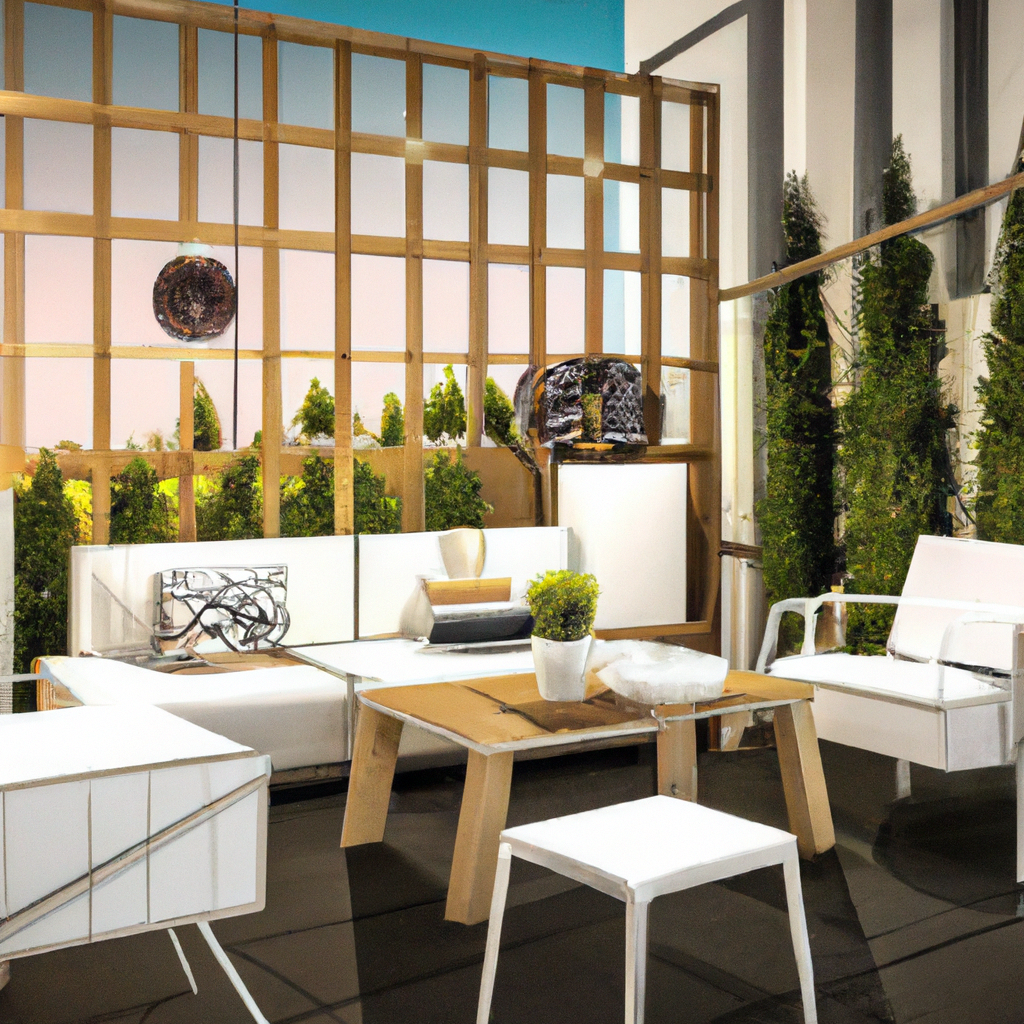
For a comfortable relaxation area accommodating 4 to 6 people, a minimum surface area of 15 to 20 m² is recommended. This dimension allows for the installation of a complete garden lounge set while maintaining fluid circulation. The standard width of patio boards generally varies between 12 and 15 cm, with a recommended spacing of 5 to 8 mm to ensure effective drainage.
Regarding the supporting structure, joists should be spaced 40 to 50 cm apart to ensure optimal resistance. The frame thickness, meanwhile, generally varies between 40 and 60 mm for high-end hardwoods and composites, thus offering robustness suitable for contemporary patios.
Innovative materials for modern patio structures
The choice of material directly influences the dimensions of your patio frame. Contemporary options offer a perfect balance between minimalist aesthetics and durability.
Popular materials for modern patios include:
- Composite wood: requires a frame with joists spaced a maximum of 30 to 40 cm to prevent any bending
- Aluminum: allows for lighter structures with profiles 30 to 50 mm thick
- Galvanized steel: offers exceptional resistance with profiles 40 to 60 mm thick
- Exotic wood: requires dimensions of 45 to 70 mm for optimal longevity
Aluminum frames are gaining popularity for contemporary patios due to their lightness, corrosion resistance, and clean lines that integrate perfectly with modern architecture. Their standard thickness of 40 mm offers an excellent compromise between robustness and minimalist aesthetics.
Ideal configurations and proportions based on available surface area
The harmonious proportions of a modern patio generally respect certain architectural ratios that guarantee perfect integration into your outdoor space.
For small areas (less than 15 m²), opt for a patio frame with dimensions proportional to the available space, with a width/length ratio of 1:1.5 to 1:2. This configuration creates an impression of visual balance while maximizing usable space.
Medium-sized patios (15-30 m²) are perfectly suited to a frame with more generous proportions, with a minimum width of 3 meters to allow easy circulation. The height of the frame relative to the ground also influences the modern appearance of your patio - an elevation of 20 to 40 cm creates an elegant visual separation from the surrounding garden.
For large patios (over 30 m²), consider segmenting the space by creating different levels with distinct frames. This contemporary approach clearly defines functional zones while adding dynamism to your outdoor design.
Technical standards and regulatory constraints for modern patios
The design of a modern patio frame must imperatively comply with certain technical standards that guarantee its safety and compliance with current regulations.
Structural dimensions must take into account:
- A minimum supported load of 350 kg/m² for residential patios
- A minimum slope of 1 to 2% to facilitate rainwater drainage
- A spacing between boards of 5 to 8 mm to ensure expansion and drainage
- A railing height of 1 meter minimum for elevated patios more than 60 cm high
Contemporary patios larger than 20 m² or located more than one meter above ground level may require a preliminary declaration of works, or even a building permit, depending on local regulations. These administrative constraints directly influence the authorized dimensions for your structure.
Modular and extensible solutions for evolving patios
The modern approach to outdoor design favors flexible systems that allow easy adaptation of the patio frame size according to your evolving needs.
Contemporary modular frame systems are based on standardized dimensions (generally 1m x 1m or 1.5m x 1.5m modules) that are easily assembled to create customized configurations. This flexibility allows you to gradually enlarge your patio without redoing the entire structure.
Specific connectors and fasteners for modern patios facilitate this modularity while guaranteeing optimal solidity. Interlocking and quick-release systems allow you to modify the configuration of your patio frame in just a few hours, a feature particularly appreciated in contemporary designs.
Aesthetic trends and design for contemporary patio frames
The dimensions and proportions of modern patio frames are part of well-defined aesthetic trends that prioritize clean lines and subtle contrasts.
Architectural minimalism strongly influences contemporary structures, with frames with thin borders (4 to 8 cm visible width) that create a discreet transition between the patio and its environment. Flush or slightly raised patios (10-15 cm) integrate perfectly with modern gardens by creating harmonious visual continuity.
Frame dimensions are also designed to integrate recessed LED lighting elements, a signature feature of contemporary patios. These installations generally require a minimum thickness of 55 mm to perfectly conceal wiring and transformers.
The current trend also favors patio frames with rounded corners (radius of 5 to 10 cm) that soften the geometric aspect while adding a touch of organic modernity to your outdoor space.
Conclusion: choosing the ideal dimensions for your project
Determining the perfect size for your modern patio frame requires a thorough analysis of your available space, functional needs, and aesthetic preferences. The standard dimensions presented in this guide provide a solid basis for designing a harmonious and durable contemporary structure.
Do not hesitate to consult an outdoor design professional to adapt these recommendations to your specific situation. A landscape architect or outdoor designer can offer you tailor-made solutions that perfectly respect the ideal proportions for your space.
Remember that the success of a modern patio relies as much on the technical dimensions of its structure as on the visual harmony it creates with its environment. By respecting contemporary standards while personalizing your project, you will create an outdoor space that is both functional, aesthetic, and perfectly suited to your lifestyle.
Share
