















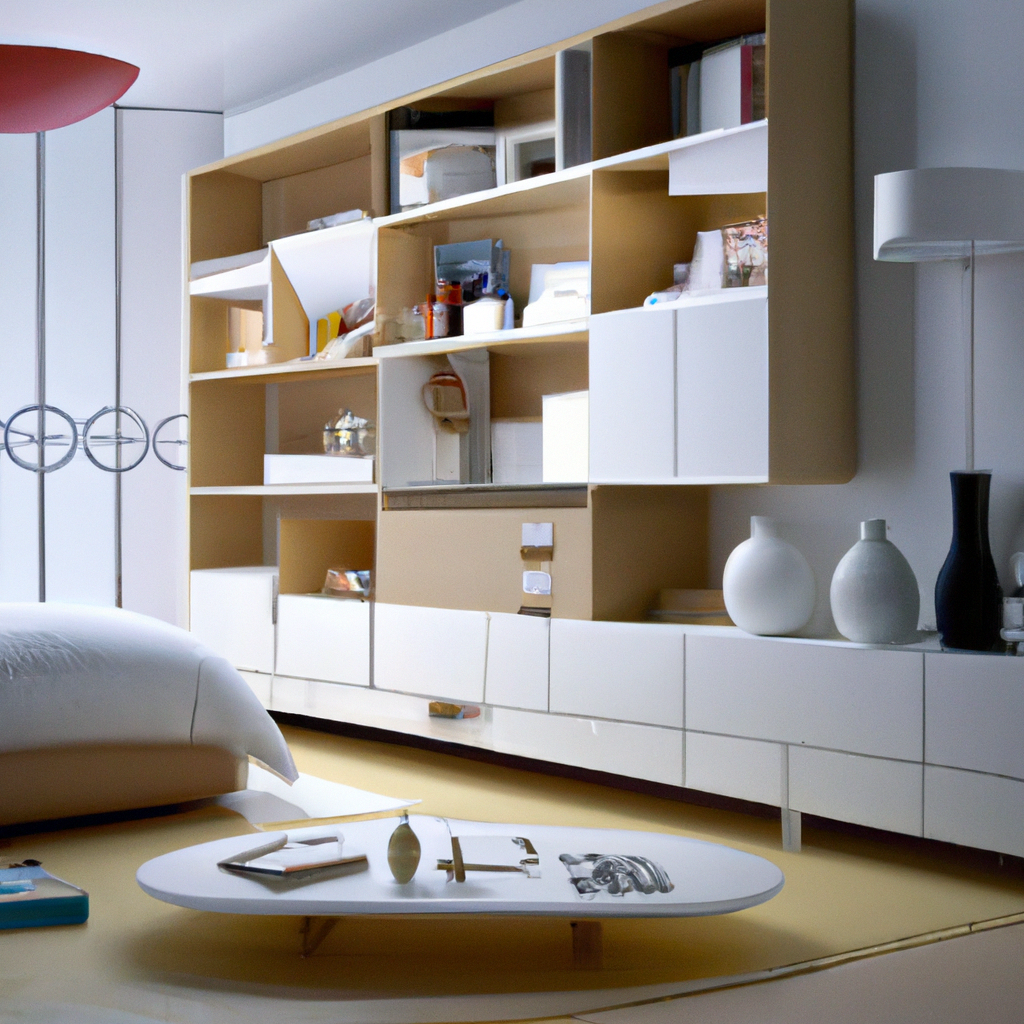
Which coffee table should I choose for a Japandi children's room?
Choosing a coffee table for your child’s bedroom requires a careful balance of aesthetics and safety. The Japandi style, blending Scandinavian minimalism with Japanese serenity, offers an elegant solution. The aim is to select a piece with clean lines and natural materials that fits harmoniously while withstanding daily play. Light wood, discreet storage and soft, rounded forms become your allies, creating a tactile, soothing presence in the room. Let yourself be guided in composing a space that feels both calming and functional, where every detail contributes to a gentle, lived-in atmosphere.
Complete guide to choosing the perfect coffee table for a Japandi children's bedroom in 2026
In the world of children's bedroom decor in 2026, the Japandi style is emerging as a major trend, embodying a harmonious fusion of Scandinavian minimalism and Japanese Zen aesthetics. Discover how to select the ideal coffee table that respects the codes of this refined style while meeting the specific needs of a child's space.
The fundamentals of Japandi style for a coffee table in a child's bedroom
Japandi style, a subtle marriage of Nordic design and Japanese influence, favors balance, serenity, and functionality. A Japandi coffee table is distinguished by its minimalist lines, natural materials, and optimized utility, thus creating furniture that is both aesthetic and practical.
The Japandi coffee table perfectly embodies this philosophy by combining:
- Clean lines that promote energy flow
- Timeless design that transcends ephemeral trends
- A functional approach that optimizes every square inch
Noble materials and authentic finishes for a Japandi coffee table
The authenticity of materials constitutes the very essence of Japandi style. For a coffee table that integrates harmoniously into a child's bedroom, prioritize:
Wood species to favor
- Light oak, for its robustness and naturally warm tone
- Walnut, adding a touch of elegance with its darker shades
- Bamboo, emblematic of Japanese culture and ecologically responsible
- Ash, for its distinctive texture and exceptional resistance
Complementary materials
To enrich the Japandi aesthetic, some coffee tables judiciously incorporate:
- Matte ceramic elements, evoking traditional craftsmanship
- Black metal accents, for a subtle and contemporary contrast
- Natural stone inserts, reinforcing the connection with nature
Ergonomics and functionality: essential criteria for a child's bedroom
In the Japandi spirit, every piece of furniture must serve a specific purpose while contributing to the overall harmony of the space. For a coffee table intended for a child's bedroom, look for:
Integrated storage solutions
- Discreet compartments under the main top
- Easy-to-open sliding drawers for little hands
- Visible storage spaces for decorative objects or favorite books
Adaptability and multifunctionality
Opt for versatile models that evolve with the child's needs:
- Modular tables that can serve as a creative space or a support for games
- Height adapted to children's ergonomics, generally lower than standard
- Transformable configurations that adapt to different daily activities
Japandi 2026 chromatic palette: harmony and serenity
The 2026 color trends for Japandi style favor a soft and natural palette, perfectly suited to the child's world while preserving the soothing atmosphere characteristic of this style.
Greige: the flagship color of the year
This hybrid shade between gray and beige stands out as the signature color of contemporary Japandi, offering:
- A neutral base that harmonizes with all decor elements
- A cozy atmosphere conducive to concentration and rest
- Versatility allowing varied chromatic associations
Complementary natural shades
To enrich your palette while remaining true to the Japandi spirit, explore:
- Sand and terracotta tones, evoking traditional ceramics
- Off-white and cream shades, enhancing luminosity
- Touches of sage green or powdery blue, subtly recalling nature
Safety and practicality: essential aspects for children's furniture
Safety remains a priority in furnishing a child's bedroom, even when following Japandi aesthetic principles.
Safety features to prioritize
- Rounded corners or corner protectors to prevent injuries
- Optimal stability with a wide base or non-slip feet
- Non-toxic and environmentally friendly finishes
- Absence of small detachable parts for very young children
Design adapted to the child's space
To respect the visual balance dear to Japandi while creating a safe space:
- Prefer low furniture that frees up the visual horizon and promotes autonomy
- Opt for simple shapes that do not clutter the play area
- Choose lightweight models that the child can move safely
How to select the ideal Japandi coffee table: buying guide
To make an informed choice that combines Japandi aesthetics and daily practicality, consider these essential criteria:
Analysis of specific needs
- Main use: play surface, creative space, additional storage
- Frequency of use: daily or occasional
- Child's age: adapt height and functionality accordingly
Practical and aesthetic considerations
- Optimal dimensions: proportionate to the size of the room
- Visual harmony: coherence with other furniture elements
- Durability: manufacturing quality guaranteeing maximum longevity
- Budget: value for money adapted to your financial constraints
By choosing a Japandi coffee table for your child's bedroom, you are investing in a piece of furniture that combines timeless beauty, daily functionality, and a philosophy of well-being. This minimalist yet warm furniture will create an environment conducive to serenity, creativity, and fulfillment, while introducing young children to the values of balance and harmony so dear to Japanese and Scandinavian cultures.
Share
