

















How to Clean a Walnut Wood Furniture: Complete Guide
Walnut, with its deep grain and warm hues ranging from golden honey to chocolate brown, is a noble wood that transcends eras with timeless elegance. A walnut piece of furniture, whether a family heirloom or a contemporary item, requires special attention to preserve its beauty and longevity. Unlike standard cleaning, walnut care is a delicate art that combines knowledge of materials, respect for heritage, and appropriate techniques. A wrong product or abrasive method can permanently dull its shine, dry out the wood, or damage the finishes. This article is your comprehensive guide to learning how to clean a walnut piece of furniture safely, from routine maintenance to more advanced restoration, including mistakes to absolutely avoid to cherish this treasure of solid wood.
Understanding the nature of walnut wood before cleaning
Before starting any cleaning operation, it is essential to understand what you are dealing with. Walnut is a hard and dense wood, known for its stability and resistance. Its grain is generally straight but can feature highly prized figures such as curls, mottling, or burls. This density makes it less porous than woods like pine, but it remains sensitive to damage.
The key to success lies in identifying the finish applied to your furniture. It is this finish that protects the wood and determines the appropriate cleaning methods. An oil finish (linseed oil, hard oil) penetrates deeply and gives a matte, natural appearance. A varnish (polyurethane, shellac) or lacquer creates a protective layer on the surface, shinier and more resistant to stains. Finally, some antique pieces may be waxed. Using an unsuitable product, such as an overly aggressive detergent on an oil finish, can cause irreversible halos.
Essential tools for gentle cleaning
Forget abrasive sponges and all-purpose household cleaners. To clean a walnut piece of furniture without risk, equip yourself like a conservation professional. Prioritize gentleness and naturalness.
- Ultra-soft microfiber cloths: Essential. They capture dust without redepositing it and do not scratch. Have several, one for dry dusting and one for applying products.
- Cotton or linen cloths: Perfect for applying waxes or maintenance oils. Their texture allows for even application.
- Soft brushes: A soft-bristled brush (like a badger brush) or a clean old toothbrush is ideal for cleaning moldings, carvings, and crevices without damaging the wood.
- Specific products: Diluted liquid black soap, natural beeswax, wood maintenance oil (like linseed oil or tung oil), white spirit for stubborn stains (use sparingly).
- Others: A bowl of warm water, a cool air dryer (for water stains), flour, or fresh breadcrumbs.
The essential routine: regular dusting
Dust is the number one enemy of wooden furniture. Not only does it dull the appearance, but its abrasive particles can, over time, scratch the surface when a cloth is passed over it. A clean walnut piece of furniture always starts with this fundamental step.
Use a slightly dampened microfiber cloth (wring it out well) or a dry one. Always wipe in the direction of the wood grain, without pressing. This technique effectively captures dust without making it fly. For carvings and moldings, the soft brush is your ally. Weekly or bi-weekly dusting prevents buildup and significantly reduces the frequency of deeper cleanings.
Deep cleaning a walnut piece of furniture: step-by-step method
When simple dusting is no longer enough, or for seasonal maintenance, proceed with a wet cleaning by scrupulously following these steps.
Preparing the homemade cleaning solution
The safest and most effective recipe is based on black soap. In a bowl, mix one teaspoon of liquid black soap (preferably 100% natural) into one liter of warm water. Avoid hot water, which can damage finishes. Mix well to obtain a slightly foamy solution.
Application and thorough rinsing
Dip your microfiber cloth into the solution and wring it out as much as possible. It should be damp, almost just moist. Clean one small area at a time, always following the direction of the grain. The goal is to lift greasy dirt or residues without soaking the wood.
Immediately after, take a second microfiber cloth soaked in clean water and well-wrung, and pass it over the area to rinse any soap residue. Dry immediately with a third soft, dry cloth, dabbing and rubbing gently. This step of immediate rinsing and drying is crucial to avoid water halos.
Treating common stains on walnut
Despite all precautions, accidents happen. Here is how to react to the most frequent stains on a walnut piece of furniture to clean.
Water stains and white rings
These opaque marks appear when moisture penetrates the finish (often wax or old varnish). Act quickly. Several methods exist: gently rub the stain with a cloth soaked in olive oil or mayonnaise (the oil displaces the water), then polish. Or apply a little colorless wax, rubbing in the direction of the grain. For stubborn cases, a very fine mixture of cigarette ash and oil can be tested on a discreet area.
Grease or oil stains
Immediately sprinkle the stain with flour, Sommières earth, or fresh breadcrumbs. Let it sit for several hours, or even overnight. These absorbent materials will "drink" the grease. Then remove the powder and clean the area with a damp cloth using your very light soapy solution, then dry.
Heat marks (superficial burns)
For a very light burn that has not charred the wood, gently polish the area with extra-fine steel wool (grade 0000) in the direction of the grain. Finish by applying a little wood oil to revive the color. For deeper burns, professional restoration is often necessary.
Reviving the shine: waxing and nourishing the wood
After a good cleaning, it is time to nourish the wood and protect its surface. This step is vital for wax and oil finishes, and beneficial for varnishes.
For waxed furniture, apply a thin layer of colorless beeswax or tinted wax (to mask small imperfections) with a cotton cloth. Let it dry according to the manufacturer's instructions (usually 15-20 minutes), then buff vigorously with a clean, soft cloth to shine.
For furniture with an oil finish, use a specific maintenance oil (boiled linseed oil, tung oil). Apply a small amount to a cloth and work it in by massaging the wood in the direction of the grain. Wipe off any excess after a few minutes. This operation nourishes the wood deeply and strengthens its resistance.
A frequency of once or twice a year is generally sufficient to maintain the furniture's beauty.
Mistakes to absolutely avoid to preserve your furniture
Some common practices are real scourges for walnut. Knowing them helps avoid disaster.
- Aggressive chemical products: Bleach, ammonia, strong detergents, all-purpose or glass cleaners. They dissolve finishes and discolor the wood.
- Abrasive sponges (like green kitchen sponges): They irreparably scratch the surface, even on hard varnish.
- Steam: Steam cleaners are too aggressive, and intense moisture can swell the wood and loosen veneers.
- Direct and prolonged exposure: Avoid direct sunlight, which fades walnut, and do not place your furniture near an intense heat source (radiator, fireplace), which dries it out and causes cracks.
- Cleaning without testing: Before applying any product, even natural ones, always test it on an inconspicuous area (under the top, at the back) to check the reaction.
Special case: caring for antique or family walnut furniture
An antique piece of furniture requires an even more conservative approach. Its patina, those small marks of time, are part of its history and value. The goal is not to make it "like new," but to stabilize and preserve it.
Prioritize very gentle dusting. For cleaning, use an even more diluted solution (a few drops of black soap). Avoid modern waxes or oils without knowing the original finish. When in doubt, consult a professional restorer, especially for pieces of great sentimental or historical value. They can identify the original finish and use compatible products.
FAQ: Answers to common questions about cleaning walnut
Can linseed oil be used to clean and maintain a walnut piece of furniture?
Boiled linseed oil is excellent for nourishing a walnut piece of furniture with an oil finish. However, it does not clean. You must first clean the furniture with a gentle solution to remove dirt, or risk sealing it under the oil. Apply linseed oil in a thin layer to clean, dry wood, let it penetrate, then wipe off any excess.
How to remove superficial scratches on a walnut piece of furniture?
For micro-scratches, a waxing with a tinted wax matching the wood color can mask them. For slightly deeper scratches on varnished furniture, you can use a wood touch-up crayon in the appropriate shade. On an oil finish, a new application of oil can often lessen the appearance of scratches by nourishing the wood.
Is white vinegar recommended for cleaning walnut?
No, white vinegar is not recommended. Although natural, its acidity can, over time, attack certain finishes, especially older ones (like shellac), and alter the wood's color. It is better to stick to a very gentle soapy solution based on black soap.
How often should you wax a walnut piece of furniture?
The frequency depends on use. For heavily used furniture (a dining table), waxing every 6 months may be necessary. For an occasional piece or a chest of drawers, once a year is sufficient. A telltale sign: water no longer beads on the surface. That is the time to wax again to restore protection.
How to protect my walnut furniture daily?
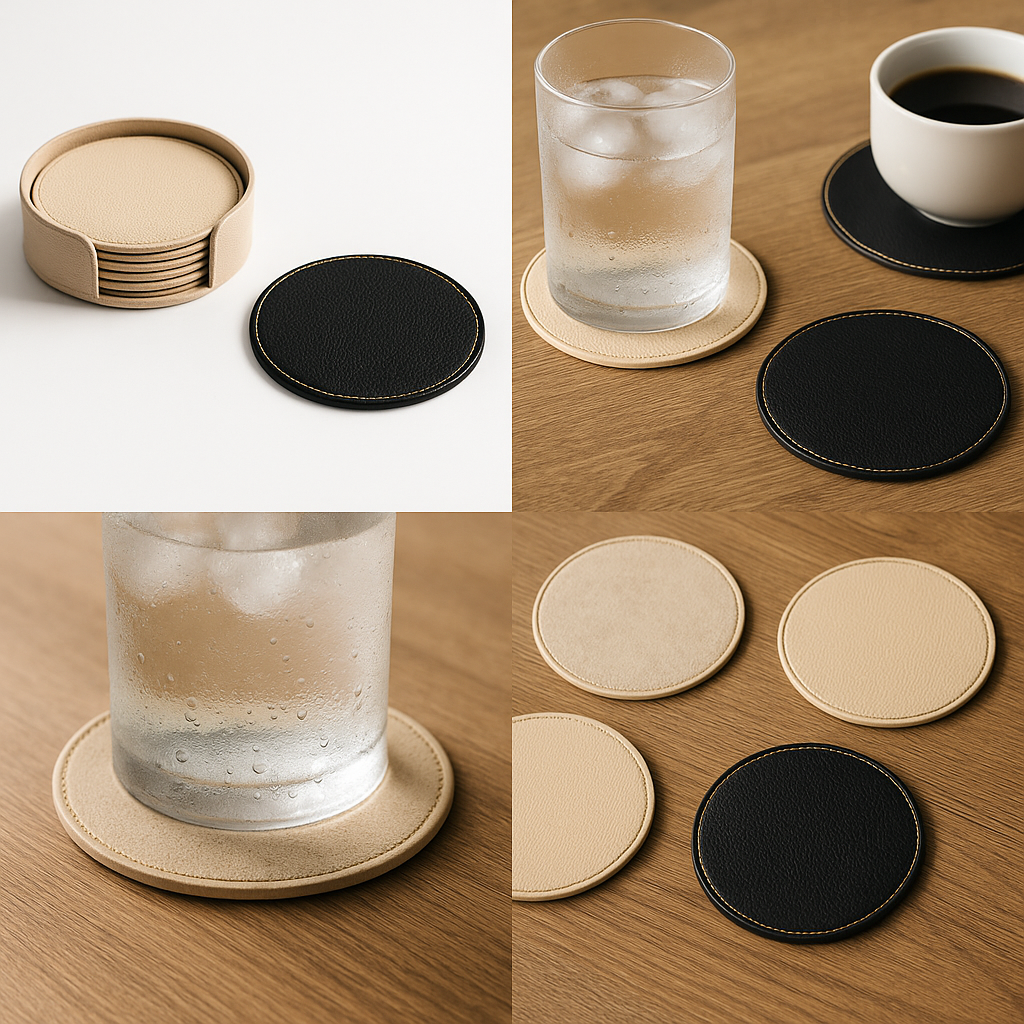
Use coasters and trivets to avoid moisture and heat stains. Equip the feet with felt pads to prevent scratches on the floor and the furniture itself during moves. Dust regularly. Keep it away from sunny windows or use curtains to filter intense light.
Conclusion: The art of caring for a heritage
Cleaning a walnut piece of furniture is not a chore, but an act of preservation that extends the life of an object often rich in history. By understanding the nature of this noble wood, using the right techniques and suitable products, you ensure your furniture will traverse the decades with the same luster. Regularity and gentleness are your best assets. Every wipe, every waxing, is a care that strengthens the bond with this exceptional element of your home. To discover how to best integrate these character pieces into your decor and find other maintenance tips for noble materials, feel free to explore the many resources available on ombreinterieur.fr. Fall for Kitchen Furniture Curtains, a real plus for your interior. Check out our article how to clean a silk wall light without damaging it to go further. Get inspired on our decoration site for your upcoming projects.
