















How to Clean a Solid Elm Wood Piece of Furniture: Complete Guide
Solid elm, with its deep grain and characteristic tight texture, is a noble wood that has stood the test of time. Whether it is an imposing Norman wardrobe, a family dining table with extension leaves, or a timelessly charming secretary desk, a piece of solid elm furniture is a legacy. Yet, time, dust, residues, and mishandling can tarnish its natural luster and compromise its beauty. Cleaning such a piece is not a simple household chore; it is an act of preservation that requires method, gentleness, and an understanding of the material. Inappropriate cleaning can cause irreversible damage, such as whitening the wood, clogging the pores, or altering the original finish. This article guides you step by step, from diagnostics to gentle cleaning techniques, including regular maintenance, to restore your elm furniture to its full splendor without taking any risks.
Understanding the nature of solid elm before any intervention
Elm is a hardwood, renowned for its strength and durability, but also for its very pronounced decorative grain, often wavy or interwoven. This complex structure, which gives it its character, is also a trap for dust and dirt. Unlike finer-grained woods, the natural grooves of elm can hold decades of deposits. Furthermore, solid elm used in cabinetmaking is rarely left bare. It is almost always protected by a finish: wax, oil, lacquer, or varnish. Identifying this finish is the crucial first step that will dictate the entire cleaning process. Applying a water-based product to a wax finish, for example, can create unsightly white halos.
Identifying the finish of your furniture
A simple test can determine the type of finish. In a discreet corner (under the tabletop, inside a drawer), gently rub the surface with a cloth soaked in denatured alcohol. If the finish becomes slightly sticky or seems to dissolve, it is likely a shellac varnish or lacquer. If nothing happens, use a cloth with a little turpentine. If the surface becomes shiny and seems to revive, this is a sign of an oil or wax finish. A very smooth, hard, and waterproof surface is often a modern polyurethane varnish. This identification is crucial for choosing the right products.
Essential tools for respectful cleaning
Forget harsh household cleaners, abrasive sponges, and linty cloths. Cleaning solid elm requires gentle tools and specific products. Prepare your expert toolkit: ultra-soft microfiber cloths or, better yet, old 100% cotton t-shirts that don't shed. Soft-bristle brushes (like a photo retouching brush or a clean makeup brush) will be perfect for dislodging dust from moldings and carvings. For preparations, favor natural products like grated Marseille soap, white vinegar, olive oil, or linseed oil, as well as quality products designed for wood care, such as specific cleaners for waxed or oiled finishes. Also, have a vacuum cleaner with a soft brush attachment on hand.
The essential first step: deep dusting
Cleaning a dusty surface risks scratching the wood with abrasive particles. Dusting is therefore a phase in its own right. Start by using the vacuum cleaner with its brush attachment on the lowest power. Go over all surfaces, focusing on corners and reliefs where dust compacts. Then, take your soft-bristle brush and gently sweep over carvings, moldings, and turned legs to dislodge stubborn residues. Finally, finish with a slightly dampened microfiber cloth (barely wet then wrung out) to capture the last bits of dust. Always work in the direction of the wood grain to avoid pushing dirt into the pores.
Cleaning solid elm furniture with natural products
For gentle and eco-friendly cleaning, several time-tested recipes, rehabilitated by restoration experts, work wonders. They are ideal for routine maintenance or cleaning furniture whose finish is in good general condition.
The Marseille soap and olive oil recipe
This preparation cleans, nourishes, and polishes in one step. In a bowl, mix one tablespoon of finely grated Marseille soap with 25 cl of hot water. Stir until completely dissolved. Then add one tablespoon of olive oil. Generously soak a cloth in this mixture, wring it out well so it is only damp and not dripping. Rub the surface in small circles, then immediately wipe with a second dry, clean cloth to absorb excess moisture and bring out the shine. Olive oil nourishes the wood but can turn rancid over the long term; this recipe is therefore perfect for occasional cleaning.
White vinegar cleaner for stubborn stains
For fingerprints, light water rings, or sticky residues, diluted white vinegar is an excellent degreaser. Mix one part white vinegar with two parts mineral water. Lightly dampen a cloth with this mixture, wring it out thoroughly, and go over the dirty areas. Rinse immediately with a cloth dampened with clean water and wipe carefully. This method is safe on most finishes, but always test it first in a discreet area.
Treating specific problems and common stains
Solid elm, especially on antique furniture, may show signs of age that require targeted treatments.
White marks from moisture or heat
These opaque white halos are often caused by condensation from a cold glass or heat from a dish. On a waxed or varnished finish, a gentle method is to carefully rub the stain with a cloth soaked in olive oil or mayonnaise (the oil and egg work together). Let it penetrate for an hour, then wipe and polish. For more stubborn stains, use a cloth and furniture wax, rubbing in the direction of the grain.
Superficial scratches
To minimize small scratches, the walnut or almond trick is surprisingly effective. Rub the kernel of a walnut or almond over the scratch. The natural oil it contains will nourish the bare wood and slightly darken the scratch, making it visually disappear. Finish by buffing with a soft cloth.
Embedded dirt in pores and carvings
For this issue typical of elm, cleaning paste is king. Mix Sommières earth (a natural absorbent) or, failing that, cornstarch, with a little water or white spirit (depending on the finish) to form a thick paste. Spread it over the soiled areas and let it dry completely. As it dries, the paste will harden and absorb dirt from the pores. Then remove it gently with a plastic spatula or cloth.
Cleaning and reviving waxed or oiled elm furniture
Natural wax or oil finishes are the most common on antique elm furniture. They require specific care. For daily cleaning, a dry microfiber cloth is sufficient. For deeper cleaning, use a specific cleaner for waxed wood, often based on black soap, which cleans without stripping the wax. After cleaning and complete drying, it is essential to nourish the solid elm wood to protect it. Apply a thin layer of colorless or tinted wax (to revive the color) or wood oil (linseed oil, hard oil) with a cloth. Let it penetrate according to the instructions, then buff vigorously with a clean cloth to bring out the patina and create a protective barrier.
Cleaning and maintaining varnished or lacquered elm furniture
These finishes form a protective film on the surface. They are more resistant to liquid stains but can scratch or become cloudy. To clean them, a very diluted mixture of soapy water (a few drops of liquid Marseille soap in a bowl of water) and a well-wrung cloth are perfect. Immediately wipe with a cloth dampened with clean water to remove any soap residue, then dry thoroughly. Absolutely avoid products containing alcohol or solvents that could dissolve the varnish. To restore shine, revitalizing products for varnish, in spray or cream form, can fill micro-scratches and add gloss without damaging the finish layer.
Regular maintenance: the key to preserving elm's beauty
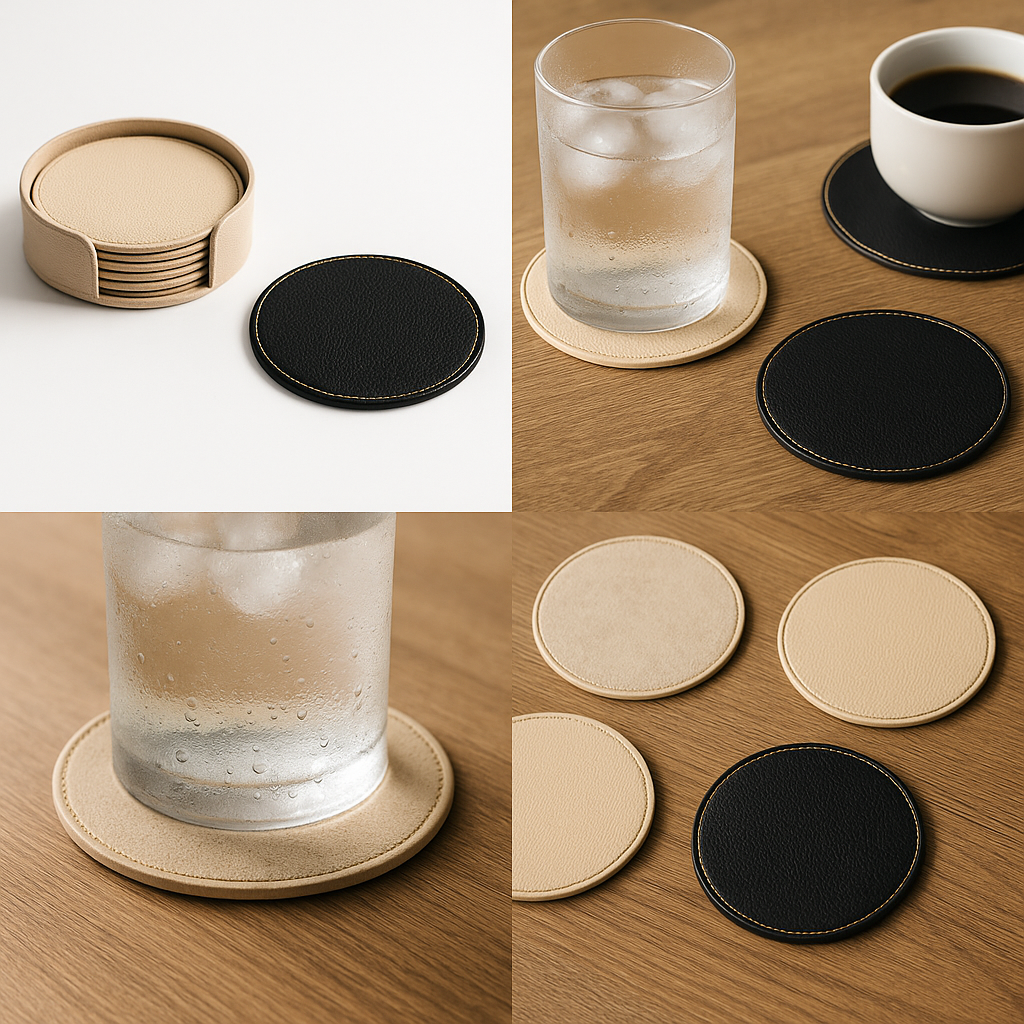
Simple but regular maintenance is better than occasional aggressive cleaning. Establish a routine: weekly dusting with a microfiber cloth, gentle cleaning every month or two depending on use, and feeding (wax or oil) once or twice a year for natural finishes. Always protect your furniture from direct heat sources (radiators, fireplaces), intense sunlight which can lighten it, and use coasters and placemats. This preventive vigilance is the best way to preserve the integrity and value of your solid elm furniture for future generations.
FAQ: Answers to the most common questions about cleaning solid elm
Can I use pure linseed oil to nourish my elm furniture?
Yes, linseed oil is excellent for nourishing solid woods like elm, especially if it has an oil finish. However, always apply it in a very thin layer and wipe off the excess after 15-20 minutes. A layer that is too thick will remain sticky. Also, be aware that it slightly darkens the wood and takes a long time to dry completely (several days). For faster drying, prefer "boiled linseed oil" or "hard oil."
How do I remove stickers or glue from elm furniture?
Never use a metal scraper! Start by softening the glue with a cloth soaked in olive or peanut oil. Let it sit for several hours. Most residues will then peel off easily. For stubborn remnants, use a gentle solvent like turpentine or a specific glue remover, tested beforehand in a hidden corner. Always rub gently with a cloth.
My elm furniture has sun-bleached areas. What can I do?
Discoloration from UV rays is often irreversible on solid wood, as it affects the material deeply. The solution is to move the furniture or filter the light with curtains. To slightly even out the tone, a deep cleaning of the entire piece can help. In extreme cases, professional restoration with very light sanding and a new stain can be considered, but this is a delicate operation.
Is it safe to wash solid elm furniture with water and soap?
With extreme caution. Water is the number one enemy of solid wood because it can cause swelling, warping, and halos. If you use water, it must be mineral water (to avoid limescale), the soap must be very mild (like Marseille soap or black soap), the cloth must be barely damp and well-wrung, and you must immediately and thoroughly dry the surface with a second dry cloth. This method is only recommended for localized soiling.
How often should I wax my antique elm furniture?
For antique elm furniture with an original wax finish, waxing once or twice a year is sufficient, or even less if it is rarely used. Excess wax, without removing the old layer, creates a thick, greasy, pasty deposit that attracts dust. Before applying a new coat, ensure the furniture is perfectly clean and dry. A simple vigorous buffing with a wool cloth between wax applications often revives the shine dramatically.
Conclusion: The art of caring for a wooden heritage
Cleaning a piece of solid elm furniture is much more than a simple maintenance gesture. It is a dialogue with the material, a respect for the cabinetmaker's craftsmanship, and a desire to pass on an object rich in history. By following these gentle and respectful methods, based on an understanding of the wood and its finishes, you preserve not only its appearance but also its structural integrity. Every wipe, every careful application of wax, contributes to enriching the unique patina of your furniture. To discover more expert advice on caring for noble woods, discreet restoration techniques, and trends that highlight antique furniture in a contemporary interior, continue your exploration on ombreinterieur.fr. Our blog is dedicated to revealing the soul of your home, one piece of furniture at a time. Discover the product Jacquard Polyester Non-Slip Embroidered Sofa Cover Furniture Protection to complete your decor. Check out our article how to clean a silk lampshade without damaging it to go further. Explore our entire decor universe at Ombre Interieur.
