
















How to Clean a Marquetry Piece of Furniture Without Damaging It
Marquetry, the delicate art of assembling wood veneers, mother-of-pearl, or other precious materials to create ornamental patterns, transforms a simple piece of furniture into a work of art. Often a precious heirloom, a marquetry piece requires specific care to preserve its luster and integrity against dust, stains, and the ravages of time. Cleaning a marquetry piece cannot be improvised: it requires gentleness, knowledge of materials, and appropriate techniques to avoid damaging the fragile inlays. This article guides you step by step, from routine maintenance to solutions for more stubborn problems, so that your heritage continues to shine for generations to come.
Understanding Marquetry: A Fragility That Demands the Utmost Care
Before starting any cleaning, it is essential to understand what marquetry is. It is a veneer composed of thin strips of wood (maple, walnut, rosewood, mahogany…) and sometimes other materials like tortoiseshell, mother-of-pearl, or ivory, glued onto a less noble solid wood base. These elements, sometimes less than a millimeter thick, are extremely sensitive to moisture, harsh chemicals, and abrasion. A poor technique can cause the veneers to warp, dissolve old glues, or irreversibly fade the colors and contrasts that give the piece its charm.
Different Types of Antique and Modern Finishes
The cleaning method will also greatly depend on the finish protecting the marquetry. Antique furniture (18th, 19th centuries) is often covered with beeswax or alcohol-based varnish (shellac). More recent or restored pieces may feature a polyurethane varnish or hardening oil. Each of these finishes reacts differently to cleaning products. A test in a discreet corner (under the top, inside a drawer) is always imperative before any application on a visible surface.
Essential Tools for Gentle Cleaning
Forget commercial multi-purpose cleaning sprays, which are often too harsh. To safely clean a marquetry piece, you need a gentle and simple toolkit.
- Ultra-soft microfiber cloths: perfect for dusting without scratching. Opt for high-quality microfibers with no rough seams.
- 100% cotton or flannel cloths: for applying products. They must be perfectly clean and lint-free.
- Soft-bristled brushes: a badger brush or a clean makeup brush is ideal for dislodging dust from grooves and intricate patterns.
- Specific products: diluted black soap, natural beeswax, rectified turpentine (for old wax finishes), white spirit (for testing varnishes).
- Vacuum cleaner: fitted with a soft brush attachment, set to the lowest power.
The Essential Routine: Properly Dusting Your Marquetry Furniture
Dust is the number one enemy. Its abrasive particles can, over time, dull the finish. Regular dusting (once a week) is the best prevention.
Always start with a gentle pass using the soft-bristled brush. Follow the direction of the patterns and wood grain to avoid catching any protruding elements. This step lifts embedded dust. Then, use a slightly damp microfiber cloth (dipped and wrung out thoroughly) to capture residues. The vacuum cleaner with its brush attachment can be used with extreme caution, without rubbing, for large, flat surfaces. Never use a feather duster, which only moves dust around and risks catching the fragile edges of the marquetry.
Deep Cleaning: Suitable Solutions Based on the Finish
When simple dusting is no longer enough and fingerprints, rings, or light soiling appear, it is time for a deeper clean. The first step is always to identify the finish.
For Wax Finishes (Most Common on Antique Pieces)
An antique waxed piece can develop a grayish patina over time. To clean it, prepare a very gentle mixture: one teaspoon of black soap (pure, without additives) diluted in a liter of warm water. Lather slightly. Dampen a cloth very lightly in this lather (not in the water!) and gently wipe a small area. Dry immediately with a second, dry, soft cloth. If dirt persists on an old wax finish, a professional may use a carefully controlled mixture of turpentine and denatured alcohol, but this is a delicate and risky operation for a novice.
For Varnished Finishes (Shellac, Modern Varnish)
Varnishes form a more protective, impermeable film. A damp cloth (plain water) is often sufficient. For stubborn stains, a little white spirit applied to a cloth and tested in a discreet corner can be used. If it slightly dissolves the varnish (the surface becomes sticky), it is likely shellac. In this case, stop and consult a restorer. For modern, more resistant polyurethane varnishes, a gentle, silicone-free cleaner for varnished furniture can be used sparingly.
Treating Common Problems: Stains, Rings, and White Marks
Despite all your care, accidents can happen. Here is how to react to the most frequent problems on a marquetry piece.
White Rings (Milky Circles)
Typically caused by a glass placed without a coaster on waxed furniture, moisture has penetrated the wax. Sometimes, gently rubbing with a cloth soaked in a tiny drop of sweet almond oil or petroleum jelly, then repolishing, is enough. For more stubborn cases, a mixture of equal parts turpentine and linseed oil, applied by gently rubbing in the direction of the grain with a cloth, can make the ring disappear. Finish with a polish.
Grease or Oil Stains
Immediately sprinkle the stain with talc, cornstarch, or Fuller's earth. Leave it for several hours, or even overnight, for the powder to absorb as much grease as possible. Remove gently with the brush, then perform a localized clean with your very mild soapy mixture.
Black Marks (Mold, Chemical Reactions)
On light woods, black marks can appear. They are often difficult to treat. A light rub with a kneaded eraser (without colorant) may lighten the mark. For mold, a cloth barely dampened with diluted white vinegar can be used, but it must be dried extremely quickly and the wood's reaction monitored. In all cases, for deep or extensive stains, the intervention of a cabinetmaker-restorer is strongly recommended to avoid worsening the damage.
Protecting and Shining: The Nourishing and Polishing Phase
After a successful clean, it is crucial to nourish and protect the surface again. For a waxed piece, apply a thin layer of natural beeswax (in paste form, easier to control than liquid) with a soft cloth. Let it dry according to the instructions (usually 15-20 minutes), then polish vigorously with a clean cloth until a beautiful shine is achieved. This operation, to be repeated once or twice a year, maintains the flexibility and protection of the wax.
For a varnished piece, polishing is simply done with a dry microfiber cloth. Applying wax would be unnecessary and could create a dull film. Some specific polishing products for varnishes exist, but check their compatibility carefully.
What to Absolutely Avoid: Fatal Mistakes
Some actions that are harmless on solid wood can be disastrous on marquetry. Here is a blacklist of practices to strictly avoid.
- Multi-purpose products and "all-in-one" sprays: they often contain silicones, harsh solvents, or polishing agents that clog pores and create an irreversible plastic film.
- Excess water: never use a soaking wet cloth. Water causes wood to swell and can loosen the veneers.
- Abrasive sponges (e.g., kitchen scouring pads): they instantly scratch finishes and soft woods.
- Spray waxes or those containing colorants: they clog patterns and alter natural colors.
- Direct exposure to heat sources (radiator, fireplace, direct sunlight): it dries out the wood, cracks the glues, and irreversibly discolors the veneers.
When to Call a Professional?
Despite all your good care, certain situations go beyond routine maintenance and require the expertise of a qualified cabinetmaker-restorer. Do not hesitate to consult one in the following cases:
- The furniture has loose, warped, or missing veneers.
- The finish is cracked, chipped, or has completely disappeared in places.
- Deep stains (ink, burns, alcohol) have penetrated the wood.
- The piece is a museum-quality piece or has inestimable historical or sentimental value.
- You are unsure about the nature of the materials (presence of ivory, tortoiseshell… whose cleaning is highly regulated).
A professional has the tools, specific products, and know-how to restore life to your furniture without risking devaluing or permanently damaging it.
FAQ: Answers to the Most Frequent Questions on Maintaining Marquetry Furniture
Can I use olive oil to nourish my marquetry furniture?
No, this is a false good idea. Olive oil, like many edible vegetable oils, goes rancid over time. It becomes sticky, attracts dust, and can form dark, irreversible stains. Use only products designed for cabinetmaking: beeswax, boiled linseed oil (for certain types of finish), or synthetic products recommended by professionals.
How can I protect my marquetry furniture daily?
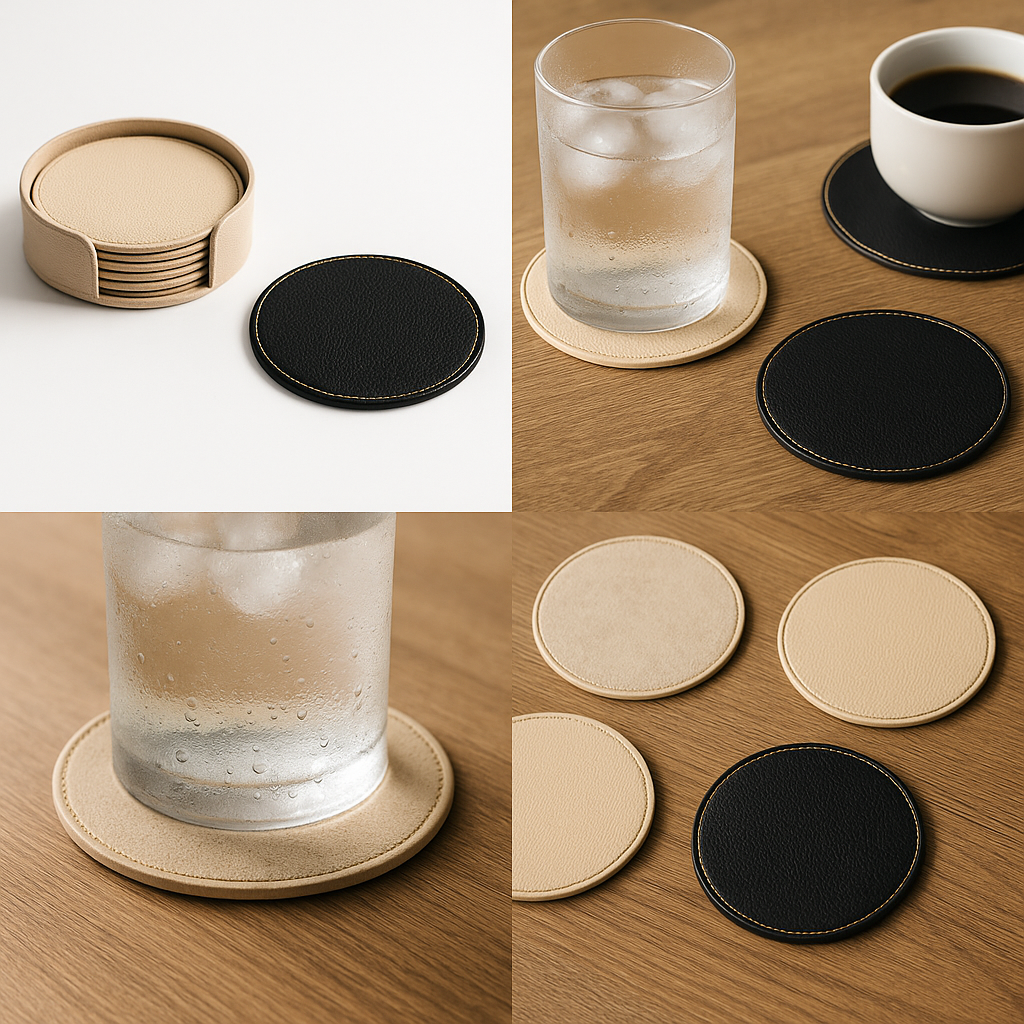
Prevention is key. Always use coasters and placemats. Avoid placing hot or damp objects directly on the surface. Regularly rotate decorative objects to prevent localized fading. Maintain stable humidity in the room (ideally between 45% and 55%) to prevent the wood from moving too much.
Are "natural" products like white vinegar safe?
White vinegar, although natural, is acidic. Diluted (1/4 vinegar to 3/4 water), it can be used with extreme caution to disinfect an area or reduce an odor, but it must be applied with a barely damp cloth and the surface must be immediately and thoroughly dried. It should in no way become your main cleaning product, as it risks attacking finishes and drying out the wood.
How often should I wax my antique furniture?
For furniture in good condition, once or twice a year is more than enough. An excess of wax, especially if the layers are not perfectly polished, creates a dull, greasy buildup. Dusting and a light polish with a dry cloth between wax applications maintain the shine.
How can I distinguish marquetry from a simple print or decorative paper?
Marquetry has a palpable relief. Gently run your finger over the patterns: you will feel the slight depressions between the different veneer elements. Also, observe the angles and edges of the furniture: on real marquetry, you will see the thin veneer turning over the thickness of the wood. A print or paper will not have this relief or continuity.
Conclusion: A Heritage to Cherish with the Right Actions
Cleaning a marquetry piece is an act of preservation that combines respect for the past with know-how. By adopting a gentle routine based on dusting, using appropriate products sparingly, and knowing the limits of home maintenance, you will contribute to the longevity of these exceptional objects. Each marquetry piece has a story; proper care is its best chapter. To discover more expert tips on maintaining and showcasing your antique furniture or to find inspiration for integrating these unique pieces into your contemporary decor, explore the many resources available on ombreinterieur.fr without delay. You will also love our selection Furniture Curtains. To go further, test Modern Easy-to-Clean Non-Slip Washable Fabric Rug in your room. Our guide how to clean a wicker clock without damaging it helps you make the right choice. Find our entire decor universe on Ombre Interieur.
