
















How to clean a matte piece of furniture without damaging it
The discreet charm of a matte piece of furniture lies in its understated elegance and velvety texture that gently captures light. Unlike glossy or lacquered finishes, matte offers a warm and contemporary feel, perfect for creating soothing atmospheres. However, this delicate finish is often perceived as fragile and prone to marks, which can discourage daily maintenance. Cleaning a matte piece of furniture is not an impossible mission; it simply involves adopting the right techniques and suitable products to preserve its beauty without damaging it. This article guides you step by step, from fundamental principles to expert tips, so your matte furniture can regain its original luster and stand the test of time.
Understanding the nature of a matte finish: the key to successful cleaning
Before starting any cleaning, it is essential to understand what sets a matte piece of furniture apart. A matte finish is achieved by the absence (or drastic reduction) of gloss agents in the varnish or paint. This micro-textured, non-reflective surface is more porous than a smooth, glossy one. It therefore absorbs fats, liquids, and dirt more easily, which can become embedded if not treated promptly. This texture is also more sensitive to scratches and wear caused by abrasives. Recognizing the type of underlying material (solid wood, particle board with veneer, matte melamine, textured laminate) is equally important, as the cleaning protocol may vary slightly.
Common types of matte surfaces
We mainly distinguish matte paint (on wood or MDF), matte varnish (applied to solid or veneered wood), and matte-effect laminates or melamines (very common in contemporary furniture and kitchens). Each has its own specificities. Matte paint is often more sensitive to water stains, leaving white halos. Matte varnish on oak or walnut is more resistant but fears alcohol-based products. Matte melamine surfaces, although very impact-resistant, can be dulled by overly greasy products.
The ideal cleaning kit for matte furniture
Forget harsh all-purpose cleaners and abrasive sponges. To preserve your matte furniture, you need to equip yourself with gentle tools and neutral or specific cleaners. Here is the list of essentials:
- An ultra-soft microfiber cloth: This is the ultimate tool. Its tiny fibers capture dust and dirt without scratching. Use it slightly damp, never soaking wet.
- Lukewarm water: Often sufficient for regular maintenance.
- A pH-neutral soap: Such as pure Marseille soap, diluted black soap, or mild hand soap. They clean without altering the finish.
- An empty spray bottle: To apply your homemade cleaning mixture evenly and in a controlled manner.
- A clean, dry cotton or linen cloth: For drying and gently buffing after cleaning.
- For tough cases: Baking soda, white vinegar (to be used with extreme caution), and possibly a specific "matte surface" product recommended by the furniture manufacturer.
Daily and weekly cleaning protocol
Regularity is the best ally of matte furniture. Frequent maintenance prevents the buildup of stubborn dirt.
Dusting: the first non-negotiable step
Always start by removing dust and dry particles with a dry microfiber cloth. Gently wipe in the direction of the wood grain (if visible) or in very soft circular motions for solid surfaces. This step prevents creating an abrasive paste by mixing dust with a liquid product during subsequent cleaning.
Basic cleaning with water and neutral soap
For light soiling and fingerprints, prepare a solution with one liter of lukewarm water and a few drops of neutral soap. Lightly spray the microfiber cloth (never directly onto the furniture) and wring it out well. It should only be damp. Clean the surface in sections, immediately wiping with the dry part of the cloth or a second dry cloth to prevent any moisture from sitting. Finish by passing a dry microfiber cloth to restore a uniform appearance.
Treating common stains on matte furniture
Accidents are inevitable. Here is how to react to the most frequent stains without panicking.
Fingerprints and grease marks
These stains are the most common, especially on kitchen furniture and cabinet doors. A magic eraser (like Magic Eraser) can be used with extreme caution. Dip it in water, wring it out thoroughly, and test it on a discreet corner. Rub very gently. Often, a simple mixture of water and very diluted black soap on a microfiber cloth can remove grease marks.
Water or glass rings
On matte paints, water can leave a white ring. Act quickly. Dry immediately with an absorbent cloth. If the mark persists, rub very gently with a cloth soaked in a little olive oil or mayonnaise (yes, you read that correctly!) on the stain, then wipe with your soapy mixture. The oil helps temporarily rehydrate the finish and make the white haze disappear.
Marker or pen marks
First test with a cotton swab soaked in 70% alcohol on a hidden area. If the finish does not react (no gloss, no discoloration), you can apply it gently to the stain. For a gentler approach, try a paste of baking soda and water. Apply, let it sit for a minute, then wipe with a damp cloth.
Products to absolutely avoid
Certain products are the sworn enemies of matte finishes. Their use can cause irreversible damage.
- Abrasive products and scouring powders: They scratch the micro-textured surface, creating micro-scratches that quickly become visible.
- Overly chemical all-purpose cleaners and strong degreasers: They can dissolve the matte finish, leaving shiny and uneven areas.
- Rough cloths, steel wool, and green sponges: Their abrasive nature is destructive to matte surfaces.
- Ammonia and bleach: Too aggressive, they discolor and attack the surface.
- Waxes and silicone "shine" sprays: They will create a greasy, shiny film that alters the original matte look and attracts dust.
Cleaning matte furniture by material
Adapting your method to the material is crucial for optimal results.
Solid wood furniture with matte varnish finish
Follow the direction of the wood grain. Use gentle methods (neutral soapy water). To revive the luster without making it shiny, after cleaning, you can pass a cloth soaked in a mixture of 2/3 linseed oil and 1/3 white vinegar (mandatory prior test). This nourishes the wood and strengthens the finish.
Matte melamine or laminate furniture (kitchen, office)
These surfaces are very resistant. Diluted white vinegar (1 part to 1 part water) is often effective for removing limescale and grease marks. Rinse immediately with a damp cloth and dry. A specific glass cleaner (without ammonia) can also give excellent results on stubborn stains without leaving residue.
Furniture with matte paint (Shabby Chic or contemporary style)
This is the most delicate finish. Stick to dusting with a dry microfiber cloth and cleaning with slightly soapy water. In case of micro-scratches, some manufacturers offer touch-up crayons specifically for matte paints.
The most effective homemade and natural solutions
Natural solutions are making a comeback, and for good reason: they are often sufficient and less risky.
- White vinegar: Excellent descaling and degreasing agent. Always diluted (50/50 with water) and used sparingly. Rinse and dry systematically after application.
- Baking soda: Its slightly abrasive texture can be used as a paste (with water) on ingrained stains, rubbed with a finger or very soft cloth. Rinse thoroughly.
- Black soap: Dilute a teaspoon in a liter of hot water. It is a powerful but natural degreaser, perfect for kitchens. Always wipe with a damp cloth after application to avoid leaving a film.
- Lemon: Its acidity can be used against rust or ink stains, but be sure to test beforehand as it can discolor.
Protecting and making your matte furniture last
Cleaning is one thing, protection is another. To reduce the frequency of intensive cleaning, adopt these habits:
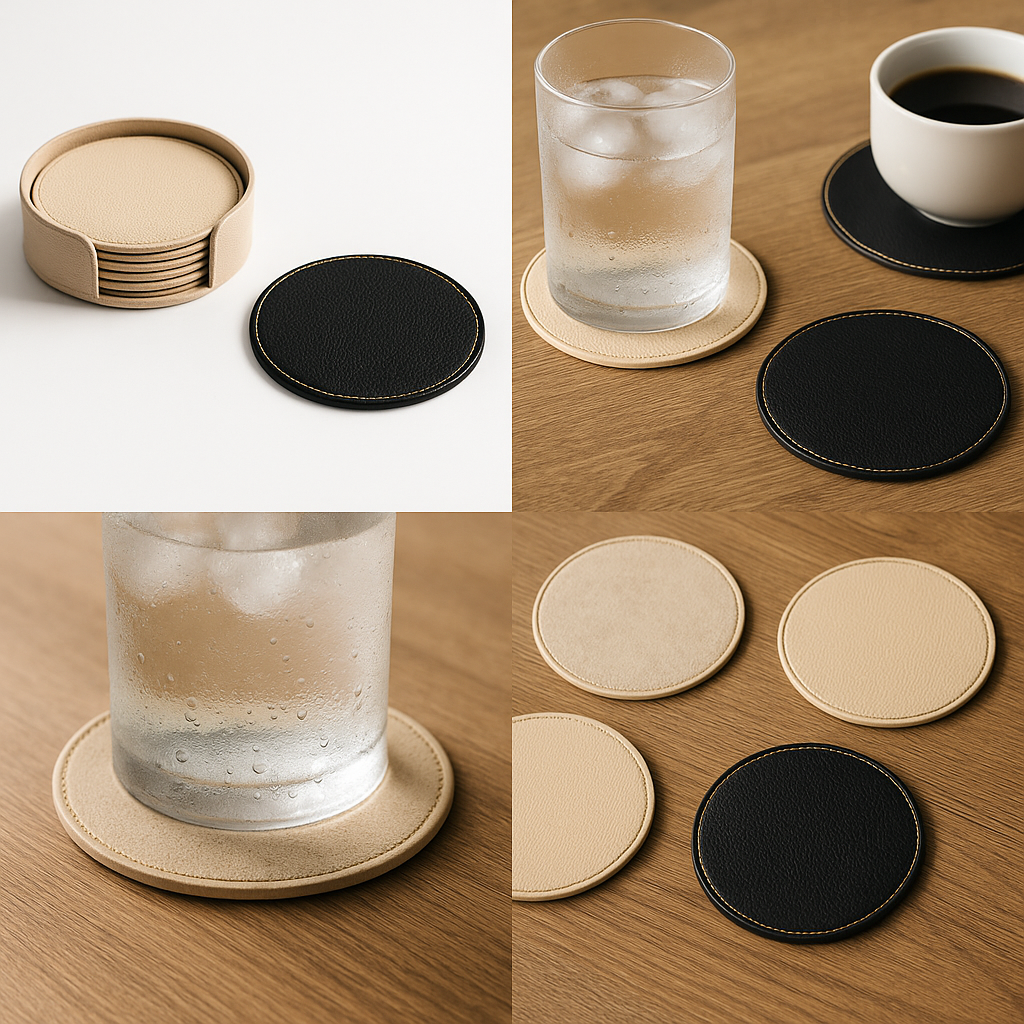
- Always use coasters, trivets, and vase bases.
- Avoid placing wet or hot objects directly on the surface.
- For matte kitchen worktops, apply a specific protective product for matte surfaces (available from specialists) once a year. It creates an invisible barrier against stains.
- Dust regularly with an electrostatic duster or dry microfiber cloth to prevent buildup.
FAQ: Most frequently asked questions about cleaning matte furniture
Can damaged matte furniture be restored to its original appearance?
Yes, to a certain extent. Micro-scratches can sometimes be softened with specific "matte finish renovator" products that slightly fill imperfections. For areas that have become shiny from friction, very light sanding followed by an application of matte varnish (by a professional) may be necessary. For deep stains or burns, touch-up by a cabinetmaker is often the only solution.
Can furniture oil be used on a matte finish?
Generally, no. Furniture oils (like beeswax oil, teak oil) are designed to nourish raw or oiled wood, not varnished or painted surfaces. They risk creating greasy stains and uneven shiny areas on matte furniture. Always consult the manufacturer's recommendations.
How to clean a matte fabric sofa?
The precautionary principle is the same. Vacuum thoroughly first. For matte upholstery fabrics (often cotton, linen, or velvet), use a specific fabric shampoo, test it on a hidden seam. Never use abundant water to avoid creating rings. Gently rub with a soft brush and air dry, preferably in sunlight.
Are all-purpose cleaning wipes safe for matte surfaces?
They should be avoided. Although convenient, they often contain alcohols, solvents, or silicones that leave a residual film. This film can dull the surface over time, clog it, and worse, create shiny reflections in spots, ruining the uniform matte effect.
How often should I deep clean my matte furniture?
Weekly dusting and a light wipe with a damp cloth every 15 days are sufficient for regular maintenance. A more thorough cleaning (with a gentle product) can be done every 3 to 6 months, depending on the room's use. A kitchen will require more frequent maintenance than a bedroom dresser.
Conclusion: The art of preserving the discreet elegance of matte
Cleaning matte furniture is not a complex chore, but an act of care that requires gentleness and regularity. By understanding the nature of this finish so prized in contemporary decor and by banning harsh products in favor of gentle, natural solutions, you will preserve its unique look for many years. Regular maintenance is the secret to an interior that always looks impeccable, where each material reveals its true nature. To discover how to integrate these delicate-finished pieces into harmonious settings and find other tailored maintenance tips, feel free to explore the many resources available on ombreinterieur.fr. Your interior deserves this level of attention and expertise. Also explore our Rideau Meuble collection to vary styles. Our Full-Length Mirror HD Glass with Matte Pine and Gold Frame integrates perfectly with this style. Check out our article how to clean a cotton light garland without damaging it to go further. Browse our online store to see all our collections.
