















How to clean furniture that has been affected by moisture
Discovering that a piece of furniture has been affected by dampness is always a source of concern. Whether it's a chest of drawers inherited from your grandmother, a solid wood coffee table, or a bookcase in an overly humid room, the damage caused by excess moisture can seem irreversible. Dark stains, musty odors, swollen wood, or worse, the appearance of mold… the symptoms are varied and discouraging. However, before fearing the worst and resigning yourself to parting with your furniture, know that many solutions exist to save it. Cleaning furniture that has been affected by dampness is a process that requires patience, the right products, and a method suited to the material and extent of the damage. This article guides you step by step, from the initial diagnosis to curative and preventive treatments, to restore life to your furniture and protect your home.
Diagnosing the Extent of Damage to Your Damp Furniture
Before starting the cleaning process, a careful assessment is crucial. The nature of the problem will determine your entire intervention strategy. Take the time to examine your furniture from all angles.
Start by identifying the type of moisture. Is it surface moisture from a cloth that was too damp or from condensation? A slow, prolonged leak? Or a one-off incident like a flood? The answer will influence the depth of treatment required.
Visually inspect the furniture. Look for telltale signs:
- White or grayish stains: often superficial mold.
- Black, bluish, or green stains: may indicate deeper mold or a wood-decaying fungus, which is more problematic.
- Warping of the wood: boards or panels become deformed.
- Peeling veneer or marquetry: the glue has given way under the effect of moisture.
- Persistent musty odor: a sign that moisture has penetrated deeply.
Also test the structural integrity. Gently press on suspicious areas with a non-sharp object. If the wood is soft and gives way, it may be rotten. In extreme cases of dry or wet rot, the mechanical strength of the furniture is compromised, and professional restoration is often necessary.
Essential Tools and Products for Effective Cleaning
Starting to clean damp furniture without the right equipment is doomed to fail. Prepare your workspace (ideally a well-ventilated garage or shed) and gather these essential items.
For protection and basic cleaning:
- Rubber gloves and a protective mask (FFP2 recommended in the presence of mold).
- Highly absorbent, lint-free microfiber cloths.
- Soft-bristled brush (like a paintbrush) and a stiffer brush for moldings.
- Vacuum cleaner with a narrow nozzle.
- White vinegar, 70% or 90% alcohol, and black soap.
For mold treatment and disinfection:
- Hydrogen peroxide (10 volumes) or baking soda paste.
- For stubborn cases, a specific wood fungicide (check its compatibility with finishes).
- Tea tree essential oil, known for its natural antifungal properties.
For drying and final restoration:
- Dehumidifier or fan to accelerate air circulation.
- Fine-grit sandpaper (180 to 240) and medium-grit (80 to 120).
- Suitable finishing products: clear wax, wood oil (like linseed oil), varnish.
First Aid: Immediate Actions to Take
As soon as you discover damp furniture, act quickly to limit damage. Time is your worst enemy. The absolute priority is to remove excess water and initiate drying.
If the furniture is soaked, blot it immediately with dry, highly absorbent cloths. Press without rubbing to avoid pushing moisture deeper. For drawers and shelves, remove them from the furniture to separate them and allow complete aeration of each component.
Never attempt to dry wooden furniture with a direct, intense heat source like a radiator, hairdryer, or harsh sunlight. Thermal shock would cause cracks, splits, and irreversible warping of the wood. Drying must be slow and gradual.
Place the furniture in the driest, best-ventilated room in your home. Use a fan to create a constant airflow around the furniture, but not directly on it. If ambient humidity is high, a dehumidifier will be your best ally. This natural drying process can take several days, or even weeks for solid pieces. Patience is key.
Cleaning and Removing Surface Mold
Once the furniture is thoroughly dry on the surface, tackle visible stains and mold. This step is both aesthetic and sanitary, as mold spores can be allergenic.
Start with gentle cleaning. Vacuum the entire piece of furniture with the brush attachment to remove surface dust and spores. Then, prepare a gentle cleaning solution. A mixture of equal parts water and white vinegar in a spray bottle is very effective against mildew and early-stage mold. Vinegar is a natural, mild antifungal agent.
Lightly spray onto a microfiber cloth (never directly onto the wood to avoid re-saturating it) and gently wipe over the stained areas. For more stubborn mold, several options are available:
Hydrogen Peroxide, a Gentle Bleach
10-volume hydrogen peroxide is excellent for lightening black mold stains on raw or light wood. Apply it with a cotton swab or cloth, leave for 10 minutes, then wipe off. Always test on an inconspicuous area first.
Baking Soda Paste
Mix baking soda with a little water to form a paste. Apply it to the stain and let it dry completely. As it dries, the paste absorbs impurities. Then gently brush it off.
After any treatment, carefully wipe the area with a damp cloth and then a dry one to remove any residue. Allow to dry completely again before moving to the next step.
Treating Swollen and Warped Wood from Moisture
Wood swelling is one of the most frustrating consequences of moisture. A door that no longer closes, a drawer that sticks… These problems are often reversible if the wood hasn't rotted.
The key, once again, is extremely slow and uniform drying. If a board is warped, position the furniture so that air can circulate on both sides of the deformed piece. You can place light, evenly distributed weights (like heavy books) on the bulging area, with absorbent paper or cardboard in between to protect the finish. This gentle pressure, combined with drying, can help flatten the wood over several days.
For a sticking drawer or door, never force it. Remove the component from the furniture if possible. Sanding the rubbing edges is often the solution. Use fine-grit sandpaper (180) and sand with light strokes, only on the friction areas. Check progress frequently by trying to reinsert it. The goal is to remove a minuscule amount of wood, just enough for the piece to slide freely again.
Once the shape and functionality are restored, it will be essential to treat the wood with a suitable product to regulate its residual moisture and stabilize it, such as a penetrating oil.
Eliminating Persistent Musty Odors
Once clean and dry, furniture can unfortunately retain an unpleasant musty or moldy smell. This odor comes from deeply embedded spores or residual moisture in the wood. The problem must be treated thoroughly.
The first method, simple and often effective, is baking soda. Generously sprinkle baking soda inside drawers, compartments, and on shelves. Close the drawers and leave for at least 48 hours, or up to a week for stubborn odors. The baking soda absorbs the smells. Then vacuum thoroughly.
For a more active treatment, activated charcoal is a powerful absorber of moisture and odors. Place sachets or pieces of charcoal in the furniture's nooks.
Essential oils offer a solution that is both deodorizing and antifungal. Mix about ten drops of tea tree or true lavender essential oil in a small bowl of white clay or on a porous stone. Place this natural diffuser inside the closed furniture for several days. The fresh scent will gradually replace the musty smell.
As a last resort, for unvarnished furniture, a light application of denatured alcohol on a cloth can help kill odor-causing bacteria. Always test first.
Sanding and Finishing: Restoring Luster to Treated Furniture
After curative treatments, your furniture is healthy but often marked. Sanding and a new finish are the steps that will restore its beauty and protect it for the future.
Sanding is necessary if the surface is rough, permanently stained, or if the old finish (varnish, wax) is damaged. Start with medium grit (120) to remove the old finish, then refine with fine grit (180 then 240). Always sand in the direction of the wood grain, with light, even pressure. Vacuum and then wipe with a slightly damp cloth to remove all dust.
The choice of finish is crucial for future protection:
- Wood oil (linseed, tung): Nourishes the wood deeply, allows it to breathe, and enhances its grain. Ideal for antique or everyday-use furniture. It requires multiple coats and regular maintenance.
- Clear or tinted wax: Offers a beautiful, soft-to-the-touch patina and light water-repellent protection. Perfect for low-use furniture. Apply in a thin layer, let it penetrate, then buff.
- Matte, satin, or gloss varnish: Creates a solid, waterproof protective layer, highly resistant to scratches and moisture. Choose a varnish suitable for indoor use and the wood type.
Always apply the product in a well-ventilated room, with a clean brush or cloth, strictly following the manufacturer's instructions. Allow to dry completely between coats.
Special Cases: Lacquered, Varnished, and Veneered Furniture
Not all furniture is solid wood. Lacquered finishes, thick varnishes, and veneers require specific precautions to avoid irreparable damage.
For lacquered or varnished furniture severely damaged by moisture (with blisters or peeling), full sanding is often unavoidable. However, for light damage (white condensation marks), you can try a gentle method. Gently rub the mark with a cloth dampened with 70% alcohol or a little furniture oil (like sweet almond oil). Sometimes, moisture has only affected the surface wax, and this simple action can solve the problem.
Veneered furniture (a thin sheet of noble wood glued onto a base) is very fragile when exposed to moisture. The glue can fail, causing bubbles or peeling. Never attempt to sand veneer, as you will go through it. For lifting veneer, it is often necessary to reapply special wood glue and hold it under pressure while drying. This delicate operation may require the intervention of a cabinetmaker.
In all cases, for these delicate finishes, testing in a hidden area is even more imperative before applying any product.
Preventing Moisture: Protecting Your Furniture Long-Term
The best treatment remains prevention. After saving your furniture, adopt these good practices to avoid a recurrence.
Control the humidity level in your home. The ideal range is between 45% and 55%. Use a hygrometer to monitor. In case of excessive humidity, invest in an electric dehumidifier, especially in rooms like the basement, laundry room, or poorly ventilated bathrooms.
Ensure optimal ventilation. Air out your home daily, even in winter, for at least 10 minutes. Never place your furniture directly against a cold wall, a potential source of condensation. Leave a gap of a few centimeters to allow air circulation.
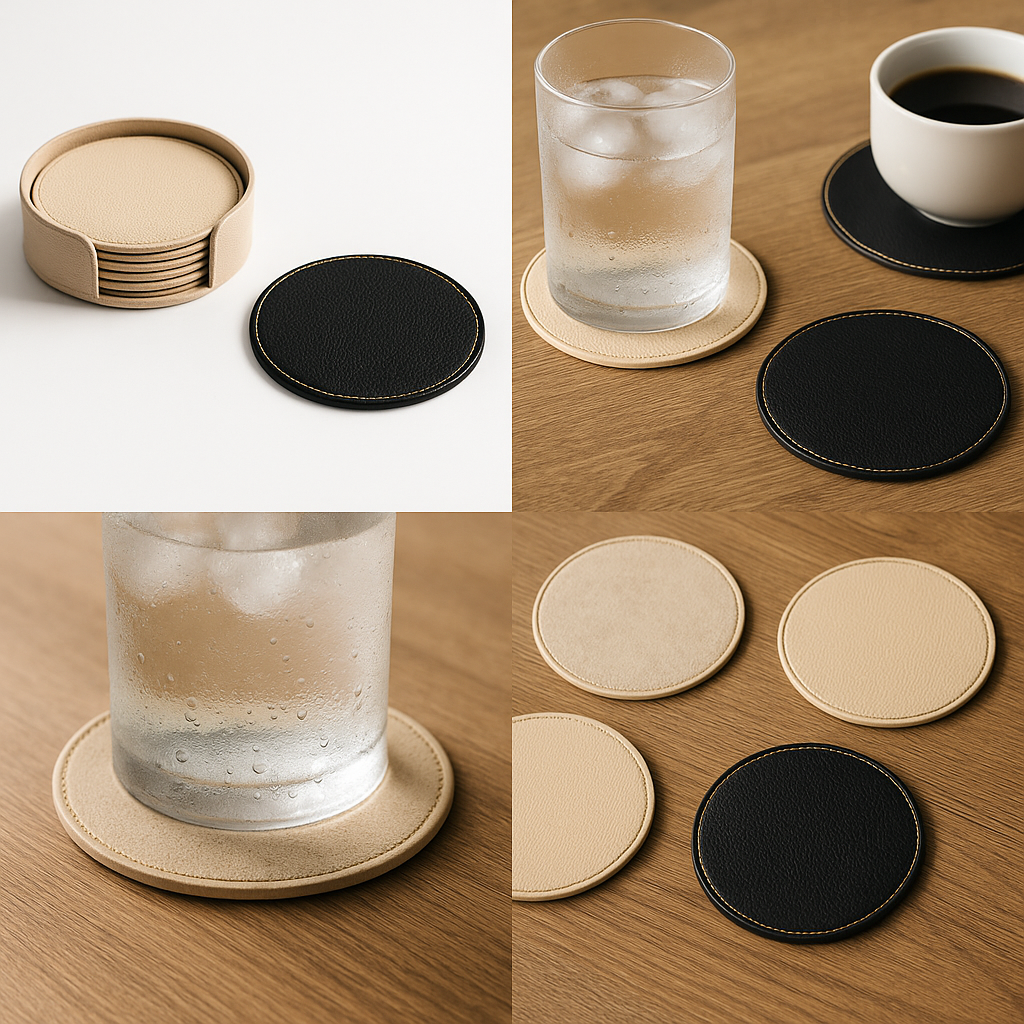
Physically protect your furniture. Avoid placing glasses or flower pots without coasters. Use felt rugs or pads under decorative objects. For bathroom or kitchen furniture, choose suitable finishes (marine varnish, highly water-repellent oil) and wipe them down quickly after splashes.
Finally, regular maintenance with appropriate products (wax, oil) nourishes the wood and maintains its natural protective barrier.
FAQ: Answers to the Most Common Questions
Can you save wooden furniture that has mold?
Yes, in most cases, if the structure is not rotten. Surface mold can be eliminated with the methods described (vinegar, hydrogen peroxide, fungicide). If the wood is soft and crumbly, it's a sign of rot. Only a professional can then decide whether to replace the affected part.
Does white vinegar damage wood?
No, used diluted (50/50 with water) and applied sparingly on a cloth, white vinegar is safe for most wood finishes. It is a gentle cleaner and disinfectant. However, on very old waxed finishes, always test on a small hidden area, as its acidity could alter the patina.
How long does it take for furniture to dry completely?
There is no absolute rule. Slightly damp surface furniture can dry in 2-3 days in a well-ventilated room. For solid furniture that has absorbed moisture deeply or has been flooded, complete drying can take several weeks or even months. Patience is key to avoiding cracks.
Can I use bleach to remove mold?
It is strongly advised against using bleach on wood. While it kills surface mold, it is highly corrosive, can discolor wood unevenly, and, most importantly, its action is superficial. It does not penetrate to treat the source. Additionally, its main component (sodium hypochlorite) can, in reaction with certain wood components, release irritating fumes. Prefer specific wood treatments or natural solutions like vinegar.
When should I call a professional restorer?
Consult a professional in the following cases: if the furniture has high sentimental or financial value; if the structure is weakened (rot); if complex elements are damaged (marquetry, peeling veneer, carvings); or if you have tried solutions without success. A cabinetmaker has the tools, products, and expertise for invisible and durable restorations.
Conclusion: A Saved Piece of Furniture is a Loved Piece of Furniture for a Long Time
Cleaning furniture that has been affected by dampness is much more than a simple maintenance chore. It is an act of preservation, often emotionally charged when it comes to a family heirloom. The steps, from diagnosis to slow drying, from antifungal treatment to the new finish, require time and attention. But the result is worth it: giving an object a new lease on life, offering it a second youth, and protecting it for years to come. Each piece of furniture saved from moisture tells a story of patience and care. By applying these methods and adopting preventive vigilance, you preserve not only your furniture but also the warm and personal ambiance of your home. To discover more tips and inspiration for caring for and beautifying your home, explore the other expert guides available on ombreinterieur.fr. To go further, try the Kitchen Cabinet Curtain in your room. Our guide on how to clean a silk wall light without damaging it helps you make the right choice. Get inspired on our decoration website for your upcoming projects.
