

















How to Clean Varnished Furniture: Complete Guide
Varnish, that protective and aesthetic layer that enhances the grain of wood and preserves our furniture from the ravages of time, inevitably loses its luster. Between fingerprints, grease stains, rings left by glasses, or simply the accumulation of dust and residue, a varnished piece of furniture can quickly appear dull and neglected. Knowing how to clean varnished furniture correctly is therefore an essential skill for any interior decoration enthusiast who wishes to preserve the beauty and value of their pieces, whether it be a family heirloom, a flea market find, or a contemporary piece. Contrary to popular belief, regular and appropriate maintenance can restore life to a varnish without resorting to drastic methods. This article guides you step by step, from routine maintenance techniques to solutions for the most delicate situations, including identifying the type of finish and mistakes to absolutely avoid.
Understanding the Nature of Varnish: The First Crucial Step
Before starting any cleaning, it is imperative to identify the type of finish covering your furniture. The term "varnish" is often used generically, but it actually covers different technologies with distinct properties. Applying an unsuitable product can irreversibly damage the surface.
The Different Types of Varnished Finishes
We mainly distinguish between old varnishes, often alcohol or shellac-based, and modern, more resistant varnishes. Polyurethane, acrylic, or polyacrylic varnishes are the most common today for their excellent resistance to water, impact, and UV rays. They form a thick, durable plastic film. Nitrocellulose varnishes, which are older, are also solid but can yellow over time. For antique or style furniture, oil or wax finishes are often found, sometimes topped with a layer of shellac varnish. A simple test involves discreetly rubbing a corner with a cotton ball soaked in denatured alcohol: if the varnish becomes sticky, it is likely shellac or an old alcohol-soluble varnish.
Why Specific Cleaning is Essential
Varnish is not an inert surface. Over time, it can micro-crack, become cloudy, or soften under the effect of certain chemical agents. Using a product that is too abrasive or too solvent will not only remove dirt but also attack the protective layer itself, making it dull, scratched, or sticky. The goal of good cleaning is therefore to strip surface dirt without altering the integrity of the varnish film underneath.
The Basic Kit for Gentle and Effective Cleaning
For the regular maintenance of your varnished furniture, there is no need to resort to an arsenal of chemical products. Often, the simplest and most natural solutions are the most effective and safest. Here are the essentials to have in your cupboard.
- An ultra-soft microfiber cloth: This is the number one tool. Its fibers capture dust without redepositing it and without scratching. Avoid steel wool cloths, even very fine ones, and old cloths that may contain grains of sand.
- Lukewarm water: Always used sparingly. Excess water is the enemy of wood, even varnished wood, as it can seep into joints and cause the wood to swell.
- Marseille soap or liquid black soap (without additives): These natural, fatty soaps are perfect for gentle degreasing. They leave no opaque film and are biodegradable.
- White vinegar: An excellent natural descaling and disinfecting agent, it is perfect for removing limescale marks. It should always be diluted.
- 70% isopropyl alcohol (moderately): Useful for stubborn stains on resistant modern varnishes, but test it first in an inconspicuous corner.
- Olive or linseed oil (for mixed finishes): Sometimes used in a mixture to nourish the underlying wood on old finishes, but with extreme caution on a pure varnish.
The Step-by-Step Method for Successful Routine Cleaning
For maintenance that restores shine without risk, follow this meticulous procedure. Take your time; precision is key.
Step 1: Thorough Dusting
Always start by removing all dust and abrasive particles. Use your dry microfiber cloth. Pass it in the direction of the wood grain, without pressing, to lift the dust. For moldings and carvings, a soft-bristled brush (like a clean makeup brush) is ideal. This step prevents creating an abrasive paste during the wet step that would scratch the varnish.
Step 2: Preparing the Homemade Cleaning Solution
In a bowl, mix one liter of lukewarm water (never hot) with one tablespoon of liquid black soap or a lump of grated Marseille soap. If you have limescale or tarnish marks, you can add one tablespoon of white vinegar. The soap/vinegar mixture is very effective and safe for most modern varnishes. Stir to dissolve well.
Step 3: Gentle Washing
Dip a second microfiber cloth into the solution and wring it out thoroughly. It should be only damp, not dripping. Clean the surface in small sections, using very gentle circular motions or following the wood grain. The idea is to lather the soap slightly to loosen dirt. Never soak the furniture.
Step 4: Rinsing and Drying, the Keys to Shine
This is the most often neglected step, yet the most important. Take a third clean microfiber cloth, dampened with clear lukewarm water and well wrung out. Pass it over the section you just washed to remove any soap residue. Then, dry immediately and thoroughly with a dry, soft microfiber cloth. Perfect drying prevents streaks and watermarks.
Targeted Solutions for Recurring Problems on Varnished Furniture
Certain stains resist standard cleaning. Here is how to treat them with proven methods, gradually increasing intensity.
Removing White Marks (Heat or Moisture Rings)
These opaque white circles are actually an emulsion of water and varnish. Often, they are only on the surface. Several gentle methods exist. You can gently rub with a cloth soaked in denatured alcohol (mandatory prior test), or apply a mixture of equal parts white toothpaste (non-gel, non-whitening) and baking soda. Rub with a soft cloth in a circle, then wipe. For stubborn cases, using a polishing paste for car varnish, applied with a microfiber cloth, can work wonders.
Getting Rid of Grease and Oil Stains
For a fresh grease stain, immediately sprinkle with Fuller's earth or cornstarch. Let it sit for several hours, even overnight: the powder will absorb the grease. Then vacuum and clean with your soapy solution. For an embedded stain, a little turpentine or white spirit on a cotton ball (test first!) can dissolve the grease. Then clean immediately with soapy water to remove the solvent.
Erasing Superficial Scratches
Micro-scratches that dull the shine can often be minimized. Use a specific "varnish renovator" or "scratch remover" product for furniture. These products contain silicones or polymers that temporarily fill scratches. A natural alternative is to gently rub the scratch with the kernel of a walnut or almond. The natural oil it contains can mask the scratch. For glossy finishes, polishing with automotive polish (like Pledge) can restore depth.
Products to Absolutely Avoid: The Enemy of Varnish
Certain common household products are real scourges for varnished furniture. Their use can cause irreversible damage.
- Ammonia and Bleach: These products are far too aggressive. They chemically attack the varnish, causing it to whiten, crack, or become sticky.
- Multi-purpose products like "Mr. Clean" or strong degreasers: They are designed to strip and contain solvents that are too strong, dissolving the varnish film.
- Abrasive cloths (green scouring pads, steel wool): Even fine steel wool leaves micro-scratches that permanently dull the surface.
- Waxes for parquet floors or raw wood furniture: On varnish, they create a greasy, sticky, dust-attracting film without penetrating. The result is often worse than before.
- Excessive spray polish: Used too frequently, they create an accumulation of residue that attracts dust and gives an artificial, tacky appearance.
Maintaining Shine Over Time: Good Habits to Adopt
Occasional cleaning is one thing, but daily maintenance is what preserves the beauty of your varnished furniture in the long term.
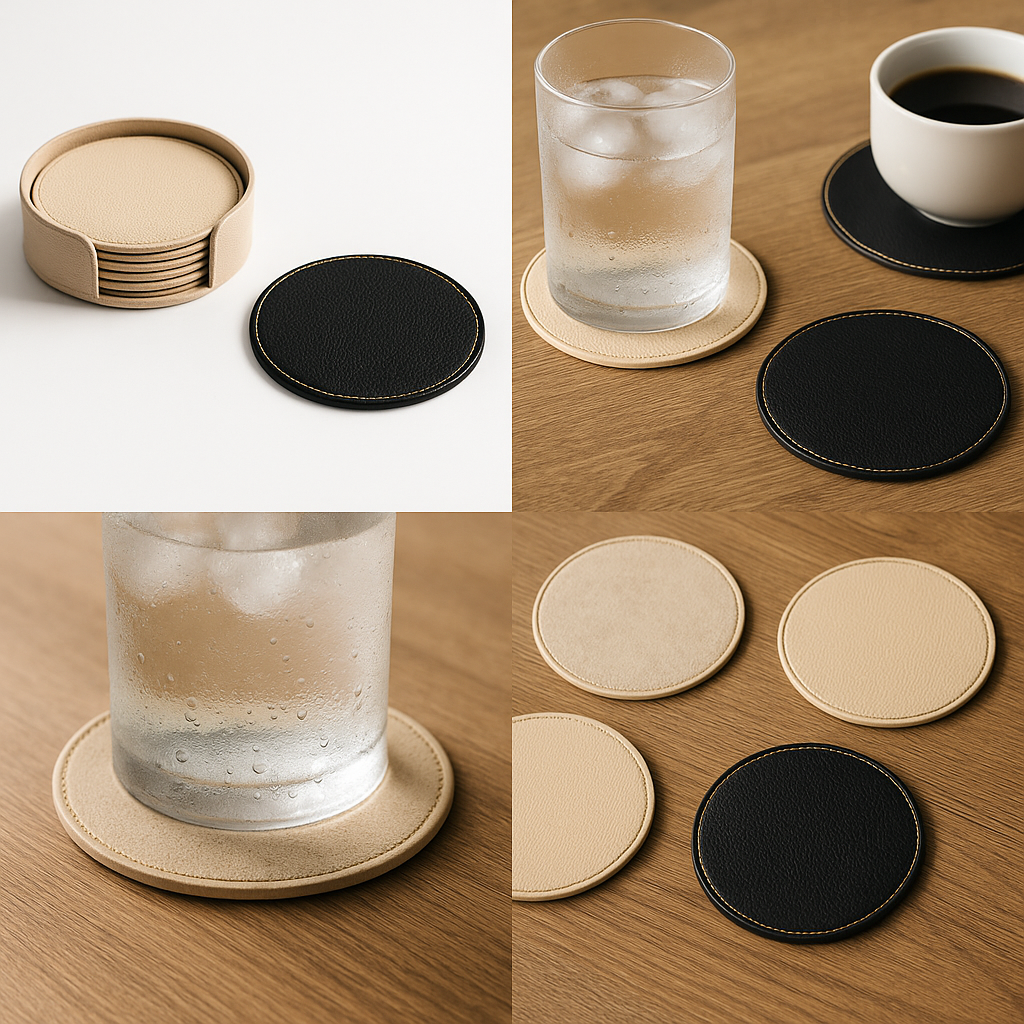
Establish a weekly dusting routine with a dry microfiber cloth. This is the best prevention. Always use coasters, trivets, and placemats. This is the golden rule to avoid the most common stains. Keep your furniture away from direct heat sources (radiators, fireplaces) and intense sunlight, which cause varnish to crack and yellow. For heavily used furniture like a dining table, a monthly damp cleaning with the gentle method described above is sufficient. Once or twice a year, you can apply a specific polishing product for varnished furniture, in a very thin layer immediately wiped off, to revive the shine.
What to Do When Cleaning is No Longer Enough? Signs of Varnish Needing Restoration
Despite all your care, varnish ages. Certain signs indicate that simple cleaning is no longer sufficient and that restoration is necessary. If the varnish is deeply cracked (crazing), chipped, or peeling off in sheets, it must be sanded entirely. Widespread and deep cloudiness, excessive yellowing, or a dense network of scratches are also indicators. When the wood appears dry or dull under the varnish, the protection is no longer effective. In these cases, the solution involves gentle sanding followed by a new application of varnish, or using a powerful renovator that slightly dissolves the surface layer to smooth it.
FAQ: Most Frequent Questions About Cleaning Varnished Furniture
Can olive oil be used to shine varnished furniture?
This practice is not recommended on modern varnish. Olive oil does not penetrate the varnish film and remains on the surface, creating a greasy deposit that attracts dust and can go rancid over time, leaving an unpleasant odor. It can possibly be used in a very diluted mixture (a few drops in soapy water) on old wax or oil finishes, but never pure on polyurethane or acrylic varnish.
How to distinguish varnished furniture from waxed or oiled furniture?
The touch and appearance test is revealing. Varnished furniture has a hard, smooth, and sealed surface. A drop of water placed on the surface remains beaded and does not penetrate. Waxed or oiled furniture feels warmer and less "plastic," and the wood grain is often more perceptible. A drop of water penetrates quickly and leaves a dark mark. Additionally, if you rub an inconspicuous corner with a white cloth, waxed furniture will leave a slight trace.
Does white vinegar damage varnish?
No, if it is properly diluted (about 1/10th in water). In a weak solution, white vinegar is an excellent cleaner and disinfectant that poses no problem for resistant modern varnishes. However, avoid using it pure, as its acidity could, over time, affect some old or low-quality varnishes. As always, testing in a discreet area is recommended.
How to protect new varnished furniture?
The best protection starts with good habits. Apply felt or silicone protective pads under decorative objects. Use placemats and coasters systematically. For extra protection, you can apply a thin layer of quality furniture wax (like Carnauba wax) specifically formulated for varnished surfaces. It will create an additional barrier against micro-scratches and moisture, without being sticky. Repeat this operation a maximum of once a year.
Is outdoor varnished furniture cleaned the same way?
The basic principle is similar, but the products must be adapted for greater resistance. Varnished garden furniture (like teak resin) can withstand stronger cleaners. A mixture of hot water, black soap, and a little washing soda is effective against mold and stubborn dirt. High-pressure cleaning, however, should be avoided as it can strip the varnish. After cleaning, a thorough rinse with clear water is essential, followed by complete drying before any new application of outdoor varnish if necessary.
Conclusion: The Art of Preserving the Beauty of Varnish
Cleaning varnished furniture is not a complex chore reserved for experts, but a maintenance gesture that comes down to know-how and regularity. By understanding the nature of your finish, using gentle and suitable products, and adopting good daily practices, you preserve the shine and integrity of your furniture for many years. Remember that moderation is key: fewer products, but better chosen, and more gentleness in the gesture. A well-maintained piece of furniture tells a story and fully contributes to the soul of your home. To discover more tips and complete guides on maintaining, restoring, and enhancing all your furniture, feel free to explore the other resources available on ombreinterieur.fr, your source of inspiration for successful and sustainable interior decoration. To complete your ambiance, discover the Furniture Curtain range. Fall for the Small Furniture Curtain, a real plus for your interior. For more tips, discover how to clean a glass clock without damaging it on the blog. Get inspired on our decoration website for your next projects.
