















How to Clean a Light-Colored Rug: Complete Guide
A light-colored rug is a centerpiece in any interior, bringing light, elegance, and a sense of space. However, its maintenance can quickly become a source of worry when faced with stains, dust, and loss of luster. Cleaning a light-colored rug is not just a simple vacuuming job; it is an art that combines prevention, quick reaction, and techniques suited to the fibers. Whether your rug is made of virgin wool, cotton, synthetic fibers, or sisal, the methods vary. This article is your comprehensive guide to preserving the immaculate beauty of your light-colored rug, from routine maintenance tips to solutions for the most stubborn stains, including current trends in eco-friendly products and innovative equipment. We will also cover the impact of light, seasonal storage, and the crucial moment to call in a professional.
Understanding the Nature of Your Light-Colored Rug: The First Essential Step
Before any intervention, identifying your rug's composition is crucial. The wrong product or an abrasive technique can irreparably damage the fibers. Always check the care label, often located on the back of the rug. This label uses universal symbols (tub, triangle, iron) indicating whether water cleaning, dry cleaning, or bleaching is allowed.
Rugs made of natural wool are luxurious and durable but sensitive to strong alkalis (like ammonia) and excessive agitation, which can cause felting. They require pH-neutral or slightly acidic products. Synthetic fibers (nylon, polyester, polypropylene) are generally more tolerant, dry quickly, and better withstand specific shampoos. Rugs made of plant fibers (sisal, seagrass, coir) are highly absorbent and cannot tolerate heavy wetting; excess water can cause warping or mold growth.
The Preliminary Test: An Absolute Golden Rule
Always apply any cleaning product to a small, inconspicuous area (a corner, under furniture) and let it dry completely. This ensures the product does not discolor, leave a halo, or alter the texture. This step is non-negotiable, especially on a light-colored rug where damage is immediately visible. Note the proportions used for the test to replicate them exactly on the area to be treated.
Daily and Weekly Maintenance: The Preventive Shield
The key to keeping a light-colored rug impeccable lies in regularity. Abrasive dirt, trampled daily, wears down fibers and dulls colors irreversibly. Embedded dust acts like microscopic sandpaper.
- Frequent and Effective Vacuuming: Vacuum at least twice a week, more in high-traffic areas. If possible, use a bagless vacuum cleaner with a HEPA filter to capture allergens and fine dust. Vacuum slowly and in both directions (lengthwise and widthwise) to lift embedded dirt. Don't forget the edges and corners with the crevice tool.
- Strategic Protection: Place quality doormats at every entrance to capture dirt and moisture. Consider applying a professional anti-stain treatment in-store, which creates a protective barrier on the fibers without altering their feel. These renewable treatments greatly facilitate the cleaning of accidental stains.
- Rotating the Rug: If possible, rotate your rug by a quarter turn every six months to ensure even wear, especially if it is exposed to direct sunlight, which can cause uneven fading. Mark the underside with tape to remember the original orientation.
Dry Cleaning: The Gentle Method for a Deep Refresh
Before resorting to water, dry cleaning is an excellent alternative, particularly for delicate rugs (vintage wool, oriental rugs) or localized stains. Current trends favor natural, biodegradable, and minimally invasive products, aligned with a more conscious interior decoration.
Sommières earth, a natural ultra-absorbent clay, is a timeless classic for grease stains. Sprinkle it generously on the stain, let it sit for several hours (or overnight) to absorb the grease, then vacuum thoroughly. For general cleaning, baking soda is a miracle ally. It neutralizes acids, absorbs odors, and helps lift dirt.
Recipe for a Homemade and Eco-Friendly Dry Shampoo
Mix one cup of baking soda with 15 to 20 drops of lavender (soothing) or citrus (refreshing) essential oil in a food processor or bowl. Blend briefly to distribute the oils evenly. Sprinkle this fragrant mixture over the entire light-colored rug. Let it sit for at least one hour (ideally 2-3) so the baking soda neutralizes odors and acts on surface dirt. Then vacuum meticulously, in several passes if necessary. This method revives colors and eliminates odors without the risk of wetting or residue.
Stain Removal on Light-Colored Rugs: Act Quickly and Correctly
On a light-colored rug, a stain is an emergency. The fundamental rule is to always blot, never rub. Rubbing spreads the stain, pushes particles into the fibers, and can cause unsightly pilling. Always keep a basic kit on hand: white microfiber cloths, sparkling water (its acidity and bubbles are effective), Marseille soap, white vinegar, and baking soda.
General Procedure for All Liquid Stains
- Step 1: Blot Immediately. Use an absorbent white microfiber cloth or paper towels to blot the excess liquid, pressing gently from the edge toward the center to avoid spreading.
- Step 2: Rinse with Clear Cold Water. Lightly dampen the area with cold water (warm water can set certain stains like blood) and blot again to dilute the stain. Repeat if necessary.
- Step 3: Apply a Suitable Cleaning Solution (see below). Blot, do not soak.
- Step 4: Dry Thoroughly. Cover the area with a stack of dry, clean cloths or paper towels, held down by a flat weight (a heavy book). Change the cloth until it no longer absorbs moisture. Speed up drying with a fan.
Targeted Solutions for Common and Stubborn Stains
Red wine, coffee, tea, fruit juice: Sparkling water is often miraculous as a first step. Pour it on, blot. Then, a mixture of equal parts cold water and white vinegar applied with a cloth can finish the job. For residues, a paste of baking soda and water, left to dry and then brushed off, can help.
Blood: Use only cold water. Hot water sets the blood proteins. Blot generously with a sponge and cold water until it disappears. If the stain persists, a very diluted solution of hydrogen peroxide (10 volume) can be tested on a hidden area, then applied with caution.
Grease, oil, butter, chocolate: Gently scrape off the solid excess with a spoon. Generously apply Sommières earth, baby talc, or cornstarch. Let it sit for several hours. The product will absorb the grease. Vacuum thoroughly.
Ink (ballpoint pen or marker): First test rubbing alcohol (90%) or whole milk on a hidden corner. Alcohol often dissolves ink; milk can work on water-based inks. Apply a small amount to a cotton ball and blot the stain without spreading, changing the cotton frequently.
Water Washing (Shampooing): For a Complete Clean of Your Light-Colored Rug
When the rug needs a general cleaning, shampooing is effective. Two schools of thought exist: the carpet washing machine (extractor) and the manual method. The goal is to use the minimum amount of water necessary to avoid prolonged drying and associated risks.
Modern steam cleaners or extractors, often available for rent at large stores, are very efficient. They inject a cleaning solution and immediately vacuum it up with the dirt, limiting wetting to 20-30%. Use a formula specifically for light-colored rugs, often enzyme-based to break down organic soiling. Follow the dilution instructions carefully. Work in small sections, pass the extractor slowly, and make several extraction passes with clean water to remove any soap residue. Ensure maximum ventilation (open windows, fans) for rapid drying (ideally within 12 hours).
Manual Shampooing with Controlled Foam
For more fragile or smaller rugs, create a foam. Vigorously whisk together one glass of warm water, one tablespoon of liquid black soap (or mild baby shampoo), and one tablespoon of white vinegar in a bowl. The vinegar helps cut grease and rinse. Apply only the foam to the rug with a sponge or soft brush, using circular motions on a small area. Wipe immediately with a damp cloth to "rinse," then dry by blotting. This method perfectly controls the amount of water introduced.
Mistakes to Absolutely Avoid with a Light-Colored Rug
Certain habits, inherited from other surfaces, can be disastrous on a light-colored rug. Here are the pitfalls to avoid to prevent lasting damage to your decorative investment.
- Using Bleach or Chlorine Products: They can yellow fibers, especially wool, and chemically weaken them. They are also too harsh for colors.
- Vigorously Rubbing a Stain in Circles: This spreads it, drives it in, and can create a discolored, blurred, and fuzzy area, worse than the original stain.
- Overloading with Cleaning Product: "More is better" is false here. Soap residue attracts dirt like a magnet. Insufficient rinsing will leave a dull, sticky rug that gets dirty twice as fast.
- Neglecting Drying: A rug that remains deeply damp for more than 24 hours risks mold growth (black/green spots, musty smell) and deformation, often irreversible damage.
- Using Metal Brushes or Hard Bristle Brushes: Prefer soft brushes made of natural fibers, special rug magic erasers, or microfiber cloths to avoid pilling, breaking, or roughening the fibers.
- Exposing to Intense Direct Heat: To dry, avoid pointing a hairdryer or fan heater too closely. Excessive heat can shrink natural fibers or slightly melt synthetics.
Maintaining Light-Colored Natural Fiber Rugs (Sisal, Jute, Coir)
These rugs, very trendy for their ethnic, textured, and natural look, require specific care. They are hydrophilic and tolerate excessive moisture poorly, which can cause warping or detachment of the backing fabric.
For routine cleaning, vacuuming remains the best ally, with the brush attachment if possible. For dust and dry stains, use a dry soft-bristle brush or a specific "rug eraser." In case of a liquid stain, blot immediately with an ultra-absorbent cloth, then with a cloth slightly dampened with a mixture of cold water and a tiny bit of white vinegar (1/4). Never soak the area. Drying must be quick, aided by a fan directed at the area. For overall cleaning, the only safe method is often dry cleaning by a professional experienced with natural fibers.
The Impact of Light and Managing Fading
A light-colored rug, especially if dyed with natural colorants or pure white, is sensitive to ultraviolet light. Prolonged exposure to direct sunlight will inevitably cause fading, often uneven if part of the rug is hidden under furniture.
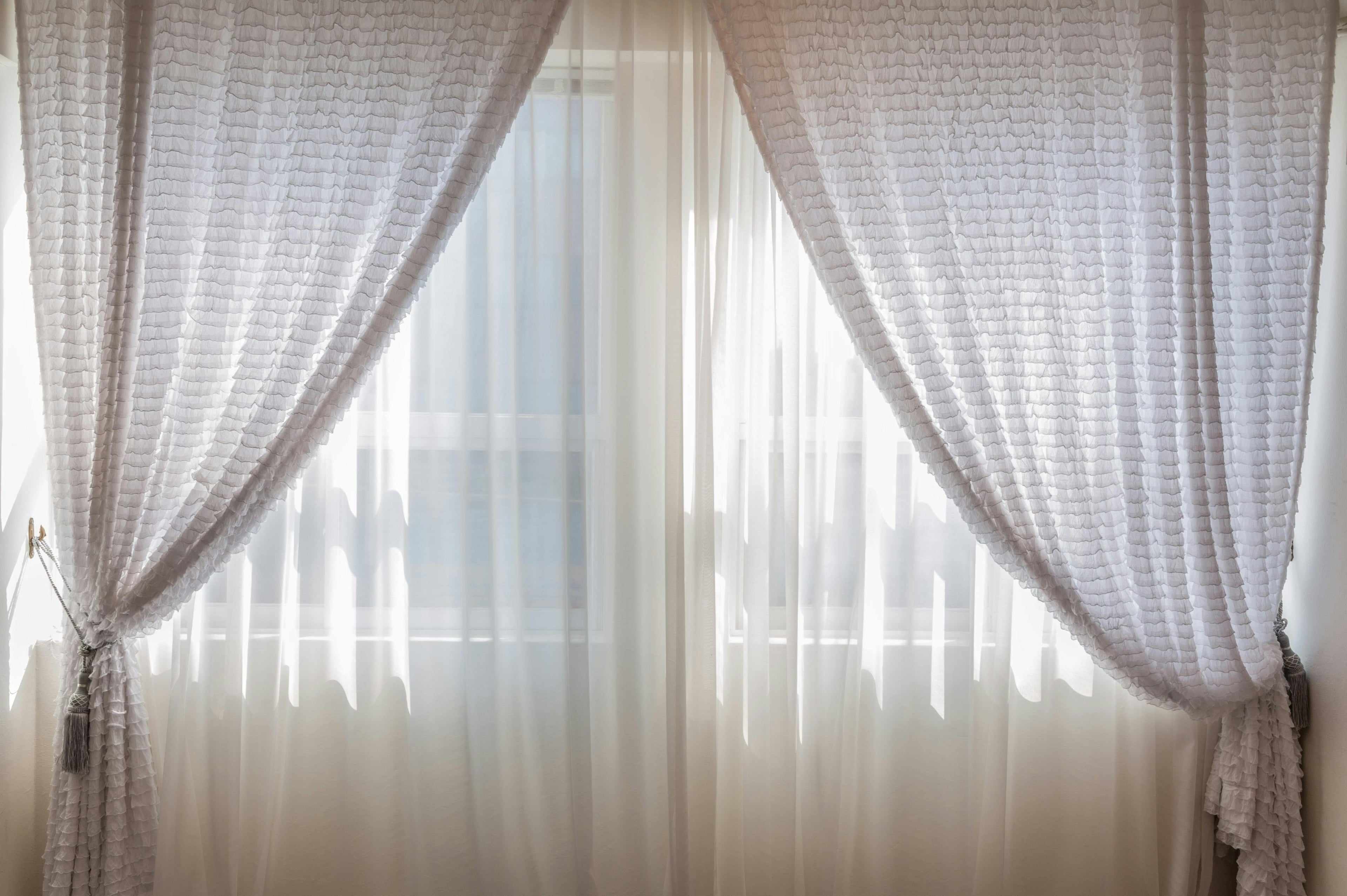
To minimize this effect, use blinds, sheer curtains, or UV-blocking films on windows. Regular rotation of the rug, as mentioned, is crucial. If slight, even fading occurs, it can sometimes be integrated into the rug's "vintage" aesthetic. To revive faded colors on a synthetic rug, some color revitalizing products exist, but they require extremely careful and even application, often best left to professionals.
Storing Your Light-Colored Rug: Best Practices for Seasonal Storage
If you need to store your light-colored rug for a season (summer for a thick winter rug), preparation is key to avoiding unpleasant surprises when you take it out.
- Thorough Cleaning is Mandatory: Never store a dirty rug. Food or organic residues will inevitably attract moths, dust mites, or mold. Perform a deep shampoo and ensure ABSOLUTE drying.
- Anti-Moth Treatment: For wool rugs, sprinkle with food-grade diatomaceous earth (natural insecticide) or place cedar balls in the packaging.
- Rolling, Not Folding: Always roll the rug, face inward (the colored side inside the roll) to protect the fibers. Never fold it, as creases could become permanent.
- Suitable Packaging: Wrap the roll in a breathable fabric (an old cotton sheet), then in kraft paper. Avoid airtight plastic (polyethylene), which promotes condensation and mold. Store the rug flat, horizontally, in a dry, cool place raised off the floor.
When and Why to Call a Professional Rug Cleaner
Despite all your efforts, certain situations warrant the intervention of an expert. A professional has industrial equipment (powerful extractors, orbital brushes), more effective and safer professional products, and unparalleled expertise.
Call a professional in these cases: for a high-value rug (antique, oriental); after water damage; if the rug still smells bad after your treatments; for old, ingrained stains of unknown origin; for a complete spring cleaning guaranteeing perfect drying; or if the rug has not been cleaned for years. A good professional will provide a quote, identify the fibers and risks, and often use the most suitable water cleaning method ("immersion" or "injection-extraction rinsing"). It is an investment that can give decades of life back to your light-colored rug.
FAQ: Most Frequently Asked Questions About Cleaning Light-Colored Rugs
How can I revive the whiteness of a light-colored or white rug that has yellowed over time?
Yellowing can come from fiber oxidation, light, or especially alkaline soap residue. For a washable synthetic rug, a soak with washing soda crystals can be effective. For others, a light spray of a mixture of hydrogen peroxide (10 volume, 1 part) and water (2 parts), followed by indirect exposure to daylight (a powerful natural bleaching agent), can yield results. Lemon juice has a similar effect but is more acidic. Always test in a corner first.
Can white vinegar be used on all light-colored rugs? Does it disinfect?
White vinegar, an excellent stain remover, deodorizer, and fabric softener, is generally safe in low doses and well-diluted (not pure). However, on silk, viscose, or delicate plant fiber rugs, it is best to avoid it or test it rigorously. For wool, a strong dilution (1/4 vinegar to 3/4 water) is recommended. Vinegar has mild antibacterial and antifungal properties, but it is not a hospital-grade disinfectant. For deep disinfection (after a pet accident, for example), specific enzymatic products or very high-temperature steam (>100°C) are necessary.
How often should I do a deep clean (shampoo or professional) of my light-colored rug?
A professional cleaning or a complete home shampoo is recommended every 12 to 18 months for a household without children or pets, with rigorous regular maintenance. In the presence of pets, young children, or if the rug is in a very high-traffic area (entryway, living room), this frequency can increase to every 6-12 months. A light-colored rug in an entryway, capturing all outdoor dirt, will require more frequent care than one in a rarely used bedroom.
How can I permanently combat stubborn odors (pet, tobacco, musty) on a light-colored rug?
Odors come from molecules embedded in the fibers. After treating the visible stain, generously sprinkle with baking soda. Let it sit for 24 hours for stubborn odors, then vacuum. For a boost, use "activated" baking soda (spread on a baking sheet, heated at 120°C for 1 hour, then cooled). Steam cleaners with an enzymatic solution are the most effective, as enzymes "digest" the organic sources of odors (urine, grease). As a last resort, a professional ozone generator (to be used with caution and in the absence of people/pets) chemically eliminates odors.
My light-colored rug has molded due to slow drying, what should I do? Is it ruined?
Unfortunately, mold is often permanent on rugs, as it attacks the fibers and backing deeply, and spores are difficult to eradicate completely. You can attempt a rescue if the mold is very superficial: gently brush outdoors to remove spores, then apply a mixture of water and white vinegar, or 70% alcohol, with a sponge. But black or green spots and the characteristic odor usually persist. In this case, immediate consultation with a professional is necessary. Often, for health reasons (allergies, respiratory issues), replacement is the only truly sanitary solution.
Conclusion: The Art of Preserving the Purity and Longevity of Your Light-Colored Rug
Cleaning a light-colored rug is a process that combines vigilance, speed, and a detailed knowledge of materials. It is a dialogue between prevention and action. By integrating regular and preventive maintenance into your routine, reacting immediately to accidents with the right techniques (blotting, not rubbing!), and choosing deep cleaning methods suited to the fiber, you will significantly extend the life and beauty of your decorative piece. A well-maintained light-colored rug is not a constraint, but a lasting source of light, softness, and harmony in your home. The investment in time, care, and sometimes professional services is amply rewarded by the calming, elegant, and healthy ambiance it brings to a room, day after day.
To discover more inspiration and expert advice for arranging, decorating, and maintaining every corner of your home with style and serenity, explore the other comprehensive guides available on ombreinterieur.fr. From selecting the perfect rug to current decor trends, including the care of all your textiles, our blog is your ultimate resource for creating and preserving an interior that reflects you, where light and clarity have their place. Fall for Light Grey Linen Voile, a real plus for your interior. Our guide how to clean a linen storage box without damaging it helps you make the right choice. Browse our online store to see all our collections.
