















How to Clean a Diatomite Rug: Complete Guide
The diatomite mat, or diatomite bath mat, has become a staple in modern bathrooms and wellness-focused interiors. Renowned for its exceptional absorbent properties, soft and dry feel, and natural, minimalist aesthetic, it is increasingly popular. However, its maintenance raises many questions. Unlike a classic bath mat, this natural material derived from fossilized microscopic algae requires specific care to preserve its qualities and lifespan. Cleaning a diatomite mat correctly is not complicated, but it does require knowing the right techniques and avoiding common mistakes that could damage it. In this article, we will explore all methods in detail, from daily cleaning to deep maintenance, so that your mat remains a decorative and functional asset for many years.
Understanding Diatomite: A Natural Material with Unique Properties
Before diving into cleaning, it is essential to understand what diatomite is. This sedimentary siliceous rock is formed from the fossilized skeletons of diatoms, a type of micro-algae. This origin gives it an extremely absorbent and lightweight microporous structure.
This porosity is both its strength and weakness when it comes to maintenance. It allows the mat to absorb moisture in seconds, but it can also retain liquid spills (such as shampoo or shower gel) and be sensitive to prolonged immersion in water. Inappropriate cleaning can clog these pores, irreversibly reducing its absorbent efficiency.
Daily Cleaning: Simple Steps for Perfect Hygiene
The key to keeping a diatomite mat in perfect condition lies in regular, simple maintenance. Contrary to popular belief, it does not require frequent washing with water.
After each shower or bath, one simple step is enough. Leave the mat flat on a dry surface, ideally outside the shower enclosure so it is in a well-ventilated environment. Its absorbent power does the rest, evaporating moisture quickly. To speed up the process, you can lean it against a wall.
Removing Marks and Splashes
Sometimes product splashes (toothpaste, liquid soap, cream) land on the mat. In this case, act quickly with a slightly damp microfiber cloth. Gently rub the affected area.
Avoid abrasive sponges or harsh chemicals like bleach or strong detergents at all costs. They could degrade the mat's natural surface. For stubborn stains, a slightly damp magic eraser (melamine) can work wonders on dark marks without damaging the material.
Deep Cleaning: When and How to Proceed
Even with meticulous daily care, a deeper clean is necessary every 1 to 3 months, depending on usage and water hardness. Hard water leaves white deposits that can clog the porous surface.
The safest and most recommended method by manufacturers is light sanding. Yes, you read that correctly: sanding. This step regenerates the surface by removing the thin layer of embedded dirt and limescale.
Necessary Materials for Successful Sanding
- Fine-grit sandpaper (between 180 and 400). Grit 240 is an excellent compromise.
- A slightly damp sponge or microfiber cloth.
- Clean water.
Detailed Sanding Steps
Start by wiping the damp sponge over the entire surface of the mat for a rough clean. Then, gently sand the surface using circular or linear motions, applying light, even pressure.
The goal is not to sand down the mat, but to smooth it and reveal a clean layer. You will see a white powder (a mixture of diatomite and limescale) appear. Once the entire surface is treated, rinse the mat thoroughly with clean water to remove all dust.
The final step is crucial: drying. Wipe off excess water with an absorbent cloth, then place the mat upright or flat in a well-ventilated area, away from direct sunlight. Complete drying can take 24 to 48 hours. Only reuse it when it is perfectly dry to the touch.
Mistakes to Absolutely Avoid to Preserve Your Mat
The longevity of a diatomite mat largely depends on what you do not put it through. Here are the main pitfalls to avoid.
First, never put it in the washing machine. Wash cycles, even gentle ones, involve prolonged immersion, harsh spinning, and detergents. Diatomite, being porous, will become saturated with water and product, which risks cracking it during the spin cycle and permanently destroying its absorbent properties.
Second, avoid the dishwasher. Intense heat, powerful water jets, and aggressive rinse aids are the sworn enemies of this natural material. The result would be catastrophic.
Third, avoid corrosive cleaning products. Acids (vinegar, strong descaling products), solvents, or powerful abrasives will dissolve or clog the porous structure. Always prioritize clean water and light sanding.
Finally, do not leave the mat constantly in a humid environment. Even though it dries quickly, permanent exposure to moisture (like leaving it permanently on the shower floor) can, over time, promote the growth of deep mold or weaken it.
Adapting Maintenance to Your Mat's Color and Finish
Diatomite mats are now available in several colors (gray, black, blue, pink, etc.) and with different surface finishes (smooth, patterned). Basic maintenance remains the same, but some nuances exist.
For colored mats, manufacturers often use natural mineral pigments. Sanding may, on some models, slightly lighten the color on the most used areas, which is part of the natural aging process and gives it a unique character. To limit this, you can sand even more gently.
Mats with raised patterns require a bit more attention during sanding. You must ensure the sandpaper reaches into the grooves to remove all deposits. You can use a folded piece of sandpaper to access the corners.
Solutions for Common Problems: Stains, Odors, Mold
Even with the best care, problems can arise. Here is how to solve them effectively.
Dealing with Stubborn Stains
For a rust or fruit stain, make a paste with baking soda and a little water. Apply it to the stain, let it sit for 15 minutes, then gently rub with a soft toothbrush before rinsing and drying. Always test on an inconspicuous area first.
Eliminating Bad Odors
If your mat develops a musty smell, it is often a sign that it has not dried completely between uses or that a soap film is embedded. A full sanding followed by perfect drying in the open air is usually enough to solve the problem. You can also sprinkle baking soda on its surface, let it sit for an hour, then brush and rinse well.
Preventing and Treating Mold
Mold (black or green spots) appears if the mat remains constantly damp. For prevention, always ensure optimal drying. If marks are visible, mix one part water with one part 70% rubbing alcohol or hydrogen peroxide. Apply to the area with a cloth, rub gently, then rinse and dry immediately and thoroughly. These solutions are less aggressive than bleach.
Maximizing Lifespan: Daily Usage Tips
Beyond cleaning, certain habits help keep your mat looking like new for longer.
- Rotation: If you have two, alternate them to allow each one time to dry and fully "rest."
- Non-slip base: Always use the mat on its provided non-slip base. This improves safety and allows better air circulation underneath, promoting drying.
- Drying feet: When getting out of the bath, get into the habit of lightly drying your feet on the edge of the tub or with a towel before stepping onto the mat. This significantly reduces the amount of water and soap residue transferred.
- Storage: If you are away for a long time or redecorating, store the mat perfectly dry, flat, in a dry place away from dust.
Current Trends: The Diatomite Mat, More Than Just a Bath Mat
The popularity of diatomite has exploded in recent years, and its use is diversifying. It is no longer found only in the bathroom. Its Japanese-inspired, mineral, and zen style makes it a decorative accessory in its own right.
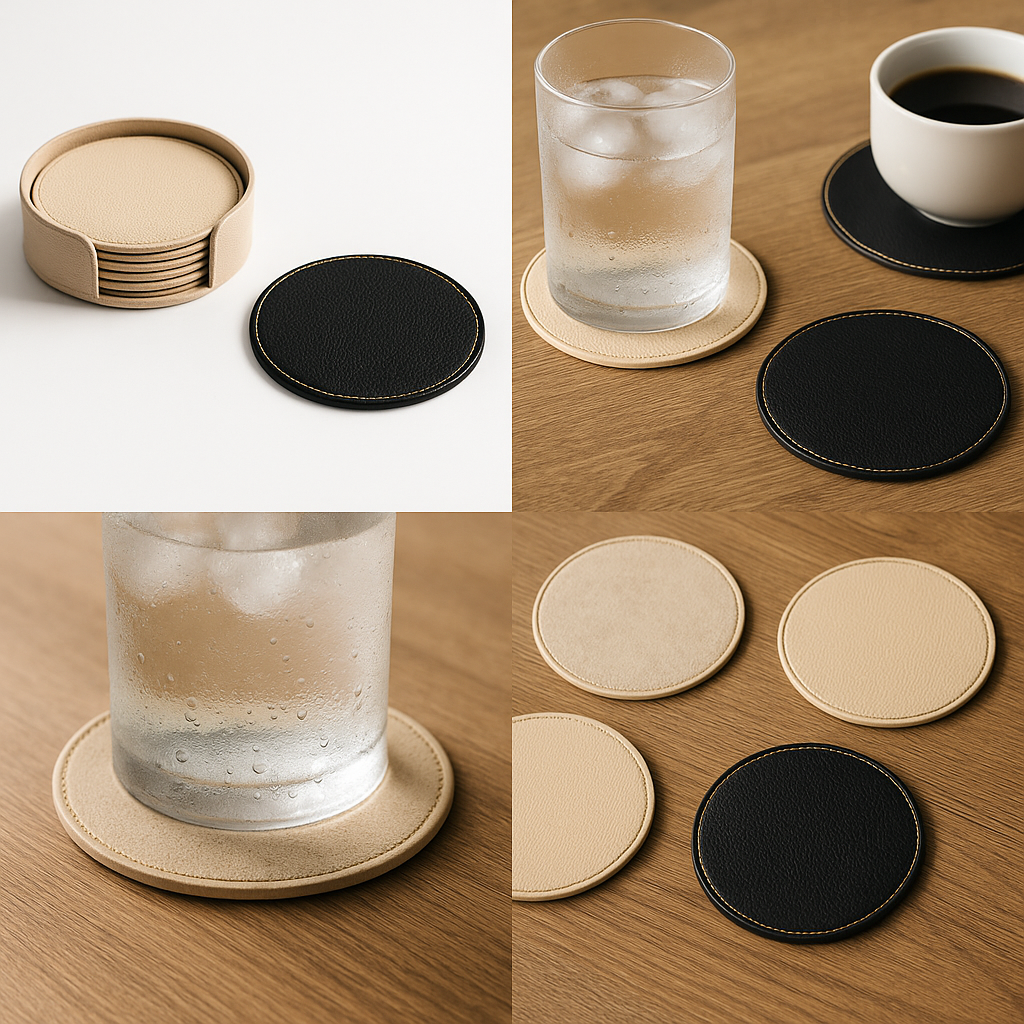
Current trends see the emergence of larger formats for placing in front of a kitchen sink (ideal against splashes), small slabs as natural and absorbent trivets, or original shapes (hexagonal, oval). Finishes are also becoming more elaborate, with inlaid geometric patterns or contrasting borders.
In an interior decoration focused on natural materials (cork, terracotta, raw wood, linen), the diatomite mat integrates perfectly. It brings a touch of texture and a smart functionality that appeals to fans of practical and aesthetic decor.
FAQ: Your Questions on Diatomite Mat Maintenance
My mat has become less absorbent. What should I do?
This is a sign that its pores are clogged with limescale or soap film. A light sanding as described above is the solution. This will remove the thin, dirty surface layer and reveal a new, porous, and absorbent surface. It is a normal regeneration process.
Can I use white vinegar to descale it?
It is strongly advised against using pure white vinegar or similar acidic products. The acetic acid in vinegar can attack the siliceous structure of diatomite over time, making it brittle. Clean water and sanding are the safest and most effective methods against limescale.
How long does a diatomite mat last with good care?
With proper maintenance (systematic drying, regular sanding), a good quality diatomite mat can last 3 to 5 years, or even longer. Its degradation is gradual: it will simply become slightly less absorbent over time, until replacement is considered.
Does sanding damage it over time?
Sanding, when done correctly with fine grit and without pressing hard, does not damage the mat. It maintains it. A diatomite mat has a certain thickness (usually around 1 cm) that allows for several sanding cycles over many years. You will slowly consume the material, but this is the intended process to keep it performing well.
Can I customize or paint it?
It is not recommended to paint a diatomite mat. Paint will seal its pores, nullifying its absorbent power, and it will not adhere properly to the porous surface. For a personalized effect, look to the many colored and patterned models already available on the market.
Conclusion: The Perfect Blend of Aesthetics and Practicality
Cleaning a diatomite mat is ultimately a matter of logic and gentleness. By understanding the porous nature of this extraordinary material, you easily adopt the right reflexes: systematic drying, regular dusting, and occasional sanding. These simple but essential gestures preserve its rapid absorption qualities, pleasant feel, and beautiful mineral appearance.
Well-maintained, this mat is much more than a bathroom accessory; it is an investment in a healthy home, where humidity is controlled, and in a calming decoration with natural accents. It perfectly embodies the current trend of combining design, functionality, and authentic materials. By taking care of it, you not only extend its lifespan but also cultivate an art of living where every detail matters.
To discover how to integrate this material and other natural elements into your home, explore the many inspirations and practical guides available on Ombre Intérieur. From the bathroom to the living room, let yourself be guided towards a more harmonious and personal living space. Among our favorites, find the 100% Absorbent Bohemian Cotton Fringe Mat for Living Room and Kitchen. For more tips, discover how to place a hallway rug in the bathroom on the blog. Explore our entire decor universe at Ombre Intérieur.
