
















How to Clean a Tufted Rug: Complete Guide
The tufted rug, with its plush texture and captivating patterns, is a centerpiece in many interiors. Whether it's a high-end wool model or a more accessible piece made of synthetic fibers, it brings warmth, comfort, and style. However, this welcoming surface is also a magnet for dust, stains, and allergens. Improper cleaning can quickly damage its fibers, distort its structure, or alter its colors. Knowing how to clean a tufted rug correctly is not just about aesthetics; it's an essential step to preserve your investment, sanitize your environment, and extend its lifespan by several years. This article guides you step by step, from routine maintenance to deep cleaning techniques, so your rug remains an impeccable decorative asset.
Understanding the unique structure of a tufted rug
Before starting any cleaning, it is crucial to understand what sets a tufted rug apart. Unlike woven or hand-knotted rugs, the tufting process involves injecting loops of yarn (the velvet) through a primary backing (the base fabric) using a needle. This backing is then reinforced with a second layer, often made of latex or PVC, to hold the fibers in place. This layered structure makes it generally more affordable and faster to produce, but also potentially more sensitive to excessive moisture, which could dissolve the adhesive.
The fibers used vary greatly and largely dictate the cleaning method. You'll find tufted rugs in natural wool, known for its durability and noble appearance, but which can shrink upon contact with excessive heat or agitation. Synthetic fibers like nylon, polypropylene, or polyester are very common for their robustness, stain resistance, and competitive price. Finally, blends like wool and silk or sisal and cotton exist, each requiring special attention.
Daily and weekly maintenance: the key to longevity
The best strategy for cleaning a tufted rug effectively is to intervene before dirt becomes embedded. Regular maintenance significantly reduces the frequency of deep, aggressive cleanings.
Vacuuming, the number one step
Vacuuming at least once a week, and twice in high-traffic areas, is essential. Use an attachment suitable for carpets, without rotating brushes if your rug has long or delicate fibers that could get tangled. Vacuum slowly in both directions (lengthwise and widthwise) to dislodge deep-seated dust. Don't forget the edges and corners.
Strategic rotation and protection
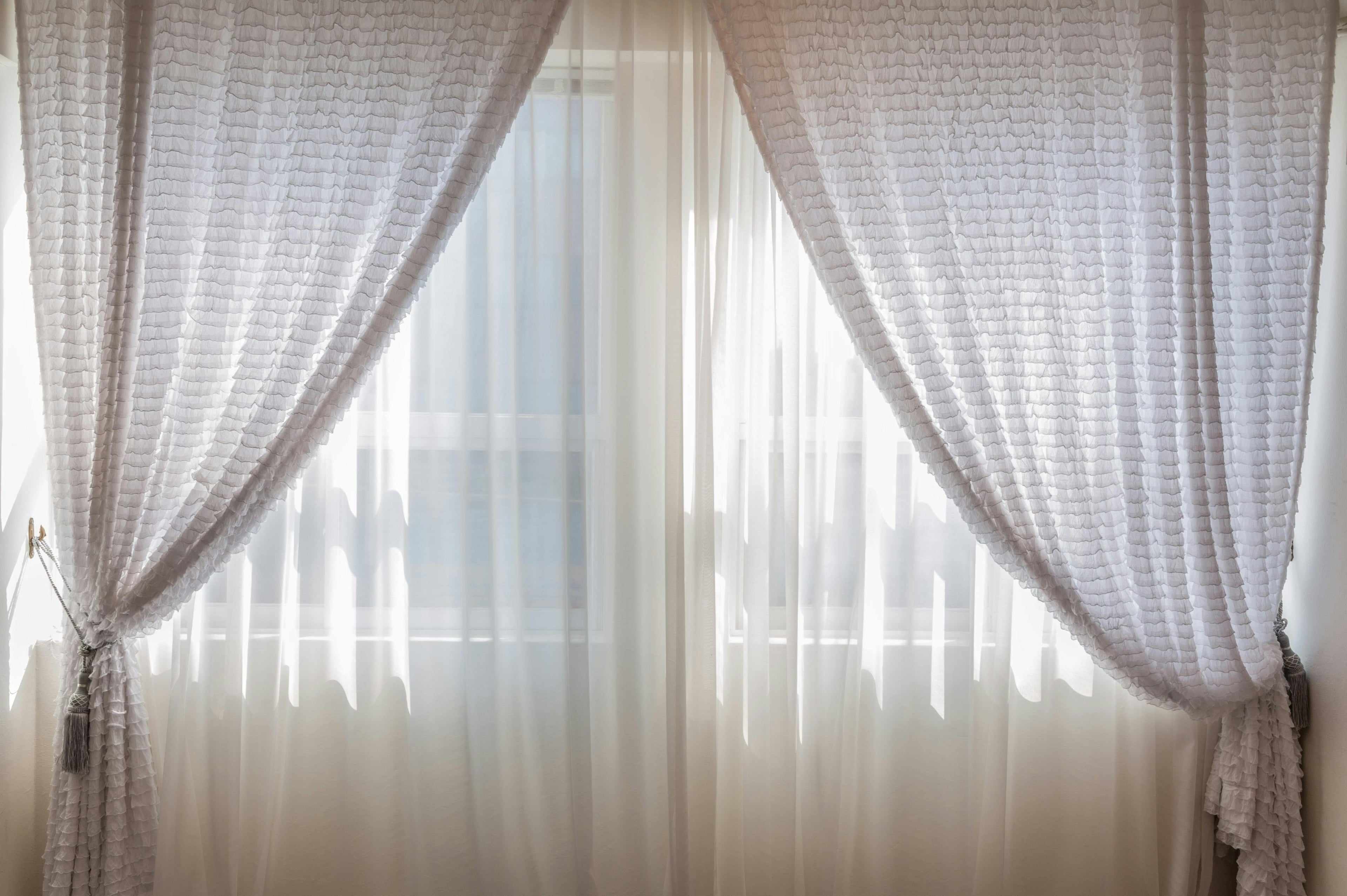
To prevent uneven wear, consider rotating your tufted rug every 6 to 12 months. Place doormats at entrances to capture a large portion of dirt before it reaches the rug. During periods of strong sunlight, use blinds or curtains to protect vibrant colors from premature fading.
The anti-stain protocol: act fast and well
Despite all precautions, accidents happen quickly. The golden rule is to react immediately. The longer a stain dries, the harder it will be to remove.
Always start by blotting (never rubbing) the excess liquid with a clean, absorbent white cloth. Rubbing would push the substance deeper into the fibers. Then, apply a mild cleaner from the center of the stain outward to avoid spreading it. Always test any cleaning product on an inconspicuous area of the rug (a corner, under furniture) beforehand to check colorfastness and fiber reaction.
Homemade solution recipes for common stains
- Red wine, coffee, tea: Mix one tablespoon of mild dish soap with one tablespoon of white vinegar in two cups of warm water. Apply, let sit for a few minutes, blot, and rinse with clear water.
- Grease stains (butter, oil): Sprinkle with cornstarch or talc, let absorb for several hours, then vacuum thoroughly.
- Blood: Clean with cold water only (hot water sets proteins). You can add a little salt.
Dry cleaning: a gentle and effective method
For a more thorough cleaning without soaking the rug, the dry method is excellent, especially for delicate fibers like wool or silk. It uses absorbent powders or foams that capture dirt.
Apply a specific dry cleaning product for rugs evenly over the surface. Let it sit for the time indicated by the manufacturer, often until it is completely dry and powdery. The dirt is then encapsulated in the crystals or foam. A vigorous and thorough vacuuming removes everything. This technique limits the risks of shrinkage, deformation, and mold growth, as it uses no water.
Wet cleaning (shampooer): for a deep treatment
When the tufted rug is generally soiled, steam cleaning or using a carpet shampooer is the most radical solution. You can rent a machine or hire a professional. The goal is to inject a mixture of water and detergent into the fibers, then immediately extract it along with the dirt.
Prepare the room by moving furniture. Vacuum the rug extremely thoroughly. Follow the machine and product instructions scrupulously. The key to success lies in extraction: you must move the extraction vacuum slowly enough to recover the water well. A rug that is too wet will take days to dry, with risks of mold and deterioration of the latex backing.
Cleaning a wool tufted rug: reinforced precautions
Wool is a living natural fiber that requires special care. It is sensitive to pH variations, intense heat, and harsh mechanical agitation. Absolutely avoid aggressive alkaline products (like bleach or strong ammonia) and opt for pH-neutral cleaners specifically formulated for wool.
During wet cleaning, use lukewarm water, never hot, and ensure rapid and complete drying by airing out the room. Shrinkage (felting) is the main risk with wool; it occurs with a combination of heat, agitation, and sudden temperature changes.
Cleaning a synthetic tufted rug: robust but vigilant
Fibers like nylon or polypropylene are very resistant to stains and wear, making cleaning easier. However, they can be sensitive to excessive heat (risk of fiber melting) and certain chemical solvents. Solvent-based or alcohol-based cleaners should be avoided on polypropylene, for example.
The advantage of synthetics is that they generally dry faster than natural fibers. Still, remain vigilant about water extraction to avoid leaving residual moisture under the rug.
Drying: a critical step not to be overlooked
Poor drying can ruin all your cleaning efforts. After any wet treatment, even localized, it is imperative to dry the tufted rug as quickly as possible.
- Blot excess moisture with clean towels.
- Air out the room by creating drafts. Use a fan or dehumidifier to speed up the process.
- Lift the rug if possible, or at least its corners, to allow air to circulate underneath. Place shims under furniture legs if you need to put them back.
- Do not walk on the rug until it is completely dry to the touch and all the way through.
When and why to call a professional?
Certain situations warrant the intervention of a tufted rug cleaning expert. Call a professional if your rug is very old, of high value (antique or designer), has old and embedded stains, or if you suspect the presence of mold.
Professionals have more powerful industrial equipment, specific products, and the know-how to treat all types of fibers and stains. They can also offer complementary treatments like applying a stain repellent.
FAQ: Answers to the most common questions
Can I use white vinegar to clean a tufted rug?
Yes, diluted white vinegar (one part vinegar to three parts water) is an excellent natural cleaner and deodorizer for tufted rugs, especially on organic stains or to neutralize odors. However, always test it first on a hidden area, particularly on natural fibers like silk or wool, as its acidity could, in rare cases, affect dyes.
How to remove urine odor from a tufted rug?
Urine requires an enzymatic treatment. After blotting the excess, apply a specific enzymatic cleaner for pet urine. These products contain bacteria that "digest" urine crystals and eliminate the odor at the source. Avoid ammonia-based products, whose smell resembles urine and could encourage the animal to repeat the action in the same spot.
Should I brush a tufted rug during cleaning?
You need to be very careful. A soft brush can help loosen superficial dirt before vacuuming. However, vigorously rubbing a fresh stain or using a hard brush can damage the structure of the loops (tufts), permanently deform them, and push dirt from the bottom to the surface. Always prefer blotting.
How often should I deep clean my rug?
The frequency depends on usage. For a rug in a low-traffic room, a deep clean every 18 to 24 months may suffice. In a family living room with children and pets, or in an entryway, an annual schedule is recommended. Weekly vacuuming directly influences this frequency.
How to revive the colors of a tufted rug that has faded?
Professional cleaning is often the most effective way to restore color vibrancy. In routine maintenance, careful vacuuming removes dust that darkens tones. For synthetic fibers, certain specific rinse products (used with a shampooer) contain brightening agents. For wool rugs, pH-adapted rinse lotions help tighten the fiber scales and restore their natural luminosity.
Conclusion: A clean rug, a healthy and aesthetic interior
Cleaning a tufted rug properly is a time investment that pays off in the long run. Beyond the visual aspect, a well-maintained rug contributes to healthier indoor air by limiting dust mites, dust, and allergens. By mastering routine maintenance, stain treatment, and periodic cleaning techniques, you preserve not only the beauty and texture of your rug but also its value and central place in your decor. Each fiber has its story and needs; by responding to them with care, you guarantee years of comfort and elegance under your feet. To discover how to best integrate your tufted rug into your decorative world and receive more care tips for your home textiles, explore the resources and inspirations available on ombreinterieur.fr without delay. Discover the product Non-Slip PVC Cartoon Sand Scraper Easy-Clean Entry Rug to finalize your decor. Before choosing, browse how to choose a hallway rug for the balcony in a bohemian style. Find our entire decor universe on Ombre Interieur.
```