



















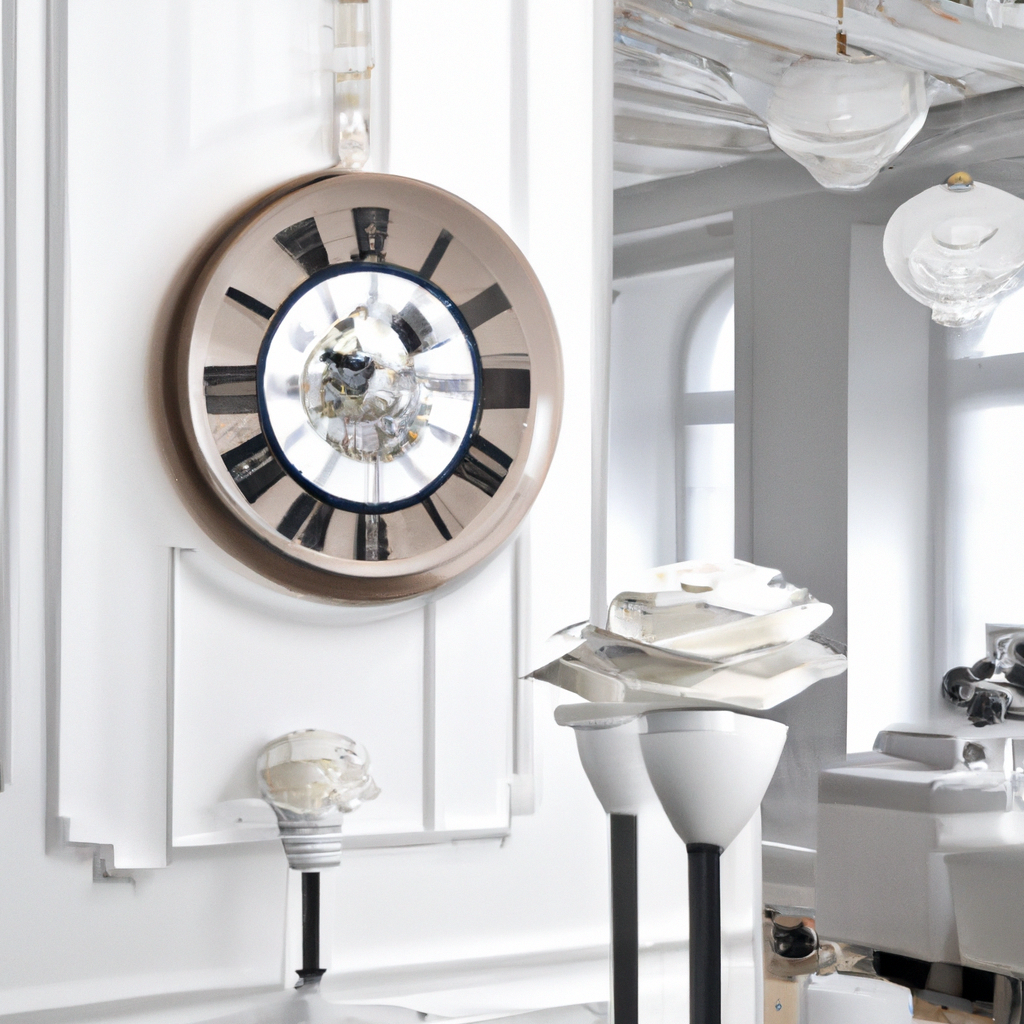
How do I clean the glass clock without damaging it?
Each glass clock tells time with a fragile elegance, yet its care demands a particular delicacy to preserve both its transparency and the integrity of its mechanism. You wish to maintain the luminous clarity of this timekeeper without risking scratches or moisture damage? Allow yourself to be guided by precise gestures and gentle solutions that honour the material. From dust to stubborn marks, learn the right reflexes so your clock continues to shine, intact and faithful, as the hours pass.
Do you own a magnificent glass clock and want to clean it without risking damage? This comprehensive guide provides professional techniques, recommended products, and essential precautions for perfectly maintaining your precious timepiece. Discover our proven methods to preserve the brilliance and transparency of your glass clock while protecting its delicate mechanism.
Understanding the Fragility of Glass Clocks: Essential Precautions
Before you begin cleaning your glass clock, it's crucial to understand its structure and unique characteristics. Glass clocks are not just simple decorative objects, but delicate timepieces combining several sensitive materials.
The glass used in clocks can vary considerably: tempered glass, crystal, blown glass, or even frosted glass. Each type requires specific care to prevent scratches, cracks, or opacification.
Major points of vigilance:
- The internal mechanism must be protected from all humidity
- The joints between the glass parts are often fragile
- Applied decorations and numbers can detach with certain products
- Excessive pressure can break or crack the glass
Before any intervention, carefully examine your clock for any cracks or weakened areas that might require special attention.
Recommended Equipment and Products for Optimal Cleaning
To effectively clean your glass clock without risking damage, equip yourself with the right tools and products. Always prioritize gentle, non-abrasive solutions that will preserve the integrity of your timepiece.
Essential equipment:
- Lint-free microfiber cloths (ideal for preventing scratches)
- Soft-bristle brush for hard-to-reach areas
- Cotton gloves to avoid fingerprints
- Spray bottle for applying cleaning solutions
Recommended products:
- Solution of lukewarm water and mild, pH-neutral soap
- Ammonia-free glass cleaner
- Diluted white vinegar (1 part vinegar to 4 parts water)
- 70% isopropyl alcohol for stubborn stains
Absolutely avoid products containing ammonia, abrasives, or strong solvents that could damage the glass or attack the joints and decorations of your clock.
Step-by-Step Cleaning Techniques for Different Types of Clocks
The cleaning process varies depending on the type of glass clock you own. Here is a general method adaptable to most models, with specific details for particular cases.
For a glass wall clock
Step 1: Gently remove the clock from the wall and place it on a flat surface covered with a soft cloth.
Step 2: Remove the batteries or unplug the clock if it is electric. If possible, remove the mechanism to protect it.
Step 3: Dust the entire clock with a soft brush or a dry microfiber cloth.
Step 4: Lightly spray your cleaning solution onto a cloth (never directly onto the clock) and clean the glass with gentle circular motions.
Step 5: For stubborn stains, use a cotton swab lightly soaked in isopropyl alcohol.
Step 6: Dry immediately with a clean, dry microfiber cloth to prevent water marks.
For a table clock under a glass dome
These models require particular attention because the dome must be handled with care:
Step 1: Gently lift the dome by holding it by its edges.
Step 2: Clean the mechanism and the glass dome separately.
Step 3: For the dome, use an ammonia-free glass cleaner applied to a soft cloth.
Step 4: Dry thoroughly before replacing the dome on its base.
Natural and Eco-Friendly Solutions for Maintaining Your Clock
Natural solutions offer an effective and environmentally friendly alternative for cleaning your glass clock. These gentle methods not only preserve your precious timepiece but also your health by avoiding harsh chemicals.
White vinegar, an essential ally
Diluted white vinegar (1 volume of vinegar to 4 volumes of water) is a remarkable solution for making glass shine without leaving streaks. Its natural acidity effectively dissolves limescale deposits and fingerprints.
Baking soda for stubborn stains
For very dirty areas, create a light paste with baking soda and a little water. Apply gently to stains with a soft cloth, then rinse with a slightly damp cloth and dry immediately.
Olive oil for wooden parts
If your clock combines glass and wood, a few drops of olive oil on a soft cloth will revive the wooden parts after cleaning the glass.
Regular Maintenance and Damage Prevention
Regular maintenance is key to preserving the brilliance and transparency of your glass clock while extending its lifespan. Adopt these preventive habits to minimize in-depth cleaning interventions.
Recommended maintenance frequency:
- Weekly dusting with a duster or microfiber cloth
- Monthly light cleaning with a slightly damp cloth
- Quarterly thorough cleaning using the techniques detailed previously
Essential preventive measures:
- Place your clock away from heat sources that could weaken the glass
- Avoid direct exposure to sunlight, which can fade decorative elements
- Keep your clock away from damp areas like the kitchen or bathroom
- Always handle the clock by its frame or stand, never by the glass parts
Special Cases: Antique Clocks and Collectibles
Antique or collectible glass clocks require additional precautions. Their historical and financial value justifies an even more meticulous approach.
For these precious pieces, consider these specific recommendations:
- Consult a specialized watchmaker before any intervention on a valuable piece
- Only use products specifically formulated for antiques
- Always test products on a small, inconspicuous area
- Document the condition of the clock before and after cleaning with photos
- For very old pieces (pre-1920), consider using a professional restorer
Antique glass can have particular characteristics such as slight ripples, air bubbles, or imperfections that are part of its charm and authenticity. Be careful not to try to correct these particularities during cleaning.
Conclusion: Preserving the Timeless Beauty of Your Clock
Properly maintaining your glass clock will allow you to enjoy its beauty and functionality for many years. The gentle and respectful techniques presented in this guide will help you preserve the brilliance and transparency of the glass while protecting the delicate mechanism that brings your timepiece to life.
Remember that patience and delicacy are your best allies when cleaning a glass clock. Take your time, use the right products and tools, and your clock will thank you by continuing to embellish your interior while faithfully marking the passage of time.
With these regular maintenance tips and appropriate cleaning techniques, your glass clock will remain an elegant and functional decorative element that will stand the test of time without losing its charm.
Share
