













Tips for whitening curtains naturally and effectively
Light is the soul of a room, and your sheers are its first interpreters. Yet time, dust and pollution gradually dull their brilliance, casting a shadow over your interior. There is no need for harsh products: natural solutions can restore life to these delicate fabrics. This guide helps you understand why yellowing occurs and choose the method best suited to your fibres. You will then know how to preserve their whiteness over time, ensuring a décor that remains luminous and inviting.
Sheer curtains, those light and airy fabrics that dress our windows, are the discreet guardians of our privacy while letting in light. However, over time, they tend to lose their original luster, yellowing or graying due to dust, pollution, smoke, or simply repeated exposure to the sun. Nothing is more frustrating than dull sheers that darken a room instead of beautifying it. Fortunately, restoring the immaculate whiteness to these delicate textiles is often within reach, without always requiring harsh chemicals. This article is your ultimate guide, detailing all the tips for whitening sheer curtains, from the gentlest traditional methods to more robust solutions for stubborn cases. We will also explore how to maintain this whiteness long-term, choose the right products, and integrate these renovated sheers into a current and bright interior decor. You will discover that whitening is a gentle science that, when mastered, significantly extends the life and beauty of your textiles.
Understanding the enemy: why your sheers yellow or gray
Before embarking on whitening, it is crucial to diagnose the cause of the discoloration. An effective tip for whitening sheer curtains depends on the origin of the problem. Yellowing can come from the accumulation of nicotine (tobacco smoke), greasy cooking residues, atmospheric pollution, or fiber oxidation due to sunlight. Graying, on the other hand, is often the simple result of dust and airborne particles settling on the fabric. But there are less obvious causes.
Some modern sheers, especially polyester ones, can also undergo a phenomenon of "reductive yellowing," a chemical reaction caused by certain pollutants (like nitrogen oxides) in a confined and poorly ventilated atmosphere. Similarly, using an unsuitable detergent, overdosed or poorly rinsed, can leave residues that, when oxidized, yellow the fabric. Identifying the source will help you choose the appropriate pre-treatment and washing method, thus avoiding damage to sometimes fragile fibers and treating the symptom rather than the cause.
The crucial step of diagnosis and testing
Never underestimate this preliminary phase. It will save you from disaster and guarantees the preservation of your sheers, especially if they are old, of great sentimental value, or of unknown composition.
Fiber identification: the key to everything
The first thing to do is check the care label. If it's gone, perform a burn test on a small thread discreetly taken from a hem. A natural thread (cotton, linen) burns with a clear flame and smells like burnt paper, leaving gray, crumbly ash. A synthetic thread (polyester, nylon) melts, forms a hard bead, and smells like burnt plastic. This identification is crucial because polyester treated with bleach can be irreparably damaged.
Colorfastness and fiber resistance test
This step is non-negotiable, especially for colored, printed, or antique sheers. Moisten a discreet corner with the product you plan to use (diluted detergent, vinegar, sodium percarbonate solution). Gently rub with a white cotton swab. Let it sit for 10 minutes, then rinse and dry. If no color bleeds onto the cotton, and if the fiber doesn't seem to fray or change texture, you can proceed with confidence.
The essential preparation: a thorough dusting
Neglecting this step is mistake number one. A sheer curtain plunged directly into water with its layer of dust risks having the dirt set further, creating mud that is difficult to remove. Start by carefully removing the sheers from their rods or rings. Shake them vigorously outside, on a day with little wind, to remove as much dry dust as possible. You can also use the soft brush attachment of your vacuum cleaner, gently passing it over both sides of the fabric on a low setting.
For localized stains (fingerprints, cooking splatters, mold), a targeted pre-treatment is recommended. A paste of baking soda and water, applied to the stain and left to dry, can absorb grease. For mold stains, a light spray of pure white vinegar before washing is effective.
The arsenal of natural and gentle methods
For regular maintenance or a slight refresh, natural methods are often sufficient, economical, and preserve the planet as well as the integrity of your textiles. They are ideal for delicate fibers and households with children or pets.
The alkalizing bath: washing soda and baking soda
These miracle powders are excellent for dissolving grease, softening water, and dislodging ingrained dirt. Washing soda (sodium carbonate) is more powerful than baking soda (sodium bicarbonate). Fill a basin, sink, or bathtub with very hot water (heat activates their action). Add one cup of washing soda or two cups of baking soda. Dissolve well, then immerse the pre-moistened sheers. Soak for several hours, even overnight for mild to moderate cases. Gently rub the dirtiest areas with your hands, then rinse thoroughly with clear water, possibly with added vinegar to neutralize the alkalinity.
Sodium percarbonate: active oxygen, champion of ecological whitening
This is undoubtedly the most effective and versatile tip for whitening sheer curtains among ecological solutions. Sodium percarbonate, a white and biodegradable powder, releases active oxygen and sodium carbonate upon contact with hot water (from 40°C). It acts as a powerful but non-chlorinated whitener, stain remover, and deodorizer, safe for colored fibers (after testing) and the environment. It is particularly recommended for baby laundry, proof of its gentleness.
For optimal use: dissolve 1 to 2 tablespoons of sodium percarbonate per liter of very hot water (ideally 60-80°C) in your basin. The water must be hot to activate the reaction. Immerse the sheers pre-moistened with lukewarm water to avoid thermal shock. Let it work for 2 to 6 hours, even overnight for severe cases, gently stirring from time to time. The result is often spectacular, reviving the whiteness in depth without damaging it or leaving a chemical smell.
White vinegar and lemon: acid to finish the job
White vinegar and lemon juice are not strictly speaking whiteners, but they are indispensable allies in the process. Their acidity dissolves the last alkaline residues of detergent or washing soda, restores shine and softness to the fibers, removes limescale deposits that give a dull appearance, and naturally disinfects. Add a glass of white vinegar or the juice of two lemons to the final rinse water. No need to rinse again afterwards, the vinegar smell disappears upon drying.
Conventional methods and their best practices
For very dirty sheers, white cotton or linen that is resistant, or due to lack of time, classic machine washing methods can be considered. The key lies in the meticulous setting of the machine.
The strategic choice of detergent and additives
Prefer a liquid detergent for delicate textiles or a specific detergent for whites, preferably without overly aggressive optical brighteners. Powder detergents can sometimes dissolve poorly on fine fabrics. Avoid conventional fabric softeners which coat fibers with a chemical film and can attract dust; prefer white vinegar in the rinse. To boost the action, place one to two tablespoons of sodium percarbonate in the main detergent compartment with your detergent. This is a formidably effective tip for whitening sheer curtains in the machine.
The ideal machine program: gentleness above all
Always place the sheers in a large laundry bag or a closed pillowcase to protect them from snags and tangles. Imperatively choose a delicate program, "delicate wash" or "silk." The temperature should not exceed 30°C for synthetics and a maximum of 40°C for cotton/whites, unless otherwise indicated on the label. The spin cycle should be set to a minimum (400 rpm max) or, ideally, deactivated. A spin cycle that is too fast intensely wrinkles fine fibers and can tear them.
Bleach: a nuclear solution reserved for extreme cases
Bleach (sodium hypochlorite) is very aggressive and should be your last resort, reserved for 100% cotton or plain white linen sheers, and only if they are extremely dull or stubbornly stained (ink, red berries, deep mold). It weakens fibers in the long term, causes paradoxical yellowing on some fabrics, and is absolutely prohibited on polyester, silk, wool, spandex, or textiles with elastic.
If you must use it, dilute it enormously (one cap for 10 liters of cold water) and do not soak for more than 5 to 10 minutes. Monitor constantly. Then rinse at least three times abundantly with running clear water to remove any residue. Always remember to ventilate the room well, wear gloves and protective clothing, and never mix it with another product (vinegar, ammonia), which releases toxic fumes.
Drying and ironing: the artisans of the perfect finish
This phase is just as important as washing for a professional result. Poor drying technique can ruin all your efforts.
Avoid the traditional tumble dryer at all costs, except on a very short "cold air" or "delicate" program. Intense heat can shrink, distort, or melt synthetic fibers. The best method remains and always will be air drying, preferably in the shade to avoid any new yellowing due to UV rays. Hang them well, suspending them by their top hems on a clothesline, or better, laying them flat on a fine-mesh drying rack to avoid marks. For very wrinkle-prone sheers, hang them slightly damp and smooth them by hand along the grain.
For ironing, the ideal is to intervene when the fabric is still slightly damp. Use a generous steam iron set to the temperature suitable for the fabric (generally "synthetic" or a dot setting). For very fine sheers, you can iron them between two clean tea towels or on the reverse side to avoid shine. Ironing not only smooths; it finishes setting the cleanliness and restores impeccable drape.
Routine maintenance strategies for lasting whiteness
Whitening your sheers is one thing, but preserving this result over time requires a simple routine. Adopt these habits to space out major washes.
- Systematic weekly dusting: Vacuum your sheers with the brush attachment once a week. This is the best prevention against dust and dust mite buildup.
- Preventive maintenance wash: A gentle wash every 3 to 4 months, even with just a mild detergent and baking soda, prevents the deep accumulation of dirt and odors.
- Rotation, the professionals' secret: If possible, have two identical sets of sheers that you alternate every season. This limits continuous exposure to aggressors and allows for washing without rush.
- Active sun protection: During hours of strong sunlight, draw a blind, a blackout sheer, or a thicker curtain. UV rays are the main culprits of fiber aging, weakening, and yellowing.
- Regular room ventilation: Good ventilation limits the accumulation of moisture and domestic pollutants (cooking, heating) that soil textiles.
Special cases and tailored solutions
Not all sheers are alike. Here's how to adapt your tips for whitening sheer curtains to specific situations.
Antique or high-value sheers
For lace, antique silk muslin, or embroidered sheers, the approach must be museum-like. Avoid any prolonged soaking and any rubbing. The best treatment is a very short bath in lukewarm distilled water with grated and very well-dissolved Marseille soap. Rinse by gently dipping into several baths of clear water. Dry flat on white bath towels, reshaping the fabric. Consult a professional for the most fragile pieces.
Sheers with metallic appliqués or embroidery
Always wash them by hand, in cold water, and very quickly. Metallic threads can oxidize, bleed, or break in the machine. Dry them immediately by blotting with a towel.
Roller blinds or Japanese fabric panels
It is often impossible to detach them. Clean them in place with a foam sponge soaked in a warm solution of very diluted black soap. Gently scrub from bottom to top. Wipe with a damp sponge and then dry with a microfiber cloth. For localized whitening, apply a paste of sodium percarbonate and water to the stains, let it work for 30 minutes, then blot.
Integrating dazzling sheers into contemporary decor
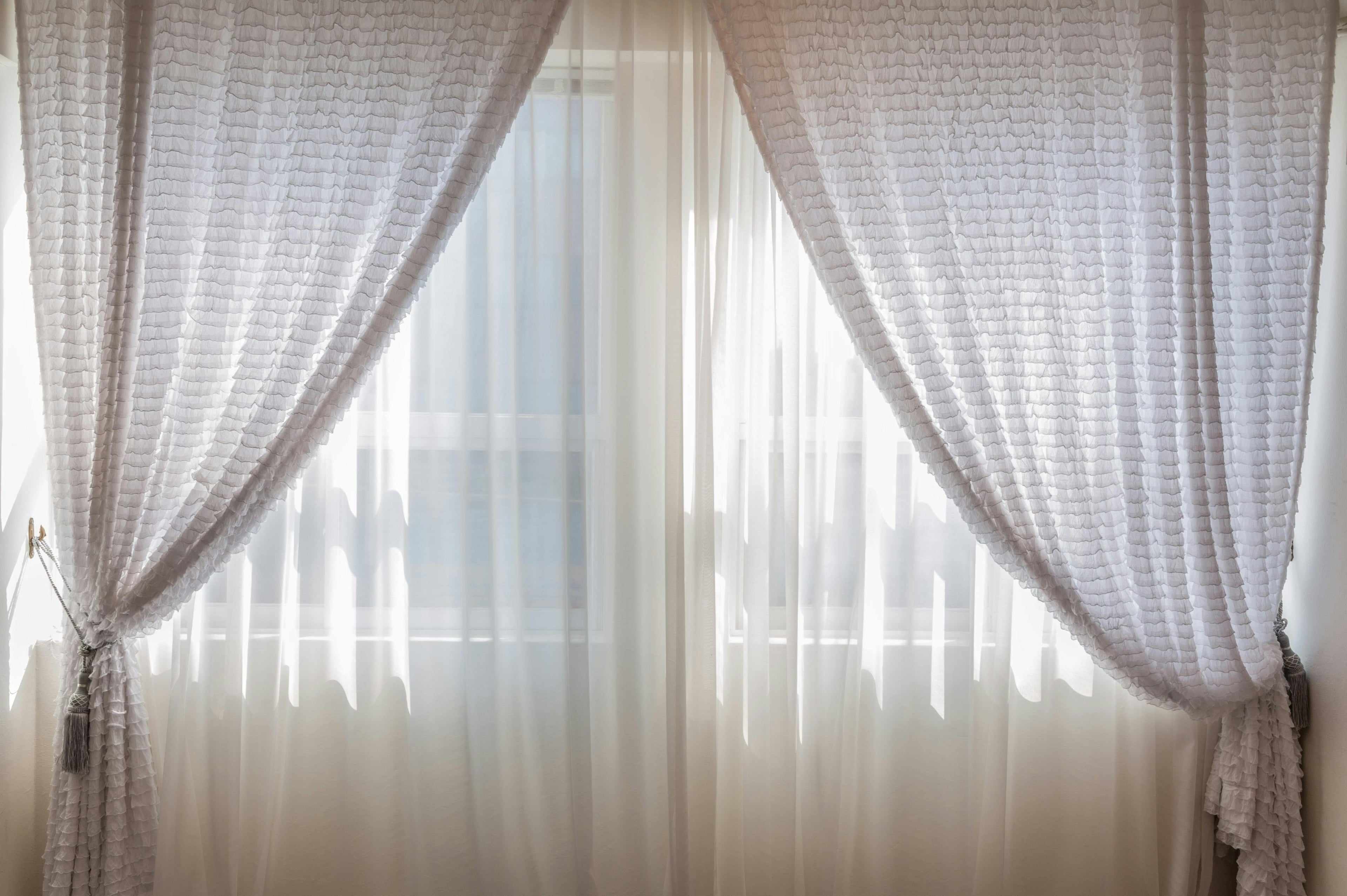
Sheers of immaculate whiteness are much more than a simple functional element; they are a major decorative asset. They act as a natural light diffuser, visually enlarge the space, and bring a touch of elegance, purity, and lightness. Current trends play on contrasts and volumes.
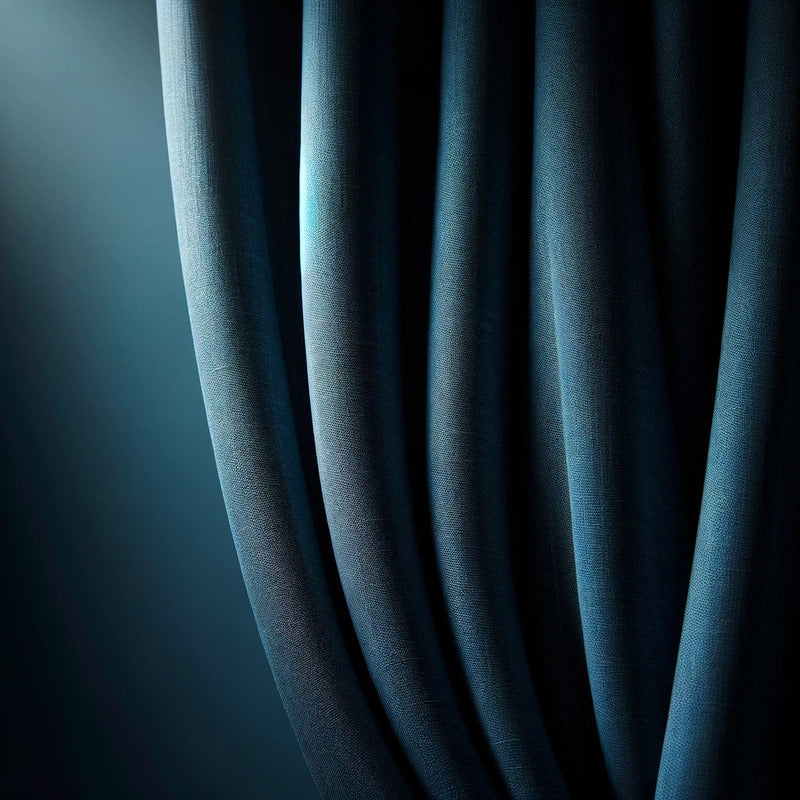
Think about pairing your crisp white sheers with heavier, textured curtains in deep, natural tones (natural linen, taupe, slate blue) for a very current play of materials and transparency. Hardware like matte black rods, brushed brass, or even natural rope adds a strong stylistic note. For a chic boho style, opt for slightly crinkled lightweight cotton sheers, whose natural whiteness highlights other materials like rattan, jute, terracotta, or an urban jungle of green plants. A perfectly maintained white sheer becomes the neutral and luminous backdrop that allows all other elements of your decor to shine.
FAQ: Exhaustive answers to your frequent questions
Can you whiten polyester sheers without damaging them?
Absolutely. Polyester generally tolerates sodium percarbonate very well, which is the best tip for whitening sheer curtains made of synthetics. Avoid bleach, however (risk of yellowing and weakening), and washing temperatures that are too high (prefer 30°C). A detergent for synthetics is recommended. Polyester also dries very quickly, which is an advantage.
How to remove stubborn black mold stains on bathroom sheers?
Mold requires fungicidal action and quick treatment. Before any washing, gently brush off excess spores outside. Pre-treat the stains with an equal parts mixture of water and pure white vinegar, or with a thick paste of sodium percarbonate and hot water. Let it work for 1 hour. Then wash in the machine at the highest temperature allowed by the fabric (60°C if possible) with a disinfectant detergent or one with added sodium percarbonate. Drying in direct sunlight is also recommended for its antibacterial and whitening properties.
My cotton sheers shrank after washing, is there a solution?
Unfortunately, the shrinkage of natural fibers is often irreversible, especially if the wash was done hot and the drying was in the machine. You can attempt a rescue maneuver: thoroughly moisten the sheers with steam (iron) or by soaking them again in lukewarm water. Then gently but firmly stretch them in all directions during flat drying, pinning them to the desired dimensions on a floor mat covered with a towel. Prevention (cold wash, flat air drying) remains the best strategy.
Is it absolutely necessary to iron sheers for a beautiful result?
No, it is not an aesthetic obligation. The "crinkled" or slightly wrinkled style is a decorative trend in its own right, giving a relaxed, bohemian, and natural look. It suits linen or lightweight cotton sheers perfectly. If you are looking for a perfectly smooth, structured, and formal look, then steam ironing while they are still damp is essential. It's all a matter of desired style.
Are whitening sheets or laundry blue effective?
These products mainly contain optical brighteners, blue or violet dyes that deposit on the fabric and absorb yellow light, giving an optical illusion of cooler whiteness. They have no deep cleaning or stain-removing action. They can be used in maintenance to slightly revive whites that are starting to yellow, but they will never replace the cleaning action of sodium percarbonate or an alkalizing bath for truly dirty sheers. Moreover, over time, they can leave grayish reflections on some fabrics.
Conclusion: The art of cultivating light and freshness
Whitening your sheers is much more than a simple household chore; it is an act of care for your interior, a way to renew the atmosphere of a room without significant expense. Whether you opt for the gentleness of baking soda, the proven ecological effectiveness of sodium percarbonate, or a meticulously set machine wash, the essence lies in understanding the fiber, the regularity of care, and the gentleness of gestures. Immaculate sheers instantly transform the quality of light, making it softer, more diffuse, and more generous. They enlarge the visual space, soothe the ambiance, and serve as a neutral setting for your most beautiful decorative pieces. By mastering these tips for whitening sheer curtains, you are not just preserving fabric, you are maintaining the very brightness of your home. Don't wait for the dullness to set in, try these methods now and rediscover the pleasure of a house bathed in pure and rejuvenated light. To deepen your knowledge of the art of light, textiles, and arrangement, immerse yourself in the many guides and inspirations available on ombreinterieur.fr. For more tips, discover which detergent to use for washing sheers on the blog. Explore our entire decor universe on Ombre Interieur.
