














Whiten graying net curtains: effective methods and tips
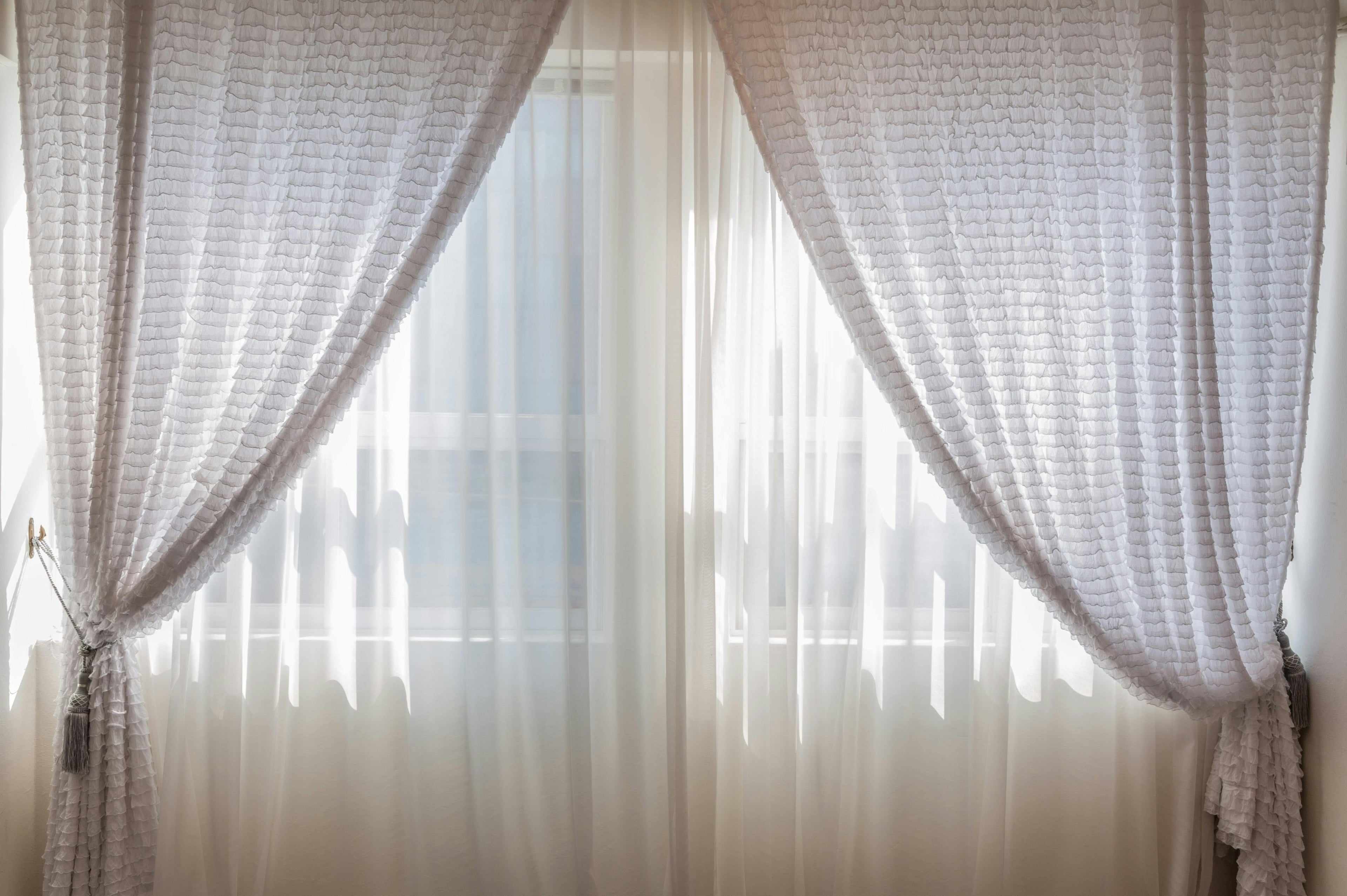
Your sheer curtains, those light fabrics that dress your windows in a softened light, inevitably lose their brilliance over time and through daily wear. Dust, pollution, and lingering smoke residues leave a stubborn greyish cast, dulling the atmosphere of your home. Yet restoring these voiles to their former freshness is entirely within reach, using methods suited to each fibre. This guide invites you to explore effective techniques, from meticulous dust removal to whitening soaks, to recapture the lost luminosity and airy feel. Continue reading to transform your space with renewed clarity.
Sheer curtains, those light and airy fabrics that gracefully filter light, are essential elements of successful interior decor. However, over time, the magic often fades: the pristine white or soft original color gives way to a grayish, dull, and unappealing hue. This phenomenon, far from being inevitable, is the result of the accumulation of dust, atmospheric pollution, smoke residue, or simply prolonged exposure to light. Whitening gray sheers then becomes an essential mission to restore freshness and brightness to your interior. This article is your comprehensive guide to understanding the causes of this graying, choosing the method suited to your type of sheer, and rediscovering the transformative power of curtains sparkling with cleanliness. We will explore techniques ranging from grandmother's tips to modern products, along with maintenance advice to preserve their whiteness long-term.
Understanding Why Your Sheers Turn Gray: The Invisible Enemies
Before embarking on whitening, it is crucial to diagnose the origin of the discoloration. A gray sheer is not simply dirty; it is a reflection of its environment. Household dust, composed of fibers, skin flakes, and fine particles, becomes deeply embedded in the fabric fibers. In urban areas, outdoor pollution (fine particles, nitrogen oxides) passes through the fabric mesh and deposits a tenacious grayish film.
Indoors, cooking smoke, scented candles, or a fireplace fire can leave greasy residues that attract and trap dust. Finally, exposure to UV rays from the sun, while sometimes whitening, can also yellow certain synthetics or weaken fibers, making them more porous and therefore more likely to retain dirt. Identifying the main culprit will help you choose the most effective treatment.
The Essential Pre-Treatment: Deep Dusting
Going straight to whitening on a sheer covered in dust is a common mistake. Dust, mixed with water and products, can form a paste that is difficult to remove. The first step is therefore meticulous dusting. Take the sheers outside, if possible on a day with little wind.
Shake them vigorously to dislodge as much dry dust as possible. For an optimal result, use the vacuum cleaner with its soft brush attachment, set to the lowest power. Gently run the attachment over both sides of the fabric. This mechanical action removes up to 80% of surface dirt and prepares the fabric to receive the whitening treatment.
The Cold Tumble Dryer Trick
A little-known but remarkably effective method involves placing the dry, crumpled sheers in the tumble dryer with two or three wool dryer balls (or clean socks tied up containing tennis balls). Run a cold air cycle (without heat) for 10 to 15 minutes. The action of the drum and the balls will literally beat the fabric and release an impressive amount of embedded dust. Take them out afterwards and give them a final shake outside before washing.
Whitening Natural Sheers: Cotton, Linen, and Organdy Voile
Sheers made from natural fibers like cotton, linen, or organdy voile (very fine cotton) are the most receptive to traditional whitening techniques. Their fibrous structure allows cleaning agents to penetrate and act effectively.
The premier method for these materials is prolonged soaking. In a basin, bathtub, or large bucket, prepare a bath of lukewarm water (never hot, at the risk of shrinking the fabric). Add a generous dose of liquid detergent for delicate textiles and a mild whitening agent.
The Sodium Percarbonate Bath, the Magical Active Oxygen
Sodium percarbonate is the professionals' secret. This solid compound, once dissolved in lukewarm water, releases active oxygen. It is ecological, non-toxic, and remarkably effective against organic stains and graying. For deep whitening, dissolve 2 to 3 tablespoons of sodium percarbonate per liter of lukewarm water. Completely immerse the sheers and let them soak for several hours, even overnight for the most stubborn cases. The action is gradual and respectful of the fibers.
The White Vinegar and Baking Soda Alternative
For regular maintenance or slight graying, the white vinegar and baking soda duo works wonders. In the detergent drawer of your washing machine, pour ½ cup of baking soda. In the fabric softener drawer, pour ½ cup of white vinegar. Wash cold or at a maximum of 30°C. The baking soda softens the water and helps loosen dirt, while the vinegar dissolves limescale and soap residues that dull the fabric, while restoring its softness. It's a gentle and economical method.
Whitening Synthetic Sheers: Polyester and Blended Fibers
The vast majority of modern sheers are made of polyester or blended synthetic fibers. These fabrics are appreciated for their durability and low wrinkling, but they require a different approach. Synthetics are sensitive to excessive heat (risk of fiber melting) and react poorly to classic bleach, which can irreversibly yellow them.
To whiten polyester sheers, always prefer a machine wash, "delicate" or "synthetics" program, at a temperature not exceeding 30°C. Use a liquid detergent specially designed for delicate textiles or, even better, a specific detergent for whites. The latter often contain optical brighteners, compounds that reflect blue light, giving a visual impression of a brighter white.
The Importance of Correct Dosage and Rinsing
Overdosing detergent is counterproductive with synthetics. Detergent residues, poorly rinsed, attract dust and quickly give the fabric a dull appearance again. Use the minimum recommended dose and always opt for an extra rinse cycle. This step is crucial to eliminate any trace of product and obtain a truly clean sheer.
Manual Whitening Techniques for Fragile or Antique Pieces
Some sheers, especially antique ones, those with embroidery, appliqués, or delicate seams, cannot withstand the agitation of a machine. Manual whitening is then the only option. After dusting, prepare a bath in your sink or a basin with lukewarm water and a mild soap like Marseille soap or black soap.
Soak the sheer and agitate it gently with your hands. For the grayest areas, you can prepare a paste with baking soda and a little water, and rub it very gently onto the stain. Rinse abundantly with clear lukewarm water until the rinse water is perfectly clear. This method requires patience but preserves the integrity of the most precious pieces.
Drying: The Key Step for an Impeccable Result Without Ironing
The way you dry your sheers is just as important as the way you wash them. Improper drying can leave indelible creases or a rough texture. The ideal is air drying outdoors. Hang them immediately after spinning (lightly, without wringing).
Use plastic clothes pegs to avoid marks, and hang them so they hang straight. The wind and sun will finish the job of whitening naturally. If you must use a tumble dryer, set it to the "cold air" or "delicate" option at a very low temperature, and take them out before they are completely dry to avoid static. Shake them vigorously before hanging them at their window: often, this is enough to completely remove the wrinkles.
Preventing Graying: Regular Maintenance of Sheers
Whitening sheers is an operation that should not be necessary too often if preventive maintenance is in place. The key is to act before the grayness sets in. Integrate dusting into your weekly cleaning routine with the vacuum and its brush attachment.
Every two or three months, depending on your environment, a quick maintenance wash is recommended. Use the vinegar/baking soda method in a cold machine wash. Avoid conventional fabric softeners, which coat the fibers with a greasy chemical film that attracts dust. White vinegar, on the other hand, is a natural and anti-limescale softener that cleans deeply.
Rotation and Ventilation
A simple trick is to have two identical sets of sheers and alternate them every six months. This reduces exposure to dust and light by half for each set. Furthermore, ventilate your interior regularly to renew the air and reduce the concentration of airborne particles that settle on textiles.
FAQ: Answers to the Most Frequent Questions About Whitening Sheers
Can I use bleach to whiten my white sheers?
It is strongly advised not to use bleach (sodium hypochlorite) on sheers. On natural fibers, it significantly weakens them, making them brittle. On synthetics like polyester, it very often causes irreversible yellowing. Always prefer whitening agents based on active oxygen (hydrogen peroxide, sodium percarbonate) which are much safer and just as effective on most dirt.
My sheers turned yellow after washing, what should I do?
Yellowing after washing is usually due to poorly rinsed detergent residue, a reaction with fabric softener, or the use of water that is too hard and too hot on synthetics. To remedy this, rewash cold without detergent, using only ½ cup of white vinegar in the detergent drawer. If the yellow persists, a sodium percarbonate bath may solve the problem. For prevention, use less detergent and an extra rinse cycle.
How to whiten colored or printed sheers?
For colored sheers, the term "whiten" is inappropriate; it's about reviving them. Avoid any aggressive whitening product that would attack the dyes. Use a special detergent for colors, cold. Adding ½ cup of white vinegar to the rinse will help set the colors and restore shine. For prints, always check the care label and test an inconspicuous corner beforehand with your cleaning mixture.
How often should I wash my sheers?
The ideal frequency depends on your place of residence (city/countryside), the presence of smokers or pets, and direct exposure to dust. As a guideline, a maintenance wash every 2 to 3 months is a good baseline. Weekly dusting with a vacuum cleaner allows you to space out these washes considerably. Observe your fabric: as soon as it loses its brightness, it's time to act.
Can I machine wash sheers with metal grommets or rings?
Yes, provided you take precautions. Always place the sheer in a laundry bag (a pillowcase closed with a knot can do the trick). This protects the fabric from the "whipping" effect against the drum wall and prevents the grommets from catching and tearing the fabric. Use a delicate cold program. This precaution also applies to very fine sheers.
Conclusion: Bring Life Back to Your Interior Light
Whitening gray sheers is not a chore, but an act of decoration in itself. Clean and sparkling curtains instantly transform the atmosphere of a room, making it brighter, more spacious, and more welcoming. Whether you opt for the power of sodium percarbonate on cotton, the gentleness of vinegar on polyester, or the meticulousness of a hand wash for an antique piece, the essential thing is to act methodically and regularly. By understanding the nature of your textiles and adopting the right maintenance gestures, you will significantly extend the beauty and freshness of your sheers. To discover more tips for enhancing every detail of your interior, feel free to explore the other comprehensive guides available on ombreinterieur.fr. Before choosing, browse how to decorate a vintage bedroom with diffusers. Get inspired on our decoration site for your next projects.
