















Whitening Polyester Curtains: Safe and Effective Methods
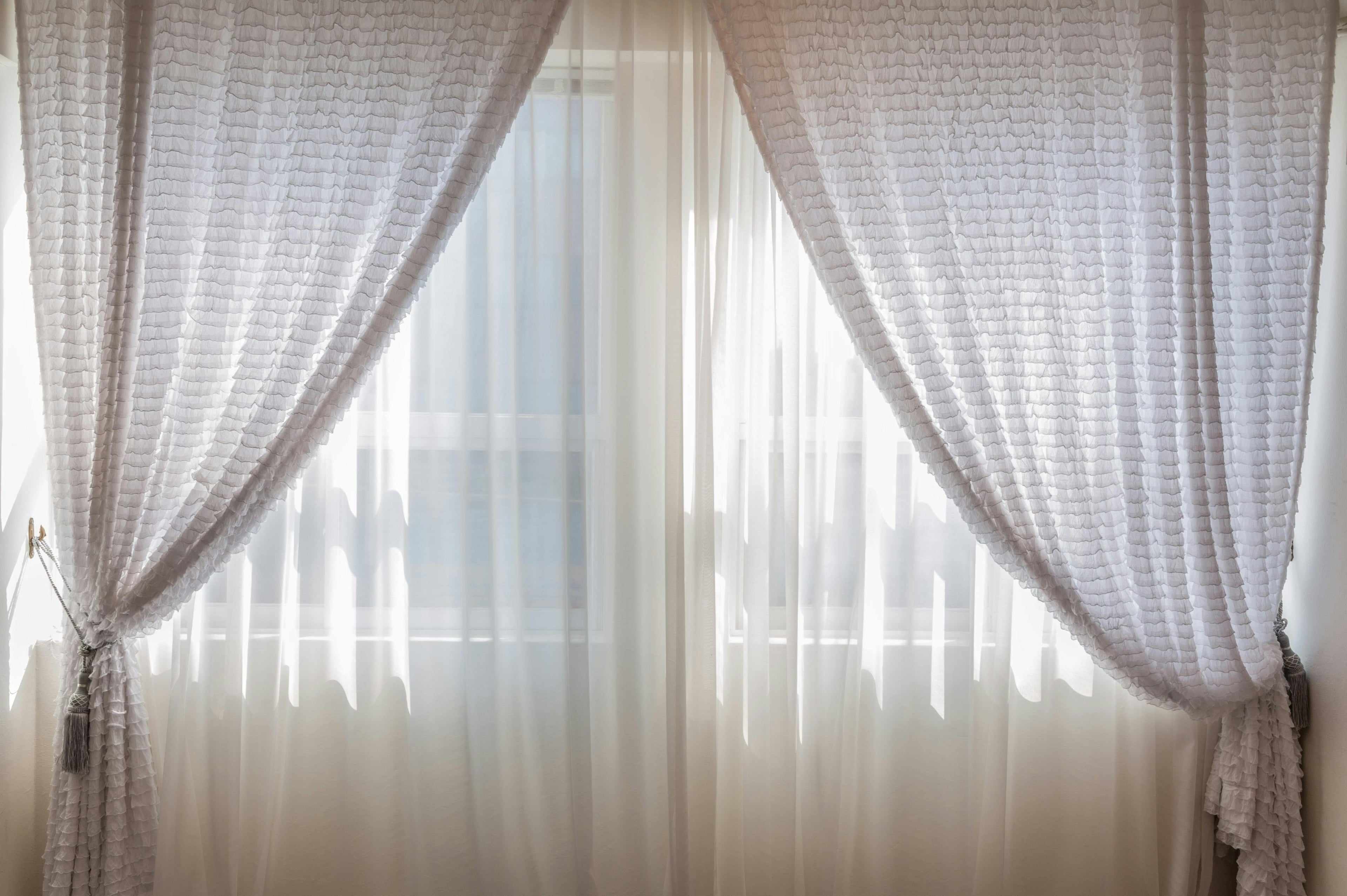
Your polyester voiles, once a pristine white, have gradually lost their brilliance under the sun’s glare and the passage of time. Yet reviving these airy fabrics that dress your windows is far from impossible. The key lies in choosing methods suited to this delicate synthetic fibre, avoiding any risk of damage. With gentle washing and natural solutions such as bicarbonate of soda, you can safely restore their freshness and luminosity. Follow this guide for a radiant, lasting result that brings new life to your interiors.
Polyester sheer curtains, those light and translucent fabrics that dress our windows with such grace, inevitably lose their sparkle over time. Yellowed by the sun, dulled by dust and atmospheric pollutants, or simply faded by time, they can darken an entire room. The question of how to whiten polyester sheer curtains then arises, often with some apprehension. Unlike cotton, polyester is a synthetic fiber that reacts differently to traditional bleaching agents. Fortunately, restoring whiteness and freshness to your sheers is entirely possible, provided you know the appropriate methods and precautions to take. This article guides you step by step, from gentle bleaching techniques to more intensive solutions, including preventive maintenance, so your sheers can regain a second youth without risking damage.
Understanding Polyester: Why Whitening is Delicate
Before you start bleaching, it's crucial to understand the nature of your fabric. Polyester is a synthetic fiber derived from petroleum, known for its strength, low wrinkling, and quick drying. However, its molecular structure makes it less porous than natural fibers like cotton or linen.
This characteristic means that stains and dirt adhere to the surface rather than penetrating deeply, which is good news for cleaning. On the other hand, it makes the fiber more sensitive to excessive heat and reactive to certain chemicals. Overly aggressive bleaching can lead to irreversible yellowing, weakening of the fibers, or loss of softness. The goal, therefore, is to use methods that dissolve and remove surface grime without attacking the fiber itself.
The Essential First Step: Gentle Machine Washing
In many cases, a thorough simple wash is enough to significantly revive the whiteness of sheers. Dust, microparticles of pollution, and smoke residue form a grayish veil that water and detergent can remove.
Always start by carefully removing the sheers from their rods, possibly noting their arrangement if you have several. Shake them outside to remove the bulk of the dust. For machine washing, follow these tips scrupulously:
- Temperature: Use a cold program or a maximum of 30°C. Hot water can set certain stains and damage synthetic fibers in the long term.
- Detergent: Opt for a mild liquid detergent for delicates. Avoid powders that can leave residue. A specific detergent for whites can be used, but check that it is suitable for synthetics.
- Machine Load: Do not overload the drum. Sheers need space to move and be rinsed well. Wash them alone or with other very light-colored, lightweight textiles.
- Cycle: Select the "delicate," "synthetics," or "hand wash" program. Disable high-speed spin or use a very gentle spin to avoid ingrained creases and tears.
- Rinse: An extra rinse is often recommended to ensure all detergent residue is removed, as this residue can attract dirt more quickly later on.
Natural and Safe Bleaching Agents
If simple washing isn't enough, first turn to natural, effective, and inexpensive solutions. They are ideal for regular maintenance or light bleaching.
Baking Soda, a Multi-Purpose Ally
Baking soda is a mild abrasive and a natural deodorizer. It helps loosen dirt and neutralize acids responsible for yellowing. To use it, add half a cup to a glass of baking soda directly into your machine's detergent dispenser with your usual detergent. For a spot treatment on a yellow stain, make a paste with a little water and 10-volume hydrogen peroxide, apply gently, let it sit for 30 minutes before washing normally.
Sodium Percarbonate, the Ecological Oxygen Bleach
Often confused with baking soda, sodium percarbonate is the true star "natural bleach." Active from 40°C, it releases active oxygen that attacks the colored molecules of stains without altering the fibers. It's the ecological and safe alternative to bleach. To whiten polyester sheers, dissolve 2 to 3 tablespoons of sodium percarbonate in a liter of hot water (60°C) before pouring the mixture into the detergent dispenser. Then wash at 40°C. It is also possible to soak the sheers in a basin of hot water with added percarbonate (1 to 2 tablespoons per liter) for several hours before a normal wash.
Lemon and Sun, the Winning Old-Time Duo
This ancestral method is remarkably effective for white fabrics. The citric acid in lemon juice acts as a mild bleaching and disinfecting agent, while the sun's UV rays complete the process. After washing, soak your still-damp sheers in a basin of water with the juice of two lemons for an hour. Then hang them immediately outside in full sun. Let them dry completely. You will notice restored freshness and whiteness.
Chemical Products: Caution and Instructions
For heavily yellowed sheers or stubborn stains, more powerful products can be considered, but with extreme caution.
Hydrogen Peroxide
10-volume (3%) hydrogen peroxide is an oxygen bleach gentler than chlorine bleach. It is often well tolerated by polyester. You can add it to your machine's fabric softener dispenser (about 1 cup) during a 30-40°C cycle. For soaking, mix 1 part hydrogen peroxide to 2 parts cold water in a basin, immerse the sheers, and let sit for up to an hour before rinsing thoroughly with cold water and washing normally. Always test first on a hem or discreet seam.
Chlorine Bleach (Sodium Hypochlorite): The Last Resort
The use of chlorine bleach on polyester is generally not recommended. It can cause irreversible yellowing, weaken fibers to the point of cracking, and is harmful to the environment. If you still decide to use it on solid white sheers (never on prints or colors), proceed as follows: dilute a small amount of bleach (2 to 3 tablespoons) in a large bucket of cold water. Do not exceed 10 minutes of soaking. Then rinse immediately and thoroughly with cold water several times before putting them in the machine for a wash with plenty of detergent. This method is risky and should remain exceptional.
Treating Specific Stains Before Bleaching
Localized stains (mold stains, kitchen splatters, etc.) require targeted pretreatment to maximize the success of the overall bleaching.
- Mold Stains: Mix equal parts water and white vinegar. Spray or dab onto the stain and let sit for 15 minutes. Gently rub. Vinegar is a natural antifungal. Rinse. If the stain persists, apply a little paste of baking soda and hydrogen peroxide.
- Grease or Soot Stains: Apply a little mild dish soap directly to the stain and gently rub the fibers between your fingers. Dish soap is designed to cut grease. Let sit for 10 minutes before machine washing.
- Old Yellow Stains: A paste of sodium percarbonate and hot water applied thickly and left in place for an hour can work wonders.
Drying and Ironing: The Perfect Final Touch
This step is crucial for a flawless finish. Absolutely avoid the tumble dryer, as its intense heat can distort or shrink synthetic fibers.
Prefer air drying. Hang your still-damp sheers on a drying rack, smoothing them gently with your hands to minimize creases. Ideally, dry them outside in the sun to benefit from its natural bleaching and disinfecting effect. If you must dry them indoors, ensure good ventilation.
For ironing, use an iron set to the lowest setting, "synthetic" or "wool." Preferably iron the sheers while still slightly damp, or use the steam function. Place a thin cloth (a tea towel or old sheet) between the iron and the sheer to avoid any risk of shine or melting of the fibers. Pay attention to the hems for a structured look.
Preventive Maintenance: How to Keep Your Sheers White Longer
The best bleaching is the one you avoid. Adopt these habits to prolong the whiteness of your sheers.
- Regular Dusting: Vacuum your hung sheers with the soft brush attachment once a week to prevent dust from becoming ingrained.
- Frequent but Gentle Washing: Integrate sheer washing into your seasonal cleaning routine. A wash every 3 to 6 months with gentle methods prevents the buildup of stubborn dirt.
- Rotation and Protection: If possible, alternate two sets of sheers to reduce continuous exposure to direct sunlight, the main cause of yellowing.
- Optimal Rinsing: As mentioned, always ensure a perfect rinse to leave no detergent residue, a real magnet for dust.
FAQ: Answers to the Most Frequent Questions About Bleaching Sheers
Can Washing Soda Be Used to Whiten Polyester?
Washing soda (sodium carbonate) is an excellent degreaser and water softener, but it is not a bleaching agent per se. It can be used as a supplement (one tablespoon in the detergent dispenser) to enhance the action of your detergent and sodium percarbonate, especially in hard water. Alone, it will not have a significant bleaching effect on yellow stains.
My Sheers Yellowed After Bleaching with Chlorine Bleach, What Should I Do?
Unfortunately, post-bleach yellowing on polyester is often due to irreversible oxidation of the fibers. It is very difficult to reverse this process. You can try a prolonged soak in a solution of 10-volume hydrogen peroxide (1 part to 2 parts water) to see if it fades, but the chances of success are limited. This situation illustrates why it is essential to test and prioritize gentle oxygen-based methods first.
How to Whiten Polyester Sheers Without Taking Them Down?
For light maintenance, you can use a spray bottle. Mix equal parts cold water, white vinegar, and lemon juice in a spray bottle. Lightly and evenly spray onto the hung sheers, avoiding soaking metal rods. Let air dry. This method refreshes and helps dissolve surface dust, but does not replace a deep wash.
Are Dishwasher Tablets Effective for Whitening Sheers?
This tip circulates online. While dishwasher tablets contain powerful enzymes and bleaching agents, they are formulated for dishes, not textiles. Their pH is very alkaline and can be too harsh for polyester fibers, risking making them brittle. It is much safer to use products designed for laundry, like sodium percarbonate.
Should Fabric Softener Be Used for Sheers?
Using a classic fabric softener on sheers is generally not recommended. It can leave a greasy film that weighs down the fabric, reduces its ability to float gracefully, and, once again, attracts dust. To soften the fibers, add half a cup of white vinegar to the fabric softener dispenser during the rinse cycle. It dissolves detergent residue and makes the fabric soft, without odor after drying.
Conclusion: Restore Life to Your Sheers with Confidence
Whitening polyester sheer curtains is not an impossible mission, but an operation that requires discernment and gentleness. By always starting with the simplest method – a gentle machine wash – and then gradually escalating to natural solutions like sodium percarbonate or lemon, you preserve the integrity of your textiles while achieving remarkable results. The trick lies in regular maintenance and banning overly aggressive products like chlorine bleach. Immaculate, floating sheers transform a room's light and atmosphere. By applying these tips, you will perfectly master the art of how to whiten polyester sheer curtains and durably prolong the elegance of your interior decoration. To discover more tips and complete guides on maintaining and decorating your home, explore the other resources available on ombreinterieur.fr without delay. Discover the product Window Sheers to finalize your decor. Our guide how to decorate a vintage bedroom with diffusers helps you make the right choice. Get inspired on our decoration site for your next projects.
