













Whitening White Sheer Curtains: Effective Methods and Mistakes to Avoid
Your once-dazzling white voile curtains have lost their luminous charm, leaving you baffled by fabric that seems irredeemably dull. Yet restoring these delicate textiles to their former glory is well within your reach, provided you adopt the right techniques. This guide explores proven methods for reviving whiteness, from percarbonate soaking to the essential precautions when using bleach, while steering you clear of pitfalls that damage fibres. Let yourself be inspired by bespoke solutions tailored to your windows, bringing back that airy, pristine radiance you thought was lost forever.
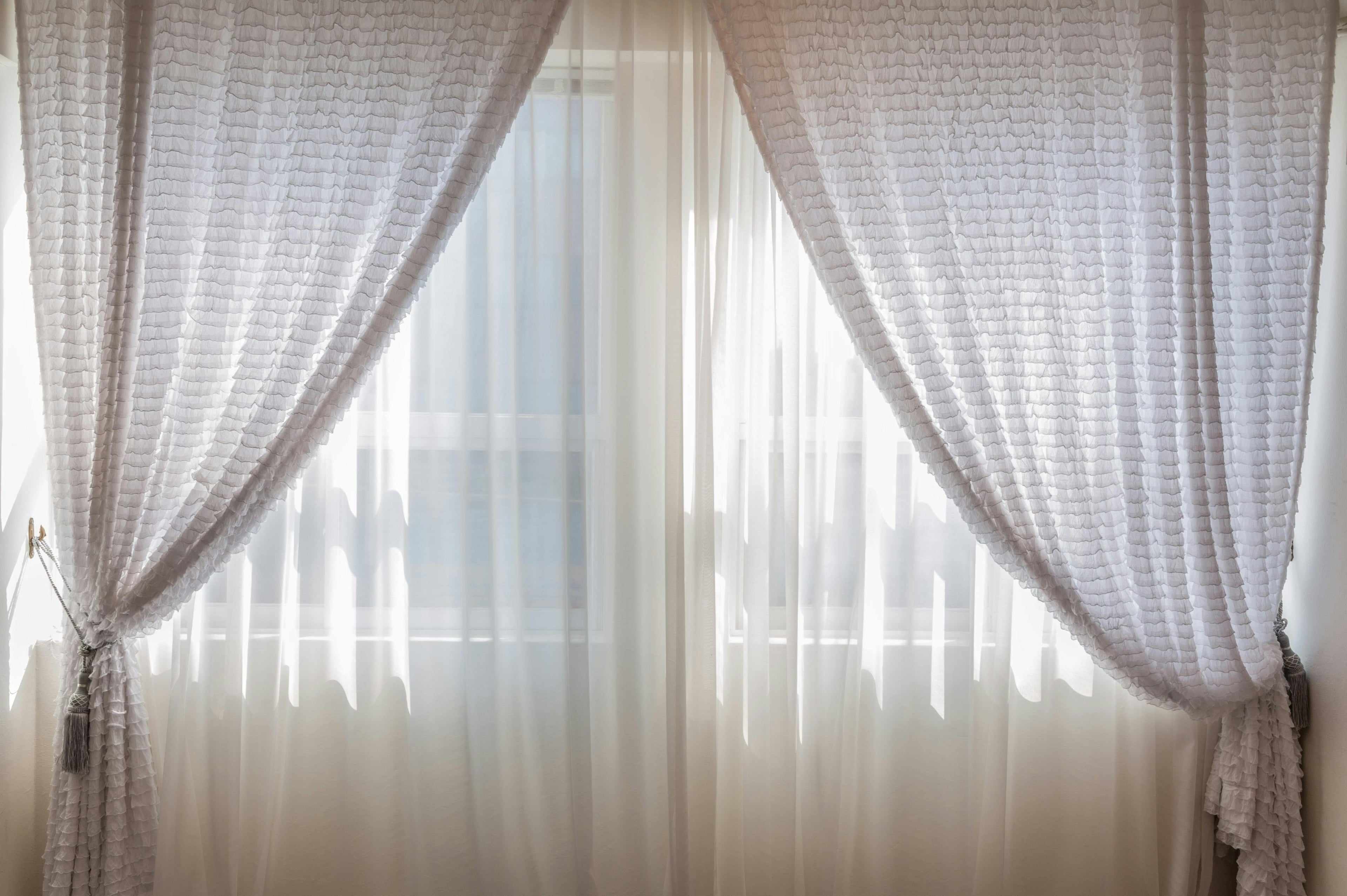
White sheer curtains are the soul of a bright room, bringing lightness, privacy, and a touch of ethereal elegance. However, over time, this immaculate whiteness can dull, turning gray, yellowish, or taking on sad hues. Restoring the original brilliance to these delicate textiles is often seen as a challenge, between the fear of damaging them and the ineffectiveness of certain products. Bleaching white sheer curtains is not just a simple wash; it's an art that combines knowledge of textiles, choosing the right bleaching agents, and adapted techniques. In this article, we will explore in detail all the methods, from the gentlest to the most effective, to revive the whiteness of your sheers, whether they are cotton, polyester, linen, or blended fibers. We will also cover the mistakes to absolutely avoid and how to maintain this result long-term, for windows always adorned with lightness.
Understanding why your white sheers yellow or turn gray
Before seeking to bleach, it is crucial to diagnose the cause of the discoloration. An unsuitable treatment could set stains or irreversibly damage the fibers. Sheers, by their position facing windows, are subjected to specific aggressions.
Dust and fine particles suspended in the air literally embed themselves in the fibers over time, forming a grayish veil. Urban pollution, rich in hydrocarbons, accentuates this phenomenon. Furthermore, direct and prolonged exposure to UV rays from the sun can cause chemical degradation of the fibers, especially natural fibers like cotton or linen, making them yellow.
Residues from laundry detergent or fabric softener are a frequent and often underestimated cause. Insufficient rinsing leaves deposits that, when oxidized, create a dull film. Finally, excessive humidity can encourage the development of micro-fungi or mold, causing localized yellow or brown stains. Identifying the origin of the problem guides you to the most relevant solution.
The essential pre-treatment: dusting and soaking
Neglecting the preparation step risks setting dirt during washing. Always start by gently removing the sheers from their rods or rails. Shake them vigorously outdoors to remove as much dry dust as possible.
For deep treatment, soaking is a key step. It helps to loosen and dislodge embedded grime before the wash cycle. Several soaking baths can be considered depending on the condition of the sheers.
The hot water and mild detergent bath
Fill a basin, bathtub, or large bucket with hot water (about 40-50°C). Add a moderate dose of liquid detergent for delicate textiles or grated Marseille soap. Let the sheers soak for 3 to 6 hours, stirring occasionally. This method is ideal for standard dirt.
The washing soda crystals bath for a degreasing action
Washing soda crystals (sodium carbonate) are excellent for dissolving grease and urban pollution. Dissolve 2 to 3 tablespoons in hot water, then immerse the sheers for 4 to 8 hours. Wear gloves to handle the solution. Rinse thoroughly before washing.
Choosing the right bleaching agent: advantages and precautions
This is the heart of the matter. The market and homemade recipes offer several options, each with its strengths and constraints. Your choice will depend on the fabric and the intensity of the yellowing.
Bleach (sodium hypochlorite): the ultimate weapon, to be handled with extreme caution
Bleach is a powerful oxidant that breaks down the molecules responsible for stains. It is very effective for bleaching sheer curtains made of white cotton and linen. However, it is aggressive and can weaken fibers, making them brittle. It is strictly forbidden on silk, wool, polyester, spandex, and colors. Its use requires strict precautions: always dilute (1 part bleach to 10 parts cold water), wear gloves, and ventilate the room. Soaking time should never exceed 10 to 15 minutes, followed by very thorough rinsing.
Sodium percarbonate: the ecological and versatile solution
A star of natural products, sodium percarbonate is the active ingredient in many "oxygenated" laundry powders. In contact with hot water (from 40°C), it releases active oxygen that gently bleaches and loosens stains. Its great advantage is that it is safe for colors and most fibers, including polyester (check the label). It is ideal for bleaching sheer curtains in the washing machine or in a soaking bath. Use 1 to 2 tablespoons per liter of hot water for a soak of several hours.
Baking soda and white vinegar: the everyday maintenance duo
For regular maintenance or slight yellowing, these two household products are valuable. Baking soda is a mild abrasive and deodorizer. Added to the detergent compartment, it enhances the action of the detergent. White vinegar, on the other hand, is an excellent natural fabric softener and descaler that dissolves soap residues responsible for dulling. It is used in the rinse cycle (a cup in the softener dispenser). However, they have limited bleaching power on old stains.
Specific bleaching products for textiles
There are dedicated products, often based on percarbonate or optical agents. "Optical brighteners," present in many detergents, deposit a bluish film on the fabric that reflects light, giving an illusion of more intense whiteness. They are effective for maintenance but do not chemically eliminate stains.
The step-by-step method for bleaching sheers in the washing machine
For modern and resistant sheers (polyester, cotton), the washing machine is a convenient solution, provided precise settings are respected.
Start by checking the care label. Prefer a program for "delicate textiles," "hand wash," or "fine wash." Temperature is crucial: water that is too hot can shrink some fibers or set organic stains. A temperature of 30°C to 40°C is generally safe and sufficient, especially with sodium percarbonate which needs heat to activate.
Use a liquid detergent for delicates or a powder detergent with oxygenated bleaching agents. Avoid conventional fabric softeners which clog fibers. Instead, add a cup of white vinegar to the softener dispenser. It will soften the fabric without leaving a film and eliminate the last detergent residues.
To protect the sheers during the cycle, place them in a laundry bag or a closed cotton pillowcase. This avoids excessive friction and snags. Select the gentlest spin cycle (400-600 rpm) to minimize wrinkling. Once the cycle is finished, remove the sheers immediately to avoid setting wrinkles and hang them without delay.
Manual bleaching techniques and prolonged soaking
For very old, fragile sheers, those adorned with embroidery, or those whose composition you don't know, hand washing and controlled soaking are the safest methods.
Prepare a solution in a clean basin with lukewarm water and your chosen bleaching agent (percarbonate recommended). Immerse the sheers and ensure they are fully submerged. Let it work for several hours, even overnight for pronounced yellowing. Stir gently from time to time.
After soaking, empty the basin and rinse the sheers thoroughly with clear water, until the rinse water is perfectly clear. This is an essential step to remove all product residues. For wringing, never twist the fabric. Gently press it between your hands or roll it in a clean, thick towel to absorb excess water.
Drying: the key step for wrinkle-free and brilliant sheers
The way you dry your sheers greatly influences their final appearance. The ideal is air drying outdoors. Sunlight has a slight natural bleaching effect (thanks to UV rays) and wonderfully deodorizes the laundry. Hang them on a drying rack, attaching them with light clothespins on the hems, never on the fine fabric to avoid marks.
If you must dry them indoors, choose a well-ventilated room. Absolutely avoid the tumble dryer, whose intense heat and brutal movement are destructive for the delicate fibers of sheers and can set wrinkles permanently.
As soon as they are still slightly damp, iron them on the reverse side with an iron set to the temperature suitable for the fabric (usually "synthetic" or "silk" setting). This action facilitates hanging and gives an impeccable finish. For polyester sheers, steam is your ally for removing stubborn wrinkles.
Maintaining the whiteness of your sheers long-term
Bleaching is one thing, preserving this result is another. Adopt regular maintenance habits to space out major treatments.
- Frequent and light washing: Don't let dust embed itself. A wash every 2-3 months in lukewarm water with a mild detergent is often enough.
- Forget conventional fabric softener: Always prefer white vinegar in the rinse cycle. It prevents dulling.
- Regular dusting: Vacuum your sheers with the soft brush attachment once a week to remove surface dust.
- Rotation: If possible, have two sets of sheers that you alternate, thus reducing continuous exposure to dust and sun.
FAQ: Answers to the most frequent questions about bleaching sheers
Can you bleach polyester sheers?
Absolutely. Polyester, being a synthetic fiber, does not tolerate bleach well, which can yellow it irremediably. On the other hand, sodium percarbonate is perfectly suited. Use it in the machine at 40°C or in a hot soaking bath. Always check the care label first.
How to remove black or yellow mold stains on sheers?
Mold requires a fungicidal treatment. Before any wash, completely dry the sheers outdoors and brush the stains to remove dry spores. Then, apply a pretreatment based on pure white vinegar or a paste of baking soda and water on the stains. Let it work for an hour. Then wash at the highest temperature allowed by the fabric with sodium percarbonate. For stubborn stains, soaking in a solution of 10-volume hydrogen peroxide (1 part peroxide to 2 parts water) can be effective.
My sheers turned gray after a wash, what should I do?
This post-wash graying is typically due to insufficient rinsing leaving detergent residues, or washing with very dirty/dark clothes that bled. Do a new wash, without detergent this time, but with a cup of white vinegar or dissolved washing soda crystals, at lukewarm temperature. This deep rinse cycle will dissolve the residues. In the future, always wash sheers separately or with very light-colored laundry.
Is there a quick trick to restore shine without washing?
For a quick fix, the "misting" method can work. In a spray bottle, mix 2/3 cold water and 1/3 white vinegar, with possibly a few drops of lavender essential oil. Lightly and evenly spray onto the sheers (without soaking them) from a distance. Let air dry. The vinegar dissolves greasy dust and residues, temporarily restoring freshness and shine.
Is lemon effective for bleaching sheers?
Lemon juice, rich in citric acid, has a slight bleaching and stain-removing power, enhanced by the action of the sun. It's a gentle method. You can soak your sheers in a bath of hot water with the juice of two lemons added, or apply pure juice on stains before exposing them to the sun. However, its action is less powerful and slower than that of sodium percarbonate. Always rinse after treatment to avoid the acidity weakening the fibers in the long term.
Conclusion: The art of restored whiteness
Bleaching white sheers is an operation within everyone's reach, provided you respect the nature of the fabric and use the appropriate products methodically. Set aside bleach, which is too risky, and turn to gentler and equally effective solutions like sodium percarbonate, a true ally for white laundry. A systematic pre-soak, thorough rinsing, and air drying are the three pillars of success. By integrating regular maintenance with white vinegar, you will preserve the brightness and lightness of your sheers for a long time. These textiles, once revived, will instantly restore an incomparable clarity and feeling of freshness to your interior. To discover more tips and expert advice on maintaining and decorating your home, feel free to explore the other resources available on ombreinterieur.fr. Our Modern Living Room Sheers integrate perfectly with this style. For more tips, discover how to dye blackout curtains on the blog. Find all our decor universe on Ombre Interieur.
