
















How to cover a broken window: temporary solutions
A shattered window creates an immediate breach in your home’s security and comfort, leaving it exposed to weather and unwelcome entry. While awaiting a professional, knowing how to respond with the right materials and techniques helps you regain control of the situation. This guide covers practical solutions, from quick emergency protection to more robust DIY repairs, safeguarding your peace of mind. You will learn to turn an incident into a managed step, without compromising on insulation or weatherproofing.
A broken window is more than just an aesthetic nuisance; it's a breach in your home's integrity, instantly compromising security, thermal and acoustic insulation, and exposing your interior to the elements. Whether the incident is due to a storm, an accident, or an act of vandalism, the absolute priority is to secure the opening as quickly as possible. Effectively covering a broken window is an essential practical skill for any homeowner or tenant, allowing you to manage the emergency while waiting for a permanent repair by a professional. This article guides you through all the methods, from makeshift temporary solutions to more durable protections, incorporating modern materials and current best practices to preserve your comfort and peace of mind.
Damage Assessment and Immediate Safety Measures
Before thinking about covering the opening, a quick but thorough assessment is crucial. Safety comes first. Immediately move children and pets away from the affected area.
Wear robust personal protective equipment: thick work gloves (like handling gloves) to handle glass shards, safety glasses to avoid projections, and closed-toe shoes. Absolutely avoid walking barefoot nearby.
How to Safely Remove Glass Shards
Start by clearing the large pieces of glass still stuck in the frame. Use pliers to grip them firmly and detach them. For small shards on the floor, never use a standard vacuum cleaner.
The sharp fragments could damage the bag or motor. Instead, use a dustpan and brush, or wide adhesive tape (like masking tape) to capture the residue. Remember to dispose of the debris in a thick cardboard box or rigid container, clearly labeled "DANGER - BROKEN GLASS".
Express Temporary Solutions (Less than 24 hours)
These methods are designed to patch the breach in a few minutes, often with materials you have on hand. They are ideal for dealing with a broken window in the middle of the night or on a weekend, while you find a more robust solution.
Reinforced Plastic Film: The Emergency Ally
Thick plastic film, like painter's plastic or reinforced food wrap, is a remarkably effective short-term solution. It is impermeable to air and water. Cut a piece much larger than the opening.
Thoroughly clean and dry the perimeter of the window. Apply double-sided adhesive tape all around the opening on the frame, or use strong adhesive tape (like brown packing tape). Stick the film over it, pulling it taut to avoid wrinkles.
Then seal all edges with several layers of adhesive tape. This method creates an immediate waterproof and windproof barrier.
Cardboard and Adhesive Tape: The Effective Classic
For slightly better thermal insulation, corrugated cardboard is a good option. Cut a piece to the exact dimensions of the glass pane or slightly larger. Use several layers of cardboard for more rigidity.
Attach it using wide, resistant adhesive tape, covering the entire perimeter. For better waterproofing, you can insert a plastic trash bag between two layers of cardboard. Although not very aesthetic, this system is reliable for one night.
Semi-Permanent Solutions (A Few Days to a Few Weeks)
When the professional repair takes a little time, it is wise to install a stronger, more insulating protection. These solutions require a bit more work and materials but offer much better comfort.
Polycarbonate or Plywood Sheet: The Robust Option
To securely cover a broken window, a rigid sheet is the best option. Multiwall polycarbonate (like safety glazing sheet) is lightweight, translucent, insulating, and very impact-resistant. It lets light through while protecting.
Exterior plywood (marine or CTBX) is an economical and opaque alternative. Measure the opening precisely. Cut the sheet to the correct dimensions using a jigsaw.
Fix it from the outside using wood screws and washers, first drilling holes in the wooden frame or masonry. For a perfect seal, apply an adhesive foam gasket all around the frame before screwing the sheet in place.
MDF or OSB Panel: Optimal Insulation
If darkness is not a problem, a panel of MDF (Medium Density Fiberboard) or OSB (Oriented Strand Board) of good thickness (minimum 12 mm) offers excellent thermal and acoustic insulation.
These materials are dense and effectively block drafts and noise. Fixation is done in the same way as for plywood. Consider painting the panel with exterior paint to protect it from the elements if the wait is prolonged.
Focus on Waterproofing and Insulation
Simply plugging the hole is not enough. The goal is to restore an effective barrier against water infiltration, heat loss, and cold air ingress, which can skyrocket your energy bill.
Essential Waterproofing Materials
To effectively seal your temporary protection, several products are essential. Aluminum or butyl adhesive tape is extremely resistant to UV and weather, ideal for exterior fixings.
Acrylic or silicone waterproofing sealant (specialized for exterior) allows you to fill small gaps. Adhesive EPDM rubber foam gaskets offer perfect compression between the sheet and the frame, eliminating any thermal bridge.
Always apply these products on perfectly clean, dry, and dust-free surfaces for optimal adhesion.
Optimizing Thermal Insulation
With an energy performance perspective, you can improve your temporary installation. If you use an opaque panel, attach a sheet of aluminized reflector (like a vapor barrier) on the interior side to reflect heat back into the room.
For very large windows, consider creating a wooden frame in the recess and inserting a panel of extruded polystyrene (XPS) or rock wool before fixing the finishing sheet. This turns your emergency protection into a true insulating shield.
Aesthetic and Creative Solutions
A temporarily sealed window doesn't have to be synonymous with sadness. With a little imagination, you can integrate this constraint into your decor while waiting for new glazing to be installed.
The Room Divider or Blackout Shade
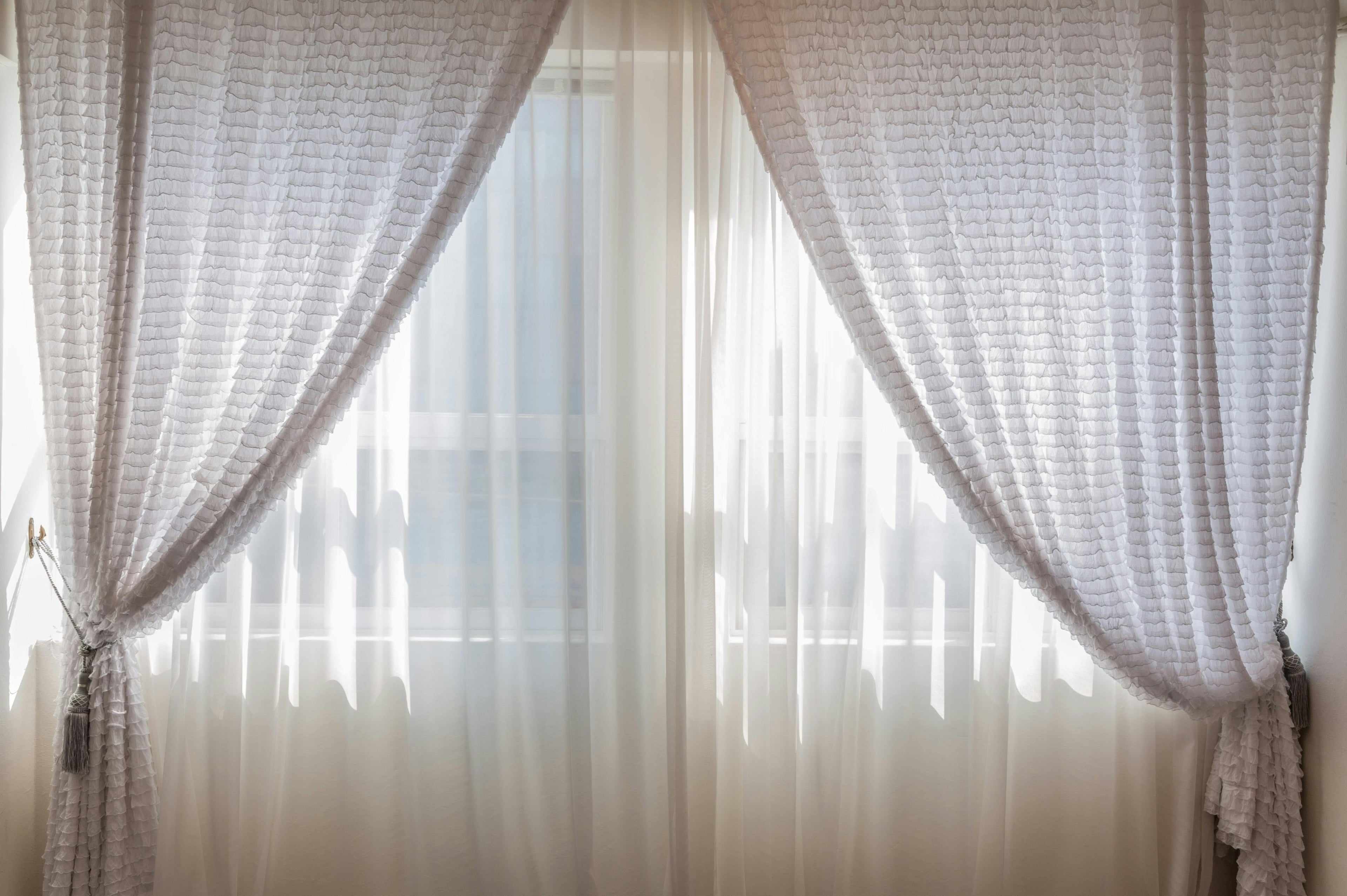
To elegantly conceal a plywood sheet fixed on the inside, install a decorative room divider in front of the opening. Choose a model with suitable dimensions, or customize a fabric divider with a pattern that matches your ambiance.
Another option: install a curtain rod and hang a venetian blind or a thick fabric shade. This creates an illusion of a functional window and maintains some brightness if you have opted for a translucent sheet.
The Artwork or Wall Painting
Transform the area into an impromptu art gallery. Hang a large painting, canvas, or a series of frames on the protective panel. You can even staple a canvas directly onto the plywood with a staple gun.
Large wall decals (stickers), depicting for example a landscape or a botanical motif, can create a false perspective and divert attention. It's a playful and customizable solution.
When and How to Call a Professional?
Temporary solutions have their limits. It is essential to schedule a permanent repair as soon as possible for reasons of safety, insulation, and compliance (especially in condominiums).
Choosing the Right Glazier
Always prioritize a qualified and insured professional glazier. Request several detailed quotes that include the cost of the material (type of glass: single glazing, double glazing, laminated safety glass), labor, and waste disposal.
Check their online reviews and SIRET number. A good craftsman will also advise you on the type of glazing best suited to your needs (acoustic insulation, security, solar control). For a standard window, the intervention is often very quick, sometimes the same day.
The Advantages of Professional Repair
Beyond simply installing new glass, a professional guarantees perfect air and water tightness thanks to appropriate seals (structural silicone, rubber gaskets). They will check the condition of the frame, often damaged during the breakage, and repair it if necessary.
They will also ensure the proper functioning of the window (openings, espagnolette bolts). Finally, they will provide you with an invoice and a warranty on the installation and material, which is essential for your peace of mind.
Prevention: How to Avoid a Window Breaking?
Prevention is better than cure. Adopting a few simple habits can significantly reduce the risk of glass breakage.
Avoid placing furniture or heavy objects near windows, especially in hallways or children's bedrooms. During gardening or facade cleaning work, be extremely careful with tools (ladders, garden hoses, lawnmowers).
In areas exposed to storms or heavy hail, consider installing shutters or louvers which offer mechanical protection. For large windows, choosing tempered or laminated glass is a safety investment: in case of a violent impact, it cracks without shattering into sharp shards.
FAQ: Answers to Frequently Asked Questions About Broken Windows
Does My Home Insurance Cover Window Replacement?
It depends on your policy and the cause of the damage. In case of glass breakage (theft, vandalism, water damage), coverage is generally included in comprehensive home insurance policies. In case of breakage due to a defect in the glazing or your negligence, it may not be covered.
It is crucial to report the claim to your insurer within the deadlines (often 5 working days) and provide photos of the damage if possible. Keep all quotes and invoices related to temporary and permanent repairs.
Can I Replace a Window Pane Myself?
Replacing a pane on an old window with small panes (small squares) is a precision job accessible to a skilled DIYer. For a standard modern window, it's more complex. You need to master the installation and glazing of gaskets (for PVC or aluminum windows) or the use of specific sealants.
A handling error can damage the frame or compromise waterproofing. The weight and fragility of the glass also pose a risk. For double glazing, using a professional is highly recommended for reasons of energy efficiency and warranty.
How to Insulate a Window Temporarily for Winter?
In addition to the insulating rigid sheets mentioned, you can apply a secondary glazing shrink film on the inside. This film attaches to the frame with double-sided adhesive tape and is tightened using a hairdryer, creating an additional insulating air layer.
For gaps around a poorly fitted sheet, use door draft stoppers or fabric draft snakes. Inside, a thick, lined thermal curtain, drawn at night, will form an effective barrier against the cold.
Does a Cracked Window Need to Be Replaced Urgently?
A crack, even a small one, is a sign of structural weakness in the glass. Under the effect of temperature variations, vibrations, or simple pressure, it can suddenly spread and cause complete breakage. A crack also compromises the waterproofing and insulation of the glazing.
It is therefore advisable to have the situation assessed by a glazier quickly. In the meantime, you can carefully apply strong transparent adhesive tape on both sides of the crack to prevent the pieces from moving and limit the risk of cuts.
Conclusion: From Emergency to the Rebirth of Your Window
Covering a broken window is a multi-step process: securing, protecting, insulating, and finally, renovating permanently. By mastering temporary protection techniques, you regain control in the face of the unexpected and preserve the comfort and security of your interior.
This waiting period can even become an opportunity to think about improving your window: opting for more efficient, safer glazing, or integrating this opening into a broader decorative project. To discover more inspiration for furnishing and protecting your home, explore the many resources available on Ombre Intérieur. Our blog is dedicated to helping you create an interior that is as safe as it is beautiful, where every detail, even the most technical, contributes to the harmony of your home. You will also love our selection Voilage Porte Fenetre. Among our favorites, find Affiches De Voyage Hivernales Uniques Decoration Murale Elegante Pour Une Ambiance Chaleureuse. Our guide comment integrer une console sur une terrasse moderne helps you make the right choice. Discover our entire decor universe on Ombre Interieur.
