














How to Make Curtains with Pencil Pleat Tape: Complete Guide
Choosing curtains means dressing your window with a presence that shapes the room. Among hanging systems, the rufflette tape stands out for its ability to create even pleats and a fall of almost architectural elegance. Would you like to master this technique for a professional finish, from selecting the fabric to the final sewing? This guide reveals the secrets to achieving perfect folds and a refined drape, without needing a workroom. Let yourself be led towards a bespoke, sophisticated interior where light and texture play in harmony.
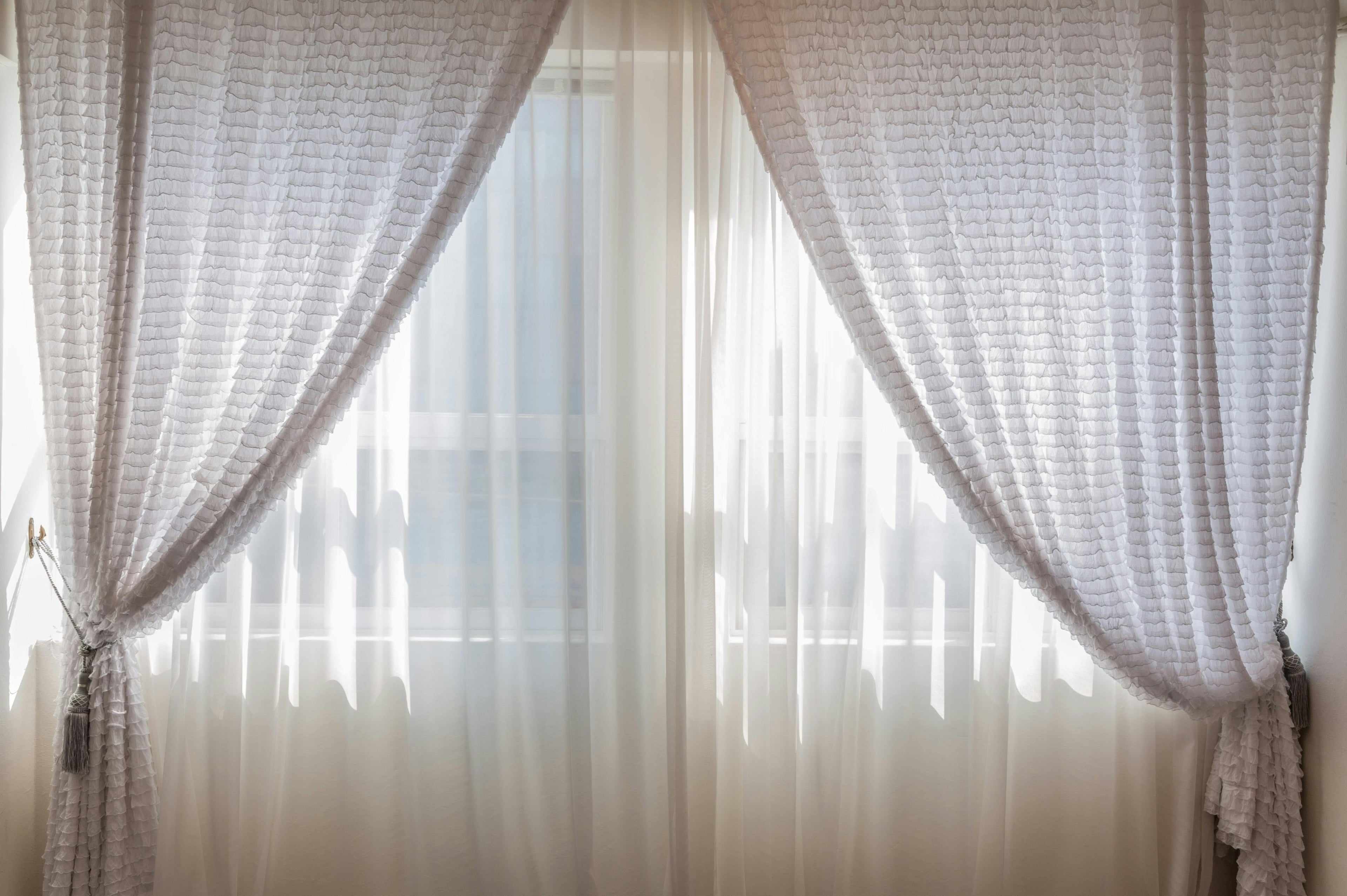
In the world of interior decoration, curtains play a far more important role than simply blocking out light. They are the finishing touch that dresses a window, structures the space, and actively contributes to the ambiance of a room. If you aspire to an elegant, structured, and timeless look, mastering how to make curtains with a curtain track system (ruflette) is a valuable skill. The ruflette, or glider track system, is the suspension mechanism that allows curtains to drape with regular, deep pleats, offering a boutique, polished appearance that rings or tabs cannot match. This article is your comprehensive guide to understanding, choosing, and especially creating your own ruflette curtains, from fabric selection to final hanging, incorporating current trends and professional tips.
Understanding the Ruflette: The Invisible System of Elegance
Before diving into the making, it's crucial to understand what a ruflette is and why it remains a staple. A ruflette is a specific track made of a rail (aluminum, steel, or plastic) in which hooks slide. These hooks are themselves inserted into a ruflette tape, a reinforced fabric band sewn onto the back of the curtain. This ingenious system creates regular pleats – flat pleats, French pleats (hollow pleats), or pinch pleats – and ensures smooth gliding for opening and closing the curtains.
Contrary to popular belief, the ruflette is not outdated. It is even experiencing a resurgence of interest in contemporary interiors for its ability to provide an impeccable drape. Modern models are more discreet, with miniature rails and colored finishes (matte black, brass, white) that visually recede. This is the secret to a window dressed with architectural rigor, perfect for Scandinavian, modern, or even industrial styles when left exposed.
Choosing the Fabric: The Foundation of Successful Curtains
The success of your ruflette curtain project largely depends on the choice of textile. A fabric that is too light will not form beautiful pleats, while one that is too heavy will be difficult to handle.
Ideal Materials for the Ruflette
Opt for fabrics with body and good structure. Linen, blended with cotton, is a premium choice offering a beautiful drape and a lively texture. Velvets (cotton or linen) create sumptuous pleats and excellent sound and thermal insulation. Thick cottons, jacquards, and even certain synthetic canvas materials are perfect. For a light yet structured look, double cotton gauze is a strong current trend.
Patterns, Colors, and 2026 Trends
Current trends oscillate between natural, soothing tones (terracotta, sage green, teal blue) and discreet geometric prints. A crucial tip: check the fabric's grain line before cutting. A curtain cut on the bias will never hang straight. For striped or checked patterns, perfect alignment is imperative for a professional result.
Essential Equipment: Prepare Your Workshop
To learn how to make curtains with a ruflette, you need to be properly equipped. Here is the exhaustive list of necessary materials:
- Fabric: Allow for the calculated width (see next section) + seam allowances for hems.
- Ruflette Tape: Choose according to the desired pleat type (3 hooks per meter for flat pleats, 4 to 5 for French pleats).
- Ruflette Hooks: They clip onto the tape.
- Track and Accessories: Ruflette rail, fixing brackets, pulls.
- Thread: Strong and matching in color.
- Tools: Sewing machine, dressmaking shears, tape measure, pins, tailor's chalk, iron.
- Lining Fabric (optional but recommended): It protects the main fabric from sunlight, improves insulation, and adds body.
Calculating Dimensions: The Key to Avoiding Mistakes
This is the most important step. A calculation error is difficult to correct. Always measure precisely.
Curtain Width
For a rich look with deep pleats, the total fabric width should be 1.8 to 2.5 times the track width. For a standard window, a factor of 2 is often used. If your track is 2 meters wide, you will therefore need 4 meters of fabric in width. This width will be divided into two panels (2 meters each before hems). Remember to add 10 to 15 cm on each side for side hems.
Curtain Length
Measure from where the hook will be attached in the rail to the desired length (floor, sill, or just below the window ledge). Add to this measurement: - Approximately 15 cm for the bottom hem (depending on the desired effect). - The height of the ruflette tape (usually 5 to 8 cm). - 2 to 3 cm of margin at the top for sewing the tape. A "floor-touch" curtain is very trendy; plan for it to just skim the floor or have a slight 1 to 2 cm "pooling" for a luxurious effect.
Cutting and Preparing the Fabric
Spread your fabric on a large, flat surface. Use a tailor's square and chalk to draw lines perfectly perpendicular to the grain. Cut with sharp scissors. This is the time to join fabric widths if necessary. For an invisible seam, use a French seam (stitching both edges right sides together, then pressing open). Carefully press the seams.
Step-by-Step Construction: From Hem to Ruflette Tape
We now get to the heart of how to make curtains with a ruflette. Follow these steps in order.
1. Making the Side Hems
Stitch a simple 2 cm hem on each side of the panel. Press. Then fold another 4 to 5 cm towards the wrong side and topstitch. This double hem provides neatness and weight.
2. Making the Bottom Hem
This is the most visually important hem. For a professional finish, make a deep double hem. First, fold 2 cm towards the wrong side, press. Then fold a second time to the desired hem depth (e.g., 10 cm). Pin, then hand-stitch with an invisible stitch (slip stitch) or machine stitch, ensuring the stitching is discreet on the right side.
3. Attaching the Ruflette Tape (The Crucial Step)
Place the panel wrong side up, top edge towards you. The ruflette tape is placed on the wrong side of the fabric, its top edge aligned with the cut edge of the curtain (the 2-3 cm margin is above). Pin all along, centering the tape. Sew the tape following its guide lines, usually one line at the top and one at the bottom. Ensure your stitching is perfectly straight and parallel to the fabric edge.
4. Finishing the Top and Inserting the Hooks
Once the tape is sewn, fold the 2-3 cm fabric margin extending above the tape towards the back, and stitch it down to encase the raw edge. You can also simply overcast it. Finally, insert the hooks into the designated eyelets on the ruflette tape, respecting the spacing indicated for the chosen pleat type. Pull the cords on the tape to form the pleats. Let them "rest" hanging for a few hours before final installation so they settle harmoniously.
Lining Your Curtains: The Pro Option for a Luxurious Result
Lining is not a detail; it's what transforms a homemade curtain into an exceptional creation. It blocks light, protects the main fabric from fading, improves thermal (up to 10°C difference) and acoustic insulation, and gives incomparable body to the pleats. To line a ruflette curtain, the cleanest method is the "independent lining". This involves creating a second curtain (the lining) that you attach to the hooks behind the main curtain, via a specific ruflette tape or ties. This allows them to be separated for washing.
Installing the Ruflette Track: Fixing and Tips
Installing the track is a step not to be overlooked. Depending on your wall (brick, drywall, concrete), use appropriate wall plugs. For a solid installation, fix the brackets above the window frame, aligning them perfectly using a spirit level. The trend is for "floor-to-ceiling" installation to visually increase the room's height. Once the rail is fixed, simply hang the hooks. Adjust the hook height in the tape if necessary for perfect leveling.
Maintaining Your Ruflette Curtains
To preserve the beauty of your creations, proper care is essential. Regularly vacuum with a soft brush attachment to remove dust. For washing, remove the hooks and detach the lining if it is independent. Check the fabric label. Many curtain fabrics can be machine washed cold on a delicate cycle. Let them air dry, hung on their own track if possible, to avoid intensive ironing. Iron them lightly while still damp, focusing on the pleats formed by the ruflette.
Trends and Decor Ideas: Personalize Your Creations
Knowing how to make curtains with a ruflette opens up a world of creative possibilities. Personalize your curtains with:
- Contrasting Borders: Add a velvet strip or braid to the side and bottom hems.
- Panels: Use a different fabric for the bottom of the curtain (integrated "lambrequin" style).
- Original Lengths: Very short curtains below the window sill add vintage charm, while floor-to-ceiling curtains amplify the space.
- Mix & Match: Pair an opaque ruflette curtain with a sheer curtain on a second track to play with light.
FAQ: Answers to Common Questions About Ruflette Curtains
What is the difference between a ruflette and a ring rod?
The ruflette is a system integrated into the curtain (tape + hooks + rail) creating regular, formal pleats. A ring rod is more casual: the curtain has eyelets or tabs that slide on a pole. The look is softer, less structured. The choice is a matter of style and function.
Can you put a ruflette on any fabric?
Theoretically yes, but results will be optimal with fabrics that have some body (linen, thick cotton, velvet). Very fine fabrics (sheers, chiffon) will not form beautiful pleats and may distort. For these materials, a ring or cable system is more suitable.
How to camouflage the ruflette rail?
For an integrated, modern look, install a finishing valance or lambrequin above the rail. This is a wooden or MDF board painted the color of the wall or ceiling, which completely conceals the system. This is a major trend in contemporary decoration.
Is it mandatory to have two panels per window?
No. For very large French doors or sliding windows, a single panel sliding on a curved or telescopic rail is possible. However, for most windows, two panels (one on each side) allow for better visual balance and practical operation.
My curtains don't glide well, what should I do?
This could be due to deformed hooks, a misaligned or dirty rail. Check the alignment of the brackets and clean the rail with a cloth. Ensure the hooks are properly inserted and not bent. A quality rail (aluminum with ball bearings) makes all the difference.
Conclusion: The Art of Custom-Made Within Reach of Your Sewing Machine
Learning how to make curtains with a ruflette is much more than a sewing project. It is giving yourself the freedom to create a custom-made decorative element, perfectly suited to your dimensions, style, and desires. The result, with impeccable elegance and structure, will transform the atmosphere of your home. With patience, precise measurements, and the detailed advice in this guide, you are perfectly equipped to take on this rewarding challenge. Don't be afraid to choose a beautiful fabric – it's the investment that makes the difference. To continue finding inspiration and expert advice on furnishings and decoration, explore without delay the many resources available on ombreinterieur.fr, your ally for an interior that reflects you. For more tips, discover how to weight outdoor curtains on the blog. Find our entire decor universe at Ombre Interieur.
