
















How to Slide Tab Top Curtains: Complete Guide
In the world of interior design, the effortless glide of a tab-top curtain is a daily mark of refinement. Yet a hesitant tug or an untimely squeak can quickly break that spell. If you want your fabrics to move with silent, graceful ease, without snag or strain, the secret lies in choosing your pole and tabs with care, and in a thoughtfully executed installation. Let us guide you through the essential tricks to turn this simple gesture into a truly sensory pleasure.
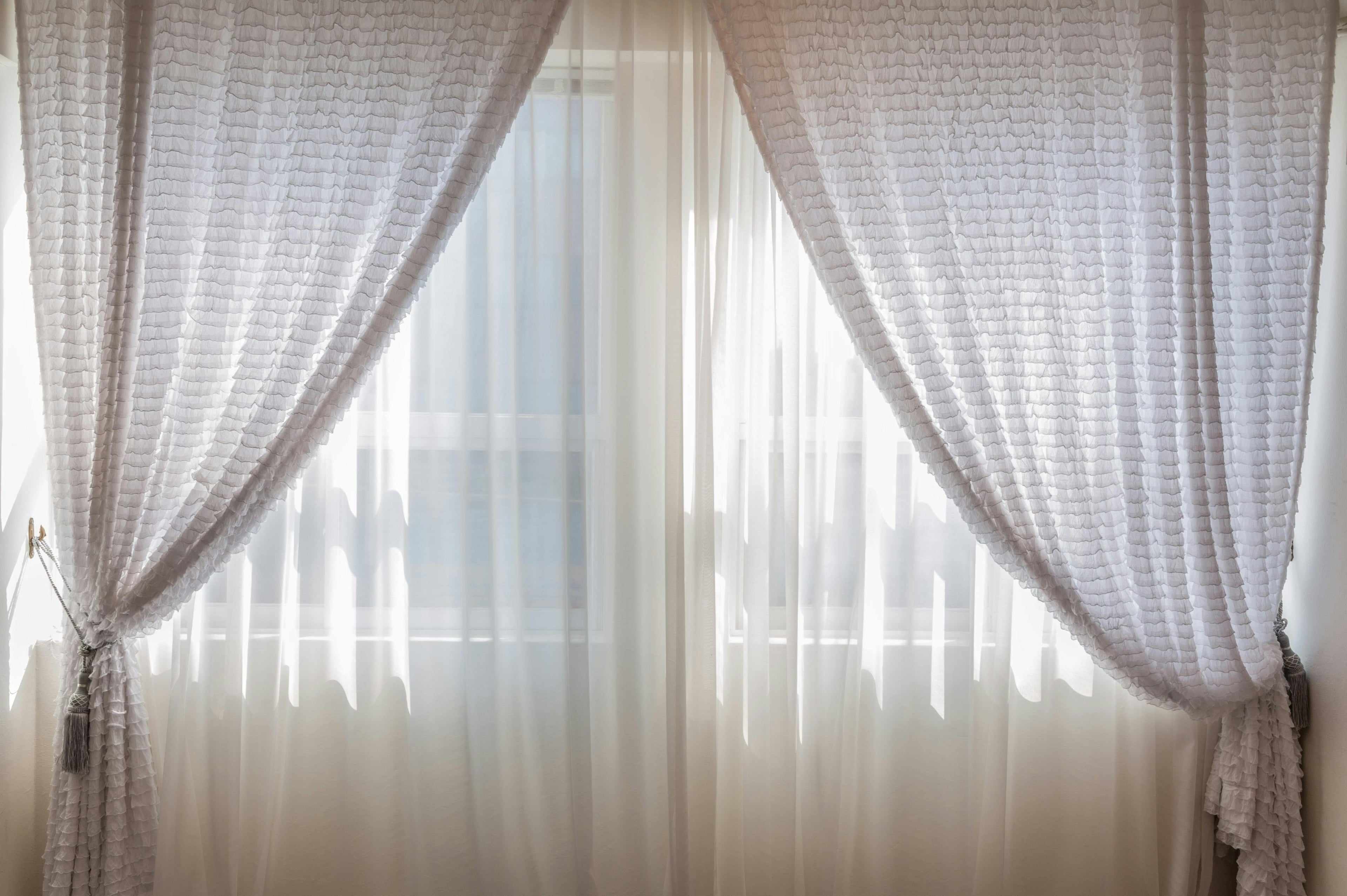
In the world of interior decoration, curtains are not mere accessories. They are guardians of privacy, regulators of light, and decorative elements in their own right that structure a space. Among installation systems, tab-top curtains embody a solution that is both aesthetic and functional, offering incomparable fluidity of movement. But how do you go about making them glide with elegance and efficiency? This question, more technical than it seems, is crucial to fully enjoying their potential. A poor adjustment or unsuitable hardware can turn a beautiful setup into a source of daily frustration. This article guides you step by step, from the fundamentals of the system to expert tips, to master the art of making your tab-top curtains slide with silent grace and perfect control.
Understanding the Tab-Top Curtain System: The Secret to Perfect Gliding
Before seeking to optimize gliding, it is essential to understand the mechanics of your installation. A tab-top curtain consists of a rod, usually made of metal or wood, onto which tabs (or hooks) attached to the top of the curtain are threaded. Unlike independent rings, tabs are an integral part of the fabric or sewn onto it, creating a direct link. The quality of the glide therefore depends on three interacting elements: the rod (its material, finish, and diameter), the tabs (their shape and material), and the curtain itself (its weight and drape).
An anodized aluminum or chrome-plated steel rod will offer a smoother, more wear-resistant surface than a raw wood rod. Similarly, plastic or metal tabs coated with an anti-friction finish (such as Teflon) will glide much better than bare metal tabs on a metal surface, where squeaking can occur. The weight of the curtain is also decisive: a thick linen or velvet will require a more robust system than a lightweight sheer curtain.
Choosing the Right Hardware: The Foundation for Optimal Gliding
Investing in quality hardware is the first step toward curtains that glide effortlessly. Current trends favor discreet and stylish rods, such as tension rods or recessed tracks, but the tab principle remains applicable to many of them.
The Ideal Rod for Your Tab-Top Curtains
Opt for a rod with a suitable profile. Grooved rods (with a slot to insert tabs) are classic, but tubular rods with an integrated track are often more effective. Check that the inner diameter is compatible with the size of your tabs. Too much play will cause wobbling, while too tight a fit will block movement. "Soft-touch" finishes or powder coatings add an aesthetic touch and improve gliding.
The Crucial Role of Tabs and Hooks
Not all tabs are identical. There are sliding tabs (attached to a slider that moves within the track) and tabs that are directly threaded onto the rod. For smooth gliding, models with integrated wheels or ball bearings are excellent, especially for heavy curtains. Ensure that the tab material does not scratch the rod. For modern systems, high-density plastic "silent gliss" hooks are specifically designed to eliminate noise.
Preparation and Installation: Key Steps to Avoid Blockages
Careful installation prevents the majority of gliding problems. Take the time to measure, drill, and balance your setup properly.
Start by precisely measuring the width of your window and add an overhang of 20 to 30 cm on each side to ensure good coverage and ample movement. The mounting height of the rod is also important: placed too low, the curtain will drag on the floor; too high, it will appear unbalanced. The golden rule is to fix the rod between 10 and 15 cm above the window frame.
When drilling, use wall plugs suitable for your wall type (drywall, brick, concrete). A poorly fixed rod that moves or sags will make any attempt at smooth gliding impossible. Use a spirit level for perfect alignment. A tilted rod, even slightly, will cause uneven resistance, and the curtain will tend to always return to the lowest point.
Regular Maintenance: The Key to Long-Lasting Gliding
Dust, textile fibers, and ambient grease are the worst enemies of a sliding curtain system. Simple but regular maintenance works wonders.
- Cleaning the Rod: Wipe a slightly damp microfiber cloth along the entire length of the rod, focusing on the groove or track. For stubborn deposits, a little diluted white vinegar can help. Dry thoroughly afterward.
- Cleaning the Tabs: Detach the curtain if possible and wipe the tabs with a cloth. Check that no thread has become wrapped around them. For wheeled tabs, a drop of silicone oil (never vegetable oil or WD-40, which attract dust) on the axle can restore flexibility.
- Curtain Care: A clean curtain weighs its exact weight and does not shed lint. Follow washing or dry-cleaning instructions. Frequent vacuuming with the brush attachment is recommended.
Troubleshooting Common Gliding Problems
Despite all your care, snags can occur. Here is how to diagnose and resolve the most frequent issues with your tab-top curtains.
The Curtain Jams or Catches at a Specific Point
This often indicates a localized friction point. Visually check if the rod is dented or if a tab is deformed. Inspect the curtain seam at that spot: a thread knot or extra thickness may be rubbing against the wall or rod. Smooth the seam or replace the affected tab.
Gliding is Generally Difficult and Jerky
The problem is likely systemic. First cause: the curtain is too heavy for the system. Solution: add intermediate tabs to better distribute the weight. Second cause: the tabs are unsuitable (too large or too small). Third cause: lack of lubrication on a metal rod. Use a dry silicone spray or lightly rub a white wax candle on the rod to create a slippery film.
Tab-Top Curtains Produce a Squeaking Noise
This characteristic metallic noise is due to metal-on-metal friction. It is common with brass tabs on a steel rod. The most durable solution is to replace the tabs with plastic or coated models. As a temporary solution, apply a very thin line of silicone grease (specifically for blinds and curtains) to the running track.
Optimizing for Heavy Curtains or Large Sliding Glass Doors
Large curtains, whether velvet, brocade, or thick linen, present a challenge. The key is weight distribution and support reinforcement.
For these cases, opt for extra-robust rods, often called "heavy-duty curtain rods." They have a thicker metal gauge and a reinforced gliding mechanism. Increase the number of tabs: space them a maximum of 10-12 cm apart instead of the usual 15-20 cm. Each tab will thus bear less weight. Imperatively use wheeled tabs or ball-bearing systems. Finally, do not skimp on mounting brackets: use intermediate central supports to prevent sagging (bowing) of the rod over long spans.
Alternatives and Innovations: Beyond the Classic System
The world of decor is evolving, and with it, the solutions for making curtains glide. While the traditional tab system remains unbeatable for its authenticity, other options are worth knowing.
Rack-and-pinion tracks offer exceptionally smooth gliding, often operated by a cord or wand. Here, tabs are replaced by carriages that roll on an aluminum track. This is the high-end solution for very heavy curtains or designer installations. Another innovation: motorized systems. They are becoming more accessible and allow you to control opening and closing via remote control, smartphone, or even home automation integration. No more pulling on the fabric, which preserves the tabs and rod over time.
The Aesthetics of Gliding: Integrating Functionality into Decor
Making your curtains glide is not just a technical matter; it is also a sensory experience that contributes to a room's ambiance. A silent, light glide brings a feeling of luxury and mastery.
Play with decorative effects. Visible brass or copper tabs can become an ornamental detail on a matte black rod. For a contemporary style, rods and tabs in the same color as the wall tend to disappear, leaving all attention on the curtain and its movement. Also consider tiebacks and pulls: beyond their utility for holding the curtain open, they offer an opportunity to add a stylistic touch (braided cord, silk ribbon, wooden bar) and avoid unnecessarily straining the gliding system by keeping the fabric in place.
FAQ: Your Questions About Tab-Top Curtains
Can I Convert Ring-Top Curtains into Tab-Top Curtains?
Yes, it is entirely possible, but it requires some sewing. You either need to unpick the ring tape and replace it with tab tape (sold at haberdashery stores), or sew individual tabs directly onto the back of the curtain, in perfect alignment. Measure the spacing carefully before starting to ensure it matches your rod.
How Often Should I Maintain My System for Smooth Gliding?
Light maintenance (dusting the rod and tabs) is recommended every two to three months. A more thorough cleaning, including possible detaching of tabs and checking fixings, should be done once or twice a year, ideally during a seasonal decor change.
What If My Rod Is Already Installed and the Curtains Glide Poorly?
Don't panic; several fixes are possible without dismantling everything. You can: 1) Replace only the tabs with more suitable models (e.g., wheeled ones). 2) Apply a dry lubricant to the rod. 3) Add extra tabs to the curtain to better distribute the weight. 4) Check and tighten wall fixings that may have loosened.
Are Thermal-Lined Curtains Compatible with a Tab System?
Absolutely, but they require a reinforced installation. Their weight is significantly increased. It is imperative to use a rod designed for heavy curtains, robust rolling tabs, and to multiply the wall fixing points. Also allow sufficient space between the curtain and the wall so that the fabric thickness does not create friction.
Are There Silent Tabs for a Bedroom?
Yes, this is even a priority for this type of room. Specifically look for "silent hooks" or "silent gliss tabs." They are made of self-lubricating plastic or nylon and are designed to eliminate any squeaking. Systems with an integrated plastic track are also very acoustically discreet.
Conclusion: The Mastered Art of Movement
Making tab-top curtains glide with ease is the perfect synthesis of a good choice of hardware, rigorous installation, and attentive maintenance. It is not a detail, but an element that greatly contributes to daily comfort and the longevity of your decor. By understanding the mechanisms at play and applying the practical tips detailed here, you will transform a simple action into a fluid and satisfying gesture. Whether you are dealing with a light sheer or heavy drapes, the solution for perfect gliding exists. To discover more inspiration and technical guides to enhance every corner of your home, feel free to explore the many resources available on ombreinterieur.fr. Our guide how to weight outdoor curtains helps you make the right choice. Find our entire decor universe on Ombre Interieur.
