
















How to Install Gazebo Curtains: Complete Guide
Turning a gazebo into a true outdoor living space begins with one simple yet decisive step: adding curtains. Beyond their decorative appeal, you want to control light, wind, and privacy in your own corner of the garden. The choice of fixings, fabrics, and measurements determines the success of the project. This guide invites you to explore the technical and aesthetic solutions that will strike the perfect balance between function and elegance, making your exterior a seamless extension of your interior.
Installing curtains on your gazebo is much more than just an assembly step. It is the final act that transforms an open structure into a true outdoor haven, an additional living space that is both elegant and functional. Whether you are looking to protect yourself from the sun, wind, prying eyes, or insects, or simply want to add a touch of decor and privacy, curtains are the solution. But how to install gazebo curtains safely, aesthetically, and durably? This question encompasses choosing the right materials, understanding your structure, fastening techniques, and the finishing touches that make all the difference. This article guides you step by step, from essential preparations to decoration tips, ensuring your installation is a complete success.
Understanding Your Gazebo: The Foundation of a Successful Installation
Before buying the first curtain you see, it is essential to analyze your gazebo's structure. This step will determine the rest of your installation project.
The material of the structure (galvanized steel, aluminum, wood) influences the type of fastening you can use. A wooden frame allows for more direct fastening with screws, while on steel, a rail or rope system will often be more suitable.
The shape of the gazebo is also crucial. Square or rectangular models are the simplest. For hexagonal, octagonal, or conical roof gazebos, installation requires more planning to manage the angles.
Finally, assess the space between the top of the railing (the bottom of the structure) and the roof. This available height will dictate the length of your curtains and their opening method.
Choosing Curtains: Material, Style, and Functionality
The market offers a multitude of options. Your choice must balance aesthetics, practicality, and weather resistance.
The Most Suitable Materials for Outdoor Use
Opt for technical fabrics designed to withstand the elements. Coated polyester or woven PVC are rot-proof, UV-resistant, and easy to clean. For a more natural feel, thick cotton canvas is robust but may require a waterproofing treatment. Outdoor sheer curtains in polyester add lightness and filter the sun without blocking the view.
Opacity and Colors: Creating the Ambiance
Do you want total privacy or simply to soften the sun? Opaque fabrics (like black canvas) create a very private sanctuary. Semi-sheer fabrics diffuse a soft light. Current trends play with natural tones (beige, stone gray, sage green) and subtle stripes for a calming and modern outdoor decor.
The Crucial Question of Grommets and Rings
Most gazebo curtains are sold with reinforced metal grommets at the top. Check their inner diameter (usually 4 to 5 cm) to choose a compatible rail system or rod. The quality of these grommets is essential to prevent the fabric from tearing.
Fastening Systems: Advantages, Disadvantages, and Installation
This is the technical core of the installation. Several methods exist, each with its own specific features.
The Sliding Rail System: The Premium and Practical Option
Ideal for large gazebos or frequent use, the rail allows for smooth sliding of the curtains. It is usually fixed under the roof gutter or on the inner face of the posts.
To install it, precisely measure the perimeter of your gazebo. PVC or aluminum rails are easily cut with a saw and assembled with corner connectors. Attach them to the structure using hose clamps or screws, ensuring perfect alignment. The curtains then clip onto the sliding hooks.
The Classic Curtain Rod: Simple and Economical
A very accessible solution. Use curved rods for outdoor use, often made of galvanized steel. They are fixed to the posts using brackets. This method is perfect for curtains that you will not open and close daily, but rather draw for an occasion.
Ensure the rod is strong enough to support the weight of the curtains when wet from rain.
The Rope or Tension Cable System: The Sleek Aesthetic
Very trendy for a nautical or bohemian look, this system uses a nylon-coated steel cable, tensioned between the posts via turnbuckles. Curtains with grommets are then threaded directly onto the cable.
The advantage is its invisibility and ease of installation. The disadvantage may be less smooth sliding than on a rail. Make sure to tension the cable sufficiently to prevent sagging.
"S" Hooks and Rings: The Modular Solution
The simplest method is to hang the curtain grommets directly onto a series of "S" hooks attached under the roof edge or on a basic rail. It is modular and inexpensive, but less elegant and less practical for regular opening and closing.
Preparation and Measurements: The Essential Step
A measurement error can ruin your project. Take the time to do this step properly.
For the height, measure from your chosen attachment point (under the roof) to where you want the curtain to end (above the ground, at the railing level, or down to the ground). Subtract 2-3 cm to prevent the fabric from dragging in moisture.
For the width, measure the total length of each side to be dressed. The golden rule is to plan for a curtain width equal to 1.5 to 2 times the width of the opening for a nice draped effect when closed.
Remember to note the diameter of the grommets and the spacing between them to purchase the appropriate fastening accessories.
The Step-by-Step Installation Process
Armed with your curtains and fastening system, get to work.
Start by assembling and positioning your fastening system (rail, rod, cable) without tightening it permanently. Check the level and alignment on all sides.
Thread or hang a first curtain to test. This allows you to check the height and smoothness of the system. Adjust the fastening height if necessary.
Once satisfied, permanently fix the fastening system. Screw or firmly tighten all clamps and brackets. On a metal gazebo, using self-drilling screws makes the job much easier.
Then hang all the curtains. For a professional look, ensure all folds fall in the same direction.
Essential Finishing Touches and Accessories
These details ensure longevity and ease of use.
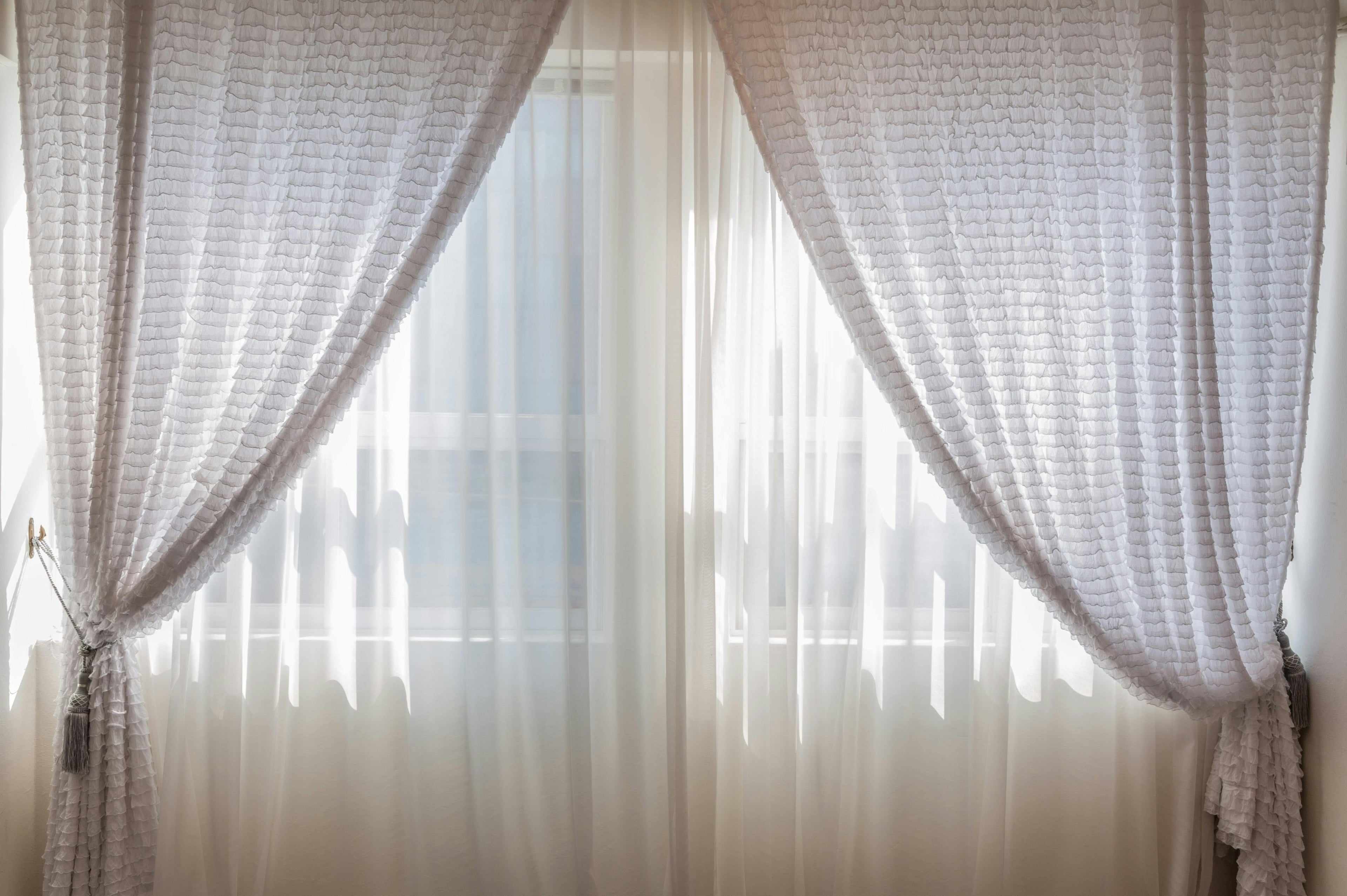
To hold curtains open elegantly, use tiebacks or ties made of UV-resistant fabric. Attach them to the posts for a decorative touch.
In strong winds, curtains can become uncontrollable. Install discreet clips or hook-and-loop (Velcro) strips on the posts to keep them closed.
For increased side protection against driving rain, consider removable fabric panels to be attached with zippers or snaps.
Maintenance and Storage of Gazebo Curtains
Good maintenance significantly extends their lifespan.
Most outdoor fabrics can be cleaned with a soft brush, clean water, and mild soap. Avoid harsh detergents. Always let them dry completely before closing or storing them.
At the end of the season, it is recommended to take them down, wash them thoroughly, and store them dry, away from dust, in a storage bag. This prevents mold and yellowing.
Regularly inspect the fastenings, grommets, and rail system for any rust or premature wear.
Decor Inspiration: Personalizing Your Space
Curtains are the soul of your gazebo. Play with layers to create ambiance.
Layer a light sheer curtain with an opaque curtain to modulate privacy and light throughout the day.
Add a fairy light garland (waterproof) along the rail or posts to create undeniable magic as night falls.
Choose tiebacks and ties coordinated with your garden furniture or cushions for a harmonious and thoughtful look.
FAQ: Answers to the Most Frequently Asked Questions
What is the best fabric for gazebo curtains that stay outside all year round?
For ultimate durability, opt for PVC-coated polyester or solution-dyed acrylic (like Sunbrella®) fabrics. These materials are specifically designed to withstand intense UV rays, rain, mold, and fading. They represent a larger investment but guarantee a lifespan of several years, even in permanent exposure.
Can you install curtains on a gazebo without drilling?
Yes, several non-invasive solutions exist. The most effective is using heavy-duty hose clamps to attach a rail or rod around the posts. You can also opt for a tension cable system with eyelet turnbuckles, which requires only very small attachment points. Finally, some kits offer high-strength adhesive brackets, but their long-term hold on materials like canvas or metal can be unreliable, especially under the weight of curtains and in strong winds.
How do I prevent curtains from blowing away or flapping in the wind?
Several combinable tricks are effective. First, use strong tiebacks or ties to attach them to the posts when open. Next, you can sew or use fabric glue to attach small weights (like those used for indoor curtains) into the bottom hem. Finally, on the sides, installing Velcro strips (one part on the curtain, the other on the post) allows you to keep them closed discreetly and effectively against gusts.
My curtains let water in on the sides. What should I do?
This is a common problem. The most aesthetic and functional solution is to install removable side panels or zippers between each curtain. This way, when the weather turns bad, you can perfectly join the curtains together to form a waterproof barrier. A simpler alternative is to overlap the curtains generously (hence the importance of planning a generous width) and fasten them together with snaps or crossed ties.
How do I give my gazebo a bohemian style with curtains?
The bohemian style is characterized by natural materials, lightness, and artisanal details. Opt for thick cotton sheers in white or ecru that float in the wind. Use a hemp or jute rope system to hang the curtains. Favor generous lengths that brush the floor. Attach pom-poms, fringes, or macramé along the hems. Complete the look with ethnic rugs, embroidered cushions, and lanterns to create a truly charming and cozy outdoor living room.
Conclusion: Enjoy Your New Living Space
Knowing how to install gazebo curtains is a skill that opens the door to months of comfort and outdoor enjoyment. By following these detailed steps – from analyzing your structure to choosing the fastening system, through decorative finishing touches – you will transform a simple structure into a personalized haven of peace. Curtains bring the privacy, protection, and style that garden spaces so often lack. Don't hesitate to experiment with textures and colors so that your gazebo perfectly reflects your personality. To discover more inspirations and tips for furnishing your indoor and outdoor spaces, explore the many resources available on ombreinterieur.fr. Check out our article how to make a curtain from an old sheet to go further. Get inspired on our decoration website for your upcoming projects.
