













Hanging Curtains with Rings: Complete Guide and Trends
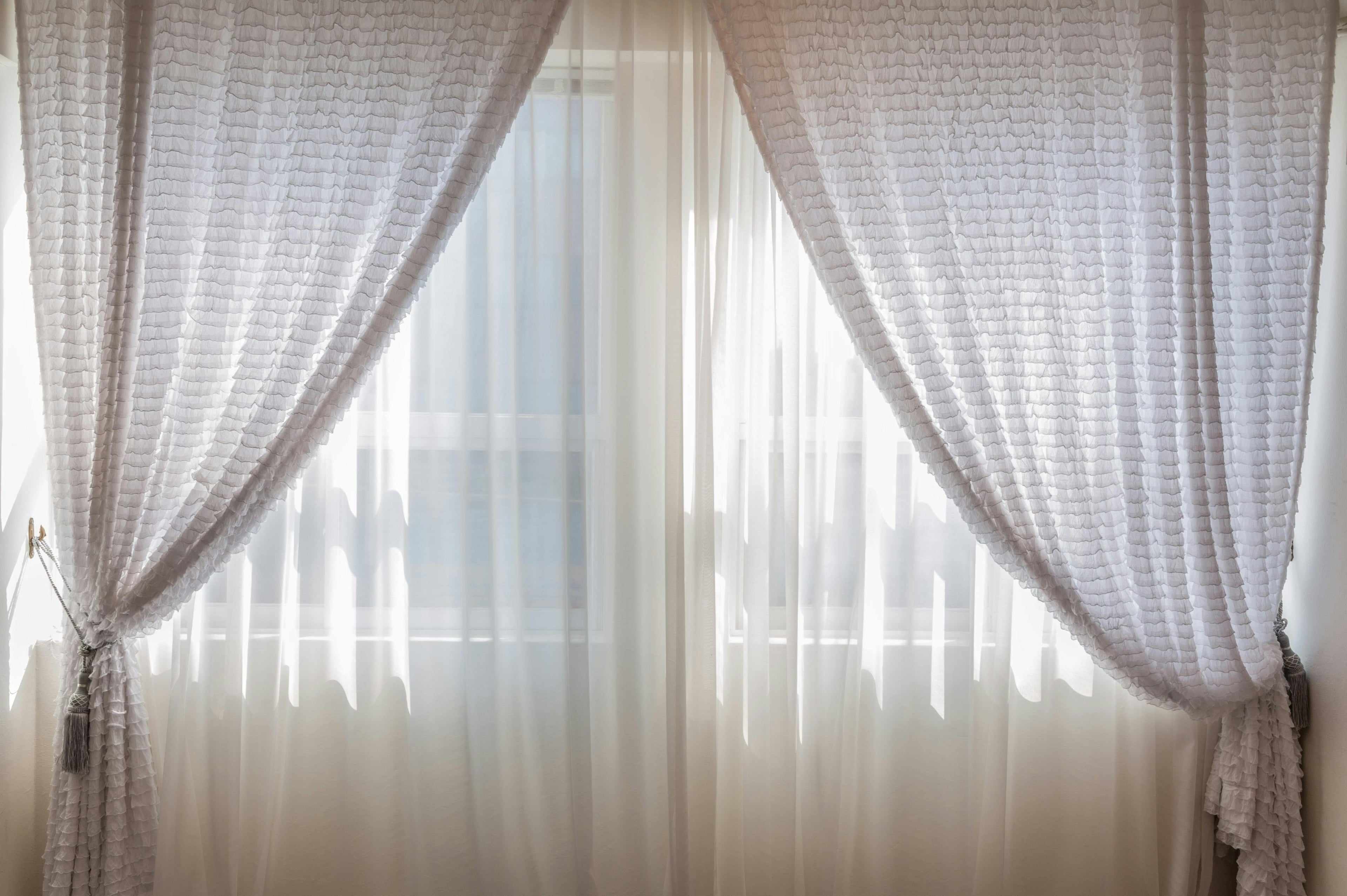
Hanging curtains with rings is far more than a simple fixture—it is a decisive gesture that shapes the atmosphere of a room. From the smoothness of the glide to the sculpted volume and aesthetic freedom, this technical choice transforms both the function and style of your sheers. The materials and finishes of the rings, from brushed brass to natural wood, become genuine decorative accents. You will learn to select each component for a flawless installation, while keeping pace with current trends. Let yourself be guided toward a bespoke ambience.
Hanging curtains with rings is much more than a simple technical step in decorating your interior. It's an aesthetic and functional choice that profoundly influences a room's ambiance, the ease of use of your sheer or thick fabrics, and even the perception of ceiling height. While the classic method of sliding hangers or sewn-in grommets has its followers, using rings, or curtain rings, offers unparalleled versatility and elegance. Whether you want to create a theatrical effect with heavy velvet, add an industrial touch with metal rings, or simply make the daily operation of your double curtains easier, mastering this technique is essential. This article guides you through each step, from choosing the right accessories to perfect installation, exploring current trends, and answering all your questions for a polished decoration.
Why Choose Rings for Your Curtains? Advantages and Aesthetics
Before you start drilling, it's crucial to understand why curtain rings appeal so much to decorators and homeowners. Their first undeniable asset is the fluidity of sliding. A curtain hung with rings moves with astonishing ease along the rod, without snagging, which is particularly appreciated for heavy fabrics or frequent openings.
From an aesthetic standpoint, they offer total freedom. They create a generous, structured fold at the top of the curtain, often called a "draped fold," which adds volume and character. Unlike grommets, which impose a regular but rigid fold, rings allow you to vary the spacing for a more personalized effect. Finally, they are the detail that makes the difference: a ring in aged brass, natural wood, or colored acrylic becomes a decorative element in its own right, complementing the room's style.
The Essential Equipment: Much More Than a Handful of Rings
To hang curtains with rings professionally, you need a complete kit. Don't underestimate the importance of each element, as the sturdiness and finish of the whole depend on it.
The Rings: Materials, Diameters, and Styles
The choice of rings is vast. The most common materials are metal (steel, brass, wrought iron), wood, and plastic/acrylic. In 2026, a clear trend is towards textured finishes: brushed brass, matte black, or even controlled rust effects for an industrial or bohemian style. The inner diameter of the ring should be slightly larger than the diameter of the rod (generally 1 to 2 cm more) for optimal sliding. A diameter that is too tight will cause friction.
The Hooks or Clips: The Invisible Link
This is the element that connects the ring to the fabric. There are two main systems: clip-on hooks (a metal clip that attaches to the top of the curtain) and grommet hooks (a hook that goes through a pre-sewn grommet on the curtain). Clips are by far the most versatile and commonly used, as they adapt to almost all types of curtains, even without a pre-made hem. Opt for clips with plastic-coated jaws to avoid marking delicate fabric.
The Rod: The Support for the Whole Setup
The rod must be sturdy and suited to the weight of your curtains. For a ring system, circular rods (tubular) are ideal. Current trends favor exposed rods, which have become true design objects. Models in brass, black steel, or with decorative sculpted finials are highly sought after. Ensure the rod is long enough to extend beyond each side of the window, allowing the curtains to be pulled back completely and let in light.
Other Accessories
Don't forget the mounting brackets (anchors suitable for your wall type are crucial), end finials, and possibly a center draw cord for separating two curtain panels. A tape measure, a spirit level, and a drill-driver are your best allies for installation.
How to Calculate the Number of Rings Needed? The Golden Rule
A curtain with too few rings will look skimpy and won't pull well; with too many rings, it will be overloaded. The rule generally accepted by professionals is to place a ring every 10 to 15 centimeters. For a precise calculation, measure the total width of your curtain panel (once the side hems are made). Divide this width by the chosen spacing (for example, 12 cm).
Let's take a concrete example: your finished curtain panel measures 150 cm wide. You choose a spacing of 12 cm. 150 / 12 = 12.5. Round up to the next whole number, which is 13 rings. It is also advisable to always place a ring at each end of the curtain, very close to the edge. For a more luxurious look and fuller folds, space them a bit more (15 cm). For a more structured and modern look, bring them closer together (10 cm).
Step by Step: The Perfect Installation of Your Ring-Top Curtains
Follow this methodical guide for a result worthy of an interior decorator.
Step 1: Preparing the Curtain and Attaching the Clips
Your curtain must have a reinforced top hem, often a lining strip or a simple 2 to 3 cm hem. Lay the curtain flat, wrong side up. Mark the position of each clip following the calculated spacing. The clip attaches by pinching the fabric: ensure the clip's jaw is parallel to the top of the curtain and that it grips enough fabric to be sturdy, but without distorting the edge. Test the sturdiness by pulling gently.
Step 2: Installing the Rod on the Wall or Ceiling
This is the most critical step for sturdiness. Use a stud finder to locate studs or concrete. Mark the position of the rod brackets using a spirit level. The standard height is 15 to 20 cm above the window frame, but for a very trendy "ceiling-to-floor" effect that enlarges the room, fix the rod a few centimeters from the ceiling. Drill, insert wall plugs, and firmly screw in the brackets.
Step 3: Threading the Rings and Final Hanging
Thread all the rings onto the rod before fixing it between its brackets. Once the rod is in place, hook each clip-on hook (already attached to the curtain) into its corresponding ring. Proceed from one end to the other, lifting the curtain as you go. Check the alignment and uniformity of the folds. Your curtain is now in place!
Trendy Styles to Adopt with Curtain Rings
Rings are a fantastic vector of style. Here's how to integrate them into the most fashionable atmospheres.
Timeless Elegance: Classic and Luxurious Style
For a refined living room or bedroom, pair velvet or heavy linen curtains with rings in polished brass or matte gold. Choose discreet clips and opt for regular spacing (12 cm) for perfect folds. A brass rod with finials in the shape of a ball or crown will complete this sophisticated look.
Raw Charm: Industrial and Scandinavian Style
Industrial and Scandinavian hygge styles blend wonderfully with this system. Think of rings in black iron, raw-design clip hooks, and an exposed steel tube rod. Pair them with curtains in natural linen, loosely woven cotton, or even burlap for an authentic and warm effect.
Bohemian Lightness: Contemporary and Airy Style
For a teenager's room or a casual living room, rings in transparent or colored acrylic (sand, terracotta) are perfect. They add a touch of lightness and modernity. Hang thick sheers, printed fabrics, or lightweight cotton curtains on them. The spacing can be more irregular for a deliberately nonchalant effect.
Solving Common Problems: Pro Tips
Even with the best preparation, a few issues can arise. Here's how to solve them.
The rings squeak or slide poorly: This is often due to dust or metal-on-metal friction. Clean the rod with a microfiber cloth. For ultra-silent sliding, apply a very light trace of candle wax or dry lubricant (like silicone spray) to the rod. Avoid greases that attract dust.
The curtain doesn't hang straight: Check that the rod is perfectly level. Also ensure that all clips are attached at the same distance from the top of the curtain. An uneven top hem is a frequent cause of this problem.
The rod seems to sag in the middle: You underestimated the weight of your curtains! Add an intermediate support in the center of the rod to hold it up. For very wide spans, plan for several supports from the start of installation.
The clips leave marks on the fabric: Choose clips with protective tips. You can also glue a small piece of felt or thin double-sided tape inside the clip's jaws to create a protective layer.
Rings vs. Other Systems: The Fastening Showdown
Why choose rings over another method? Let's compare.
Rings vs. Sliding Hangers (tracks): Tracks are discreet and functional, often used for double curtains. However, they are less aesthetic (often hidden by a valance) and can be noisier. Rings offer easier access and a more assertive style.
Rings vs. Grommets: Grommet-top curtains are modern and easy to install, but they impose a specific fold and require a reinforced hem and a special tool to set the grommets. Rings with clips are much more adaptable and reversible.
Rings vs. Tab-Top (or grommet tape): Tab-top is a fabric strip with integrated grommets. It's a practical solution, but it limits the style to a rather casual look. Rings allow for much greater personalization of height and drape.
The verdict? Curtain rings win the prize for versatility, personalization, and ease of daily use.
FAQ: Your Questions About Hanging Curtains with Rings
Can you use rings on a square rod?
Absolutely! It's even a growing trend. You simply need to choose rings with a clip or hook whose base is adapted to the square shape. Ensure the ring can rotate freely around the rod to avoid wear.
How many curtains can you hang on the same rod with rings?
Technically, you can layer several. The most common method is to have two layers: a blackout or thick curtain on the rings closest to the wall, and a sheer or transparent curtain on a second row of rings, in front. You then need a rod that is long enough and rings of slightly different sizes to avoid collisions.
Are rings suitable for all types of fabric?
Yes, provided you adapt the fastening system. For very delicate fabrics (silk, fine voile), prefer clips with a large contact surface and a soft coating. For very thick or heavy fabrics (velvet, tweed), opt for rings and hooks made of sturdy metal and check the rod's sturdiness.
How do you wash a curtain hung with rings and clips?
The great ease is being able to unhook the curtain in an instant! Simply unhook each clip-on hook from its ring. You can leave the rings on the rod. Wash the curtain according to the manufacturer's instructions, usually removing the clips beforehand (they clip and unclip easily).
Can you create a "kiss the floor" effect with rings?
Yes, and it's very elegant. For a "kiss the floor" effect (the curtain just grazes the floor), measure the distance from the ring's hook (once on the rod) to the floor. The finished length of your curtain must be exactly this measurement. For a "puddle" effect (the curtain forms slight folds on the floor), add 5 to 10 cm to this measurement.
Inspirations and Creative Ideas to Go Further
Dare to go off the beaten path! For an original headboard, fix a rod to the wall and hang a panel of noble fabric with decorative rings. In a library or to separate a space, use a ceiling rod and ring-top curtains to create a soft, movable partition. Even in a kitchen, a small rod with a ring-top curtain can hide a storage corner while adding texture.
Play with mixes: why not alternate wood and metal rings on the same rod for a mastered eclectic effect? Or paint a simple rod in a contrasting color to make it a graphic element? The possibilities are endless once you master the basic technique.
Conclusion: The Art and Method of Hanging Your Curtains Well
Hanging curtains with rings is much more than a practical skill; it's a decorative act in its own right that combines technique and creativity. From the meticulous choice of rings and rod to the precise installation, each step contributes to creating a unique ambiance in your interior. Whether you seek classic elegance, industrial charm, or contemporary lightness, this fastening system offers you total freedom to express your style. By following the detailed advice in this article, you are now equipped to transform your openings and add that final touch that makes all the difference. Don't hesitate to experiment, mix textures, and personalize your installation. To discover more decor ideas and tutorials to enhance every room in your home, explore the other resources available on ombreinterieur.fr. Your interior deserves this level of finish. Our guide how to hang curtains helps you make the right choice. Discover our entire decor universe on Ombre Interieur.
