















How to Hang Curtains: A Complete Guide to Height and Style
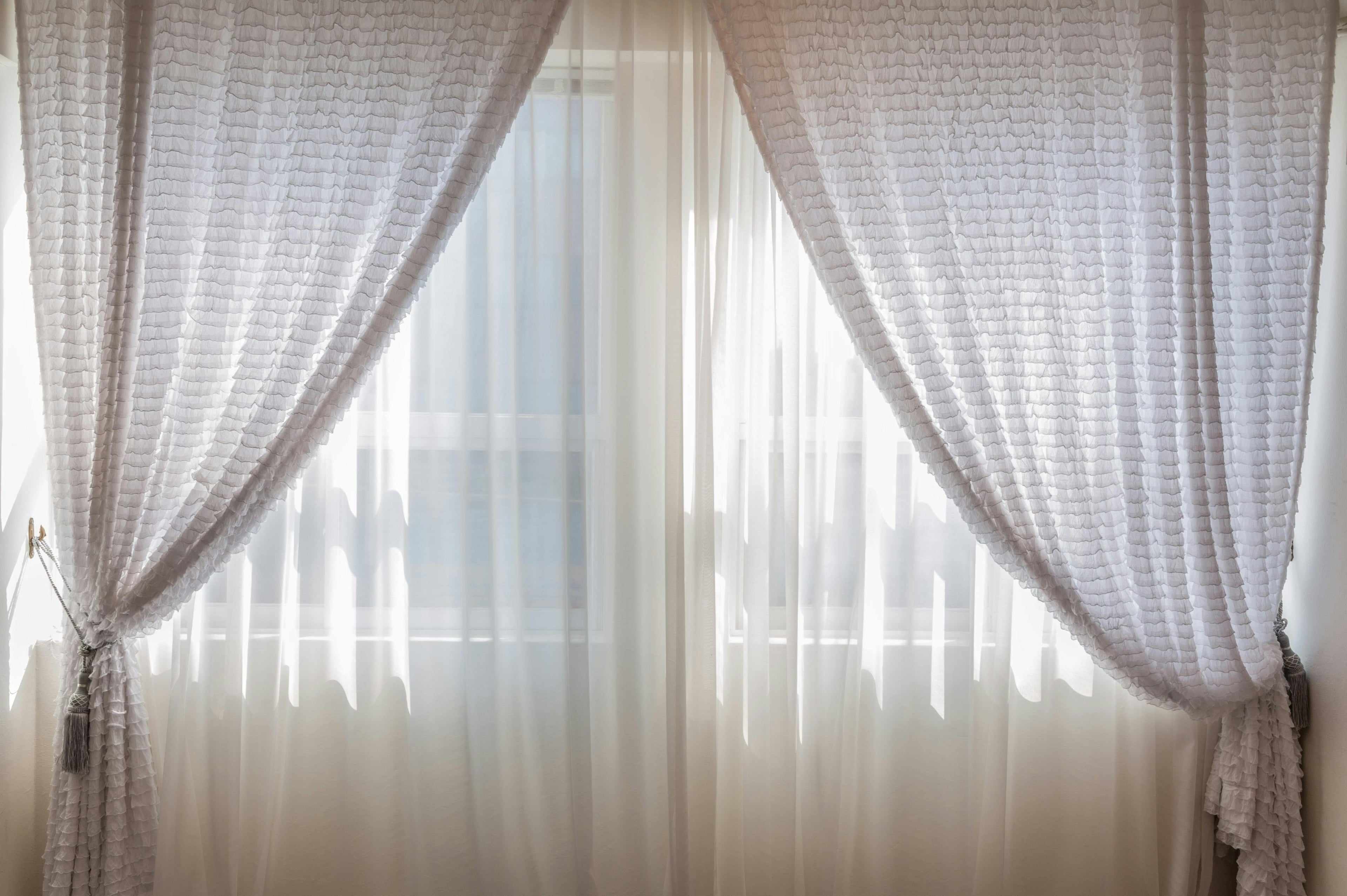
Hanging a curtain is about far more than covering a window: it is a matter of proportion and elegance. The height of your rail, the width of the fabric and the choice of hanging system shape the room’s atmosphere far more than you might imagine. A clumsy gesture can crush the volume, while a thoughtful installation elevates both space and light. Here, you will learn to master these essential rules, turning your windows into genuine decorative assets with a professional finish that brings character to your interior.
Hanging curtains may seem like a simple task, but it's actually a decisive gesture that transforms the atmosphere of a room. Much more than just a practical step, it's an opportunity to define style, play with light, and add a final touch of elegance to your interior. Choosing the right hanging system, the right height, or the right type of pleating can make all the difference between an ordinary window and a staged window. In this article, we will explore in detail all aspects of how to hang curtains, from the fundamentals to professional tips, including current trends in interior decoration.
The Fundamentals: Why Hanging Your Curtains Properly is Essential
Before diving into the choice of rods or rings, it's crucial to understand the impact of a successful installation. Well-hung curtains enhance the architecture, create an illusion of space, and allow optimal control of privacy and brightness. Conversely, poorly positioned curtains can overwhelm a room, give an impression of clutter, and even hinder the operation of windows.
The three pillars of successful hanging are height, width, and depth. Respecting these key dimensions guarantees a professional and aesthetic result. We will detail each of these points in the following sections, but remember from now on that you should never settle for simply following the edge of the window. The goal is to create a harmonious composition that interacts with the entire room.
The Golden Rule: Curtain Hanging Height
This is the most important advice and yet the most often ignored: you must hang curtains high and wide. This technique is the universal secret for giving ceiling height and a sense of grandeur to any window.
Where to Place the Rod or Bar?
For an ideal height, position your hanging system halfway between the top of the window opening and the ceiling, or even just 10-15 cm from the ceiling. This visual trick pulls the room upward. Even with small curtains, this effect works. Avoid at all costs hanging the rod just above the window frame, except in very specific cases of rustic style or cottage.
Calculating Curtain Length
Once the rod height is determined, you need to calculate the curtain length. Two classic options exist: the curtain that grazes the floor (at a maximum of 1 cm from the floor for a modern, clean look) and the curtain that "puddles" slightly (with an extra 5 to 15 cm of fabric resting on the floor for a romantic and luxurious effect). The too-short curtain, which stops at the windowsill level, is reserved for kitchens or bathrooms and often gives an unfinished look.
Width: Giving Fullness to Your Windows
Hanging curtains "wide" means that the rod or bar should extend beyond each side of the window. This allows two essential things: first, when the curtains are open, they don't cover the window and let in maximum natural light. Second, it visually widens the window.
A good rule is to plan an extension of 15 to 30 cm on each side. For a truly theatrical and generous impression, you can even go up to 50 cm. The total width of your rod will also determine the amount of fabric needed. For rich pleating, it's generally estimated that you need a curtain with a width of 1.5 to 2.5 times the width of the rod.
Choosing the Hanging System: Rods, Rails, and Cables
The support you choose directly influences the final style and ease of handling the curtains. Here is an overview of the available options.
Classic Curtain Rods
Available in metal (brass, black steel, copper), wood, or plastic, rods are versatile. They can be visible, becoming part of the decor, or concealed by a valance. Sliding rings with clips or grommets are the most common. Current trends favor thin rods in polished brass or matte black steel for a contemporary look, or raw wood rods for a Scandinavian or natural ambiance.
Rails or Tracks
Less visible than rods, rails are usually fixed to the ceiling or high on the wall and are hidden by the fabric. They are perfect for heavy curtains (like black-out) or for creating curves. Cord or motorized systems are often installed on this type of support. It's the choice for discretion and functionality.
Tension Cables
Ultra-minimalist, steel cables stretched between two points give the impression that the curtains are floating. They are ideal for modern, clean interiors, or small rooms where you want to avoid the visual weight of a rod. Hanging is usually done via hooks or rings directly on the cable.
Hooks and Decorative Rods
For a bohemian, industrial, or vintage style, wall hooks (in the shape of a hook) or rods (short bars often fixed in the middle) offer creative possibilities. Curtains are often hung on them using grommets or fabric tabs. It's a less formal and very graphic solution.
The Different Types of Curtain Heading
The way the curtain is attached to its support also defines its drape and style. Here are the main systems.
- Rings with Clips: Practical and modern, they allow you to easily change curtains without sewing. The clip attaches to the top of the curtain, often on a reinforced band.
- Grommets (metal eyelets): They create soft, regular folds. Very trendy, they require a thin rod (with a diameter adapted to the grommets) and give a structured, contemporary look.
- Pencil Pleat Tape (or glider tape): This is a reinforced fabric tape with fabric eyelets or sewn tunnels. It slides directly onto the rod, offering a very regular and discreet fold. Very used for double curtains.
- Pleating Tape (style "French pleat", "pencil pleat", "box pleat"): This is the most traditional and luxurious option. A tape with cords is sewn at the top of the curtain. By pulling the cords, you form permanent and elegant pleats. It's the must for a classic living room or bedroom.
- Tabs (or loops): Fabric strips sewn at regular intervals to pass the rod through. Casual effect, often seen on sheer curtains or linen curtains.
Hanging Curtains in Complex Situations
Not all windows are standard. Here's how to adapt the principles to particular configurations.
Bay Windows and French Doors
For these large openings, prefer a curved rail or a flexible rod that can follow the angle. The hanging must be sturdy to support large panels of fabric. Remember to open the curtains to the sides so as not to obstruct the view and light.
Corner Windows or Sloped Ceilings
Under a sloped roof, a ceiling rail is often the best solution. It can follow the slope, allowing the curtain to hang vertically despite the wall's incline. For a wall corner, a specific corner rod or an adaptable rail system will solve the problem.
Behind a Radiator
This is a frequent puzzle. The solution is to use a wall bracket that projects the rod away from the wall, so that the curtain falls in front of the radiator without touching it. Also choose a light fabric that doesn't trap heat and allows it to circulate in the room.
Current Trends in Curtain Hanging
Interior decoration evolves, and hanging methods do too. Current trends highlight simplicity, natural materials, and boldness.
- Double Hanging: Layering a transparent sheer (on a hidden rail) and opaque curtains (on a visible rod) creates depth and allows you to modulate light with elegance.
- Contrasting Rods: Dare to use a rod in aged gold, intense black, or dark green to make it a decorative element in its own right, contrasting with the wall or curtain color.
- Exaggerated "Pooling" Effect: The boho-chic trend loves curtains with a very generous "puddle," up to 30 cm of fabric spread on the floor, for a dramatic and cozy effect.
- Motorized Systems: Increasingly accessible, they bring ultimate comfort and a discreet high-tech side, controllable by smartphone or voice assistant.
- Natural Fabrics and Clean Lines: Curtains in linen, raw cotton, or hemp, simply hung on a thin metal rod with grommets, embody the "quiet luxury" trend and Mediterranean style.
Step-by-Step Guide to Hanging Your Curtains Like a Pro
Let's get practical. Follow these steps for a flawless installation.
- Measure and Note: Determine the height (from the floor to where the rod will go) and the width (window width + desired extension on each side). Don't forget to add the length of any decorative finials.
- Choose the Support: Based on your style and the weight of your curtains, select rod, rail, or cable. Check the maximum load capacity.
- Prepare the Tools: Drill/driver, wall plugs suitable for your wall type (drywall, brick, concrete), spirit level, tape measure, pencil. A stud finder is a plus to avoid electrical cables.
- Mark the Fixing Points: Draw a horizontal level line. Mark the bracket locations respecting the distances recommended by the manufacturer. For a rod, brackets are usually at the ends and one in the center for lengths over 1.5m.
- Drill and Fix: Drill at the marked locations, insert the wall plugs, and securely screw in the brackets or rail.
- Install the Rod and Curtains: Place the rod on its brackets. Thread the rings or slide the curtain onto the rod according to the chosen system. Hang the curtains.
- Adjust and Admire: Let the curtains hang for a few days for the folds to form naturally. Adjust the final height if necessary.
FAQ: Answers to Frequent Questions About Hanging Curtains
At what exact height should curtains be hung above a window?
There is no universal measurement, but a strong aesthetic rule: between 15 and 30 cm above the window frame. To maximize the height effect, get as close as possible to the ceiling (5 to 10 cm below). It all depends on the proportion of your room and the desired effect.
Can heavy curtains be hung on a drywall wall?
Yes, absolutely. The key is to use the right wall plugs. For heavy curtains, forget plastic plugs. Turn to expansion anchors for plasterboard (like "Molly" or metal expansion anchors) or, even better, fix your brackets into the metal studs of the drywall. Use a stud finder to locate them accurately.
What to do when the window is right up against the ceiling?
In this case, you cannot hang high. The trick is then to hang wide. Extend the rod well beyond the sides of the window to create an illusion of width and let in light. Choose a thin rod and light-colored curtains to lighten the whole look.
Should curtains be wider than the window?
Always. It's essential for generous pleating and to be able to open the curtains without covering the glass. The total width of the curtain(s) should be 1.5 to 2.5 times the width of the rod. The fuller the fabric, the richer and more elegant the drape will be.
How to hide an unsightly curtain rod?
Several solutions are available to you. The most effective is to add a valance (or stretched pelmet), a fabric-covered wood board fixed to the wall or ceiling that hides the entire system. Otherwise, you can opt for sliding panels on a ceiling rail, where the support is completely invisible, or choose curtains with a decorative heading (like box pleats) that descends enough to hide the rod.
Conclusion: The Ultimate Art of Finishing
Knowing how to hang curtains is a skill that involves both technique and aesthetic sense. It's the detail that completes a decoration, refines the proportions of a room, and modulates the light ambiance according to the hours and seasons. By respecting the principles of height and fullness, choosing a hanging system adapted to your style, and sometimes daring a touch of boldness, you will transform every window into a major element of your decor. Don't be afraid to test, adjust, and let your creativity speak. To discover more inspiration, detailed tutorials, and tailored advice for every room in your home, feel free to explore the other articles and complete guides available on ombreinterieur.fr. Your interior deserves this attention to detail. Before choosing, browse how to attach curtains with clips. Discover our entire decor universe on Ombre Interieur.
