

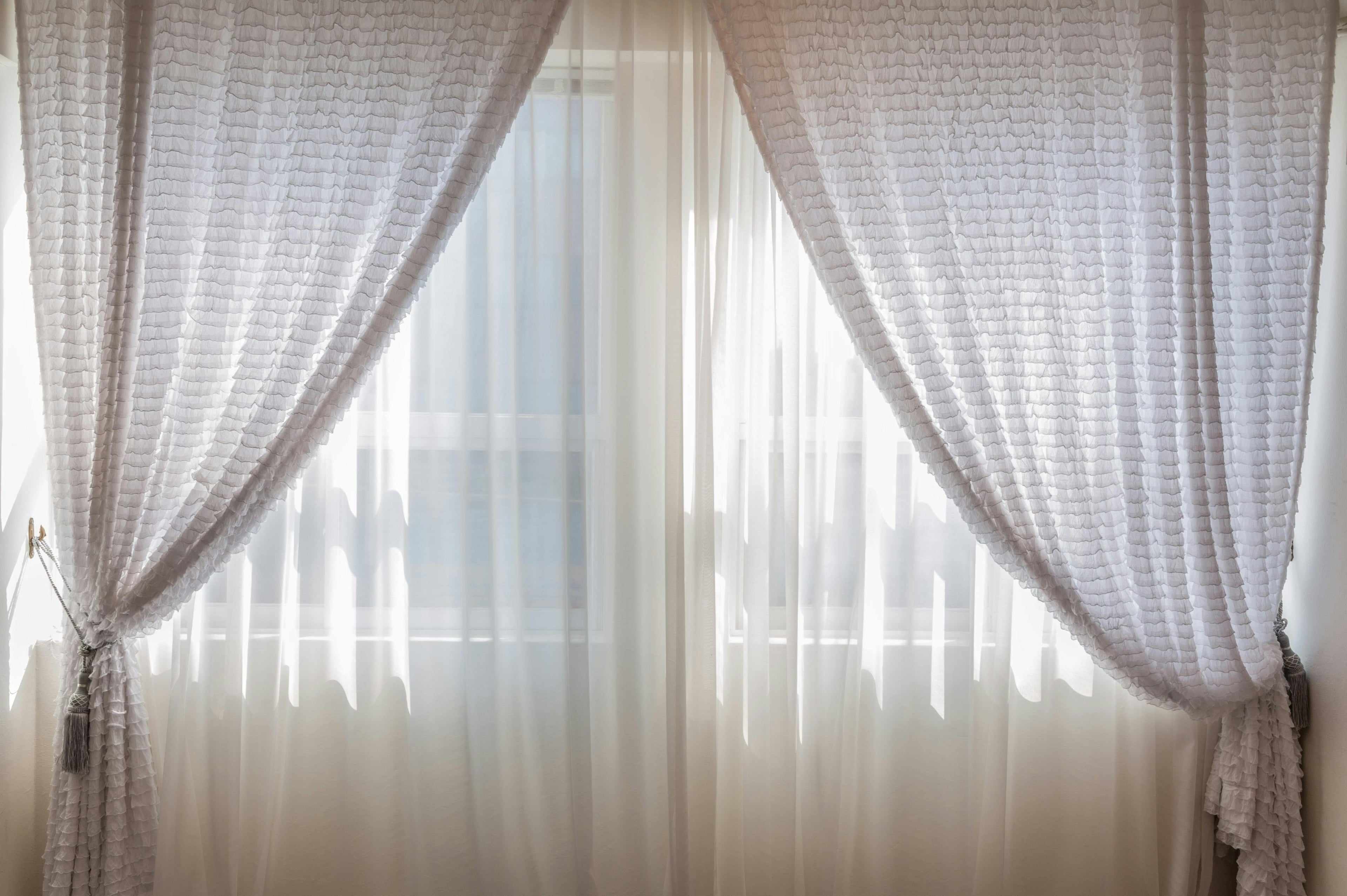














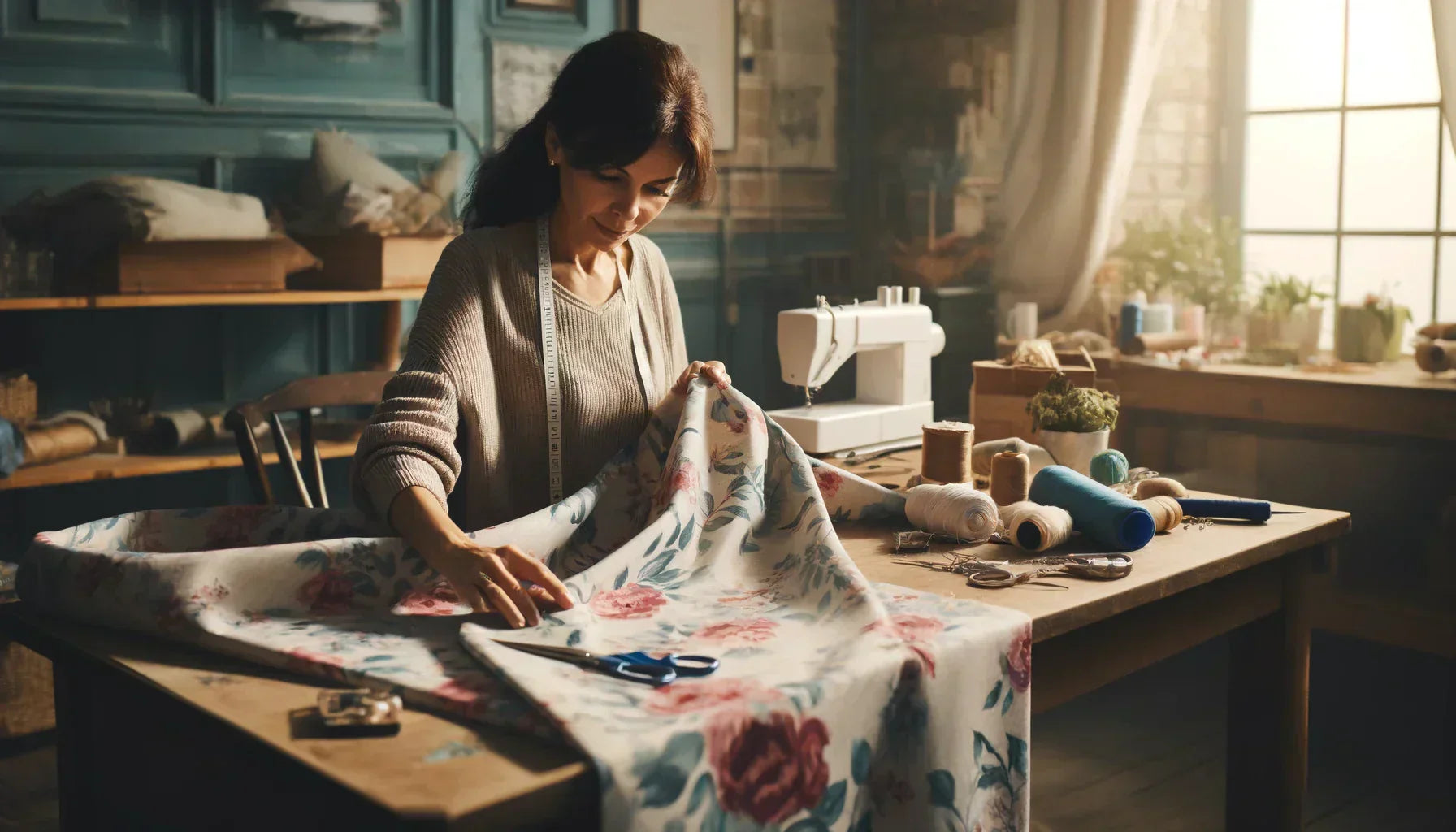
How to make a curtain from an old sheet?
An old linen or cotton sheet, forgotten at the back of a cupboard, holds surprising decorative potential. Rather than leaving it to gather dust, why not give it a second life as a made-to-measure curtain? This simple gesture combines creativity, thrift and environmental care, while adding a touch of authenticity to your home. With just a few sewing steps, you can transform a textile steeped in history into a one-of-a-kind decorative feature. Let us guide you in revealing the character of your windows.
Introduction: Why Recycle Old Sheets?
In a world where sustainability is becoming increasingly crucial, recycling old sheets, household linens, and other textiles is not just about waste reduction. It's also a fantastic opportunity to express your creativity. Transforming an old sheet into a curtain, duvet cover, or tablecloth is a way to combine style, decor, and eco-responsibility. Whether it's linen, cotton, or embroidered fabric, every piece of vintage linen can become a central element of your interior decoration.
Recycling household linens is not just a trend; it's also a practical way to extend the lifespan of often high-quality fabrics. Old sheets, for example, are frequently made with natural fibers like linen or cotton, robust materials that have the advantage of lasting over time. By recycling them, you preserve these fibers while avoiding the production of new fabrics.

Steps to Transform an Old Sheet into a Curtain
Selecting the Ideal Sheet for Your DIY Project
Choosing the right sheet is essential for a successful transformation. Prioritize robust fabrics like linen or cotton. Embroidered old sheets, typically adorned with monograms and vintage patterns, instantly add character to your decor. An old bed sheet, white or delicately colored, can be reinvented as a chic curtain or an elegant valance for your interior.
In addition to cotton and linen fabrics, you can also use silk or satin sheets for a more luxurious effect. These fabrics are perfect for curtains in rooms like the bedroom, as they add a touch of softness and elegance. Remember to choose fabrics in good condition; even if the sheets have some signs of age, these can be reworked or hidden using sewing techniques. Once you've acquired your curtain from ombre interieur, you should read this article to learn more about the aesthetic of our products: How to tie up curtains that are too long?
The Necessary Materials
To create a curtain from an old sheet, here's what you'll need:
- Fabrics (old sheets in linen, cotton, or embroidered),
- Strong thread and needles,
- Sewing scissors,
- Curtain rings or a rod,
- A sewing machine (optional, but handy).
If you've chosen an embroidered or lace-trimmed sheet, make sure to preserve these details during cutting to add a unique touch to your DIY curtains. You can also incorporate ribbons or trims to enhance your creations. By adding small accessories, you can personalize your curtains so they perfectly match your interior style. Don't feel like making your own curtain? That's understandable! Then, take a look at this beautiful window curtain!
Measuring and Cutting the Sheet for a Perfect Fit
Be sure to measure your window carefully before starting. Adapt the size of your sheet to the space you want to dress. For a fitted look, make sure to leave a few extra centimeters for the hems. Precise measurement is essential for your curtains to hang perfectly.
If your sheet is too wide or too long, you can also cut it into several sections to create matching curtains or even small shades. Also consider the fabric's thickness. A thin, lightweight cotton sheet will be better suited for a room that needs a lot of natural light, while a thicker linen sheet will offer better thermal and acoustic insulation.
Sewing Techniques for a Professional Finish
Start by hemming the edges of your fabric for a clean finish. If the sheet is damaged or shows signs of wear, incorporate contrasting fabric pieces to add character to your curtain. This mix of fabrics can also include touches of embroidery or lace for a vintage effect.
You can also add a lining to your curtains if you want to block more light or add more weight to the fabric. A lining made of lightweight cotton or fine linen is ideal for preserving the natural look of the curtain while improving its durability. If you're new to sewing, don't hesitate to use fusible bonding tape to hem the edges without using a sewing machine. Need inspiration? Discover our range of interior curtains.
Installing the Curtains: The Final Touch
You have two options for installation: attaching rings to the hem of the sheet or sewing a channel to slide the rod through. This final step ensures your DIY curtains are ready to beautify your interior. Add matching cushions or covers to unify the room's style.
If you opt for installation with rings, choose metal rings for a more robust look or wooden rings for a more natural ambiance. You can also vary accessories like tiebacks or valances to give an even more personal touch to your curtains. These details accentuate the unique side of your creation.

Other Ideas for Reusing Old Sheets Around the House
Breathing New Life into Your Old Sheets: Practical DIY Ideas
An old sheet, a worn-out dish towel, or a stained tablecloth can be transformed into various home accessories. You can create:
- Custom sofa covers to bring a fresh touch to your living room,
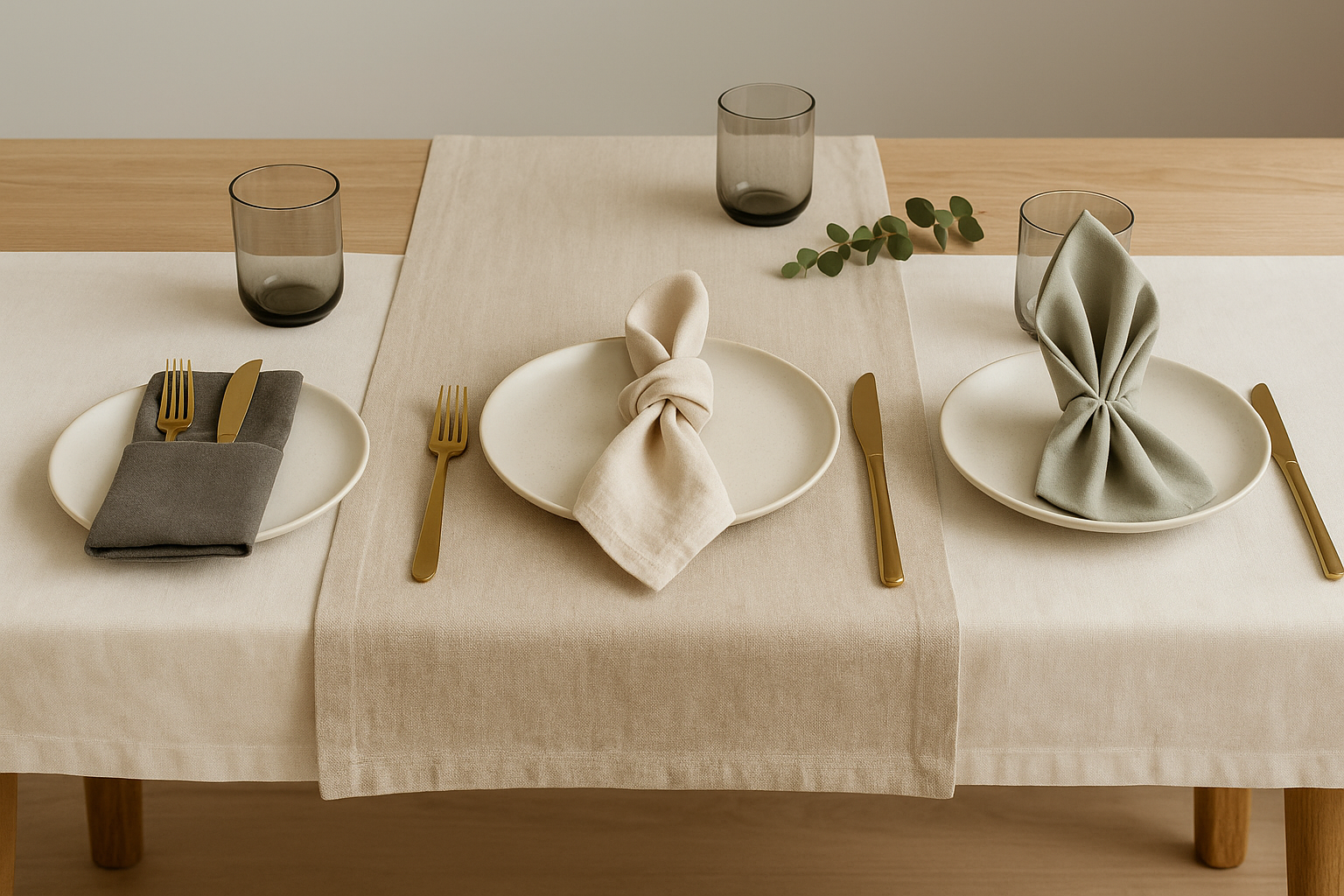
- Elegant tablecloths to beautify your table,
- Dish towels or aprons for the kitchen, made from cotton or linen, for a style that's both practical and eco-friendly.
Also consider reusing your old sheets to create fabric bags. A bag made from an embroidered old sheet can be an excellent eco-friendly alternative to plastic bags, while offering a vintage style that's unique. Furthermore, you can add patterns or embroidery to these bags to personalize them. If you'd like to see one of our collections, click on our collection of small curtains!
Creating Unique Decorative Pieces
Vintage textiles adorned with monograms or embroidered patterns can be reinvented to bring a touch of personalized decoration to every room. For example:
- Decorative cushions for the terrace or living room,
- Personalized napkins for dinners,
- Pillowcases made from recycled fabric for the bedroom.
Embroidered sheets or old tablecloths can also be transformed into throws for your sofa or bed. These accessories add a cozy and authentic ambiance to your interior, while giving value to fabrics that might have been thrown away.

How to Recycle Worn-Out Household Linens?
Give a Second Life to Damaged Textiles
Even stained or worn-out sheets can find a new use in the home. Transform them into:
- Eco-friendly cleaning cloths,
- Protective covers for your plants or garden furniture,
- Cozy beds for your pets, made from old cotton bedspreads.
You can also transform old sheets into beach towels or pillowcases for guest rooms. These simple projects allow you to reuse the fabric while giving it a new purpose.
Available Recycling Options for Household Linens
If you don't wish to undertake a DIY project, you can recycle your old textiles through specialized collection points. This site could greatly help you find where to drop off your used clothes, household linens, and shoes, just click HERE. These structures accept your worn-out household linens to reuse or recycle them in community projects. Furthermore, some old sheets can be transformed into eco-friendly bags or even blankets for social events.
Many charitable associations collect old sheets and textiles to redistribute them to families in need or use them in professional reintegration projects. By participating in these initiatives, you not only contribute to waste reduction but also support important social causes.

Conclusion: Combining Creativity and Sustainability in Your Home
We all have a role to play in reducing our environmental impact. By recycling and reusing your old sheets and other textiles, you not only give a second life to these materials but also bring a touch of unique style to your interior. Whether it's creating DIY curtains, cushions, or tablecloths, every project is an opportunity to be creative while adopting a more sustainable lifestyle.
Recycling household linens is an approach that is both simple and accessible to everyone. We have selected an inspiring video on the subject for you, which we invite you to discover. Feel free to subscribe to this YouTube account to enrich your knowledge with many interesting contents.
Share
