

















Insulating a window against the cold: solutions and diagnostics
When the cold seeps in through your windows, the warmth of your home begins to fray and your heating bill climbs ever higher. Before undertaking any renovation work, you must first pinpoint exactly where those draughts are coming from. From a simple candle to trace the leaks to temporary or lasting draught-proofing solutions, this guide helps you make an informed diagnosis. You will learn how to turn every window and door into an effective barrier against heat loss, without getting lost in technical jargon. Winter will have no choice but to keep its distance.
Winter is approaching, and with it comes that unpleasant sensation of cold drafts creeping along your windows. A poorly insulated window is not just a source of discomfort; it's also an energy drain that significantly increases your heating bill. Knowing how to properly insulate a window from the cold becomes a priority, both for your well-being and for your wallet and the environment. This issue is even more crucial in the current context of rising energy prices and ecological transition. Effective insulation of window frames is one of the most efficient actions to reduce heat loss, which can account for up to 15% of the heat lost in a house. This article guides you step by step, from the simplest diagnostics to the most advanced solutions, to transform your windows into true shields against the cold.
Diagnosing Air Leaks and Weak Points in Your Windows
Before starting any work, it is essential to precisely identify where the cold is coming from. A window can let air in at several points, and each type of leak requires an adapted solution. Diagnosis is a key step to insulate a window effectively.
The Candle or Lighter Technique
On a windy and cold day, turn off all ventilation systems and close doors and windows. Light a candle, a lighter, or even an incense stick and slowly move the flame or smoke along the edges of the window: joints between the frame and the wall, around the opening sash, junctions of the panes. Observe if the flame flickers or if the smoke is diverted. This immediately reveals parasitic drafts.
Areas to Inspect Meticulously
Pay special attention to these critical points. First, the peripheral joint, meaning the space between the window frame (the casing) and the wall. Next, the weatherstripping seals (also called gaskets) located between the fixed frame and the opening part (casement or sliding). Also check the condition of the hinges and hardware on casement windows, which can create gaps. Finally, don't forget the glazing itself: persistent condensation inside a double-glazed unit indicates a seal failure and a total loss of its insulating power.
Temporary and Economical Solutions: Supplemental Weatherstripping
For those looking for a quick, inexpensive, and non-permanent solution, weatherstripping offers an effective first barrier. Ideal for rentals or while waiting for more extensive renovation, these techniques already allow for increased comfort.
Adhesive Weatherstrips and Seals
Available in foam, rubber (ethylene-propylene), or silicone, these self-adhesive strips are placed on the window frame (the fixed part), where the opening sash closes. Foam is the cheapest but also the least durable. Rubber offers better long-term resistance. For successful installation, clean and degrease the surface perfectly, apply the seal to the fixed frame being careful not to stretch it, and press firmly. This is an excellent solution for insulating an old window made of wood or PVC.
Thermal Secondary Glazing Film
This ingenious and very affordable solution involves applying a transparent, taut plastic film to the inside of the window, using double-sided adhesive tape and drying with a hairdryer. It creates an additional layer of still air that significantly improves the insulation of the glazing, especially on single-pane windows. When properly installed, it is almost invisible and can reduce heat loss by nearly 70% on a single pane.
Door Draft Stoppers and Thermal Curtains
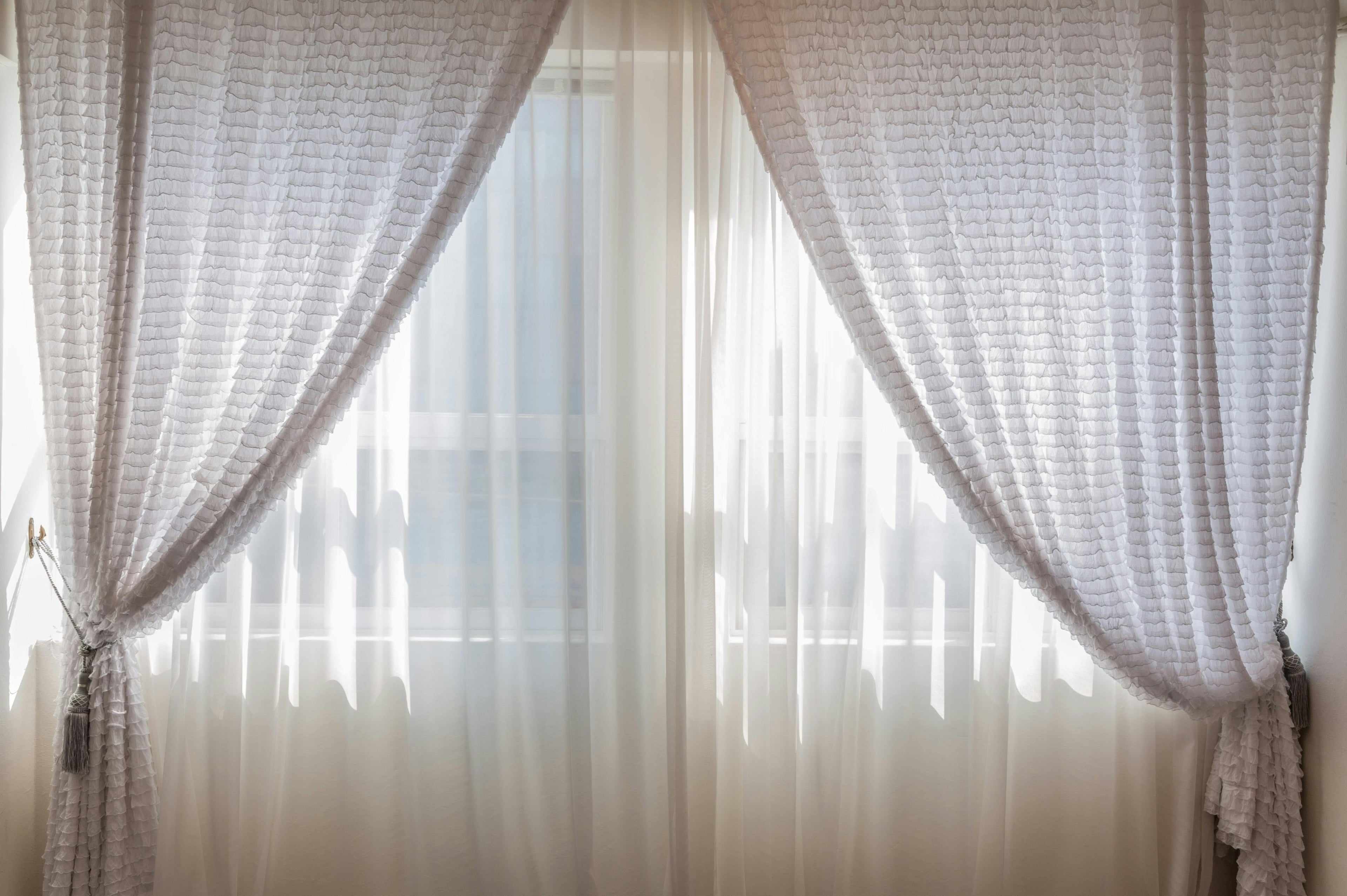
If the cold also comes from the bottom of the window (especially on French doors), a door draft stopper or a "draft snake" can block drafts. At the same time, investing in thick, lined curtains, ideally with a thermal-backed fabric, and closing them systematically at night, constitutes significant mobile and decorative insulation.
Long-Term Solutions: Professional Sealing
For a lasting and aesthetic solution, you need to address the root causes of the leaks. These slightly more technical works offer durable results and a perfect finish.
Replacing Weatherstripping Seals
Over time, the rubber or foam seals on windows harden, crack, and lose their elasticity. Replacing them is a very effective operation. There are different profiles (knife-in, clip-in, magnetic) that must be chosen according to the window model. The most efficient seal is often the flexible double-lip seal. This operation requires removing the old seal, thoroughly cleaning the groove, and inserting the new profile by gently tapping it in with a rubber mallet.
Sealing with Expanding Foam and Silicone Caulk
For leaks between the window frame and the wall, caulking is the premier solution. For small cracks, an acrylic silicone caulk specifically for joinery (more paintable than pure silicone) will do the trick. For larger gaps (more than 1 cm), polyurethane expanding foam is essential. It expands considerably, perfectly fills cavities, and offers excellent insulation. Apply it sparingly, wear gloves, and wait for it to dry completely before trimming the excess and protecting the foam from UV rays with a coating or paint.
Improving Glazing Insulation: From Double Glazing to Low-E Glazing
The glazing is the largest surface area of the window and therefore a major area of heat loss. Improving its performance is often the most cost-effective long-term action for insulating a window from the cold significantly.
The Principle of Double Glazing
A double-glazed unit consists of two sheets of glass separated by a thickness of air (12 to 16 mm) or argon gas, which is dry and still. This space acts as an insulator. Performance is measured by the Ug coefficient (for "glazing"). The lower it is, the better. A single pane has a Ug of about 5.8 W/m².K, a standard double glazing is around 2.8, and a low-emissivity (Low-E) double glazing can go below 1.0.
Low-Emissivity (Low-E) Glazing and Triple Glazing
Low-E glazing incorporates a microscopic metallic layer (silver oxide) on an interior face that reflects heat back inside while letting light through. It is the standard today for high-performance renovation. Triple glazing, with three sheets of glass and two gas layers, offers even greater thermal and acoustic insulation, particularly recommended in very cold regions or for passive houses. It is heavier and requires a suitable frame.
Secondary Glazing or Adding a Second Sash
If replacing the entire window is not feasible, there are secondary glazing solutions. A second glazed frame can be fixed inside or outside the existing window, thus creating a double barrier. This is an interesting solution for preserving old windows while greatly improving their performance.
When Should You Consider Complete Window Replacement?
Sometimes, patch-up solutions reach their limits. Complete replacement becomes necessary when the window is structurally obsolete. It is a significant investment, but with multiple benefits.
There are many telltale signs. A window with rotten, warped wood or with rusted and stuck hardware is condemned. Panes that are constantly fogged or frosted on the inside indicate a failed double-glazed unit. Persistent drafts even after serious weatherstripping show that the frame itself is no longer airtight. Finally, an abnormally high heating bill despite moderate heating is a strong economic signal.
Replacement allows you to choose a model with optimal thermal performance (window with CE label and mention of the air tightness class, A being the best). It is also an opportunity to improve acoustic insulation, security, and the aesthetics of your facade. Financial aid (MaPrimeRénov', CEE, interest-free eco-loan) can significantly reduce the cost for this type of eligible work.
Choosing Materials: PVC, Aluminum, Wood, or Composite?
The frame material influences durability, maintenance, aesthetics, and, to a lesser extent with current technologies, thermal performance. Each has its advantages.
PVC: The Champion of Airtightness and Value for Money
Very popular, PVC offers excellent intrinsic thermal insulation, requires almost no maintenance (simple cleaning), and is available at very competitive prices. Its multi-chamber profiles trap air, reinforcing insulation. It is the most common choice for effective and economical renovation. There are now versions with very realistic wood finishes.
Aluminum: Modernity and Sleek Profiles
Aluminum is robust, lightweight, and allows for very slim and contemporary lines. Its historical flaw was the "thermal bridge" (metal conducts cold). Today, thermal break profiles integrate an insulating polyamide barrier between the inside and outside, offering excellent thermal performance. It is more expensive than PVC but very durable.
Wood: Authentic Charm and Natural Insulator
Wood is a noble, aesthetic, and naturally insulating material. It brings incomparable warmth to the interior. However, it requires regular maintenance (stains, paints) to protect it from the weather. Modern wood windows are often paired with high-performance double glazing and offer a very long lifespan if well maintained.
Composite (Wood-Aluminum or PVC-Aluminum): The Best of Both Worlds
These windows combine advantages: the charm of wood or the simplicity of PVC on the inside; an aluminum cladding on the outside that protects from weather without requiring maintenance. It is a high-end, high-performance, and durable solution.
The Crucial Importance of Installation for Successful Insulation
A window, even the most performant on the market, will only be airtight if it is installed correctly. Poor installation is the primary cause of failure and persistent draft problems. It should never be neglected.
The so-called "surface-mounted" installation technique (the new frame is simply placed on the old wall) is quicker and cheaper, but it often leaves lateral thermal bridges. The "pocket" or "renovation with overlap" installation technique is more refined: the new sash is fixed deeper, and insulation (often foam) is injected into the space between the old and new frame. Installation must always be followed by careful peripheral caulking, inside and out, to ensure airtightness and water tightness.
Hiring a qualified RGE professional (Recognized Environmental Guarantor) is highly recommended. Not only will they master these techniques, but it also guarantees your work's eligibility for state financial aid. Always request several detailed quotes explicitly mentioning the window model (Uw coefficient, airtightness class), the type of glazing (Ug), and the details of the installation and finishes.
Financial Aid for Insulating Your Windows
Renovating your windows to improve insulation is encouraged by public authorities through several schemes. Knowing them well can make a replacement project much more accessible.
The MaPrimeRénov' scheme is open to all homeowners, regardless of income, to finance energy renovation work. Replacing windows with high-performance models (minimum Low-E double glazing) is eligible. The amount of the grant varies according to your resources and the performance of the installed product. Energy Saving Certificates (CEE), or "energy bonus," are aid paid by energy suppliers. It is often combinable with MaPrimeRénov' and can be requested directly online or through your contractor. Finally, the interest-free eco-loan (éco-PTZ) allows you to borrow up to €50,000 interest-free for a package of works, including window replacement. Your RGE contractor will be your best ally in preparing these applications.
FAQ: Your Questions on Window Insulation
Can you insulate a window without replacing it?
Absolutely. In many cases, proper maintenance and weatherstripping are enough to fix draft problems. Replacing weatherstripping seals, applying adhesive seals, caulking gaps, and installing secondary glazing film are very effective and inexpensive solutions for insulating a window from the cold significantly. They are perfect for tight budgets or rentals.
Double or triple glazing: which to choose?
Low-E double glazing is the standard today and suits the vast majority of situations in mainland France. It offers an excellent performance/price ratio. Triple glazing is reserved for mountainous or very cold regions, passive houses, or situations of very high noise pollution, as it is more expensive and heavier (requiring reinforced frames). For a standard renovation, a good Low-E double glazing with a high-performance frame is more than sufficient.
How to insulate an old single-pane wood window?
Several complementary strategies exist. First priority, check and restore airtightness: replace worn seals, caulk gaps between the wood and the wall with a flexible seal or foam. Next, improve the glazing: installing a thermal film is the simplest solution. For a more aesthetic and durable result, you can have secondary glazing installed (a second glazed frame) or even replace the single pane with double glazing in the existing frame, if the wood thickness allows (an operation to entrust to a professional).
Is window insulation eligible for state aid?
Yes, under conditions. Replacing windows with high-performance models (generally with double glazing at a minimum) is eligible for MaPrimeRénov', CEE bonuses, and can be included in an éco-PTZ. The essential condition is to use an RGE (Recognized Environmental Guarantor) certified contractor or company for the installation. Simple DIY weatherstripping or seal replacement work is not eligible.
Should you ventilate when windows are well insulated?
More than ever! A perfectly airtight window coupled with good wall insulation creates an "airtight" home. Without an effective mechanical ventilation system (VMC), the humidity produced by breathing, cooking, and showers can no longer escape naturally. This leads to condensation, mold, and degradation of indoor air quality. It is imperative to ventilate manually for 5 to 10 minutes a day, morning and evening, even in winter, or to ensure that your VMC is working perfectly.
Conclusion: An Investment in Comfort, Savings, and Ecology
Learning how to properly insulate a window from the cold is much more than a simple DIY trick. It is an act with direct repercussions on your daily quality of life, your purchasing power, and your environmental footprint. Whether you opt for quick weatherstripping solutions or complete replacement with high-performance joinery, every action counts. A well-insulated window eliminates sensations of cold surfaces and drafts, improves acoustics, and drastically reduces heating consumption. In a context of energy insecurity, this investment is often one of the most profitable. Take the time to diagnose, compare solutions, and, if needed, consult qualified professionals. Your home will be all the warmer, healthier, and more economical.
To discover more tips, complete guides, and inspiration for creating an interior that is both beautiful, comfortable, and high-performing, feel free to explore the other articles on our blog at ombreinterieur.fr. From insulation to decoration, we accompany you in all your projects to make your home a true haven of peace. To complete your ambiance, discover the French Door Curtain collection. Fall in love with Short Curtain for Window, a real plus for your interior. Our guide how to integrate a planter in a small 30 m studio helps you make the right choice.
