















What detergent to wash curtains
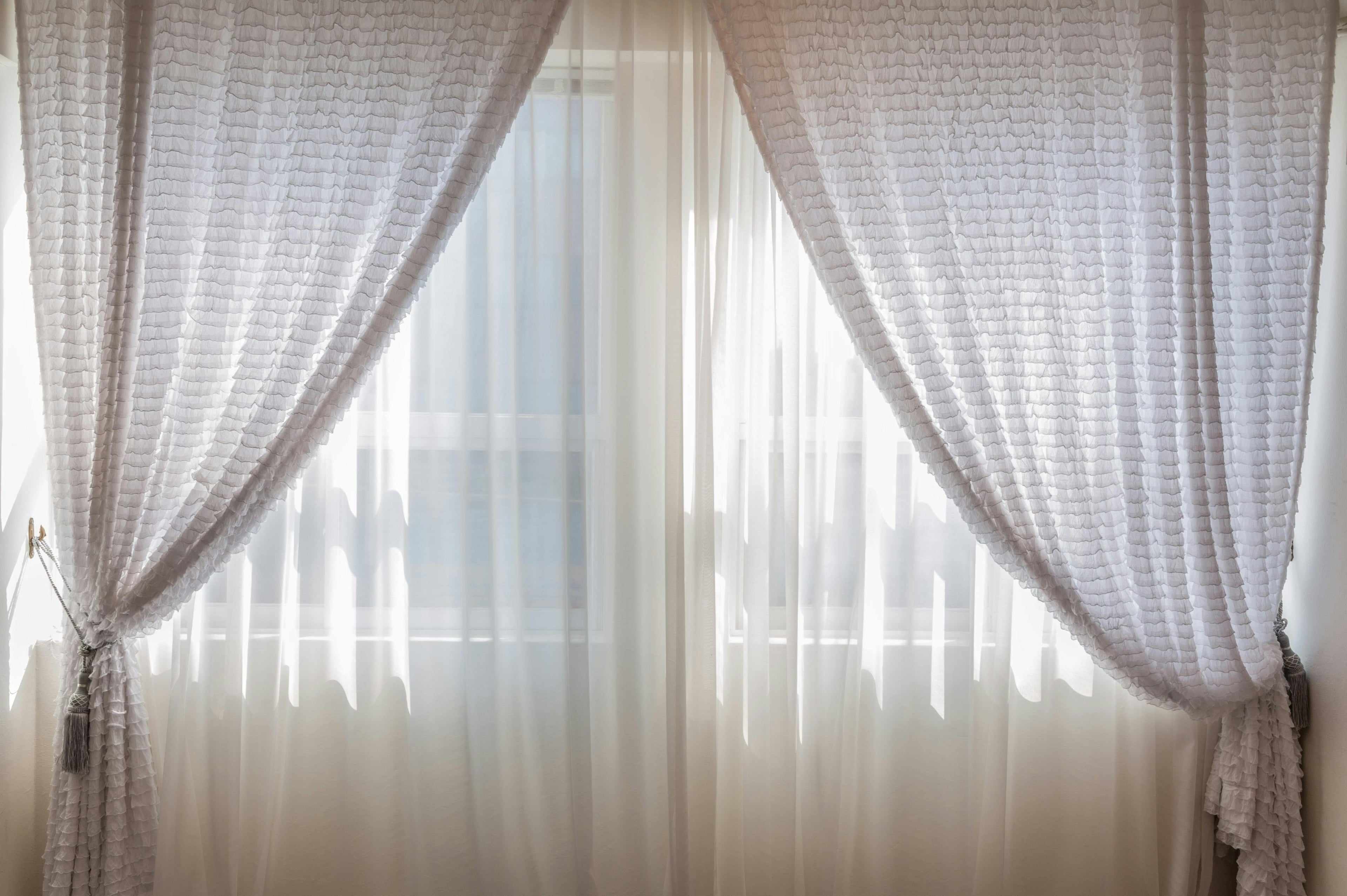
Your voilages — those veils of light that dress your windows — are fabrics of rare delicacy. Their care cannot be left to chance: an overly aggressive detergent can yellow, shrink or permanently distort them. To preserve their brilliant whiteness and airy fall, the choice of laundry product is crucial. This matter, far from trivial, deserves your full attention. Let yourself be guided in giving these light cloths the care they deserve, keeping their beauty intact season after season.
Why Choose the Right Detergent for Your Sheer Curtains?
Sheer curtains are large, more or less transparent veil-like curtains typically placed in front of a window, playing an essential role in interior decoration. These delicate textiles require special care to maintain their brilliant whiteness and impeccable appearance. Choosing the appropriate detergent is crucial to preserve the quality of these fragile fabrics and extend their lifespan.
The Challenges of Washing Sheer Curtains
Curtains and sheers are exposed to atmospheric pollution, pollen, and UV rays from the sun. Indoors, they absorb the effects of household activities, like cooking, not to mention potential cigarette smoke. These lightweight fabrics gradually accumulate dirt, dust, and various impurities that dull their initial shine. Inappropriate washing can permanently damage these delicate textiles, causing shrinkage, deformation, or yellowing. Our interior curtains will fill you with happiness!
Using an unsuitable detergent can alter the structure of the fibers, whether cotton, polyester, linen, or other synthetic materials. Sheer curtains represent a significant decorative investment and deserve attentive care to maintain their beauty and functionality.
Common Mistakes to Avoid
Among frequent mistakes, we see the use of bleach or overly aggressive whitening agents that can yellow white fabrics. Overdosing detergent leaves residues that dull textiles, while a washing temperature that is too high risks causing irreversible shrinkage. Excessive spin cycles deform delicate fibers and create wrinkles that are difficult to remove. Discover our collection of curtains as soon as possible.

Which Detergent for Sheer Curtains: Essential Selection Criteria
The choice of detergent for sheer curtains depends on several determining factors: the textile composition, its color, its level of soiling, and its fragility. It is recommended to use a mild detergent, without bleach or whitening agents, which could damage fibers and colors.
Types of Detergents Suitable for Sheer Curtains
To wash delicate items like sheer curtains, several options are available to consumers concerned with preserving their textiles.
Liquid Detergent vs. Powder Detergent for Sheer Curtains
Liquid detergent has the advantage of dissolving easily in cold or lukewarm water, avoiding residues on delicate fabrics. It is particularly suitable for colored sheers as it better preserves color vibrancy. Powder detergent, more effective on stubborn stains, requires a slightly higher temperature to dissolve completely in the detergent drawer. Protect your living space with our thermal curtain.
For white sheers, powder detergents containing mild bleaching agents can restore whiteness without damaging fibers. Dosage remains crucial: one tablespoon is generally sufficient for a delicate wash.
Specialized Detergents for Delicate Textiles
Special delicate textile detergents contain adapted enzymes that clean gently without altering the fiber structure. These hypoallergenic detergents are suitable for sensitive skin and have a neutral pH that respects the nature of fragile fabrics.
Special wool detergents can also be used for the most delicate sheers, offering an ultra-gentle wash with plant-based surfactants.
Eco-Friendly Detergents for Sheer Curtains
Eco-friendly detergents without phosphates or chemical preservatives protect the environment while cleaning effectively. These natural products, often enriched with baking soda, are perfectly suitable for sheers and guarantee a textile-friendly wash.
Homemade detergent based on Marseille soap constitutes an economical and ecological alternative. Simply dilute soap flakes in hot water to obtain a gentle cleaning solution.
Ideal Composition of a Detergent for Sheer Curtains
Mild Bleaching Agents
Bleaching agents suitable for sheers include sodium percarbonate and diluted hydrogen peroxide. These compounds restore whiteness to yellowed fabrics without damaging them. Baking soda acts as a natural whitener and deodorizer, particularly effective for removing tobacco or cooking odors.
Enzymes Adapted to Delicate Fibers
Protease and amylase enzymes break down proteins and starch embedded in fabrics. These biological agents clean deeply at low temperatures, thus preserving the integrity of synthetic and natural fibers.
Neutral pH and Absence of Harsh Agents
A neutral pH between 6 and 8 respects the textile structure and avoids premature degradation. The absence of harsh agents like ammonia or bleach guarantees a safe wash for all types of sheers.
Top 5 Best Detergents for Sheer Curtains in 2026
Among recommended brands, we find hypoallergenic detergents that combine effectiveness and gentleness. HG detergent for sheer curtains is among the specialized references for restoring brilliant whiteness.
Detailed Comparison of Recommended Brands
Specialized detergents like Etamine du Lys or Le Blanc offer concentrated formulas adapted to delicate textiles. These allergen-free products are suitable for modern washing machines and guarantee optimal washing on a delicate cycle. If you want to know how to de-wrinkle blackout curtains, a simple click will do!
Price-Quality Ratio of Specialized Detergents
Although more expensive, specialized detergents prove economical in the long term as they preserve sheers and reduce replacement frequency. One bottle of concentrated detergent allows for many washes with a reduced dosage.

Step-by-Step Method for Washing Curtains
Most curtain and sheer materials (linen, silk, cotton, synthetic fabrics) can go in the machine: however, it is preferable to check their labels to be sure. Machine washing remains the most practical method for regular maintenance of these textiles.
Preparation Before Washing
Checking the Care Label
The care label indicates the maximum washing temperature, the recommended program type, and specific precautions. Some sheers require dry cleaning exclusively, while others can withstand a delicate machine wash.
Dusting and Pre-treating Stains
Take a few minutes to examine them closely and spot any potential stains: if so, use a little Marseille soap and water to rub them with a microfiber cloth or a laundry brush before washing. Preliminary vacuuming removes particles embedded in the fibers.
For stubborn stains, rub the stain with Marseille soap, let it sit for 10 minutes, then rinse gently with a sponge soaked in clear water.
Removing and Sorting Sheers
Remove any hooks that may support the curtains to prevent them from detaching and damaging the washing machine during the cycle. Sort sheers by color and material to avoid any risk of discoloration or snagging.
Washing Machine Settings for Sheer Curtains
Optimal Washing Temperature
As a general rule, it is preferable to adopt a delicate wash at 30°C and a spin at 600 rpm. Only white curtains can be washed at 40°C. Cold or lukewarm water preserves colors and avoids shrinkage of synthetic fibers.
Delicate Program and Spin Speed
The delicate or "wool" program is perfectly suitable for sheers. Set the spin speed to a relatively low number so the textile doesn't become terribly wrinkled at the end of the cycle. A speed of 600 to 800 rpm is ideal.
Recommended Detergent Quantity
Overdosing leaves residues that dull textiles. Use the cap as a measuring cup. Filling it to the 80 ml mark for a standard machine constitutes an appropriate dosage.
Washing Techniques According to Sheer Type
Polyester Sheers
Polyester curtains are low-maintenance. A quick spin in the machine at 30°C with a little detergent, drying well stretched, and they're ready to return to their window without even needing ironing. These synthetic fabrics withstand machine washing well and dry quickly.
Cotton Sheers
Cotton sheers require particular attention as they can shrink. Cotton curtains are generally washed at a temperature of 30°C, as in hotter water, they risk shrinking. A hand pre-wash can be beneficial for delicate pieces.
Linen Sheers
Linen curtains, despite their delicate appearance, also withstand machine washing at low temperature very well. Simply skip the spin cycle. Naturally wrinkled linen regains its shape during drying.
Synthetic Sheers
Modern synthetic fibers withstand machine washing well. Avoid high temperatures which can melt some artificial fibers. A short cycle is perfectly suitable for these materials.

How to Restore Whiteness to Yellowed Sheer Curtains
The yellowing of sheers is a frequent problem that requires specific techniques to restore their original whiteness.
Causes of Sheer Curtain Yellowing
Impact of Pollution and Nicotine
Urban pollution and cigarette smoke gradually impregnate fabrics, creating a persistent yellowish tint. Washing curtains and sheers must be frequent in a home that houses smokers, to preserve their color, as well as their odor.
Natural Aging of Fibers
Over time, textile fibers naturally oxidize under the effect of light and air, causing gradual dulling. Sheers exposed directly to sunlight yellow more quickly.
Previous Washing Errors
Using bleach on certain textiles or insufficient rinsing can cause irreversible yellowing. Accumulated detergent residues also contribute to dulling white fabrics.
Natural Methods to Whiten Sheers
Baking Soda: How to Use
If you want to boost the whiteness of your white cotton curtains, mix 500 grams of baking soda into the rinse water. This effective grandmother's recipe neutralizes odors and revives the shine of white laundry.
For a pre-soak, dissolve a tablespoon of baking soda in a liter of lukewarm water and let the sheers soak for an hour before normal washing.
White Vinegar as a Whitening Agent
White vinegar diluted in the rinse water removes limescale residues and restores shine to dulled textiles. Add a few spoons of lavender essential oil to delicately scent the laundry.
Lemon to Revive Whiteness
If you want to make your white cotton curtains even whiter, pour into the detergent drawer (in addition to the detergent) a packet of baking powder, or the juice of one lemon. Citric acid acts as a natural whitener without damaging fibers.
Ecological Sodium Percarbonate
Sodium percarbonate constitutes an ecological alternative to bleach. This natural whitener activates from 30°C and is perfectly suitable for delicate sheers. Add a tablespoon to the drum with the usual detergent.
Machine Whitening Techniques
Adding Whitening Agents to the Drum
Adding natural whitening agents directly to the drum allows for homogeneous treatment. Mix baking soda and washing soda for a reinforced stain-removing effect on very dulled textiles.
Pre-Soaking for Very Yellowed Sheers
For very yellowed sheers, soaking in a basin with lukewarm water and baking soda for several hours precedes machine washing. This gentle method avoids damaging fragile fibers.
Special Whitening Wash Cycle
Some machines offer a special white laundry cycle that optimizes temperature, duration, and rinsing for an optimal result. This automated program adjusts all parameters for effective whitening.
Professional Solutions for Very Damaged Sheers
When to Call a Dry Cleaner
Silk sheers, lined textiles, or high-value pieces sometimes require professional expertise. Dry cleaning remains an expensive solution, but that said, this cost can be considered given the limited frequency of curtain washing: once or twice a year.
Specialized Whitening Products
Professional stain removers and specialized whitening products offer superior effectiveness on old stains and advanced yellowing. These technical products require expert use to avoid damaging fabrics.

How to Machine Wash Dry-Clean-Only Curtains
Some sheers bear the label "dry clean only," but alternative solutions sometimes allow for home care.
Understanding the "Dry Clean Only" Label
Real Meaning of This Indication
Manufacturers almost systematically advise dry cleaning to avoid any disappointment, but most often it is entirely possible to do without it. This label protects the manufacturer but does not always mean an absolute impossibility of home washing.
Risks of Machine Washing
Machine washing textiles intended for dry cleaning can cause shrinkage, deformation, discoloration, or alteration of texture. Sheers with linings or containing metal elements present particular risks.
Delicate Washing Techniques at Home
Adapted Hand Washing Method
Wash the curtains in your bathtub with a neutral pH detergent suitable for hand washing. This gentle method allows total control of the process and minimizes the risk of damage.
Using Protective Mesh Bags
Protective mesh bags or duvet covers protect delicate sheers from friction in the drum. This technique considerably reduces the risks of snagging or deformation during the wash cycle.
Ultra-Delicate Machine Settings
Modern machines offer ultra-delicate programs with minimal or no spin. These special cycles sometimes allow washing textiles normally intended for dry cleaning.
Alternatives to Traditional Dry Cleaning
At-Home Dry Cleaning Kits
At-home dry cleaning kits use mild solvents and treatment in a dryer. These intermediate solutions are suitable for lightly soiled sheers needing simple refreshing.
Steam Cleaning
Are you lucky enough to have a steam cleaner? Regularly offer its services to your curtains. It has no equal for dusting, sanitizing, and reviving colors. The steam cleaner eliminates bacteria and odors without wetting the fabrics.
Refreshing Without a Complete Wash
Regular vacuuming and airing allow maintaining the freshness of sheers between complete cleanings. Also consider vacuuming your sheers with the T-shaped attachment.
When Professional Cleaning Remains Essential
Types of Sheers Requiring Dry Cleaning
Natural silk sheers, textiles with metallic embroidery, or valuable antique pieces absolutely require professional cleaning. These precious textiles do not tolerate any compromise.
Recommended Frequency for Professional Cleaning
Annual professional cleaning is generally sufficient for silk sheers or delicate textiles, complemented by regular home maintenance (dusting, airing).

Maintenance Tips to Extend the Lifespan of Your Sheer Curtains
Regular and appropriate maintenance significantly extends the lifespan of sheers and maintains their aesthetic appearance.
Optimal Washing Frequency
Maintenance Schedule According to Environment
Sheers are washed once or twice a year. If the sheers are hung in a place where they get dirty quickly, wash them two or three times a year. In kitchens or smoky environments, increase the frequency to three or four washes per year.
Signs Indicating a Wash is Necessary
Revealing signs include visible dulling, persistent odors, dust accumulation, or apparent stains. Preventive maintenance avoids deep embedding of dirt.
Drying and Ironing Sheer Curtains
Drying Techniques to Avoid Wrinkles
For an optimal result, let the sheer drain, then hang it while still damp. Air drying on a rod avoids wrinkles and preserves the natural shape of the fabric.
Avoid the dryer at all costs as it can shrink, wrinkle, or damage delicate fibers. Natural drying in a vertical position guarantees a perfect drape.
Delicate Ironing or Reshaping Without an Iron
Ironing is done at low temperature on the reverse side of the fabric with a damp protective cloth. A polyester sheer generally regains its shape during drying, when hung on its rod immediately after washing.
Preventing Soiling and Yellowing
Protection Against UV and Pollution
Installing blinds or shutters reduces direct exposure to UV rays that accelerate fiber aging. Periodic rotation of sheers balances wear due to sun exposure.
Regular Room Ventilation
Daily ventilation renews the ambient air and reduces the accumulation of moisture and odors in textiles. This simple practice significantly extends the time between washes.

Mistakes to Absolutely Avoid When Washing Sheer Curtains
Certain mistakes can permanently damage your sheers and compromise their beauty.
Overdosing Detergent: Consequences and Solutions
Overdosing detergent leaves residues that dull fabrics and can cause skin irritation. Scrupulously respect the dosages indicated on the packaging. Insufficient dosage cleans poorly, while excess harms textile shine.
Temperature Too High: Risks of Shrinkage
Water that is too hot can irreversibly shrink sheers, particularly those made of natural fibers. Colors can also run or dull under the effect of excessive heat. Always respect the temperatures recommended on the labels.
Excessive Spin: Fiber Deformation
An overly powerful spin deforms delicate fibers and creates stubborn wrinkles that are difficult to remove. Fine textiles can stretch or tear under the effect of excessive centrifugal force. Always prefer a gentle spin or eliminate it completely.
Mixing with Other Textiles: Transfer Risks
Mixing sheers with other garments can cause color transfer, snagging, or contamination by different soiling. Always wash sheers separately to preserve their integrity.

Conclusion: Impeccable Sheers with the Right Detergent and Technique
Optimal maintenance of sheers relies on the judicious choice of detergent, adapting washing techniques to the fabric type, and respecting specific recommendations. Mild detergents, moderate temperatures, and delicate programs constitute the keys to successful maintenance.
Summary of Essential Points
Remember the importance of neutral pH, adapted enzymes, and the absence of harsh agents in your choice of detergent. Natural methods like baking soda and white vinegar offer effective ecological alternatives to restore whiteness and freshness to your textiles.
Final Tips for Successful Maintenance
Regular preventive maintenance (dusting, airing) will space out complete washes and extend the lifespan of your sheers. Do not hesitate to call a professional for valuable pieces or in case of doubt about the appropriate method. Your sheers will thus regain their original shine and beautifully enhance your interior for a long time.

Share
