












From Caves to Palaces: The Fascinating Evolution of Curtains Through the Centuries
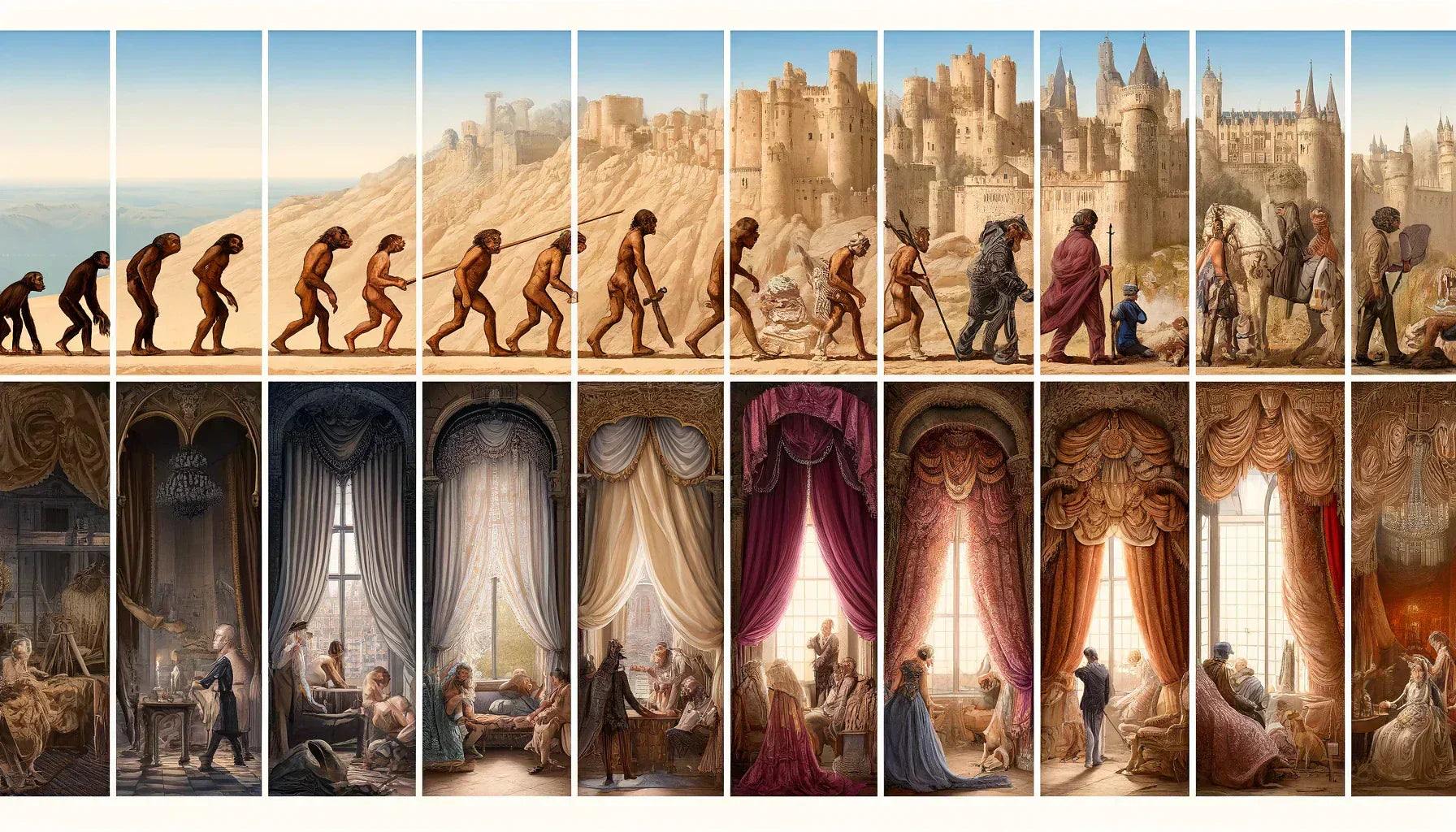
From animal hides stretched in the darkness of caves to the velvet drapery of palaces, curtains have long clothed our interiors with history and meaning. This textile element, both functional and decorative, traces the evolution of societies, techniques and taste. As you follow this fascinating journey, you will understand how a simple length of fabric has captured light, defined space and asserted power. The way it filters the sun, softens a room’s acoustics and frames a view speaks of a quiet authority. It is an invitation to see these silent guardians of your privacy with fresh eyes.
Introduction
Since the dawn of humanity, curtains have played a crucial role in defining space, offering privacy and protection while serving as a backdrop for the art of the stage. This simple piece of fabric, hung from a rod or hook, transcends its primary function to become an element of interior decoration, a marker of style, and an object rich with history. In this article, we will explore the fascinating evolution of curtains through the centuries, from their primitive origins in caves and early shelters to their place in palaces and modern homes, highlighting how they have captured the imagination of audiences, decorated windows and theater stages, and influenced art and culture around the world.
Primitive Origins
In Caves and Early Shelters
The history of the curtain begins in the intimacy of caves and humanity's early shelters, where animal skins and rudimentary fabrics were used to separate space, retain heat, and offer protection from the elements. These early "curtains" were not only functional but were already beginning to reflect the aesthetic tastes and social status of their users. Jump to this article to see more information once you've finished reading this one: Custom Curtains with Ombre Intérieur: Create the Perfect Ambiance for Your Home!
Ancient Fabrics and Dyes
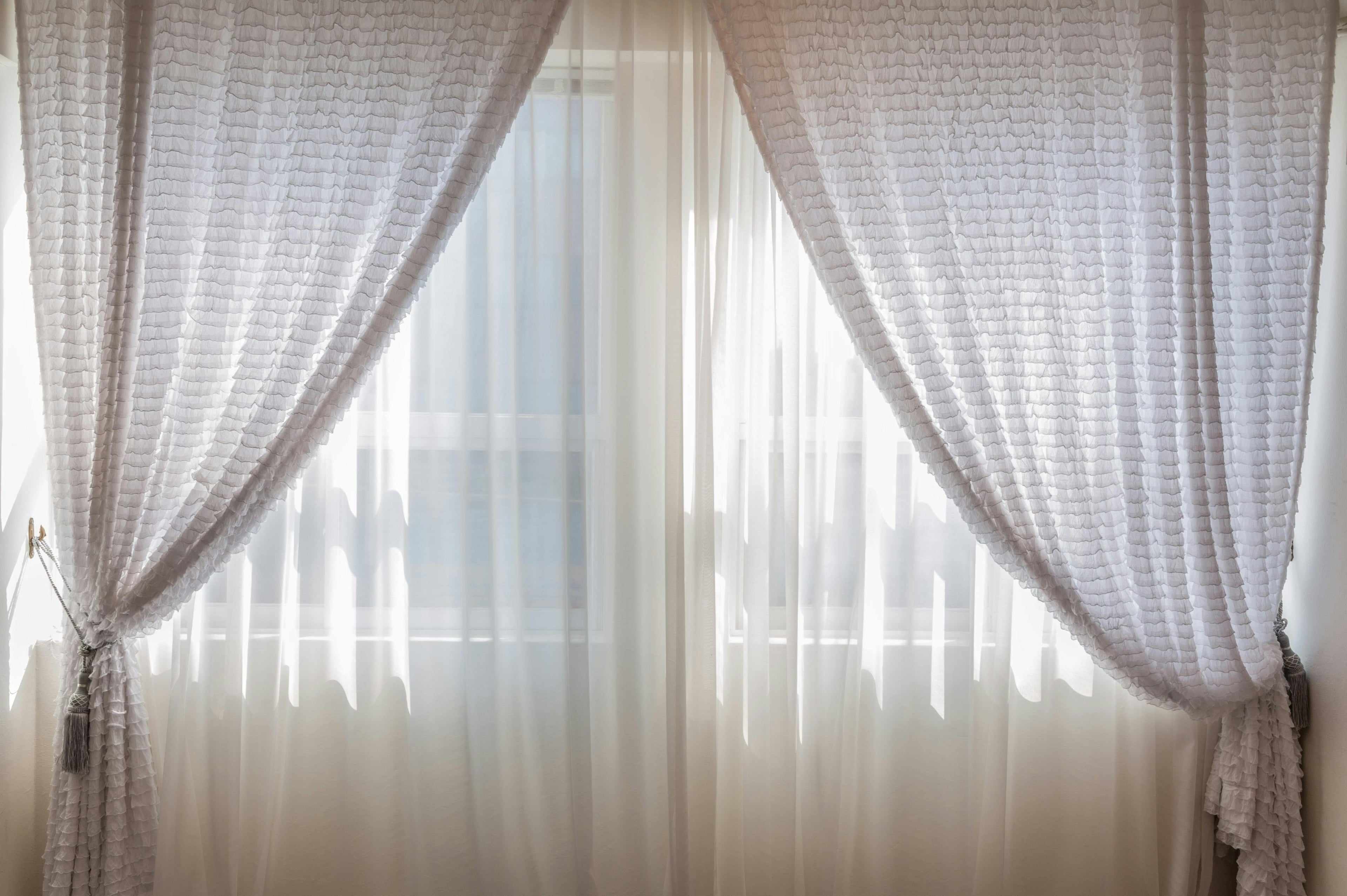
Over the centuries, the use of fabrics to create partitions became more refined. Ancient civilizations discovered weaving and dyeing techniques, producing fabrics with vibrant colors and complex patterns. Sheer fabric, though still rudimentary, began to take a prominent place in home interiors, serving both as a barrier and a decorative element.

Antiquity and Empire
Curtains in Ancient Egypt
In ancient Egypt, curtains were not only functional objects but also symbols of power and divinity. Made of fine linen, they adorned the entrances of temples and palaces, adding a layer of mystery and sacredness to the interior space. The 160x240 cm Velcro curtain is fabulous, it will beautifully enhance your room!
Rome and Greece: Luxury and Functionality
In Rome and Greece, the use of curtains was widespread in both private homes and public places. Red, the color of power and theater, was often chosen for stage curtains, while lighter fabrics, like sheer, filtered light in interiors, creating subtle and sophisticated visual effects.

The Middle Ages
Simplicity and Utility
In the Middle Ages, the emphasis was on simplicity and utility. Curtains primarily served to keep spaces warm and protected from drafts. The choice of materials was often limited, but ingenuity in the use of fabrics and patterns persisted. Our curtain collection brings together all the most beautiful curtains we have found for your happiness.
The Influence of the Church on Textiles
The Church played a major role in textile production, and curtains were not exempt from this influence. Materials and colors were chosen for their symbolic meanings, with patterns and images that told biblical stories or glorified Christianity.

The Renaissance
Art and Innovation in Textiles
The Renaissance marked a turning point in the history of curtains. Art and textile innovation reached new heights, with the introduction of lace and velvet, materials that added unparalleled depth and richness to interior decoration. Discover all our interior curtains in our online store.
The Introduction of Lace and Velvet
Lace, with its delicacy and complexity, and velvet, with its rich texture and deep sheen, became symbols of status and taste. Curtains made from these fabrics adorned the windows of palaces and noble houses, reflecting light in a way that transformed the space.

The Baroque and Rococo Age
Opulence and Exuberance
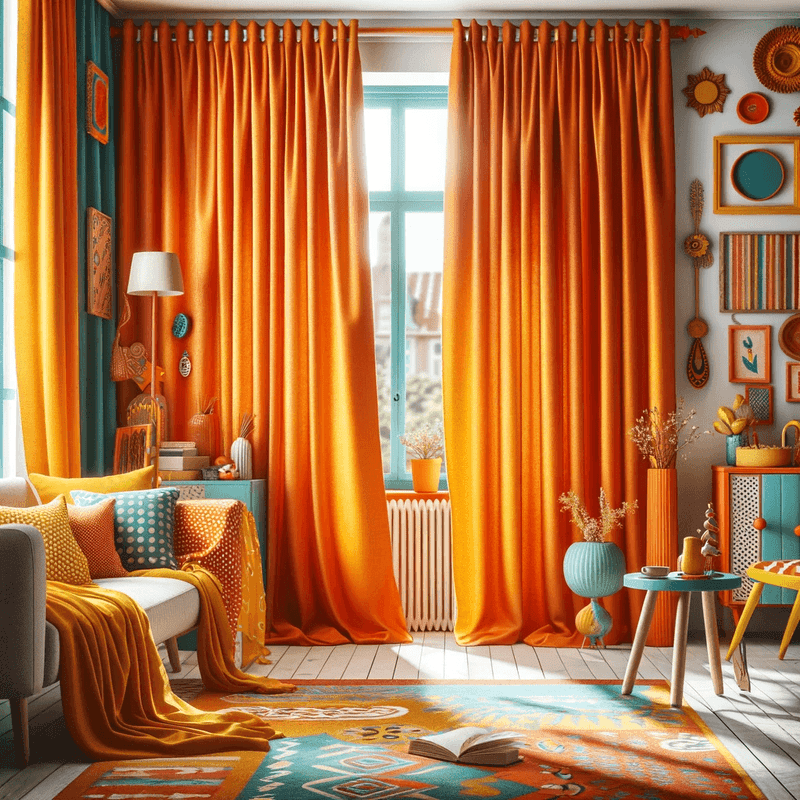
The Baroque and Rococo age pushed opulence to its peak, with curtains that embodied the exuberance of the era. Bright colors, elaborate patterns, and voluminous folds were at the forefront, creating interiors of stunning visual richness.
The Symbolism of Colors and Patterns
The color and pattern of curtains were laden with symbolism, reflecting the themes of the art and literature of the time. Red continued to be a dominant color, associated with passion, power, and theater, while floral patterns and mythological scenes added a layer of narrative and fantasy.

The Industrial Revolution
Mass Production Begins
The Industrial Revolution transformed curtain production, making quality fabrics more accessible to the general public. Mechanization enabled the mass production of fabrics, paving the way for a greater variety of styles and patterns.
Technical Innovations and New Materials
Technical innovations introduced new materials, such as polyester and other synthetic fibers, which expanded the design and functionality possibilities of curtains. The industry also saw the emergence of innovative hanging types, such as grommets, which facilitated the installation and movement of curtains.

The 20th Century: Modernity and Change
Technological Advances and Their Impact
The 20th century was marked by technological advances that continued to influence curtain design. The introduction of sophisticated rod mechanisms and hanging systems allowed curtains to be manipulated more easily, while the evolution of interior decoration styles saw the emergence of minimalist and ecological trends.
Minimalist and Ecological Trends
The late 20th and early 21st centuries saw a growing environmental awareness, influencing material choices and production practices. Curtains made from recycled or sustainable materials became more common, as did clean designs that complement minimalist interiors.

The 21st Century and the Future
Smart and Eco-Friendly Curtains
At the dawn of the 21st century, innovation continues to redefine curtains, with the introduction of smart solutions that improve the energy efficiency and comfort of homes. Curtains capable of regulating temperature, filtering pollution, and even converting solar light into energy mark the beginning of a new era in interior decoration.
Preserving Tradition While Innovating
As we move forward, the question remains of how to preserve the rich history and cultural significance of curtains while embracing innovation and sustainability. The challenge for designers, manufacturers, and consumers will be to find a balance between tradition and innovation, aesthetics and ecology, so that curtains continue to enrich our living spaces in a responsible and inspiring way.

Conclusion
The history of curtains is a fascinating window into the evolution of society, art, and technology through the centuries. From simple pieces of fabric hung at cave entrances to today's smart and sustainable window solutions, curtains have always been more than just a functional or decorative element. They are a reflection of the era, a witness to the cultural, technological, and aesthetic changes that have shaped our world. Looking to the future, it is clear that curtains will continue to play an essential role in our lives, testifying to our ability to innovate while remaining deeply rooted in our rich cultural and historical heritage.

Share
