















Arranging Your Studio Apartment: Tips for Optimizing Space
Arranging a studio is a subtle art, where every square metre holds the promise of comfort and style. Caught between limited space and the desire for a room that breathes, the challenge lies in balancing daily life, aesthetics and functionality without ever compromising harmony. You will learn to think in zones rather than rooms, to play with visual partitions and clever furniture to transform your compact space into a truly bespoke haven. Let yourself be guided towards the elegant optimisation of your studio.
Arranging a studio apartment is an exciting challenge that requires both creativity and rigor. With an area often between 20 and 40 square meters, every centimeter counts and every decor choice has a major impact on the comfort and functionality of the space. The challenge is not just to fit everything in, but to create a living space that breathes, reflects your personality, and allows you to fully experience all facets of your daily life: sleeping, cooking, entertaining, working, and relaxing. Fortunately, with the right layout strategies and thoughtful decoration, transforming a studio into a multifunctional and aesthetic cocoon is within everyone's reach. This article guides you step by step to optimize space, define distinct zones without partitioning, choose smart furniture, and create a harmonious ambiance that will make you forget the square footage.
The Philosophy of Studio Layout: Think "Zones" Rather Than "Rooms"
The first step to successfully arranging your studio is to adopt a new way of thinking. Forget walls and doors. In an open space, the layout relies on creating well-defined but fluid activity zones. The goal is to establish a visual and psychological order that allows the mind to easily switch from "rest" mode to "work" or "entertainment" mode.
To achieve this, you need to analyze your essential needs. List your daily and weekly activities. Then, sketch a freehand plan or use 3D design software. This preliminary reflection is crucial to avoid costly mistakes and ensure optimal circulation, without obstacles or a feeling of clutter.
The Art of Visual Separation: Tricks to Delineate Space
Creating separations without building walls is the key to a well-arranged studio. Several techniques are available to you, ranging from furniture to decorative elements.
Using Height and Bulky Furniture
An open bookshelf, a deep storage unit, or even a sofa with its back to the rest of the room are excellent natural separators. A bookshelf, for example, delineates space while offering valuable storage and a decorative opportunity. Position it perpendicular to a wall to create a visual corridor leading to the sleeping area.
Playing with Levels and Light Partitions
A raised platform for the sleeping area is a very effective solution, both architectural and practical. It creates a clear distinction. For more lightness, openwork partitions in wood, metal, or resin, design screens, or thick curtains allow you to temporarily isolate an area (like the bed) while letting light through.
Exploiting Floor Coverings and Colors
Changing the floor material is a strong signal. You can delineate the dining area with a round rug under the table, and the sleeping area with a large plush rug. Similarly, playing with two shades of paint on the same wall, or painting an accent wall in the living area, helps the eye segment the space.
Multifunctional Furniture: The Indispensable Ally of the Studio
In a studio, every piece of furniture must justify its presence, ideally by serving multiple functions. This is the heart of a successful layout.
- The Murphy bed or loft bed: The wall bed (Murphy bed) is the star of studios. It folds up into a closet during the day, completely freeing up space for a living room or office. For high ceilings (minimum 2.40m), the loft bed is a brilliant solution, creating a real additional space underneath for a desk area or a dressing room.
- The extendable and modular table: Opt for a table that can be compact for daily use and expand to entertain guests. Models with extensions, drop leaves, or "bistro" style tables that fold against a wall are perfect.
- The sofa bed and storage seating: A good sofa bed is an investment for hosting friends. Choose models with an integrated storage drawer under the seat. Storage ottomans or bench chests are also very useful.
- Vertical and modular storage: Think vertically! Shelves going up to the ceiling, tall kitchen cabinets, and custom-made wardrobes exploit the walls without encroaching on the floor area. Modular systems allow you to adapt to the evolution of your needs.
Optimizing Each Zone: From the Sleeping Nook to the Dining Area
Let's review each key zone with specific tips for an optimal layout of your studio.
The Sleeping Zone: Privacy and Serenity
Even if open, the sleeping area should be a cocoon. Orient the bed so that its headboard is against a wall, never in a draft or facing the entrance door. Use an upholstered headboard or a wall panel to create a soft effect. A large rug under the bed anchors the space. Lighting should be soft and directional: wall-mounted bedside lamps or slim floor lamps to avoid cluttering nightstands.
The Living Zone: Conviviality and Relaxation
Favor seating of modest size but comfortable. A two-seater sofa and an armchair, or even a large corner sofa if space allows, are sufficient. A rug defines the area and adds warmth. A coffee table with a lift-top or integrated storage is more useful than a simple surface. This is where your personality can fully express itself through cushions, throws, and artwork on the walls.
The Dining Zone: Functional and Compact
If you don't have a dedicated kitchenette, integrate the dining table near the kitchen. A table against a wall with chairs on one side and a bench on the other saves considerable space. High stools for a bar/countertop extension are also an excellent option for a quick meal.
The Kitchen Zone: Maximum Efficiency
In a studio, the kitchen is often linear or L-shaped. Optimize it with smart storage: compartment drawers, sliding shelves, door racks, pot racks, and magnetic rails to hang utensils. A clear countertop is essential. If possible, a powerful range hood is necessary to prevent odors from spreading throughout the studio.
The Office Zone: Concentration and Productivity
Creating a small desk area is essential, even for occasional remote work. A simple shelf fixed to the wall with invisible brackets can serve as a minimalist desk. Pair it with a shelf above and an ergonomic stool that you can store away. Ideally, position this desk near a source of natural light and, if possible, facing a wall to limit distractions.
The Magic of Storage: Freeing Up Living Space
Clutter is the number one enemy of the studio. Well-thought-out storage is the key to a calming space.
- Exploit dead angles: Room corners can accommodate triangular shelves or a custom-made corner unit.
- Store upwards: Use the space above doors, cabinets, and furniture to place decorative boxes.
- Under the bed: This is a precious volume. Opt for a bed with integrated drawers or use flat storage boxes on wheels.
- Doors as support: Add organizers on the back of entrance doors, closet doors, or the bathroom door for shoes, accessories, or products.
- The aesthetic/storage duality: Choose closed furniture (wardrobes, sideboards) to hide visual clutter and open shelves to display your favorite decorative objects, practicing regular decluttering.
Color and Light Strategies to Visually Enlarge the Space
Visual decoration has immense power over the perception of space. For a studio, a light and coherent palette is generally recommended.
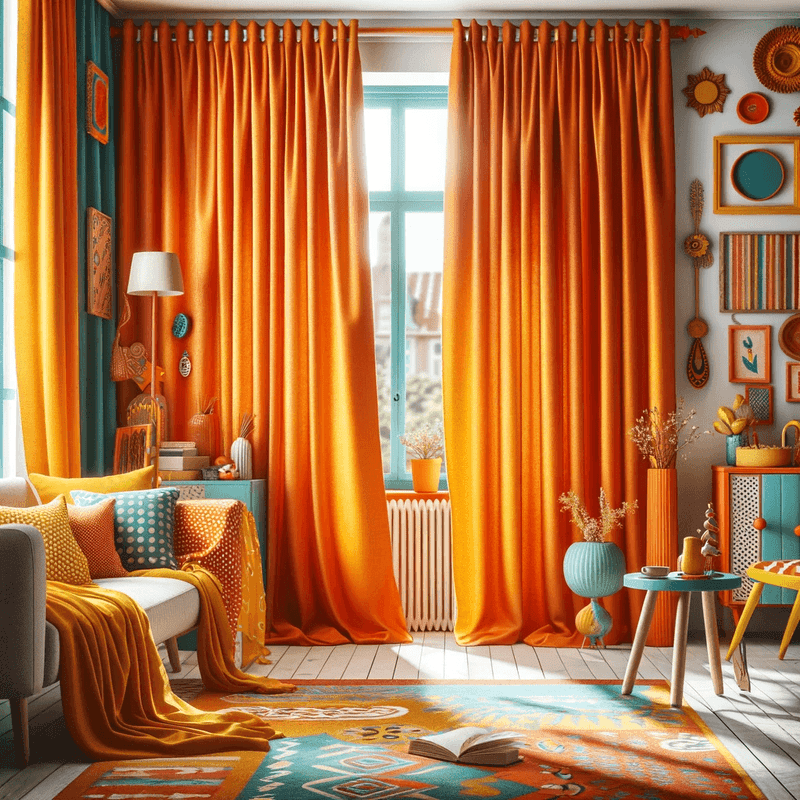
White, beige, very pale gray, and soft pastel tones reflect light and create an impression of unity and spaciousness. Reserve bright or dark colors for punctual accents on a wall, a piece of furniture, or accessories. Monochromy (variations of the same hue) is also a very effective technique for an elegant and soothing result.
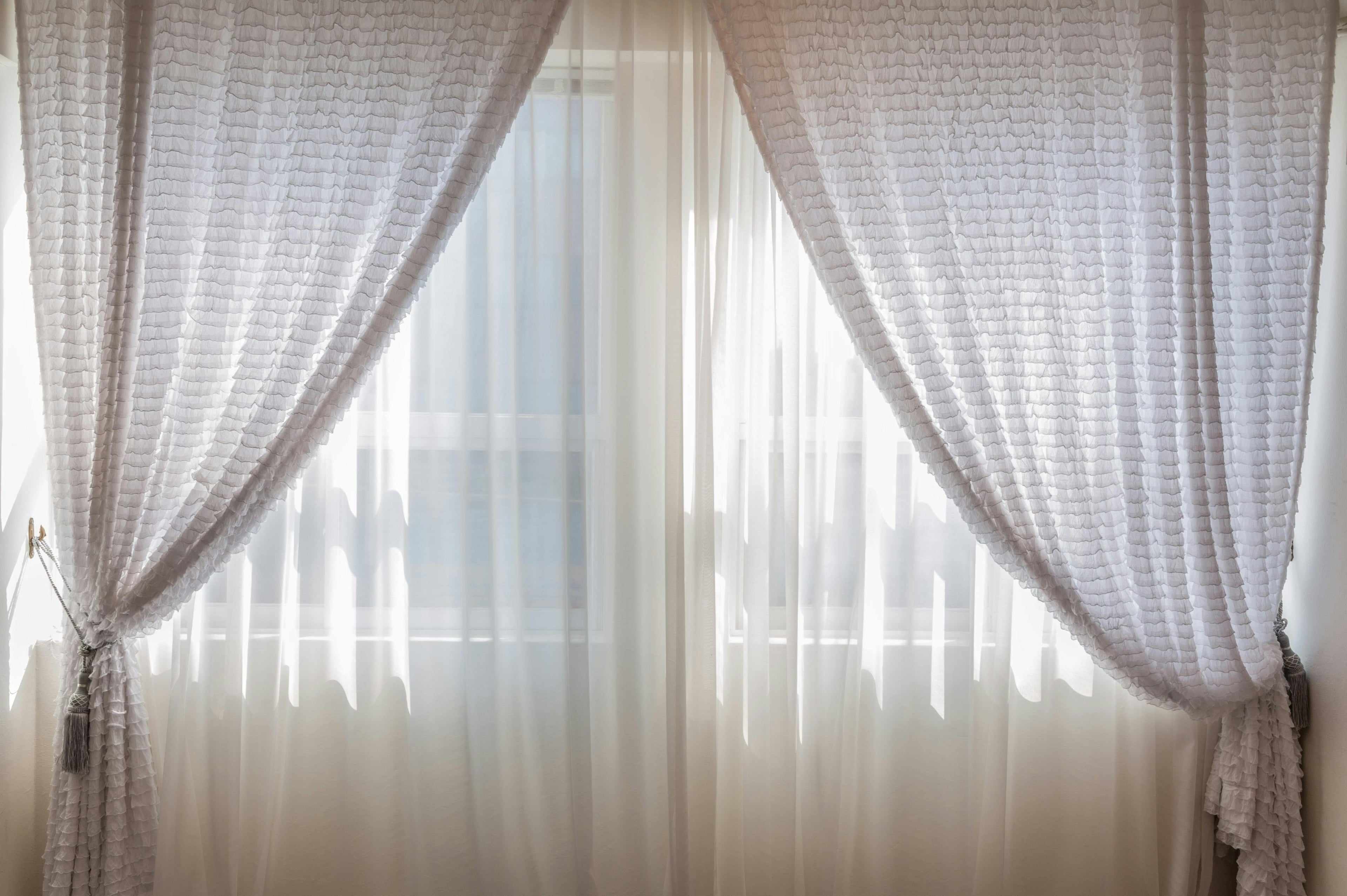
Light is just as crucial. Favor multi-point and adjustable lighting. Generalize sources of soft light (pendant lights, floor lamps, sconces) rather than a single aggressive ceiling light. Directional LED spotlights on the ceiling or LED strips under high furniture can create modern ambient lighting. Maximize natural light with light sheer curtains and strategically placed mirrors to reflect it and visually double the space.
Current Trends for Studio Layout
Interior decoration is evolving and offering ever more ingenious solutions for small spaces.
- The "Japandi" style: A fusion of Japanese minimalism and Scandinavian hygge, this style advocates simplicity, natural materials (wood, linen, wicker), clean lines, and a zen atmosphere. It is perfect for a studio, as it visually lightens the space.
- Custom-made and modular furniture: Increasingly accessible, custom-made allows you to exploit every centimeter, especially to create furniture that integrates a bed, desk, and storage in a single design block.
- Connectivity and discretion: Discreetly integrating technology (wireless speakers, connected lighting, USB ports in furniture) helps reduce cable clutter and maintain a clean interior.
- Vertical green plants: Green walls or simple plant shelves bring life, color, and air purification without taking up floor space.
Common Mistakes to Absolutely Avoid
Some misguided ideas can quickly make a studio unlivable.
- Overloading with furniture that is too large: A massive three-seater sofa or an 8-person dining table crush the space. Always measure before buying.
- Neglecting circulation: Leave at least 60 cm of passage between furniture and plan for closet doors that can open without obstruction.
- Forgetting the privacy of the sleeping zone: A bed completely exposed in the middle of the room can harm sleep quality. Always create a minimum of separation.
- Using fabrics and curtains that are too heavy: They absorb light and visually weigh down the space. Prefer light and translucent materials.
- Wanting to hide everything: An excess of closed furniture can give a bunker-like impression. Mix open and closed for breathing room.
FAQ: Your Questions About Studio Layout
How to arrange a studio of less than 20m²?
In a very small studio, optimization must be extreme. Prioritize a quality wall bed or a very comfortable sofa bed as the main bed. Use furniture that stacks: a desk under a storage shelf, a loft bed if the height allows. Minimalism is your best ally: every object must have a use and an assigned place. Light colors and mirrors are essential to create an illusion.
What is the best color to visually enlarge a studio?
Light and cool colors (white, light gray, very pale blue, aqua green) are the most effective because they reflect light. For an even more spectacular effect, paint the walls, ceilings, and woodwork the same light shade. This removes visual boundaries and gives an impression of continuous volume. Add texture (with a rug, cushions) to avoid a sterile box-like feeling.
Is a sofa absolutely necessary in a studio?
No, it's not an obligation. If you rarely entertain or prefer to maximize space, you can replace it with one or two comfortable armchairs, a fixed bench with integrated storage, or even large floor poufs that can be moved. The important thing is to have a comfortable seat outside of the bed and the office chair, to preserve the sacred dissociation of activity zones.
How to hide the kitchen in an open studio?
Several solutions exist. The most radical is to install a sliding panel or a curtain that completely conceals the kitchenette when not in use. You can also opt for a fitted integrated kitchen whose fronts blend into the rest of the furniture (same colors, same handles). Finally, a simple suspension rod with a light curtain or a large green plant positioned strategically can be enough to reduce the visibility of the kitchen area.
How to create a separate bedroom in a studio?
If the configuration allows (high ceilings, sufficient surface area), building a loft bedroom is the ideal solution for total separation. Otherwise, a fixed openwork partition (in cut wood, glass bricks) from floor to ceiling can delineate an alcove for the bed. As a last resort, a tall and stable screen or a curtain on a ceiling track completely enveloping the bed offers temporary and reversible privacy.
Conclusion: Your Studio, a Reflection of Your Ingenuity
Arranging your studio is much more than a simple logistical exercise. It is a unique opportunity to design a hyper-personalized interior, where every detail is thought out for your well-being. By cleverly combining multifunctional furniture, visual separations, ingenious storage, and light and coherent decoration, you will transform the constraints of small square footage into assets. Your studio will become a unique, functional, and deeply comforting space, proving that comfort and style do not depend on square footage, but on the quality of the layout. To discover more inspiration and practical guides on small space arrangement and interior decoration, feel free to explore the other articles on our blog at ombreinterieur.fr. For more tips, discover how to match a khaki-colored pouf in the studio on the blog. Visit ombreinterieur.fr to explore the entire catalog.
