















How to Dress Your Balcony: Complete Layout Guide
Your balcony, that small space suspended between sky and city, holds a decorative potential that is often underestimated. Yet by dressing it with care, you can transform it into a true extension of your home, a living area in its own right. The challenge lies in balancing your desire for escape with the realities of exposure and size. This guide invites you to rethink every centimetre to create a bespoke haven where comfort and greenery coexist in perfect harmony. Let yourself be inspired.
Transforming your balcony into a true haven of greenery and comfort is the dream of every city dweller or owner of an apartment with an outdoor space. Yet, this often cramped and weather-exposed area can seem difficult to furnish. How can you create a personal paradise, a true extension of your interior, despite constraints of space, budget, and exposure? Dressing your balcony is not just about placing two chairs and a geranium. It is an art that combines decoration, botany, and ingenuity to maximize every square centimeter. Whether you have a small city balcony, a sheltered loggia, or an upstairs terrace, solutions exist to make it a fully-fledged living space that reflects your personality. This article guides you step by step, from the fundamentals to the finishing touch, to reveal the unsuspected potential of your balcony.
Step 1: Analysis and Preparation, Essential Foundations
Before buying the first flower pot or the slightest cushion, a phase of observation and reflection is crucial. It determines the durability and success of your layout. This preliminary step will save you costly mistakes and disappointments.
Assess Structural and Legal Constraints
Your balcony is not a blank page without limits. Start by consulting the condominium regulations. They may impose restrictions on the color of shutters, the type of planters (often prohibited from overhanging the facade), the maximum allowed weight, or even climbing plants. Ignoring these rules can lead to neighborly conflicts and obligations to restore the original state.
Next, assess the sturdiness of the structure. An old balcony or a fragile railing will not support heavy planters filled with moist soil or a cast iron garden furniture set. Always opt for lightweight materials such as rattan, aluminum, or small-section pressure-treated wood. Also consider floor protection: a protective tarp and raised pot feet will preserve your slab from potential water infiltration.
Understand Sun and Wind Exposure
Orientation is the determining factor for choosing your plants and furniture. A south-facing balcony will enjoy generous sunlight, ideal for Mediterranean plants, but can become a furnace in summer. It will require blinds, a parasol, or a shade sail.
Conversely, a north-facing balcony will be cool and shaded, perfect for ferns, hydrangeas, and impatiens, but less suitable for sunbathing. East-facing balconies benefit from gentle morning sun, while those facing west receive the warm afternoon sun. Wind exposure is equally important, especially on higher floors. Strong wind dries out plants, knocks over light objects, and can make the space uncomfortable. Openwork privacy screens (bamboo canes, wooden trellises) will be your allies.
Step 2: Define the Ambiance and Function of Your Balcony
Your balcony should be an extension of your interior and meet your needs. Do you want a productive urban garden, a relaxation corner for reading, a convivial space for an intimate dinner, or a bit of everything? Defining this primary function guides all your subsequent choices.
For a kitchen garden, the organization will focus on practicality: growing tables, deep pots for tomatoes and herbs, an efficient watering system. For an outdoor lounge, the emphasis will be on furniture comfort, privacy created by screening panels, and a cozy atmosphere with lanterns and throws. A zen corner will focus on natural materials (wood, stone, pebbles), a wall-mounted indoor fountain to mask city noise, and plants with graphic foliage.
Step 3: Optimize Space with Ingenious Solutions
The key to a successful balcony lies in optimizing space, especially when it is small. You need to think in terms of volume, not just surface area.
Play with Verticality
Walls and railings are valuable surfaces to exploit. Install balcony planters securely fixed to the railing to create a first line of greenery without encroaching on the floor. On walls, opt for modular structures, shelf units, felt growing pockets, or trellises for climbing plants like star jasmine, clematis, or sweet peas.
Hanging pot holders from the ceiling (if the structure allows) or beams also add height. Consider corner shelves to optimize often unused corners.
Choose Multifunctional and Adaptable Furniture
Forget heavy garden sets. Turn to lightweight, folding, or stackable pieces. A coffee table with a lift-top transforms into a dining table. Storage benches offer both seating and space for storing cushions, potting soil, or gardening tools.
Lightweight stools or poufs are easier to move than chairs. Finally, modular furniture, made of cubes that you assemble as you wish, is perfect for adapting to the changing shape of your needs.
Step 4: Choosing Plants: Life in Pots
Vegetation is the soul of a balcony. But growing in pots is specific: the soil dries out quickly, nutrients are limited, and roots are confined. Good selection and proper care are essential.
Select Plants According to Exposure
For a sunny balcony (South/West): prioritize drought-resistant, heat-loving plants. Succulents (sedums, houseleeks), aromatic plants (lavender, thyme, rosemary, sage), ivy geraniums, petunias, surfinias, and agapanthus are safe bets. For a spectacular effect, a potted olive tree or dwarf oleander will work wonders.
For a shaded balcony (North/East): turn to woodland plants that appreciate coolness. Ferns, hostas, begonias, New Guinea impatiens, fuchsias, and hydrangeas (with acidic soil) will thrive. Ivy is also an excellent ground cover for pots.
The Basics of Container Growing
Always use pots with drainage holes and raise them with small feet to prevent standing water. Choose quality potting soil, adapted to the type of plant (geranium soil, citrus soil, etc.). Don't forget the drainage layer (clay pebbles, gravel) at the bottom of the pot.
Watering is key: in summer, you may need to water daily. Consider automatic drip irrigation systems with a timer, an ideal solution for absences or hot summers. Finally, a liquid fertilizer application every two weeks during the growing season (spring-summer) is essential to compensate for soil depletion.
Step 5: Furniture and Decoration: Creating the Atmosphere
Once the green structure is in place, it's time to infuse your style and make the space welcoming and functional.
Trendy and Durable Materials
Current trends favor natural and durable materials. Teak and acacia, although expensive, are rot-resistant and age beautifully. Galvanized metal or epoxy powder coating offer a chic industrial look and withstand the elements perfectly. Synthetic rattan (resin wicker) is an excellent alternative to natural rattan: ultra-resistant to UV and rain, it does not deform and requires minimal maintenance. For textiles, choose outdoor fabrics (solution-dyed acrylic) that dry quickly and resist the sun.
The Art of Accessorizing
It's the details that make the difference. A beautiful outdoor rug defines the space and adds a touch of softness. Cushions in bright colors or ethnic patterns enliven the whole. Lighting is magical come nightfall: solar or LED fairy lights, LED candle lanterns, solar lights to stick into pots.
Don't forget practical yet aesthetic elements: a wall-mounted coat rack for tools, cachepots to harmonize mismatched plastic pots, a fleece blanket discreetly stored in a chest for cool evenings.
Step 6: Creating Privacy and Shielding from View
To truly feel at home on your balcony, it is often necessary to create a bubble of privacy, especially in cities where overlooking is common.
Solutions are numerous and can be vegetative or structural. A bamboo or reed screen, fixed on a lightweight frame, is economical, natural, and allows air to pass through. Willow or woven hazel branch panels bring a warm texture.
For a more contemporary effect, wooden slat screens (claustra style) or cut-out metal (laser-cut) create beautiful plays of light and shadow. Finally, the most vibrant solution: grow a vegetable hedge in pots with non-invasive bamboos (Fargesia), viburnum tinus, or euonymus. It will take a few seasons to establish but offers a dense, natural screen.
Step 7: Key Trends for Dressing Your Balcony
Outdoor decoration evolves and is enriched with new inspirations. Here are the strong trends of the moment for a stylish balcony.
Urban gardening and permaculture in pots are booming. Grow your own cherry tomatoes, strawberries, herbs, and even small fruits (currants, dwarf raspberries) in pots. Strawberry towers or raised square-foot gardens are perfect for balconies.
Japanese aesthetics (Zen Garden) inspire with their minimalism and harmony. This translates into clean lines, raw materials (grey wood, stone, pebbles), structured plants (bonsai, Japanese maples, bamboos), and a water fountain.
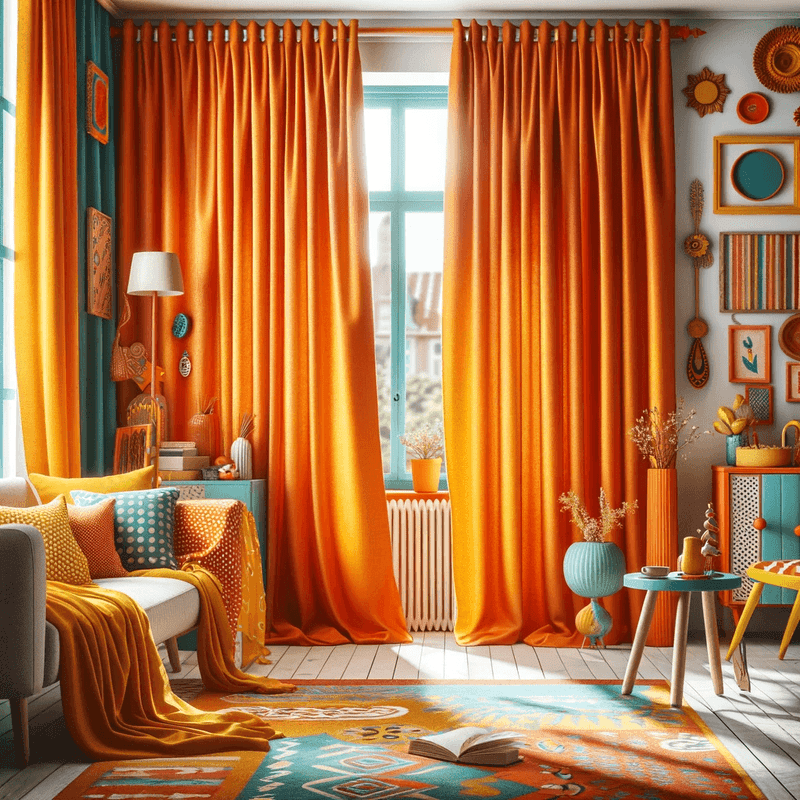
The boho chic style brings color and whimsy with kilim rugs, embroidered cushions, openwork metal lanterns, macramé plant hangers, and an abundance of generous, free-growing vegetation.
Step 8: Seasonal Maintenance
A beautiful balcony is a maintained balcony. Regular small upkeep preserves your investment and the health of your plants.
In spring, it's the big awakening: repotting plants that have become too cramped, adding fresh potting soil and slow-release fertilizer, pruning climbing plants, cleaning furniture.
In summer, the priority is watering, often daily. Remove faded flowers (this encourages blooming) and watch for the appearance of pests (aphids, whiteflies).
In autumn, bring in frost-sensitive plants (citrus, oleander, some geraniums). Prune spent perennials and protect fragile pots (terracotta) from frost with bubble wrap or winter fleece.
In winter, even if the balcony is dormant, check the fixings of blinds and planters after storms. Clean and store unused furniture in a storage area if possible.
FAQ: Most Frequent Questions for Dressing Your Balcony
What budget should I plan for furnishing a balcony?
The budget can vary considerably, from €200 for a minimalist ambiance with upcycled elements and self-sown plants, to several thousand euros for a custom layout with designer furniture and mature plants. It is wise to start with the essentials (basic furniture, a few structural plants) and enrich the whole over the seasons and as you find pieces.
How to water my balcony while on vacation?
Several solutions exist: a drip irrigation system with a timer connected to a tap or a water reservoir (container). Terracotta watering spikes that screw onto a bottle. The wick technique (a wool thread dipped in a water container with the other end in the pot's soil). As a last resort, ask a neighbor or group the pots in the shade on a saucer with a little water before leaving.
Which plants to choose for a very windy balcony?
Prioritize plants with tough foliage and low growth that resist drying out. Seaside plants are ideal: marram grass, sedums, thrift, rosemary, thyme, santolina. Avoid plants with large, fragile leaves (banana plants) and tall, unstaked stems.
Can I have grass on a balcony?
Natural turf in rolls is very difficult to maintain in pots (intense watering, need for sun, complicated mowing). Instead, opt for alternatives: Irish moss (Sagina subulata) which forms a green carpet, creeping sedums, or, for a no-maintenance lawn effect, a high-quality outdoor synthetic turf.
How to hide an unsightly old railing?
Several tricks: fix planters full of trailing plants (ivy, dichondra, petunias) on the inside face to mask the structure. Stretch a shade sail or tensioned fabric between posts. Hang a wooden or metal trellis in front of the railing and grow climbing plants on it. Paint the railing a dark color (black, dark green) so it visually blends with the exterior.
Conclusion: Your Balcony, a Personal Oasis in the Making
Dressing your balcony is an exciting project that blends creativity, contact with nature, and space optimization. There is no single formula, but a multitude of possibilities to adapt to your lifestyle, exposure, and tastes. By following these steps, from careful analysis to seasonal maintenance, you will transform this transitional space into a true cocoon of well-being, an extra soul for your home. Don't be afraid to experiment, change plants, move furniture according to your desires. Your balcony is a room in its own right, evolving with you and the seasons. To discover more inspiration, tutorials, and decor ideas for all spaces in your home, feel free to explore the other articles and comprehensive guides available on ombreinterieur.fr. Your urban oasis awaits. To go further, try Outdoor Balcony Curtain in your room. For more tips, discover how to harmonize a grey fairy light on a minimalist balcony on the blog. Visit ombreinterieur.fr to explore the full catalog.
