
















How to Dress a Rooftop Terrace: Complete Guide
Your rooftop terrace is far more than a functional surface; it holds the promise of a suspended life, caught between sky and seclusion. Before dreaming of a summer salon or a perched garden, one question arises: how to reconcile your desires with the demands of structure and waterproofing? This feature invites you to consider design as a delicate balance between decorative daring and practical discipline. Let yourself be guided in transforming this space into a fully fledged room, where every detail matters.
Transforming a rooftop terrace into a true additional living space is the dream of many city dwellers and owners of contemporary homes. This open-air space, long relegated to a technical role, now represents a tremendous potential for decoration and well-being. But dressing a rooftop terrace cannot be improvised. It is a project that requires in-depth thought, blending technical constraints, aesthetic choices, and personal desires. Between the desire for a suspended garden, a summer lounge, or a party space, the possibilities are endless. This article guides you step by step to metamorphose your terrace into a haven of greenery and conviviality, taking into account the latest trends and the essential practical imperatives for the success of your project.
The essential phase: audit and preparation of the rooftop terrace
Before any decorative thought, a serious analysis of the structure is paramount. Dressing a rooftop terrace begins with understanding what you will be building upon. Neglecting this step can lead to costly damage, both to your construction and to your neighbors'.
Check load-bearing capacity and waterproofing
The first question to ask concerns the weight your slab can support. Bare ground, light tiling, soil, potted plants, a garden lounge set in teak, or a spa do not have the same impact. Consult the construction plans or call a professional to assess the load-bearing capacity, expressed in kg/m². This data will determine all your subsequent choices, particularly the type of vegetation possible.
Waterproofing is the other critical point. A terrace must be perfectly waterproof to protect the building from water infiltration. Before installing anything, carefully inspect the waterproofing membrane. Any cracks or weak points must be repaired. For projects including soil or plantings, installing additional protection (geotextile, root barrier film) is often necessary to preserve the original waterproofing.
Consider water drainage and wind
Water drainage points (rooftop terrace drains) must remain perfectly accessible and clear. An arrangement that obstructs them can cause water stagnation and flooding. Integrate their location into your plan from the start.
Wind is a constant parameter at height. It influences the choice of furniture (prefer heavy or anchorable pieces), plantings (opt for resistant species), and protective elements like windbreaks. Studying the prevailing wind direction will help you wisely position the relaxation areas.
Define the ambiance and function of your sky space
What do you want to experience on your rooftop terrace? This simple question is the foundation of your decorative project. The ambiance you create will directly stem from the primary use you intend for it.
The suspended garden or the green terrace
This is the flagship trend for dressing a rooftop terrace. Vegetation brings freshness, privacy, and a soothing connection with nature. Several options are available to you, depending on load-bearing capacity. Extensive green roofing, lightweight, uses sedums, aromatic plants, and succulents that require little maintenance and substrate. Intensive green roofing resembles a real garden, with shrubs, lawn, and vegetable patches, but requires a very load-bearing structure and regular maintenance. As an alternative, large pots and planters offer great flexibility and easy renewal of the composition.
The outdoor lounge and relaxation area
If your priority is conviviality and relaxation, structure the space as an extension of your interior. Create distinct zones: a dining area with a table and chairs, a relaxation area with a comfortable lounge set, a pouf, and perhaps a hammock or sun lounger for napping. The goal is to make the space welcoming and functional for family meals, drinks with friends, or solitary reading moments.
The "wellness" and fitness space in the open air
The trend of home wellness is taking over terraces. Why not create a dedicated space for yoga, meditation, or physical exercise? A weather-resistant mat, a few fitness accessories, and a minimalist ambiance can suffice. The more daring will opt for an outdoor spa or a small above-ground pool, subject of course to load-bearing capacity and safe access to electricity and water.
Choosing materials: aesthetics, durability, and maintenance
The materials used for the floor and furniture must combine resistance to outdoor conditions (UV, rain, frost) and style. This is a long-term investment.
Flooring for rooftop terraces
The floor defines the soul of the space. Decking boards in composite wood (a mix of wood fibers and polymers) are highly prized for their warm appearance, resistance, and minimal maintenance (no sanding or staining). Exotic wood (ipe, bangkirai) is very resistant but requires more maintenance. Raised tiles (grids or pedestals) are an ideal technical solution as they allow air and water circulation, protect waterproofing, and allow cables to be hidden. Ceramic or reconstituted stone tiles, specially designed for outdoors, offer a modern, mineral look.
Furniture: between design and robustness
Prioritize materials like aluminum, galvanized or lacquered steel, teak (with or without maintenance), synthetic rattan (woven resin), and high-quality outdoor textiles (like Sunbrella®). These materials resist UV and humidity. Also consider integrated storage: terrace chests serve both as seating and as a solution to protect cushions and accessories from the elements.
The magic of vegetation: strategies for a successful aerial garden
Greenery is the most transformative element for dressing a rooftop terrace. It structures the space, creates privacy, and improves climatic comfort.
Selecting suitable plants
On a rooftop, conditions are extreme: wind, scorching sun, thermal variations. Plant choice is crucial. Opt for resistant and undemanding species: olive trees, lavender, rosemary, agapanthus, grasses (stipa, fescue), sedums, Mediterranean perennials. For quick shade, non-invasive bamboos in pots are an excellent solution. Also consider climbing plants on trellises to create green walls.
Containers and planting systems
Pots and planters are the terrace's allies. Choose them large enough so the soil doesn't dry out too quickly and with drainage holes. Materials like fiberglass, zinc, or composite wood are lightweight and durable. Vertical gardening systems (growing pockets, stackable modules) are perfect for dressing a wall without encroaching on floor space. Drip irrigation on a timer is a smart solution for simplified maintenance, especially during holidays.
Creating privacy and shielding from view
Unless you live in the countryside, privacy is often key to fully enjoying your terrace. Solutions are numerous and can become real decorative assets.
Vegetable windbreaks are the most pleasant: a row of bamboos in pots, a trellis adorned with star jasmine or clematis. Privacy screens in wood (like reed screens), synthetic rattan, or slatted wood (brise-soleil style) bring a natural and design touch. Shade sails, stretched architecturally, protect from the sun while creating a graphic effect. For a more contemporary style, room dividers in laser-cut metal or woven resin add a modern note.
Lighting: the soul of summer evenings
Well-thought-out lighting extends the use of the terrace well after sunset and creates a magical atmosphere. Avoid blinding floodlights and favor soft, diffused light.
Think about several lighting levels: fairy lights (LED, economical) strung on a pergola or along a railing for a magical ambiance; solar bollards or ground spikes to mark contours and highlight plants; lanterns or candles (under a cloche to protect from wind) on tables; and finally, more powerful functional lighting for the cooking area if you have a worktop. Solar lighting is practical but may lack power; a dedicated waterproof circuit is ideal.
Comfort and personalization elements
It's the detail that makes the difference between a standard space and a unique place that reflects you.
Textiles and accessories
Don't hesitate to add color and softness with cushions, throws, and outdoor rugs. Advances in technical textiles offer materials resistant to water and stains, in varied patterns. A rug defines a conversation area and adds a touch of comfort underfoot.
Fire and heat
To extend the usage season, a supplementary heating system is invaluable. Bioethanol fire pits or electric infrared heaters (less energy-intensive than gas models) provide gentle, targeted heat. A central fire table becomes the essential gathering point for cool evenings.
Water and sound elements
The gentle murmur of water masks city noises and soothes the atmosphere. A small wall fountain or a preformed ornamental basin can be integrated even in a small space. A waterproof Bluetooth speaker allows you to play an ambient playlist without risk.
Current trends for dressing a rooftop terrace
Outdoor decoration evolves rapidly. Here's what's current to give your terrace a fresh look.
The pick-your-own garden is in vogue: integrate a vegetable patch with cherry tomatoes, strawberries, aromatic herbs, and salads. It's fun, decorative, and delicious. Furniture with organic, rounded shapes, inspired by 50s-70s design, contrasts with urban architecture. Natural materials like cork, jute, and linen are increasingly present, even outdoors, in treated versions. Finally, multi-functionality is key: a bench that opens into a chest, a coffee table that transforms into a plancha, planters on casters to reorganize the space at will.
FAQ: Your questions about dressing a rooftop terrace
What is the average budget for fitting out a rooftop terrace?
The budget is extremely variable, from a few hundred euros for a simple beautification with furniture and potted plants, to several tens of thousands of euros for a complete fit-out with intensive green roofing, summer kitchen, and spa. It depends on the surface area, the materials chosen (composite costs more than treated pine), labor (deck installation, electricity), and equipment. Establish a precise plan and request multiple quotes for major work.
Do I need a building permit to fit out a rooftop terrace?
This depends on your location, the height of the building, and the nature of the work. Installing simple furniture requires no authorization. However, constructing a fixed pergola, a shelter, a conservatory, or modifying the height of guardrails is often subject to a prior declaration or building permit. Always check with your town hall and consult the condominium regulations if you live in an apartment building.
How do I protect my garden furniture in winter?
The best protection remains storage in a dry shelter. If you don't have space, use breathable, waterproof protective covers specially designed for outdoors. Always raise furniture (with blocks) to avoid contact with stagnant moisture. For cushions, indoor storage is essential. Teak furniture can stay outside; it will take on a natural gray patina that can be revived in spring.
What are the most common mistakes to avoid?
The main mistakes are: neglecting to check load-bearing capacity and waterproofing; choosing plants unsuited to the local climate and windy conditions; opting for fragile, non-outdoor-treated furniture; forgetting lighting and storage solutions; overcrowding the space to the point of hindering circulation. Plan, measure, and always think "maintenance" and "durability".
Can I have a lawn on a rooftop terrace?
Yes, it's possible with intensive green roofing, but this involves a very significant load (soil, water, mowing) requiring an extremely load-bearing structure (often > 500 kg/m²). It is a heavy, costly installation requiring constant maintenance (watering, fertilizing, mowing). For a green effect without the constraints, high-quality synthetic grass mats or sedums (extensive green roofing) are much lighter and more maintenance-efficient alternatives.
Conclusion: Your urban oasis awaits you
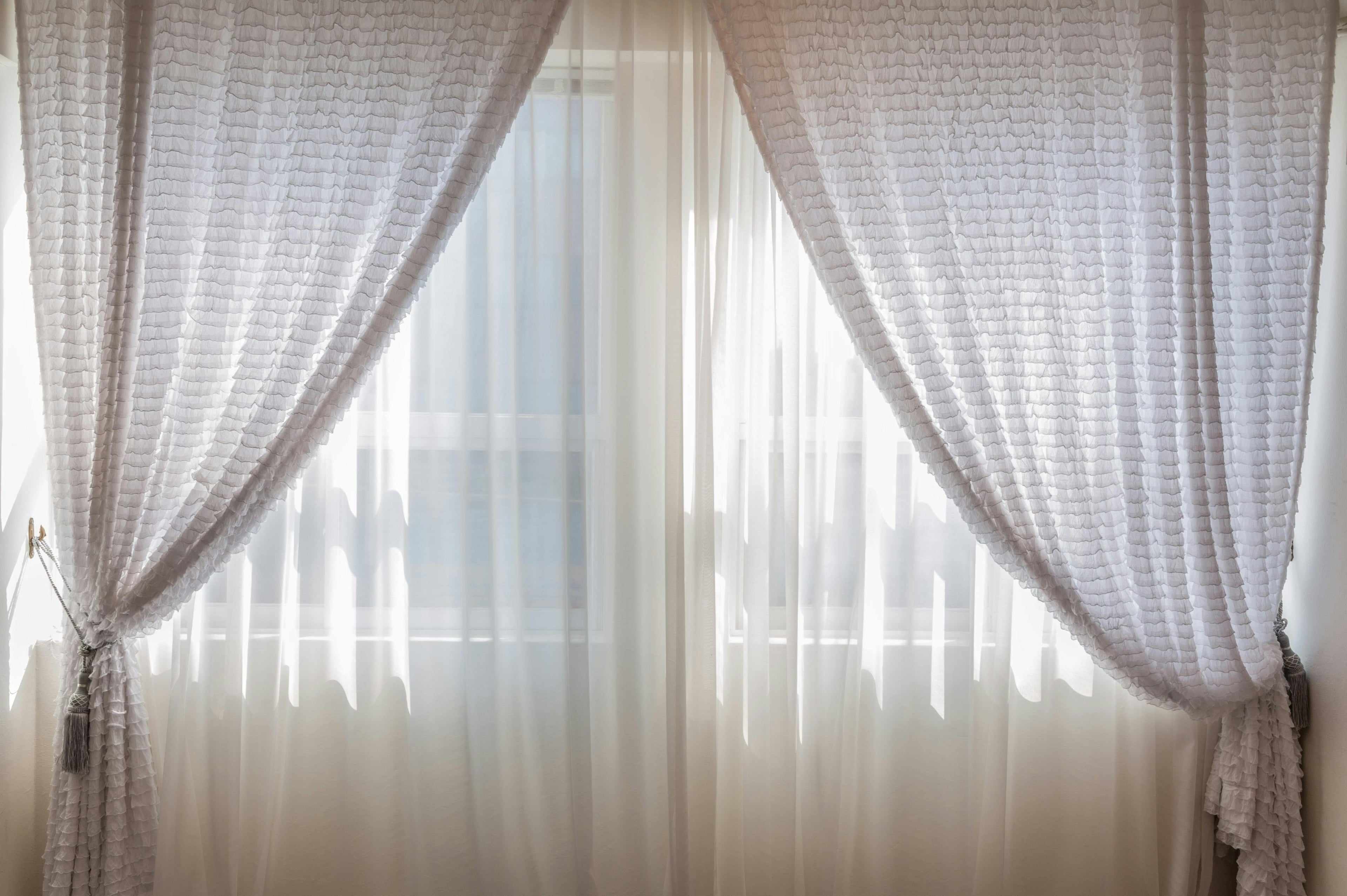
Dressing a rooftop terrace is much more than a simple decoration project; it is an adventure that consists of conquering space, creating a personal refuge, and redefining your relationship with the outdoors. By following the key steps – technical audit, project definition, choice of materials and vegetation – you will transform a bare surface into a fully-fledged living space, a reflection of your style and aspirations. Whether you dream of a lush garden, a chic lounge under the stars, or a wellness space, the possibilities are within reach. Don't wait any longer to bring your sky to life. To discover more inspiration, practical guides, and expert advice, explore without delay the numerous resources available on ombreinterieur.fr, your partner for all your interior and exterior decoration projects. Discover the product Curtain for Mobile Home Terrace to finalize your decor. For more tips, discover how to arrange off-white candles on the terrace on the blog. Visit ombreinterieur.fr to explore the entire catalog.
```