


















How to Open a Window Fully
The desire to open your interior to light, create a fluid connection with the outdoors, and give a sense of space is a deep-seated aspiration in contemporary decoration. The question "how to enlarge a window" goes far beyond simply widening a bay window. It is a design philosophy that seeks to maximize natural light, reshape volumes, and transform the very perception of your living space. Whether you live in a detached house, an apartment with a view, or even a ground-floor garden flat, there is a multitude of technical and decorative solutions to amplify the impact of your windows. This article explores in detail all the facets of this transformation, from major structural work to purely visual tricks, to help you flood your interior with clarity and openness.
Why Enlarge a Window? The Benefits of a Luminous Transformation
Enlarging a window is not a trivial project. It is essential to understand all the advantages it brings, beyond aesthetics. The first benefit is obviously the spectacular increase in natural light. A room bathed in sunlight significantly reduces the need for artificial lighting, even during the day, generating energy savings and increased well-being.
Natural light has a proven impact on mood, circadian rhythms, and productivity. Secondly, a more generous opening widens the field of vision and creates a tangible link with the outdoors. Whether overlooking a garden, balcony, or simply the sky, this visual connection psychologically expands the space and soothes the mind.
Finally, from a strictly decorative point of view, a large window becomes the central architectural element of the room. It structures the space, draws the eye, and offers a changing frame throughout the hours and seasons. It is a living work of art that instantly enhances your home.
Essential Preliminary Study: Regulations, Structure, and Feasibility
Before dreaming of a floor-to-ceiling bay window, a rigorous study phase is mandatory. The first constraint is urban planning regulations and the Local Urban Plan (PLU). Depending on your zone (urban, protected, housing estate), strict rules may govern the size, style, and even color of the joinery. A building permit or a prior declaration of works is often necessary to enlarge an opening.
The second, and most crucial, constraint is the building's structure. Enlarging a window involves modifying a load-bearing or non-load-bearing wall. A load-bearing wall supports the floors or roof. Its modification systematically requires the intervention of a structural engineering firm or an architect to calculate and install a lintel (beam) capable of bearing the loads.
Working on a non-load-bearing wall (partition) is simpler but still requires precautions. In a condominium, the agreement of the building management and sometimes the general meeting is imperative, especially for modifying the facade. Do not neglect this step, or you may have to restore everything to its original state.
Hiring a Professional: A Non-Negotiable Step
For all structural enlargement work, recourse to a qualified professional is essential. A carpenter-fitter, architect, or renovation company can assess feasibility, establish technical plans, handle administrative procedures, and guarantee the perfect watertightness and insulation of the new opening. It is an investment in the safety and longevity of your project.
Technical Solutions for Physically Enlarging a Window
Once feasibility is confirmed, it's time to choose the technical solution. Several options are available, from the simplest to the most transformative.
Replacement with a Pocket Window
The pocket window is an ingenious solution for gaining glazed surface area without touching the masonry. The sashes slide laterally to retract into the wall, eliminating the bulk of casements that open inwards or outwards. When open, the opening is total. It is an ideal option for narrow rooms or for creating a custom sliding bay window by simply replacing the old joinery.
Widening the Existing Opening
This involves lowering the window sill and/or raising the lintel to create a larger opening. This is heavy masonry work that involves breaking the wall, installing a new lintel, and reinstalling the joinery. This method allows you to create a standard or custom panoramic window, possibly keeping the same width. Lowering the sill is particularly effective for bringing the view closer to the floor and improving the perspective.
Transformation into a French Door or Bay Window
By lowering the sill to floor level (or nearly so), a simple window is transformed into a French door, offering direct access to the outdoors. Taken to the extreme, this results in a fixed or tilt-and-turn bay window that occupies the full height of the wall. This is the most spectacular solution, creating a true "showcase" onto the garden or terrace. Contemporary systems with ultra-thin profiles maximize the glazed surface and minimize frames for total immersion.
Creating a Conservatory or Glazed Extension
To go even further, why not enlarge the space itself by extending it with a glazed structure? A conservatory or a small fully glazed extension on one or more sides is the ultimate answer to the question "how to enlarge a window." It adds habitable square meters while creating a luminous interface between the interior and the garden. Modern materials (aluminum, steel, wood) and high-performance glazing make these rooms pleasant to live in all year round.
Alternatives Without Construction Work: Optical Illusion and Decorative Tricks
If major construction work is not feasible, rest assured: purely decorative solutions can create a striking impression of enlargement. The goal is to trick the eye and draw all available light into the interior.
Strategic Choice of Blinds and Curtains
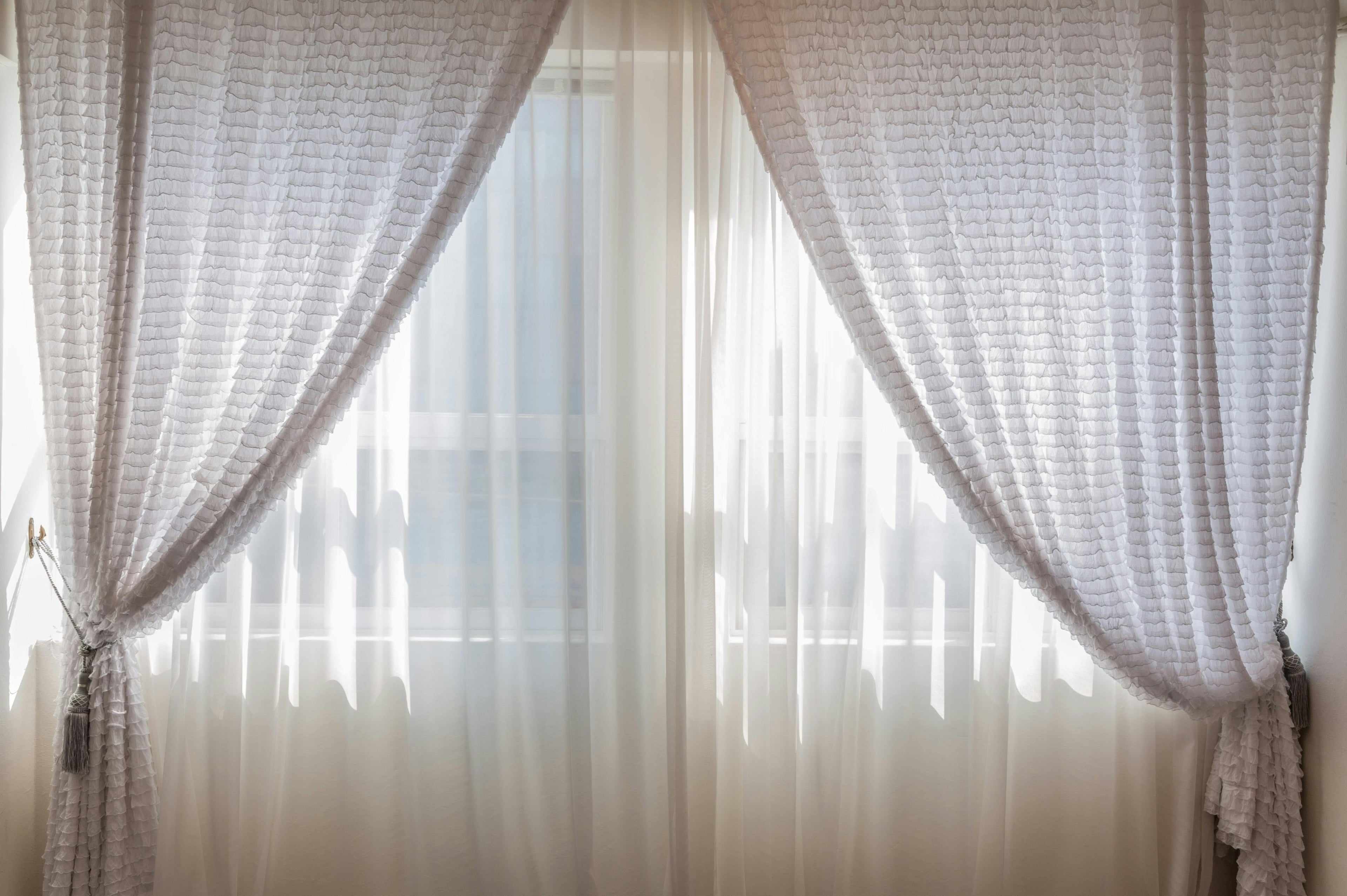
Banish heavy, thick, and small-patterned curtains. Opt for white or very light sheer curtains, lightweight and translucent, which let light through while preserving privacy. Hang them as high as possible, above the window frame, and let them fall to the floor. This verticality lengthens the room. Roller blinds or Roman blinds, mounted inside the recess or above, become almost unnoticeable when raised.
The Magic of Colors and Reflections
Paint the walls, and especially the window frames, in light and luminous tones: white, cream, very pale grey, sky blue. These colors reflect light instead of absorbing it. For an even more spectacular effect, use glossy or satin paint on the walls surrounding the window. Installing a strategic mirror opposite or perpendicular to the window will literally double the light and perspective, creating the illusion of a second opening.
Layout and Furniture in Service of Light
Move bulky furniture away from the windows. Choose furniture with clean lines, slim legs, and light colors. A low bookcase under a window, rather than a tall one, will block less light. Light-colored parquet flooring or a large rug will also help bounce light around. Remember to completely clear the window recess: no overly tall plants or decorations that obstruct the view.
Focus on Joinery: Which Material and Type of Glazing to Choose?
The choice of joinery is crucial for the performance and aesthetics of your large window. Three materials dominate the market.
PVC remains the most economical and an excellent insulator. It requires little maintenance and is available in many colors (including very convincing wood imitations). Aluminum is the star of slim profiles and large sliding bays. Its structural strength allows for large glazed surfaces with minimal frames. It is recyclable and very durable. Wood (or wood-aluminum composite) brings incomparable warmth and authenticity. It requires more maintenance but ages beautifully.
Regarding glazing, the standard today is double glazing with reinforced insulation (Low-E) or even triple glazing in cold regions. For very large surfaces, laminated (safety) glazing may be recommended. Also consider treatments: solar control glazing (anti-heat in summer) and low-emissivity glazing (which retains heat inside in winter) are wise investments for comfort and energy savings.
Maximizing Impact: Arranging the Interior and Exterior Surroundings
A large window is meant to be showcased. Indoors, consider creating a cozy nook in front of this opening: a small reading corner with a comfortable armchair and a coffee table, a desk benefiting from natural light, or simply a clear space to contemplate the view. Accent lighting (floor lamps, discreet spotlights) can highlight the window in the evening, transforming it into a dark tableau.
Outdoors, the view should be curated. Even on a small urban balcony, a well-kept garden, a flowering planter, or a potted tree will create a pleasant focal point. Avoid visual clutter. For ground-floor gardens, a terrace extending from the interior floor (using the same or harmonious materials) creates incredible spatial continuity, blurring the boundary between inside and outside. This is the principle of the extended living space.
Current Trends: Innovations Pushing the Limits
Innovation in the field of joinery is moving towards ever-greater transparency and perfect integration. Sliding bay window systems with retractable sashes allow a glazed wall to disappear entirely, creating an opening several meters wide. Corten steel profiles, which develop a protective rust patina, add an industrial and sculptural touch.
Corner windows, without a central frame at the junction, offer an uninterrupted 90° panoramic view. In cities, bay windows (projecting windows) or oriel windows (cantilevered windows) are solutions for gaining light and small space without enlarging the footprint. Finally, smart glazing (electrochromic tintable glass) allows you to adjust opacity at the touch of a button, combining privacy and transparency at will.
FAQ: Answers to Frequent Questions About Window Enlargement
What is the average budget for enlarging a window?
The budget is extremely variable. For a simple replacement pocket window, expect between €800 and €2,000 depending on size and material. For a widening with masonry and installation of a new lintel, you often need to budget between €2,500 and €5,000 per opening. A large custom aluminum sliding bay window can easily exceed €5,000. A conservatory starts around €10,000 for a small area. Detailed quotes from several professionals are essential.
Can you enlarge a window in an apartment?
Yes, but with additional constraints. The agreement of the condominium is absolutely mandatory as you are modifying the appearance of the facade, which is a common area. The work must often comply with an aesthetic charter (color, type of joinery). The issue of debris removal and logistics on upper floors must also be anticipated with the building management and the company.
How to effectively insulate a very large glazed surface?
Insulation depends on choosing high-performance joinery (Class A or B) and premium glazing (double Low-E with argon, triple glazing). Thermally broken profiles (TBI) are essential, especially for aluminum. Indoors, thick thermal curtains or blackout blinds can provide additional insulation at night. Good airtightness, ensured by careful installation, is just as important as the glazing itself.
What financial aid is available?
Replacing windows with more efficient models may qualify for aid subject to income and performance conditions (energy label). These include MaPrimeRénov', the Energy Certificate (CEE), reduced VAT (5.5%), and the zero-interest eco-loan. For a pure enlargement (creating a new opening), aid is rarer, unless it is part of an overall energy renovation project. Check official websites like that of Anah.
How to maintain and clean a large bay window?
Maintenance is key to preserving beauty and functionality. For the glass, a large-blade squeegee with soapy water or a streak-free glass cleaner are your best allies. For aluminum joinery, a damp cloth is sufficient. For wood, gentle cleaning and regular re-oiling (every 5 to 10 years) are necessary. Remember to check and lubricate the closing mechanisms and sliding tracks once a year.
Conclusion: Dare the Light and Transform Your Daily Life
Enlarging a window is much more than a renovation project; it is an act that radically transforms the atmosphere and quality of life in a home. Whether you opt for a spectacular structural transformation or ingenious decorative tricks, the goal remains the same: capture light, open up perspectives, and create harmony between your interior and the outside world. By planning carefully, choosing the right materials, and showcasing this architectural element, you will add invaluable value to your living space. To discover more inspiration and technical advice on the art of amplifying light, explore the other resources available on ombreinterieur.fr. Need practical advice? Read how to make a window curtain. Get inspired on our decoration website for your future projects.
```