














How to Black Out Windows: Complete Guide 2026
When daylight becomes overwhelming, prying eyes feel too intrusive, or you simply wish to create an intimate and restful atmosphere, the question of window blackout arises acutely. Knowing how to blackout windows effectively is not just a matter of decor; it is an art that combines functionality, comfort, and aesthetics. Whether you live in a city facing a neighboring building, your nights are disturbed by streetlights, or you are looking to optimize your home's thermal insulation, finding the perfect solution is essential. This article guides you through all the options, from classic to innovative, to transform your openings into perfectly controlled havens of peace.
Why is total blackout so important?
Before diving into the vast range of solutions, it is crucial to understand the multiple benefits of effective blackout. It is not just about privacy or sleep. A perfectly blacked-out window acts as a true shield for your interior. It blocks up to 99.9% of external light, which is essential for night workers, young children, or home cinema enthusiasts.
From an energy perspective, a high-performance blackout solution provides an additional thermal barrier. In winter, it reduces heat loss through glazing, often the weak points of insulation. In summer, it rejects part of the solar radiation, limiting overheating and the need for air conditioning. Finally, it offers absolute security and privacy, shielding you from prying eyes and preserving the intimacy of your home—a fundamental need in dense urban areas.
The blackout curtain: the classic and effective textile solution
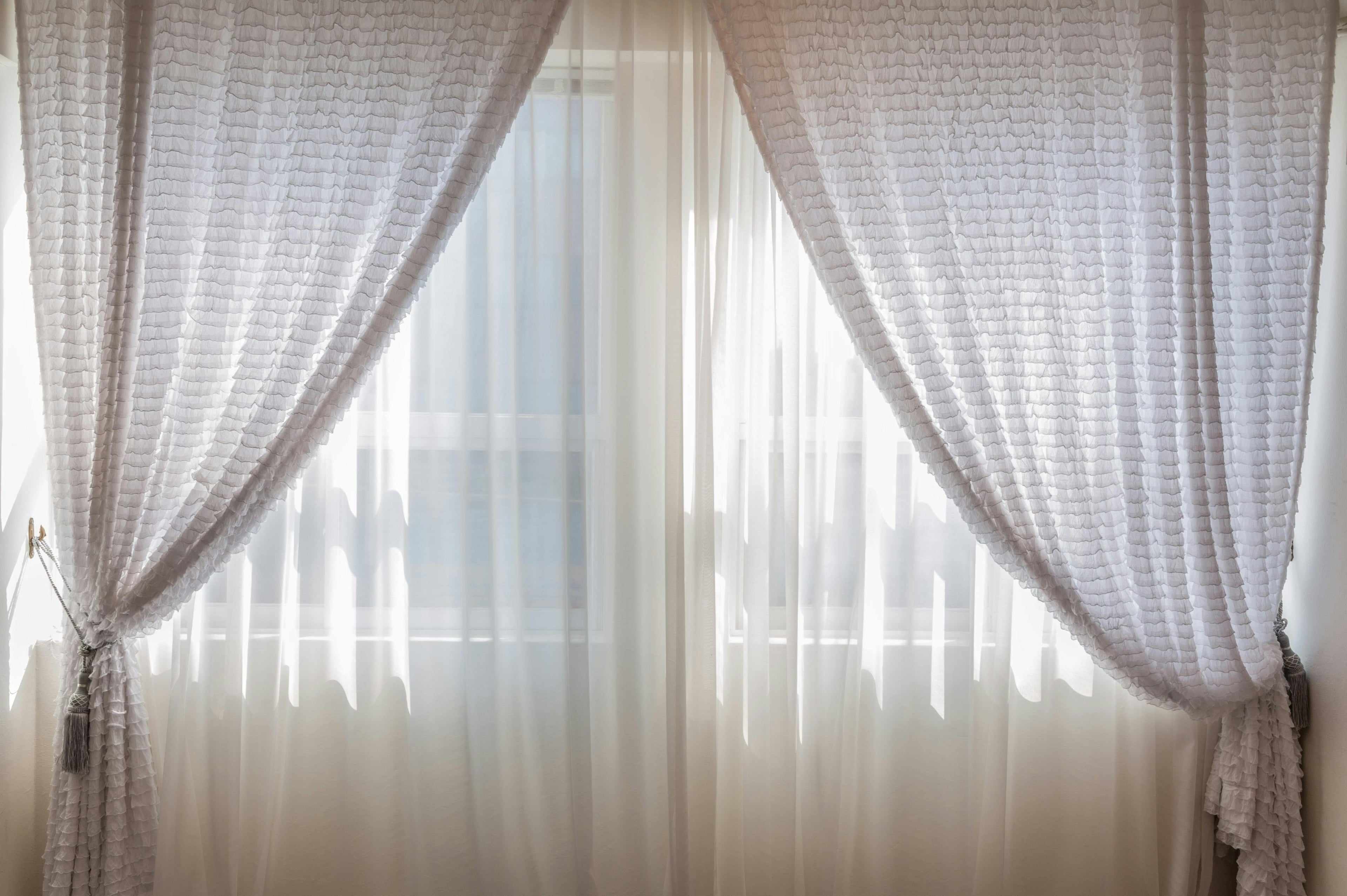
The curtain remains the most common and versatile solution for blacking out a window. But not all curtains are created equal. For true darkness, you need to turn to specific fabrics.
Fabrics to prioritize for total darkness
The trick lies in the composition and weave. So-called "blackout" or "opaque" curtains consist of several layers. A decorative face, a dense intermediate layer (often made of acrylic foam or felt), and sometimes a thermal coating. The most effective materials are thick velvet, coated cotton sateen, or polyester blends with specific treatments. The current trend favors natural or recycled fabrics with high-tech finishes, combining ecology and performance.
The crucial importance of installation and accessories
A beautiful blackout curtain can fail in its mission if its installation is neglected. Two golden rules: width and length. The curtain must be significantly wider than the window (at least 1.5 to 2 times the width of the opening) so that its folds close properly without leaving gaps on the sides. It should also touch the floor or even "puddle" slightly to prevent light from creeping in at the bottom. Use a sufficiently sturdy rod or track and opt for tiebacks that keep the panels well open during the day.
Blackout blinds: modernity and technical precision
For a cleaner, more contemporary look, blinds offer a mechanized and precise alternative. They are perfect for modern patio doors, conservatories, or rooms with a minimalist style.
The roller blind: pure efficiency
The roller blind is probably the most straightforward window blackout solution. A tube, a fabric, a mechanism. Its strength? Simplicity and efficiency. Blackout versions are equipped with specific fabrics, often with side edges guided in tracks. This system completely eliminates light gaps on the sides, guaranteeing perfect darkness. Motorized models, controllable via smartphone or integrated into a central home automation system, represent the strong market trend.
The Venetian blind and the vertical blind: fine light control
If you are looking for a solution that allows you to vary between total blackout and soft light, these blinds are ideal. The Venetian blind, with its horizontal slats in aluminum or PVC, allows you to adjust the angle of light with extreme precision. For total darkness, simply close the slats completely. The vertical blind works on the same principle but with vertical slats, often used on large glazed surfaces or sliding doors. Materials are evolving towards wood, fiberglass, or coated polyester for greater durability and aesthetics.
Roller shutters and hinged shutters: the long-lasting structural solution
For architectural integration and maximum performance, nothing rivals shutters. They form a true second skin for your home, offering security, insulation, and blackout.
The roller shutter, housed in a box above the window, is the star of contemporary renovations and constructions. Models with solid slats in PVC or aluminum offer the best complete blackout. Innovation lies in alveolar composite materials, which combine lightness, rigidity, and exceptional sound and thermal insulation. Motorization has become almost standard, allowing easy management even for high or hard-to-reach windows.
Hinged shutters, on the other hand, bring traditional charm and unmatched robustness. In wood or imitation wood PVC, they perfectly match classic or regional styles. Their manual closing requires more handling but offers a unique sense of security and durability. For perfect blackout, ensure the shutters are perfectly adjusted to their frame and equipped with weatherstripping.
Innovative and high-tech solutions
Technology has revolutionized the field of blackout, bringing comfort, connectivity, and new features.
Smart glazing and films
At the forefront of innovation are electrochromic or liquid crystal (PDLC) glazing. With a simple press of a switch or via an app, the glass changes from perfectly transparent to completely opaque. Although expensive, this solution is ideal for bathrooms without overlooking neighbors, interior partitions, or offices that require occasional privacy. More accessible, adhesive blackout film to apply to glazing is available in static versions (permanent tint) or "smart film" versions that can be activated/deactivated.
Home automation and automation
Blackout becomes intelligent. Home automation systems allow you to program the lowering of your roller shutters or the closing of your curtains at specific times, link them to light sensors, or integrate them into scenarios ("night scenario," "cinema scenario"). This automation guarantees not only optimal comfort but also energy savings by optimizing free solar gains in winter and blocking them in summer.
Blacking out atypical windows: bay windows, skylights, and French doors
Non-standard openings require custom solutions. An imposing bay window can be equipped with an extra-large motorized roller blind, several curtains sliding on a curved track, or a custom roller shutter with side guides. For roof windows (Velux®), specific blinds exist, often in folding versions with remote control, perfectly adapted to the roof slope.
French doors and sliding doors require solutions that do not obstruct passage. Vertical blinds or double curtains that can be fully opened to the sides are perfect. For total blackout on a door, consider a roller blind placed above the frame or a roller shutter integrated into the wall above the opening.
Choosing materials: performance, ecology, and aesthetics
Your choice should consider appearance, but also durability and environmental impact. Wood (or its imitation in PVC or aluminum) brings warmth and authenticity. Aluminum is lightweight, durable, and infinitely recyclable, perfect for an industrial or contemporary style. PVC is economical and insulating, but its life cycle is less virtuous.
On the textile side, sustainable trends are strong. Fabrics made from recycled fibers (PET bottles), linen, organic cotton, or Oeko-Tex® certified polyester are gaining ground. They combine high-performance blackout properties with more responsible production. Do not hesitate to ask for environmental certifications of products.
Installation and maintenance tips for maximum longevity
Good installation is the key to performance and lifespan. For motorized blinds and shutters, call a professional who will guarantee electrical safety and proper operation. For curtains, a rod securely fixed into the masonry or a solid frame is essential.
Regular maintenance preserves efficiency. For blackout textiles, a vacuum cleaner with a soft brush attachment is your best ally. Avoid frequent washing, which can damage the technical layers. Occasional dry cleaning is recommended. For PVC or aluminum shutters, a simple wipe with a damp sponge is sufficient. Lightly lubricate roller shutter mechanisms once a year for silent operation.
FAQ: Most frequently asked questions about window blackout
What is the most economical solution for blacking out a bedroom?
The blackout curtain is often the most affordable option, especially if you are a bit handy. You can buy fabric by the meter and sew it yourself, or opt for ready-to-hang curtains from DIY stores. Basic roller blinds are also an economical and effective solution. Remember to measure carefully to avoid costly mistakes.
Can total darkness be achieved with simple curtains?
With standard curtains, this is very difficult. For true darkness, you absolutely need a multi-layer "blackout" fabric. Even with this fabric, total darkness depends on installation: curtains that are too narrow or too short will let light through on the sides and bottom. The combination of blackout curtain + Venetian blind or shutter is often the winning combination for the bedroom.
Are roller shutters good for sound insulation?
Yes, absolutely. A well-closed roller shutter, especially with alveolar slats in PVC or polyurethane, provides a very effective additional acoustic barrier. It significantly attenuates street noise (traffic, voices). Combined with double glazing, it greatly contributes to the acoustic comfort of your home, in addition to its thermal and blackout benefits.
How to blackout a window without drilling into the wall?
Several solutions exist for tenants or those who do not want to make holes. Tension rods (spring-loaded) fit between the two walls of the recess. Blinds with adhesive or suction cup fixings (especially for small formats or roof windows) are practical but often less stable. Adhesive blackout films to stick directly onto the glass are another option, non-reversible but very effective for blocking light.
Is motorization reliable and safe?
Current motorizations are extremely reliable and designed to last for years. They incorporate safety systems with end stops and obstacle detection (especially for roller shutters) to prevent any pinching. For children, remote controls or switches placed high up are recommended. Always choose products with CE standards and have them installed by a qualified professional.
Trends 2026: Blackout for well-being and personalization
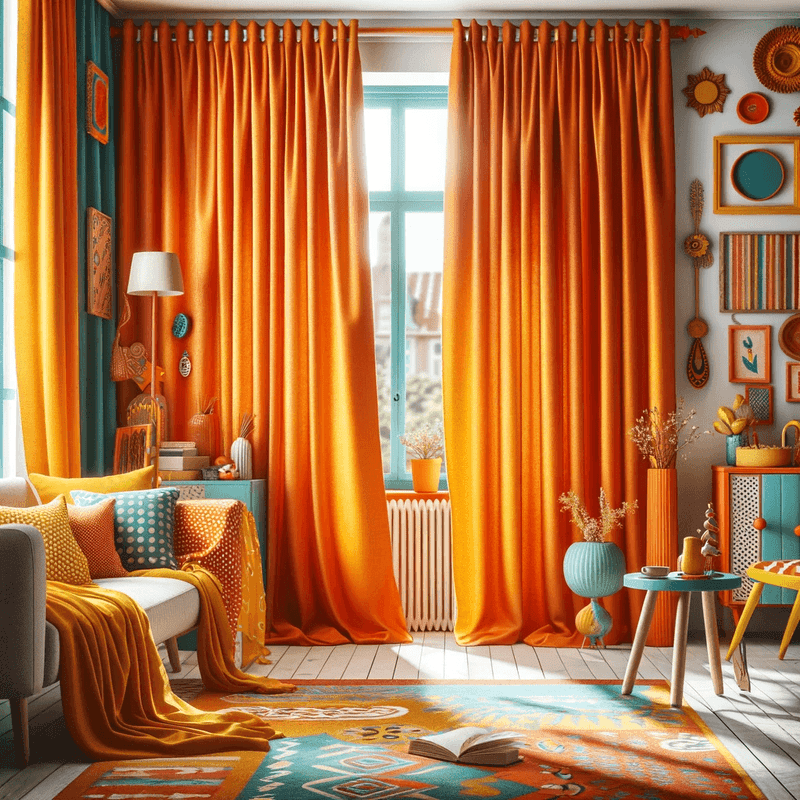
Interior decoration now places blackout at the heart of domestic well-being design. We no longer just seek to hide, but to create atmospheres. Blackout fabrics are adorned with deep colors (midnight blue, forest green, terracotta) and rich textures (cannelé, jacquard) to become true decorative elements. Personalization is king: custom prints, original curtain header shapes, mixes of materials (wood and metal, fabric and rattan).
The trend is also towards flexibility. Multiple systems are combined to adapt to all situations of the day: a screen blind that filters light and preserves the view during the day, and a thick blackout curtain for the night. The goal is total and aesthetic control over your light environment, for a healthier, more comfortable home perfectly suited to your lifestyle.
Blacking out your windows is much more than a practical act; it is a step that concretely improves the quality of life, comfort, and energy efficiency of your home. Whether you opt for the softness of a velvet curtain, the technical precision of a motorized blind, or the robustness of a roller shutter, the key is to choose a solution that perfectly meets your specific needs in terms of darkness, insulation, and aesthetics. Do not hesitate to mix solutions for an optimal result. To discover more inspiration and advice on furnishing your interior, explore the other comprehensive guides available on ombreinterieur.fr, your resource for creating a home as beautiful as it is functional. Check out our article how to pair khaki-colored pendant lights in the bathroom to go further. Visit ombreinterieur.fr to explore the full catalog.
