














How to Block Light from a Window: Complete Guide
Natural light is a valuable asset in a home, but sometimes its intensity can become overwhelming. Whether it's to protect your sleep from the first rays of the sun, create the perfect cinema atmosphere in broad daylight, preserve your furniture from UV rays, or simply gain privacy, knowing how to block light from a window is a key skill in interior decoration. Total blackout goes far beyond a simple curtain; it is a technical and aesthetic solution that meets specific needs. Between traditional solutions and modern innovations, the choice is vast and should be guided by the room's use, decorative style, and budget. This article guides you through all the options, from the most classic to the most ingenious, to transform your windows into impenetrable barriers to light and regain absolute control over the lighting ambiance of your interior.
Why seek total light blackout?
Before choosing your solution, it is essential to understand the motivations behind seeking complete darkness. Needs vary considerably from one person to another and from one room to another.
For night workers or light sleepers, a perfectly dark bedroom is non-negotiable. Light, even dim light, disrupts the production of melatonin, the sleep hormone, impacting the quality of rest. In a home cinema or projection room, blackout is crucial for image contrast and sharpness.
From a practical standpoint, the sun's UV rays are the main culprits in the fading and premature aging of upholstery, rugs, artwork, and flooring. Good blackout acts as a protective shield. Finally, in dense urban areas or on the ground floor, blackout goes hand in hand with privacy, allowing you to live without being seen, day and night.
Blackout blinds: the ultimate technical solution
Blinds are often the first solution considered for their effectiveness and relative discretion. They come in several technologies, each with its advantages.
Awning or exterior blind
The premier solution for combating heat and light, the awning is placed outside the window. By blocking solar rays before they pass through the glass, it prevents the greenhouse effect inside. Models with adjustable slats, often made of aluminum, allow for fine-tuning brightness without sacrificing the entire view outside. For total blackout, opt for models with close-fitting slats and a side guide system that prevents light from filtering in on the sides.
Interior Venetian blind
More accessible to install, the interior Venetian blind, in aluminum, wood, or PVC, offers precise light control thanks to the tilting of the slats. For optimal blackout, it is imperative to choose a model with sufficiently wide slats and a fixing system that perfectly hugs the window frame, limiting gaps. Motorized models allow for perfectly uniform closing, ensuring an optimal seal.
Pleated blind or day/night blind
This ingenious blind is made up of two types of alternating fabric bands: one opaque and one translucent. By adjusting the blind's position, you can let in soft light (translucent bands) or achieve total darkness (aligned opaque bands). It is a very elegant and functional solution, particularly suitable for bedrooms and French windows. Ensure the blackout fabric is of "blackout" quality for maximum effectiveness.
Blackout curtains: combining aesthetics and performance
Curtains bring a textile and decorative dimension that blinds do not offer. For successful blackout, the choice of fabric and installation is paramount.
"Blackout" fabric: the key to success
A blackout curtain worthy of the name is always lined or woven with a so-called "blackout" material. This technology typically incorporates a layer of dense foam, PVC, or coated fabric between two layers of textile, which physically blocks the passage of light. The best current blackout fabrics are also thermoregulating and sound-insulating. When purchasing, check the blackout coefficient, often expressed as a percentage (100% being ideal).
The crucial importance of installation and over-width
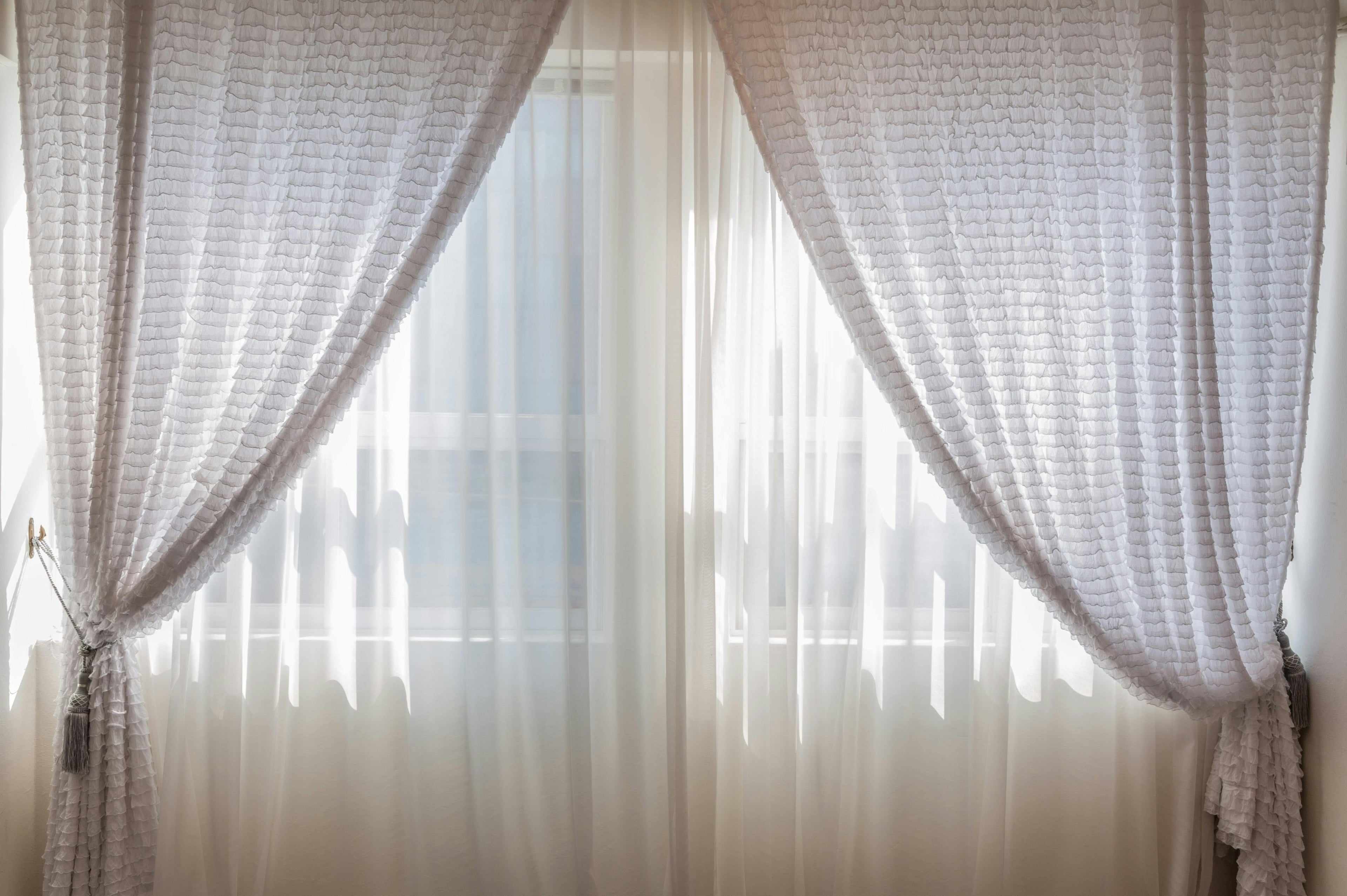
The best fabric in the world will be ineffective if light passes through the sides, top, or bottom. For perfect blackout, the curtain must generously cover the window opening. It is recommended to allow for an over-width of at least 20 to 30 cm on each side of the opening. The rod or track should be fixed to the ceiling or wall, well above the top of the window, and the curtains should touch the floor or even form a slight "pooling" (accumulation on the floor) to block any light entry from the bottom.
Essential accessories: magnetic strips and weights
To seal the sides, ingenious systems exist. You can opt for curtains whose inner edge contains a magnetic strip that magnetically attaches to another strip fixed to the wall. Other systems use side guides. At the bottom of the curtain, inserting a weighting bar in the hem guarantees a perfect drape and prevents the curtain from moving and letting in a sliver of light.
Roller shutters and louvered shutters: the structural option
Robust and integrated solutions, shutters offer the most solid blackout and often the best insulation.
The roller shutter, with its aluminum, PVC, or wood slat curtain, is extremely effective at creating total darkness. When fully lowered, it fits into the side rails, leaving little chance for light to filter through. Recent models with interlocking slats ("standing seam") are even more efficient. The additional thermal and acoustic insulation is a major advantage. For bedrooms, motorization with remote control or programming is an invaluable comfort.
Louvered shutters or casement shutters, traditional in many regions, also provide excellent blackout when closed. The seal depends on the quality of the joinery and the possible presence of peripheral seals. Their charm and heritage aspect make them a decorative option in addition to being functional.
Window films and adhesives: technical invisibility
For those who do not want to alter the appearance of their window or add textiles, adhesive films are a discreet and economical solution.
There are opaque or mirror films that stick directly onto the glazing. They block 99% to 100% of visible light. Mirror films have the advantage of reflecting light outward, keeping the room cool, while preserving privacy during the day (at night, with the light on inside, the mirror effect reverses). Application requires precision to avoid bubbles. A professional-quality film will also have a built-in UV filter to protect objects in the room.
A more sophisticated variant is electrochromic glazing. This technology, still expensive, allows the glass to switch from transparency to complete opacity at the touch of a switch, thanks to an electric current that modifies the molecular structure of the glass. This is the ultimate high-tech solution for large modern bay windows.
Combined solutions and pro tips for absolute darkness
Sometimes, a single solution is not enough, especially when facing a south-facing bay window or in a very light-sensitive sleeper's bedroom. Combination is then the key.
The most common and effective combination is roller shutter + blackout curtain. The shutter provides structural blackout and insulation, while the curtain adds the aesthetic finish, absorbs resonances, and blocks any potential micro-gaps of light on the sides of the shutter. Another winning duo: exterior metal Venetian blind + light fabric curtain inside. The blind manages light and heat during the day, the curtain adds a layer of blackout and privacy in the evening.
Don't forget the details that make the difference: seal the gaps in the joinery with foam or silicone seals, use opaque espagnolette covers, and install door bottoms to block light that might come from the hallway. For Velux® or roof windows, specific blinds or shutters, often with perimeter guidance, are designed for a perfect fit.
Choosing according to the room: functional custom solutions
The ideal solution depends entirely on the room's use. Let's analyze the needs room by room.
The bedroom: This is the sanctuary of darkness. Absolute priority is sleep comfort. A shutter + blackout curtain combination is ideal. For a tighter budget, a quality day/night pleated blind or a perfectly sized and installed blackout curtain will do the job. Motorization is a plus to avoid having to get up.
The living room / Home cinema: Here, flexibility is key. You need to be able to live normally during the day and plunge into darkness for a film. Electric blinds (awning or Venetian) combined with thick curtains are perfect. In a dedicated projection room, consider blackout curtains with side guides across an entire wall.
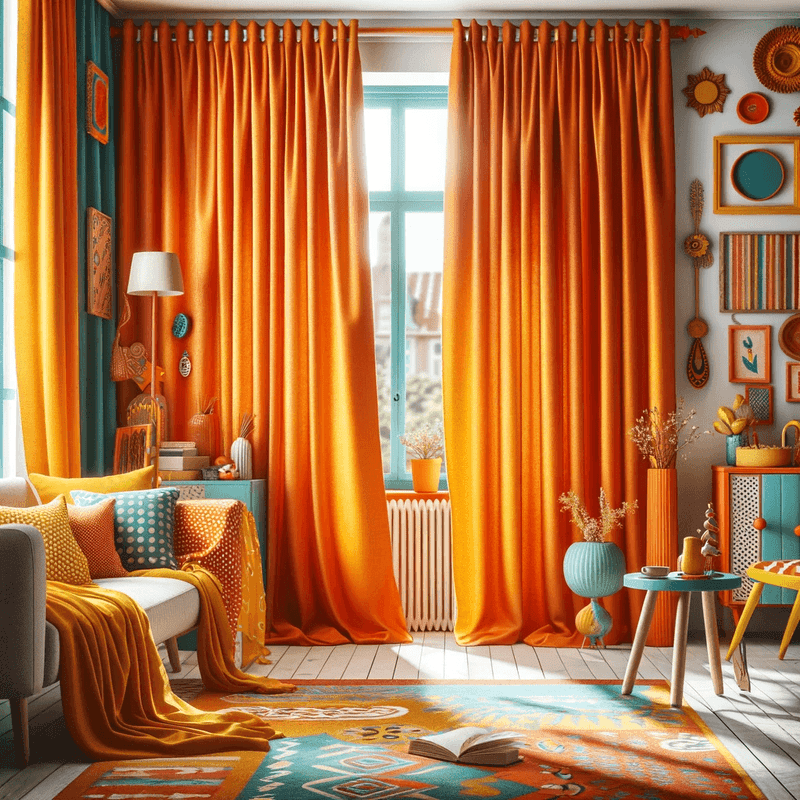
The child's or baby's room: Blackout helps establish nap and nighttime routines. Prioritize cordless solutions for safety (electric or crank-operated blinds, short rods). Blackout fabrics with playful patterns are plentiful.
The home office: You need to control reflections on screens. An adjustable Venetian blind or awning allows you to dose natural light without creating glare, while being able to black out completely for video conferences.
Current trends and innovations in blackout
The blackout market is evolving, driven by smart home technology and ecological concerns.
Home automation is everywhere. Connected blinds and shutters can be controlled via an app, a voice assistant (Google Home, Alexa), or integrated into scenarios ("Goodnight" which closes all shutters and lowers the heating). Some models are equipped with light or temperature sensors and adjust automatically.
Materials are also evolving. We are seeing more ecological technical fabrics, wood from sustainably managed forests for Venetian blinds, and finer, more resistant aluminum composites. Thermal insulation is a strong argument: properly blacked out, a window reduces heat loss in winter and overheating in summer, contributing to the home's energy performance.
Aesthetically, the trend is towards customization and integration. Recessed ceiling-mounted blinds (cassette type) for a minimalist look, custom colors for roller shutters to harmonize with the facade, or digital printing on blackout fabric to create a real wall mural when the curtains are closed.
FAQ: The most frequently asked questions about blackout
Is an "opaque" curtain sufficient for a bedroom?
No, you need to distinguish between "opaque" (which cannot be seen through) and "blackout" (which does not let light through). An opaque curtain may be tightly woven but will always let a glow filter through, especially if lit from behind. For true darkness, only fabric with a specific blackout lining or treatment is effective.
Can I make an existing curtain blackout?
Yes, several solutions exist. You can sew or attach a separate blackout lining to the back of your curtains using textile adhesive tape. You can also purchase independent blackout panels (like fabric blinds) to fix behind your decorative curtains. Finally, blackout sprays exist, but their effectiveness is limited and often temporary.
How do I measure my window for perfect blackout?
For a blind or shutter, measure the inside of the frame (height and width) to the nearest millimeter. For a curtain, it's the opposite: measure the space you want to cover. The rod must extend well beyond each side of the window. Height is measured from the top of the rod (or track) to the desired point (just below the window sill, to the floor, or with pooling). Don't hesitate to oversize.
Are blackout solutions effective for soundproofing?
They contribute to it, but to varying degrees. A thick roller shutter or blackout curtain absorbs some sound vibrations and provides an additional physical barrier, noticeably reducing airborne noise (voices, traffic). For optimal soundproofing, you need to act on the window itself (acoustic double glazing) and combine solutions (shutter + curtain).
What is the most economical solution for blacking out a window?
Opaque or mirror adhesive film is often the cheapest to purchase. Next come commercial blackout curtains, provided you choose them well and install them correctly. DIY blind kits can also be affordable. However, you must consider the value for money and durability over time.
Conclusion: Take back control of your light
Perfectly blacking out a window is not a luxury, but a matter of comfort, health, and preserving your interior. Whether you opt for the elegance of a perfectly fitted blackout curtain, the technicality of a motorized awning, or the robustness of a roller shutter, the solution exists. The key lies in a careful analysis of your needs (room, exposure, budget) and the care taken in installation, because the devil is in the details – or rather, light sneaks through the gaps. Don't hesitate to combine solutions for an infallible result. To discover more ideas, tips, and inspiration for transforming every room in your home, explore the other comprehensive guides available on ombreinterieur.fr. Your sanctuary of peace and dim light awaits. Check out our article how to cut a curtain rod to go further. Visit ombreinterieur.fr to explore the full catalog.
