














How to Black Out Windows: Complete Guide 2026
When you want to transform your interior into a true haven of peace, the question of how to black out windows becomes particularly important. Whether to ensure restful nights by blocking intrusive streetlight glare, to preserve your home's privacy from prying neighbors, or to optimize thermal and acoustic insulation, finding the perfect blackout solution is a major decorative and functional challenge. Today, the possibilities go far beyond simple thick curtains. Between blinds, technical sheer curtains, adhesive films, and custom-made solutions, the art of blacking out a window has become sophisticated, blending design, technology, and performance. This article guides you through all available options, from the most classic to the most innovative, to help you make an informed choice that matches your needs, style, and budget, and thus regain total control over the light and privacy of your living space.
Why is it essential to properly black out your windows?
Blackout is not just a decorative accessory. It is a key element of daily comfort. A poorly blacked-out window can disrupt sleep, overheat a room in summer, let heat escape in winter, and create a permanent feeling of discomfort. The benefits of good blackout are multiple and tangible.
Firstly, it guarantees quality sleep. Melatonin, the sleep hormone, is inhibited by light. A perfectly dark environment is therefore crucial, especially for early risers, night workers, or residents of brightly lit urban areas. Secondly, blackout plays a major role in thermal regulation. Suitable solutions can reject up to 90% of solar heat in summer, significantly reducing the use of air conditioning.
Conversely, in winter, they form an additional insulating barrier for the glazing, limiting heat loss. Sound insulation is also improved, dampening traffic or neighborhood noise. Finally, in a world where homes are increasingly densely packed, preserving privacy is paramount. Effective blackout provides absolute serenity, freeing the mind from the fear of prying eyes.
The blackout blind: the ultimate technical and modern solution
Among the most popular solutions for blacking out a window effectively and aesthetically, the blind holds a special place. Its simple mechanism and sleek design make it a perfect ally for contemporary interiors. There are several types of blinds, each with its own specific features.
The awning or exterior blind
Installed outdoors, the awning is the first line of defense against the sun. By intercepting rays before they pass through the glass, it effectively prevents overheating. Models with adjustable slats, such as awnings, allow for fine light regulation while maintaining the view outside. They are particularly suitable for French doors and large window surfaces.
The interior Venetian blind
A timeless classic, the Venetian blind offers precise light control thanks to its adjustable horizontal slats. Available in aluminum, wood, or even PVC, it adapts to all styles. For total blackout, simply raise the blind completely. Models with extra-wide slats (50 mm or more) are very trendy and add a strong graphic touch.
The pleated blind or day/night blind
This ingenious innovation combines two fabrics in a single blind. A band of opaque fabric alternates with a band of translucent fabric. By adjusting the position of the blind, you can let in soft light while masking the view, or conversely, black out everything for the night. It is the perfect solution for bedrooms and living areas where needs change throughout the day.
Curtains and double curtains: tradition, warmth, and maximum performance
Nothing replaces the feeling of comfort and the cozy touch provided by curtains. For optimal window blackout, the double curtain technique is king. It involves layering two types of fabric with complementary properties.
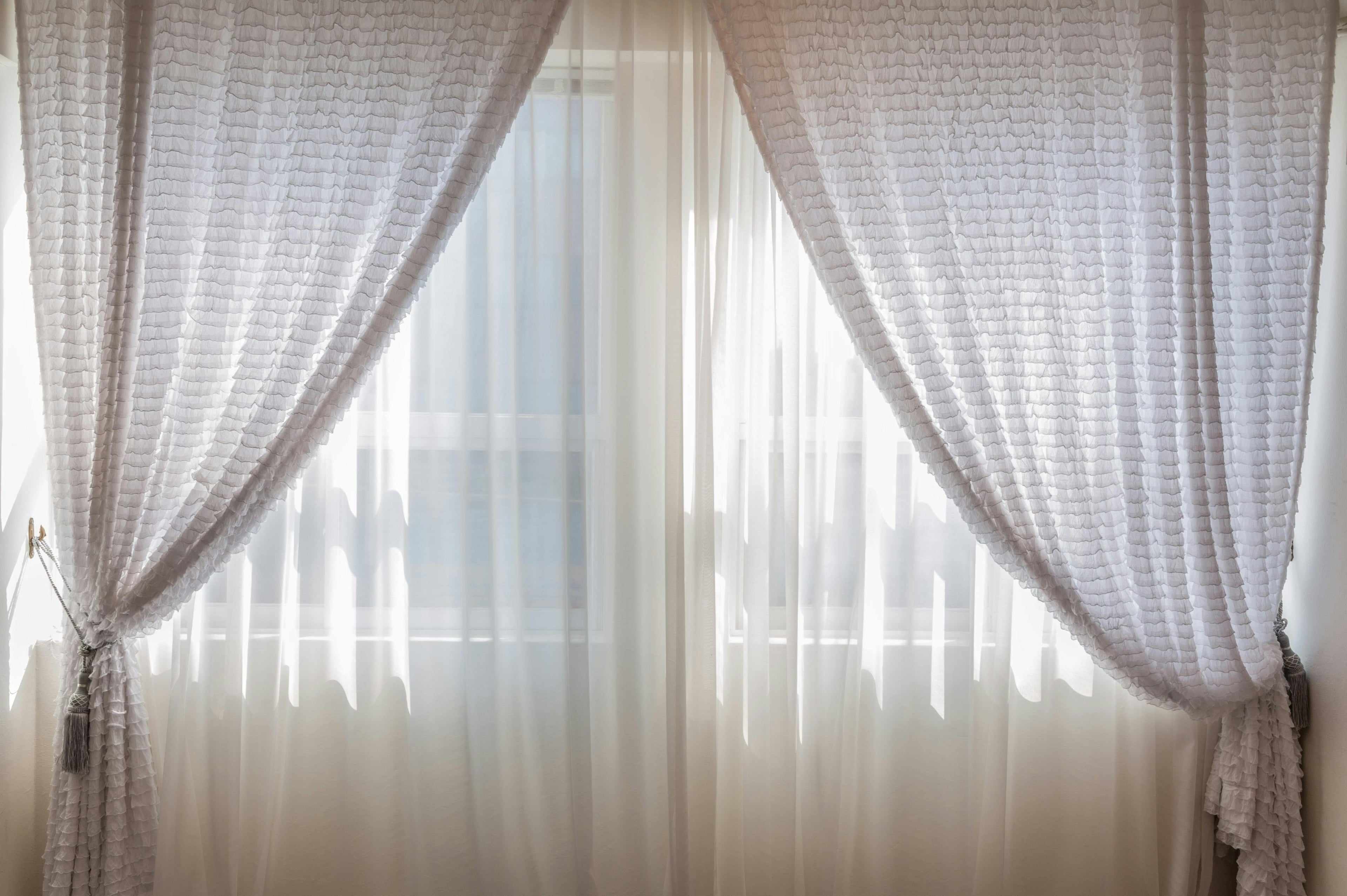
The first curtain, on the room side, is aesthetic. It can be light, colorful, textured, and defines the style of the decor. The second, placed between the first curtain and the window, has a technical blackout function. It is made of a thick fabric, often lined with a thermal-bonded material or a black coating, designed to block light and provide insulation. This combination offers total flexibility: you can use only the sheer for soft daylight, or close both layers for the night.
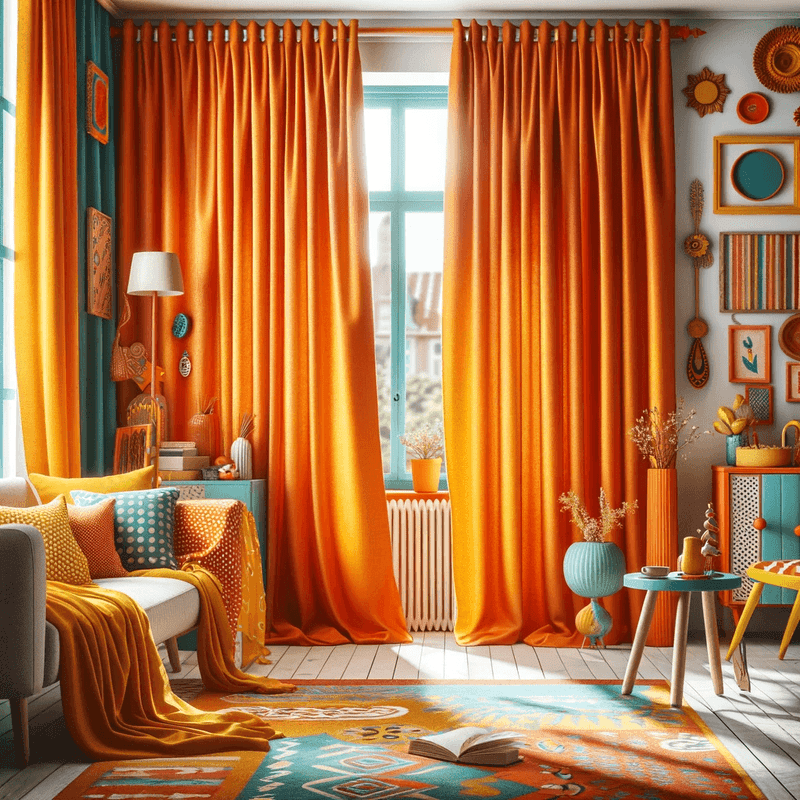
Current trends favor natural fabrics and generous cuts. Linen, velvet, and thick jacquards are highly appreciated. For a perfect installation, the curtain rod should be placed well above and to the sides of the window to avoid lateral light leaks, and the curtain should touch the floor or even "puddle" slightly for a dramatic effect and optimal seal.
Roller shutters and louvered shutters: blackout integrated into architecture
A robust and long-lasting solution, the roller shutter is often integrated into the construction or added during renovation. Whether motorized or manual, it offers total window blackout and enhanced security. Modern models feature very compact, design boxes and PVC or aluminum slats with sealing gaskets for exceptional sound and thermal insulation.
Louvered shutters, meanwhile, are making a strong comeback with undeniable charm. Whether interior (wood, metal, or PVC) or exterior, they allow for elegant light filtering while ensuring natural ventilation even when closed. Sliding louvered shutters are an ideal solution for French doors, offering great modularity of space and light.
Adhesive solutions and films: discretion and technology
For those seeking a minimalist solution, without mechanisms or fabric, window films and adhesives are an attractive alternative. Tinted solar film, for example, reduces glare and heat while maintaining visibility to the outside. There are also more opaque films, up to mirror film, which offers total privacy during the day (the interior is hidden) while remaining transparent from the inside out at night when the room is lit.
The major innovation in this field is liquid crystal film or "electrochromic glass." With the simple press of a button, the glazing changes from transparent to opaque uniformly. Although its cost is still high, this technology embodies the future of dynamic and connected blackout, perfect for bathrooms without overlooking neighbors or modular space dividers.
Japanese panels and sliding partitions: blackout and space structuring
When the window is very large or part of a French door, traditional solutions can be limited. Sliding panels, inspired by Japanese shoji, offer an aesthetic and functional response. Made of a frame and a filling (opaque fabric, washi paper, wood panel), they slide on a track and allow you to black out a large window in sections.
They have the advantage of structuring the space and adding an architectural dimension. In the same vein, acoustic sliding partitions, often used in offices, find their place in homes to separate a room while allowing a large opening to be blacked out if needed. Their thickness and materials (wood wool, technical fabrics) make them excellent sound insulators.
DIY solutions and tips for enhanced blackout
It is possible to improve the effectiveness of your blackout without necessarily replacing everything. Several simple and economical tips exist. For curtains, adding a self-adhesive strip (like Velcro) to the sides of the window frame allows you to seal the curtain against the wall, eliminating lateral light leaks.
Using covers for small skylights or roof windows is also very effective. A foam board panel covered with fabric, cut to exact measurements and held by magnetic clips, works wonders. For blinds, checking and adjusting the tension of the side guides ensures perfect alignment of the slats. Finally, painting the interior window sills in matte black helps absorb stray light reflections that might filter through.
Choosing according to the room: a specific need for each space
The answer to the question "how to black out windows" varies greatly depending on the room in question. A tailored approach is necessary.
- The bedroom: This is the room where total blackout is non-negotiable. Priority goes to double curtains with blackout lining, complete "day/night" blinds, or roller shutters. The atmosphere must be conducive to rest.
- The living room: Modularity is key. Adjustable slatted blinds (Venetian, awnings) or curtains with separate sheer and blackout layers allow light to be adapted to the time of day and activity (movies, reading, relaxation).
- The bathroom: Privacy is crucial, but so is humidity. Aluminum or PVC blinds, frosted or sandblasted glazing, and opaque adhesive films are practical and durable solutions.
- The office or child's room: For the office, the goal is to avoid screen glare. An awning or anti-glare film is ideal. For a child's room, safety is paramount (short cord or motorization) and blackout must be good for naps.
Blackout trends for 2026: connected, sustainable, and custom-made
The blackout market is evolving rapidly, driven by technological innovations and a strong demand for personalization. Motorization and home automation have become accessible. Controlling your blinds or curtains via an app, voice command (Google Home, Alexa), or automatic scenarios (sunrise/sunset) is no longer a luxury but a real plus for comfort.
Sustainability is also at the heart of concerns. Recycled materials (recycled polyester blinds, FSC wood), untreated natural fabrics, and locally made products are popular. Finally, custom-made solutions are booming. Consumers want solutions perfectly adapted to their windows, often atypical (rounded, triangular, angled), and to their decor style. Specialized workshops now offer unique creations, making blackout a centerpiece of decoration.
FAQ: Your questions about window blackout
What is the most effective solution for total blackout?
The most perfect blackout is achieved by combining several systems. The ideal combination is an exterior roller shutter (which blocks light at the source) with a well-fitted interior curtain with blackout lining. Alternatively, a quality "day/night" blind or a double curtain with a high-density opaque technical fabric (at least 500 g/m²) and side panels will provide excellent results.
Can you effectively black out a window without drilling holes?
Yes, several solutions exist. Tension rods fix between walls without drilling. Clip-in blinds attach directly into the window recess. Adhesive films and magnetic covers are also perfect for non-invasive installation, especially in rentals.
How do I measure my window for a blackout blind or curtain?
For a blind or curtain placed inside the recess (within the frame), measure the height and width at three different points (left, center, right) and take the smallest measurement. For an external mount (on the wall above the window), add at least 20 cm to each side of the opening and measure the desired height from the rail to the floor. Always prioritize custom-made for a flawless finish.
Can blackout solutions really save energy?
Absolutely. ADEME (the French Agency for Ecological Transition) estimates that effective solar protection can reduce indoor temperature by 2 to 4°C in summer, limiting the need for air conditioning. In winter, thick curtains closed at night reduce the cold wall effect at the windows and decrease heat loss, helping to lower heating bills.
How do I maintain my blackout blinds or curtains?
For aluminum or PVC blinds, regular dusting with a slightly damp microfiber cloth is sufficient. For fabric blinds, vacuuming with a soft brush attachment is recommended. Curtains with blackout lining generally need to be dry-cleaned, especially if the technical fabric is coated. Always check the manufacturer's care label.
Conclusion: Regain control over your light and privacy
Blacking out your windows is much more than a technical act; it is an approach that substantially improves daily quality of life. Between reinvented traditional solutions, technological innovations, and endless customization possibilities, there is now an answer adapted to every configuration, budget, and decorative style. The key is to clearly define your priorities: are you seeking absolute darkness, thermal regulation, discreet privacy, or a mix of all these? By investing in good blackout, you invest in your comfort, well-being, and even the energy performance of your home. Do not hesitate to consult professionals for expert advice and to explore more ideas and inspiration on ombreinterieur.fr, your resource for creating an interior as beautiful as it is comfortable. Fall for Curtains for Kitchen Windows, a real plus for your interior. Before choosing, browse how to compare velvet and wood applications for the dining room. Browse our online store to see all our collections.
