















How to Organize Your Small Bedroom: Tips and Advice
Furnishing a small bedroom is often seen as a major challenge, a puzzle where every square centimeter counts. Between the bed, the wardrobe, the desk, and the vital need for breathing space, the balance seems fragile. Yet, a small bedroom, when well thought out, can become a true cocoon, both functional, aesthetic, and incredibly soothing. Organizing a small bedroom is not just about cramming in miniature furniture; it is a lifestyle philosophy that champions the essentials, intelligent optimization, and creativity. This article is your complete guide to turning constraints into assets, and making your small room a space where every element has its place and clutter has no chance.
Adopt a Minimalist Mindset and Declutter
The first and most crucial step in organizing a small bedroom is mental. You must accept that space is limited and that every object must earn its place. A major clean-out, a radical declutter, is the foundation of any successful organization.
Start by completely emptying the room. Take out all clothes, books, and decorative objects. This view of the empty space will allow you to better reimagine it. Then, proceed with a ruthless sorting process using the three-pile method: keep, donate/sell, throw away. For clothes, the seasonal rule is essential: only keep the current season's wardrobe in the bedroom. The rest should be stored elsewhere (under the bed, in a chest, in the attic) in airtight containers.
Question every object: is it useful? Is it beautiful? Does it bring you joy? If the answer is no to all three questions, it is time to part with it. This approach, inspired by KonMari, frees up physical and mental space, which is essential in a small room where the slightest mess is amplified.
Analyze the Space and Define Functional Zones
Before buying any furniture, take the time to study your small bedroom. Measure it precisely, note the location of electrical outlets, switches, windows, and doors. Draw a scale plan, even a rough one. This analysis will save you costly mistakes.
Then, define the essential zones. In a bedroom, you typically find: the sleeping area (bed), the storage area (wardrobe, dresser), the work or relaxation area (desk, armchair). In a restricted space, these zones can overlap or blend into one another. The goal is to create a smooth traffic flow, without obstacles.
Identify blind spots and underutilized spaces: corners, the space under the window, the ceiling height, the space behind the door. These are the niches that, once equipped, will become your most valuable allies for organizing your small bedroom optimally.
The Importance of Traffic Flow
In a small space, traffic flow is paramount. Plan for a passage at least 60 cm wide to move comfortably, open drawers, and wardrobe doors without obstruction. Absolutely avoid placing the bed facing the door if it blocks the passage. Ideally, position it against a wall, preferably the longest one, to free up as much floor space as possible.
Choose Multifunctional and Custom-Made Furniture
The choice of furniture is the key element that will make the difference between a cluttered bedroom and an organized one. Forget standard furniture and turn to smart solutions.
The bed is the most bulky piece of furniture. Definitely opt for a bed with built-in storage. Beds with storage drawers under the slatted base are a classic and very effective solution. To go further, loft beds or bunk beds (if ceiling height allows) free up phenomenal space underneath, which can be arranged as a desk, a dressing area, or a relaxation space.
Other furniture should also play the multifunctional game. A dresser can serve as a nightstand. A fold-down desk folds back against the wall when not in use. An ottoman can hide storage space and serve as a side table. Shelves, endlessly modular, are your best friends: they store, display, and take up no floor space.
Finally, do not hesitate to consider custom-made solutions. Having a platform built to place the mattress on, with integrated drawers all around, is a custom solution that maximizes every centimeter. Likewise, a bookcase or wardrobe covering the entire height of a wall, from floor to ceiling, exploits verticality, which is often neglected.
Exploit Verticality and Walls
When floor space is limited, you must think in terms of volume. Walls represent an immense storage and decoration surface. Exploiting verticality is the number one golden rule for arranging a narrow bedroom.
Install high shelves, up to the ceiling. They are perfect for storing books, decorative boxes, or displaying lightweight objects. Floating shelves, without visible supports, bring a feeling of lightness. Also consider rails and pegboards above the desk: they allow you to hang small baskets, shelves, lamps, thus freeing up the work surface.
For clothing storage, if a classic wardrobe is impossible, turn to sliding hangers on a rod fixed high up, or to narrow but very tall wardrobes. Wall-mounted magazine racks can also be used to store belts, scarves, or bags.
The Wall Above the Headboard
This space is often unused. Attach a long, narrow shelf to it that will serve as a wall-mounted nightstand for a lamp, a book, and a glass of water. You will gain the space usually occupied by a floor-standing piece of furniture.
Optimize Storage with Clever Solutions
Once the furniture is in place, organization must continue inside it. Well-thought-out storage multiplies storage capacity.
- Drawer dividers: They transform a large drawer into several compartments for underwear, socks, accessories, preventing clutter.
- Closet organizers: Additional shelves, pull-out baskets, hooks on the inside of doors… These accessories optimize every nook of a wardrobe.
- Uniform boxes and baskets: Use boxes of the same color or material (wicker, fabric, sturdy cardboard) to store under the bed, on shelves, or in the wardrobe. This creates a feeling of order and visual harmony.
- Vertical clothing storage: Fold your t-shirts, sweaters, and jeans vertically, as in the KonMari method. You will see all your clothes at a glance and gain considerable space in drawers.
Also think about storage solutions for specific items: a wall-mounted shoe rack, a jewelry organizer hung on the wall, a belt rack integrated into the wardrobe.
Play with Colors and Light to Enlarge the Space
Organization also involves optical illusion. A well-chosen decoration can make the room feel larger than it actually is.
Favor a color palette of light and neutral tones for the walls and large furniture: white, beige, light gray, pastel blue. These shades reflect light and visually enlarge the space. You can add touches of brighter or darker color as accents, through cushions, the duvet, a rug, or a piece of art, but in a measured way.
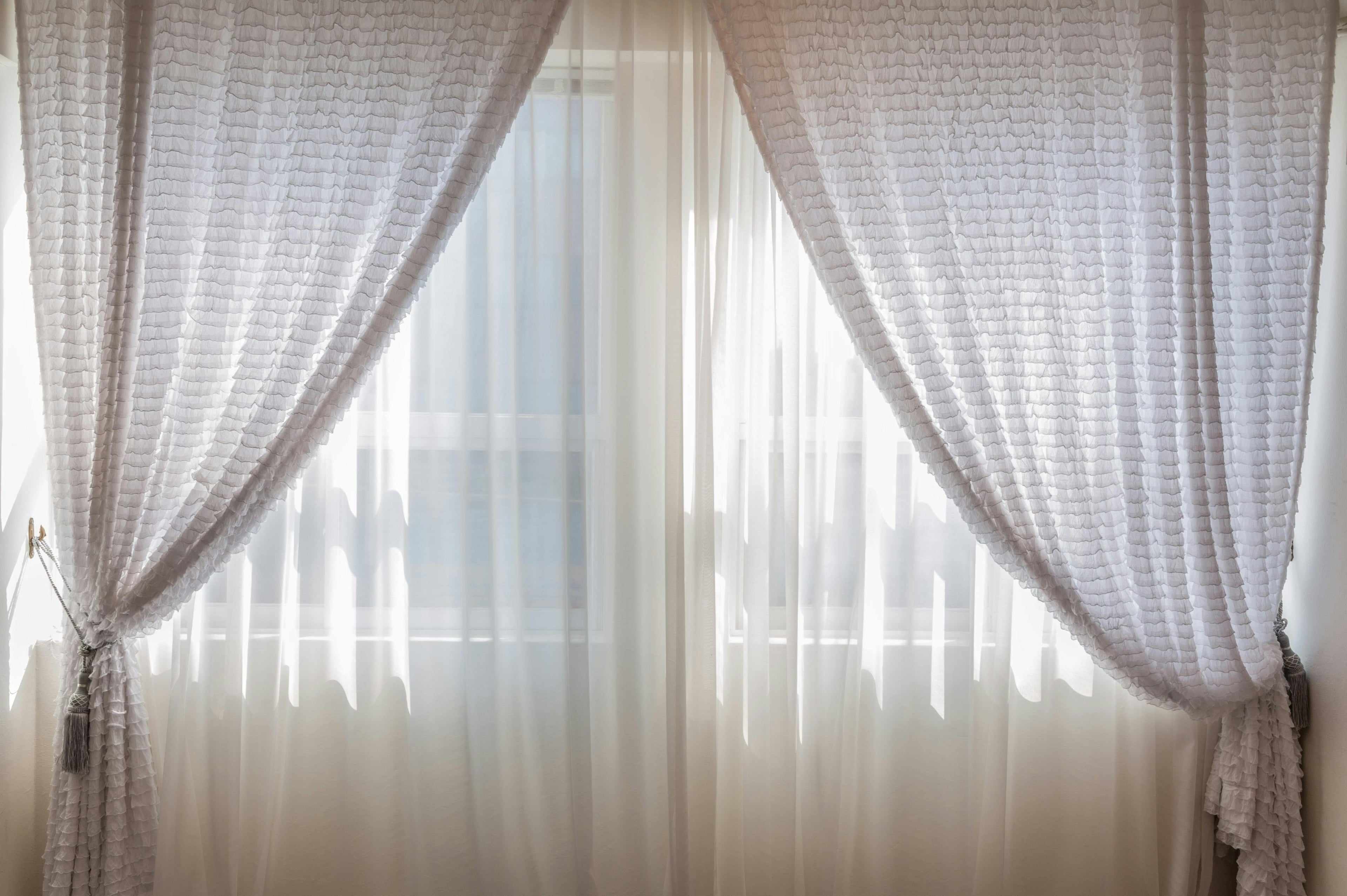
Light is your ally. Maximize natural light by avoiding opaque blinds. Opt for light sheer curtains or Roman shades in light fabric. For artificial lighting, bet on several sources of soft light (bedside lamps, wall sconces, string lights) rather than a single powerful ceiling light, which can create harsh shadows and overwhelm the room. Mirrors are magical: placed facing a window, they reflect light and double the perspective. A large mirror on an entire wall or a mirrored wardrobe door are very effective solutions.
Maintain Order Daily: Essential Routines
The best organization in the world is useless without a minimum of discipline. In a small bedroom, clutter appears very quickly and can quickly become oppressive. Establish micro-routines.
The "two-minute" rule is excellent: if a task takes less than two minutes (putting away a piece of clothing, returning a book to its place, throwing away a paper), do it immediately. Make your bed every morning; this simple gesture immediately restores order and serenity to the room. Dedicate 10 minutes each evening to a "tidy-up": put cushions back in place, pick up anything lying around, air out the room.
Adopt the "one item in, one item out" principle. This forces you to think about every new purchase and prevents gradual accumulation, the sworn enemy of small spaces.
Get Inspired by Current Trends: Minimalism and Cottagecore
Current decor trends are often compatible with small spaces. Scandinavian minimalism, with its clean lines, natural materials (light wood, linen, wool), and functionality, is perfect. It champions quality over quantity and a streamlined interior, which exactly matches the needs of a small bedroom.
Conversely, the cottagecore or "country decor" trend can also be adapted, provided it is well-balanced. Favor discreet floral prints on bedding, a few hanging green plants to save floor space, and rustic materials like rattan or ceramic. The idea is to create a warm and enveloping atmosphere without overloading.
The trend of "micro-spaces" on social media also shows the rise of ultra-optimized solutions, such as ingenious folding desks, beds with staircase storage, or modular kits to create your own custom bed platform. These inspirations prove that with creativity, no constraint is insurmountable.
Mistakes to Absolutely Avoid in a Small Bedroom
Some seemingly good ideas can actually reduce space and hinder organization.
- Oversized and too-large furniture: A massive headboard or a deep dresser can literally suffocate the room.
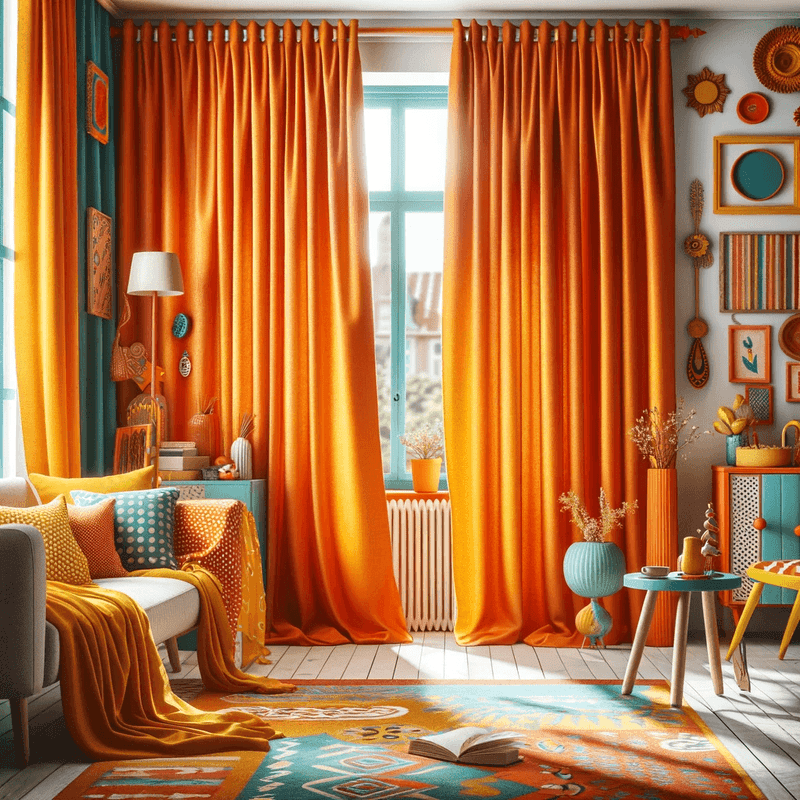
- Heavy and dark fabrics: Thick velvet curtains or a dark-colored duvet absorb light and weigh down the atmosphere.
- A rug that is too small: A small rug in the middle of the room fragments the space. Choose a large, light-colored rug that extends under the bed and main furniture, or conversely, remove it for a bare, continuous floor.
- Over-decoration: Too many objects, too many frames, too many textiles create a feeling of visual clutter. Adopt the "less is more" rule.
- Neglecting lighting: Settling for a single light point on the ceiling is the best way to flatten the room and create dark, uninviting corners.
FAQ: Answers to the Most Frequent Questions
What is the best color to visually enlarge a small bedroom?
Without a doubt, light and cool colors. White, very pale grays, icy blues, or soft mint greens reflect light and visually push back the walls. Avoid warm and dark colors (red, orange, brown) on large surfaces, as they tend to visually "advance" and shrink the space. Reserve them for small accent touches.
Is a walk-in closet absolutely necessary in a small bedroom?
Not necessarily. A traditional walk-in closet takes up a lot of space. Alternatives exist: an open wardrobe with a rod and shelves, concealed by a curtain stretched from floor to ceiling, is much less bulky. A narrow but deep wardrobe with a good internal organization system (drawers, baskets) can be just as effective. The important thing is to have dedicated and well-thought-out storage, regardless of its format.
How to integrate a desk into a tiny bedroom?
Several solutions are available to you. The most common is the fold-down or drop-leaf desk against a wall, which transforms into a simple shelf or board when not in use. You can also use a shelf fixed to the wall, supported by invisible brackets, which serves as a minimalist desk. Finally, if you have a loft bed, the space underneath is the ideal location to install a work surface. Also consider the "desk in the wardrobe" trick: arrange a corner with a shelf inside a wardrobe that you close once work is finished.
Are patterns forbidden in a small room?
No, they are not forbidden, but they must be used sparingly and intelligently. A large pattern on an entire wall can overwhelm the space. Prefer small-scale patterns (fine stripe, discreet polka dot) or use them on textile elements (cushion, throw blanket) or on a single wall as an accent. Fine vertical stripes, in wallpaper or paint, can even help give an impression of height.
How to create a cozy atmosphere without overloading?
Cozyness in a small space comes through texture more than quantity. Favor soft and warm materials on limited surfaces: a wool or faux fur throw on the bed, velvet or chenille cushions, a small shaggy or bouclé wool rug. Lighting is crucial: dimmed light (salt lamp, LED string lights, bedside lamp with a fabric shade) immediately creates an intimate and soothing atmosphere, much more so than a multitude of objects.
Conclusion: Your Small Bedroom, a Custom-Made Refuge
Organizing a small bedroom is much more than an exercise in tidying up; it is an act of creation that combines logic, aesthetics, and self-knowledge. By applying these principles – radical decluttering, smart furniture, exploitation of verticality, light palette, and maintenance routines – you will transform a constraint into a strength. Your bedroom will become a sanctuary perfectly adapted to your needs, where every element has its reason for being. It will prove to you that comfort and beauty are not a matter of square meters, but of well-thought-out ideas. To discover more inspirations and custom-made solutions for optimizing every nook of your home, feel free to explore the other complete guides available on ombreinterieur.fr. For more tips, discover how to integrate a vase into a small 25 m² child's bedroom on the blog. Get inspired on our decoration website for your next projects.
