















Complete guide to successfully furnishing your apartment
Turning four walls into a true sanctuary for living is the challenge of any successful interior scheme. Caught between spatial constraints and a longing for personality, the balance is a delicate one. This approach invites you to consider your home as a bespoke project, where every square metre holds the promise of wellbeing. Let yourself be guided towards solutions that weave together aesthetics and practicality, transforming your apartment into a space that feels entirely your own—where textures, light, and thoughtful details conspire to create a place of quiet comfort and genuine reflection.
Furnishing your apartment is much more than just a matter of spatial organization. It's a creative act that transforms a living space into a true reflection of your personality, your aspirations, and your daily life. Whether you've just moved into a studio, are looking to optimize a two-room apartment, or want to breathe new life into a large apartment, the challenge is the same: to create a space that is functional, aesthetic, and comforting. In a context where square meters are often limited and budgets must be respected, thorough planning is essential. This article guides you step by step, from the fundamentals of planning to the latest decor trends, to help you furnish your apartment successfully and cultivate your daily well-being.
The Essential Phase: Analyze and Plan Your Space
Before buying a single piece of furniture or choosing a paint color, take the time to analyze your apartment. This crucial step avoids costly mistakes and frustrations. Start by creating a precise plan, even a hand-drawn one, noting all dimensions: lengths, widths, ceiling heights, location of doors and windows, radiators, and electrical outlets. These technical constraints will become the foundation of your project.
Next, identify the strengths and weaknesses of each room. A north-facing window requires consideration of lighting, while a room with windows on opposite sides offers valuable brightness. Also think about your lifestyle. Do you often work from home? Do you need significant storage space for your hobbies? How many people actually live in the apartment? Answering these questions helps define the priority functions of every square meter.
Creating Effective Zoning
Zoning involves visually dividing a room into several activity areas, even in a limited space. In a studio, for example, it is essential to clearly distinguish the sleeping area, the living area, and the dining area. To achieve this, you don't necessarily need partitions. Subtle and effective tricks exist:
- Furniture as a Divider: A low bookcase, a sofa with its back to the bed, or a design screen can delineate a space without obstructing it.
- Floor Coverings: Use a rug to define the living room area, a different type of flooring (vinyl, different wood) for the kitchen.
- Lighting: A pendant light over the dining table and ambient lamps near the sofa naturally create two distinct atmospheres.
The Fundamentals of Layout: Circulation and Proportions
A well-furnished apartment is experienced with fluidity. Circulation paths should be free and logical. It is estimated that a main passage requires at least 90 cm in width, and 60 cm for a secondary corridor. Avoid placing furniture facing an entrance door or blocking access to a window. The notion of proportion is just as important. In a small room, an overly massive sofa will overwhelm the space. Conversely, furniture that is too small in a large volume will seem lost and uncomfortable.
Visual balance also relies on the distribution of mass. Avoid grouping all heavy furniture on a single wall. Distribute them throughout the room to create a sense of harmony. Don't forget verticality: utilizing the ceiling height with shelves up to the ceiling or a tall piece of furniture allows you to gain floor space and draw the eye upward, giving an impression of space.
Choosing a Cohesive Color Palette
Color is the most powerful tool for defining the ambiance of an apartment. A well-chosen palette unifies spaces and influences our perception of volume. The current trend favors soft and soothing atmospheres, with neutral bases (off-white, very light gray, taupe, earth tones) that can be animated with touches of more assertive, so-called "accent" colors.
To visually enlarge a small room, light and cool tones (pale blues, water greens, grays) are recommended, as they reflect light. Dark and warm colors, on the other hand, create an intimate and cozy atmosphere, ideal for a large bedroom or living room. The trick for a professional result is to use several shades of the same tone. For example, a slate blue wall can be accompanied by blue-gray cushions and a rug with bluish reflections.
The Boldness of Statement Colors
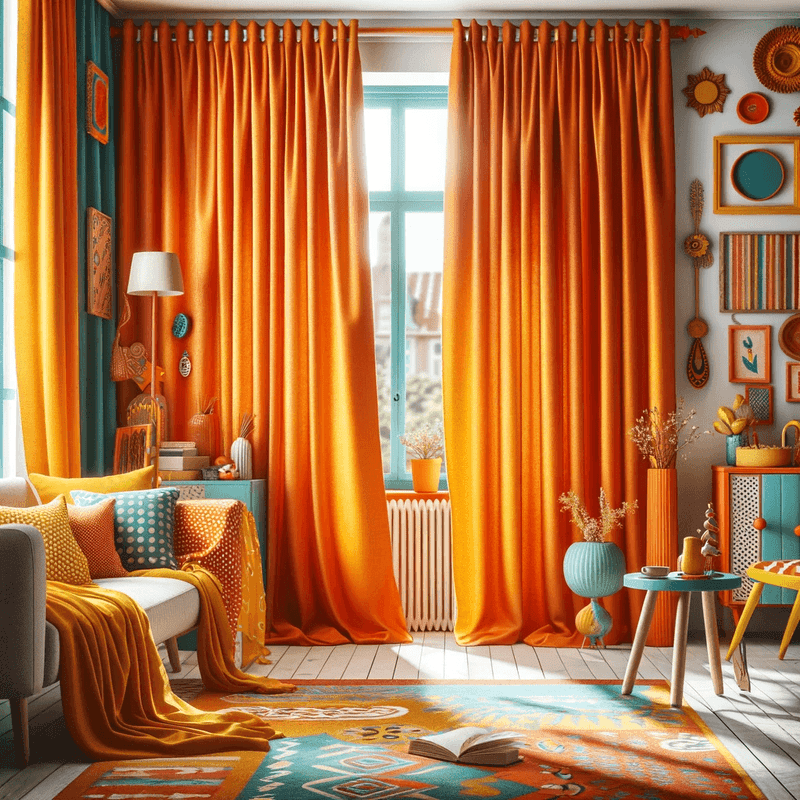
Contrary to popular belief, bright colors have their place, even in small spaces. The trend of "color blocking" or painting walls in a half-tone allows you to add character without overwhelming the room. Dare to paint a library wall in emerald green, a bedside niche in red ochre, or the frame of a door in mustard yellow. The important thing is to dose it: a single room or a single strong architectural element is enough to create the wow effect.
Lighting: Staging Light for Every Moment
Good lighting is layered. It is not limited to a central ceiling light, which is often too harsh. To furnish a comfortable apartment, think about three levels of light: general, ambient, and functional. General light can come from recessed spotlights or diffusing pendants. Ambient light is created by table lamps, wall sconces, or LED strips, for moments of relaxation. Functional light, finally, is essential for specific activities: a desk lamp, a directional spotlight in the kitchen, bedside reading light.
Warm light sources (color temperature around 2700-3000 Kelvin) are to be favored in living rooms for a warm ambiance. In workspaces or the bathroom, more neutral light (4000K) is preferable. Dimmers are valuable allies for adapting brightness to the time of day and the mood of the moment.
Furniture: Between Functionality, Scale, and Style
Choosing furniture is the most concrete step in furnishing your apartment. Top priority: multifunctionality, especially in small spaces. A bed with storage drawers, a coffee table that lifts to become a desk or dining table, a storage bench in the entryway… These ingenious pieces maximize every square centimeter.
Favor furniture with clean lines and raised legs, which let the gaze pass through and give an impression of lightness. Custom-made furniture, although an investment, is the ultimate solution for exploiting corners or spaces with atypical shapes. Don't forget comfort: test a sofa before buying it, check the height of a table relative to your chairs.
Mixing Styles and Eras
Contemporary decor has definitively buried the idea of matching furniture suites. Style is born from bold mixing. Pair a vintage raw wood table with design chairs with geometric lines. Place a seventies armchair next to a modern sofa with soft shapes. The important thing is to create a common thread, through color, material (wood, for example), or a recurring shape (curves). This avoids a cluttered effect and gives a unique personality to your interior.
The Art of Storage: Invisible and Accessible
A zen apartment is a well-organized apartment. Storage must be thought of as an integral part of the project, not as a last resort solution. The goal is to be able to put everything away while maintaining a clean appearance. The golden rule: go upwards. Use the space above doors, cabinets, under stairs. Built-in cabinets and closets are perfect for concealing appliances, clothes, or sports equipment.
Also think about open storage, which can become a decorative element. Well-organized shelves, displaying books, plants, and a few carefully chosen objects, add life and character. Use identical boxes and baskets (wicker, rigid cardboard) to visually unify shelf contents and maintain order.
Personalizing with Textiles and Accessories
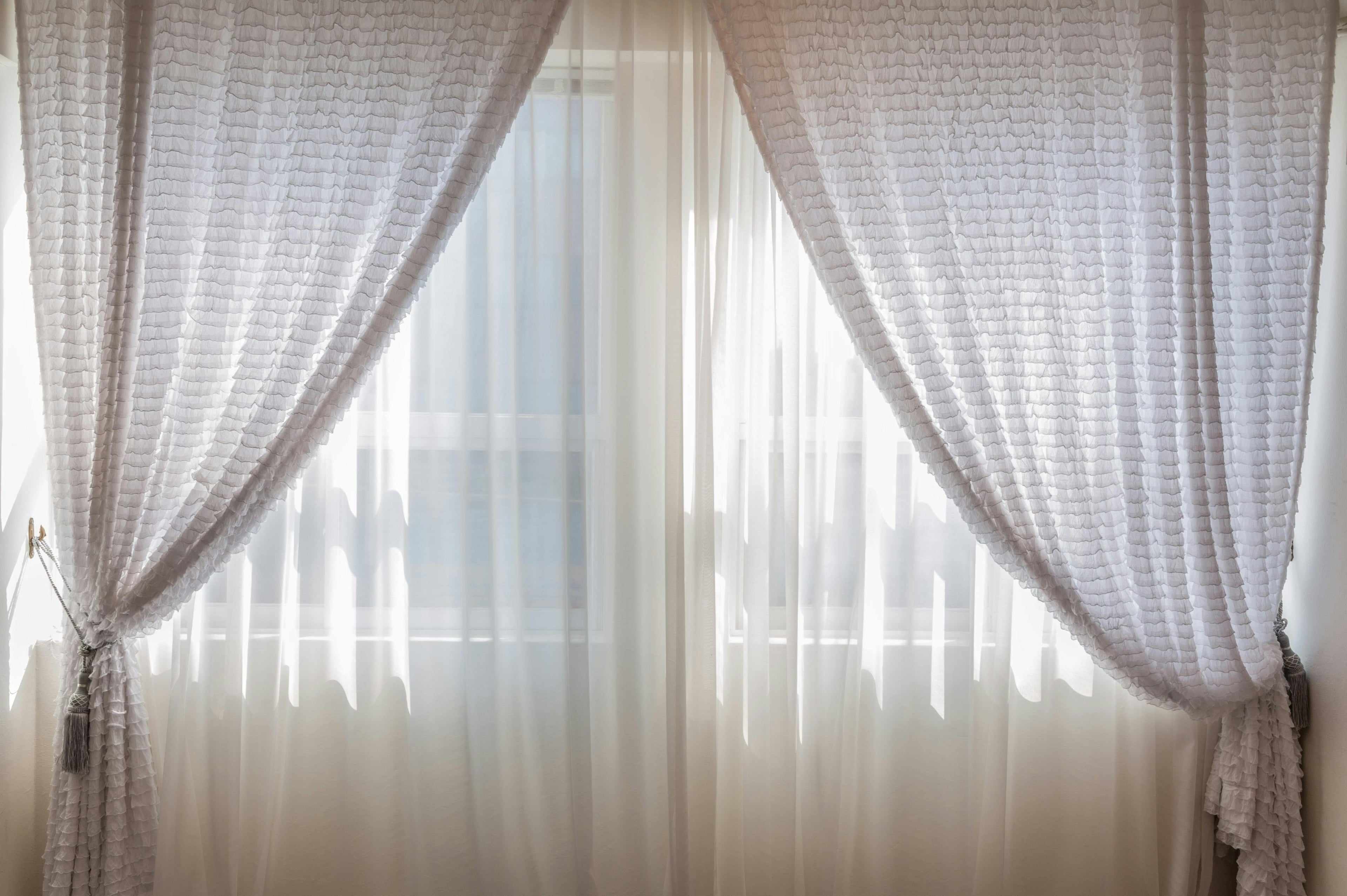
This is the final touch that breathes soul into your apartment. Textiles bring warmth, texture, and color. Vary the materials: the softness of velvet on a cushion, the freshness of linen on a sofa, the natural side of a jute rug. Don't hesitate to layer rugs for more comfort and style. Change your cushion covers and sofa throws according to the seasons for an evolving decor at a lower cost.
Accessories, on the other hand, tell your story. A collection of vases, photo frames, a work of art found at a flea market, travel souvenirs… But be careful of overload. Adopt the "less is more" method: a few strong and meaningful pieces are better than an accumulation of unrelated objects. Mirrors are strategic accessories: placed opposite a light source, they reflect it and enlarge the space dramatically.
Integrating Nature: Indoor Plants
Bringing a bit of greenery into your home has never been more trendy, and for good reason: plants purify the air, reduce stress, and instantly beautify a space. To furnish your apartment in a healthy and lively way, integrate plants of different sizes and shapes. A large green plant (a Fiddle Leaf Fig, a Monstera) structures a corner of a room. Trailing plants (Pothos, String of Hearts) adorn a high shelf. Succulents require little maintenance and decorate a windowsill.
Choose plants according to the exposure of your apartment. Cacti and succulents thrive in full sun, while ferns and Peace Lilies prefer partial shade. Plant pots are an opportunity to add an extra decorative touch: terracotta for a natural style, glazed ceramic for a colorful note, wicker for a bohemian ambiance.
Adopting Current Trends with Discernment
Staying informed about trends allows you to breathe a wind of modernity into your interior, but they must be adapted to your own style and the configuration of your home. Among the strong current trends, we note:
- Curves and Organic Shapes: Farewell to overly strict right angles. Furniture with rounded lines, pebble-shaped mirrors, and architectural arches bring softness and fluidity.
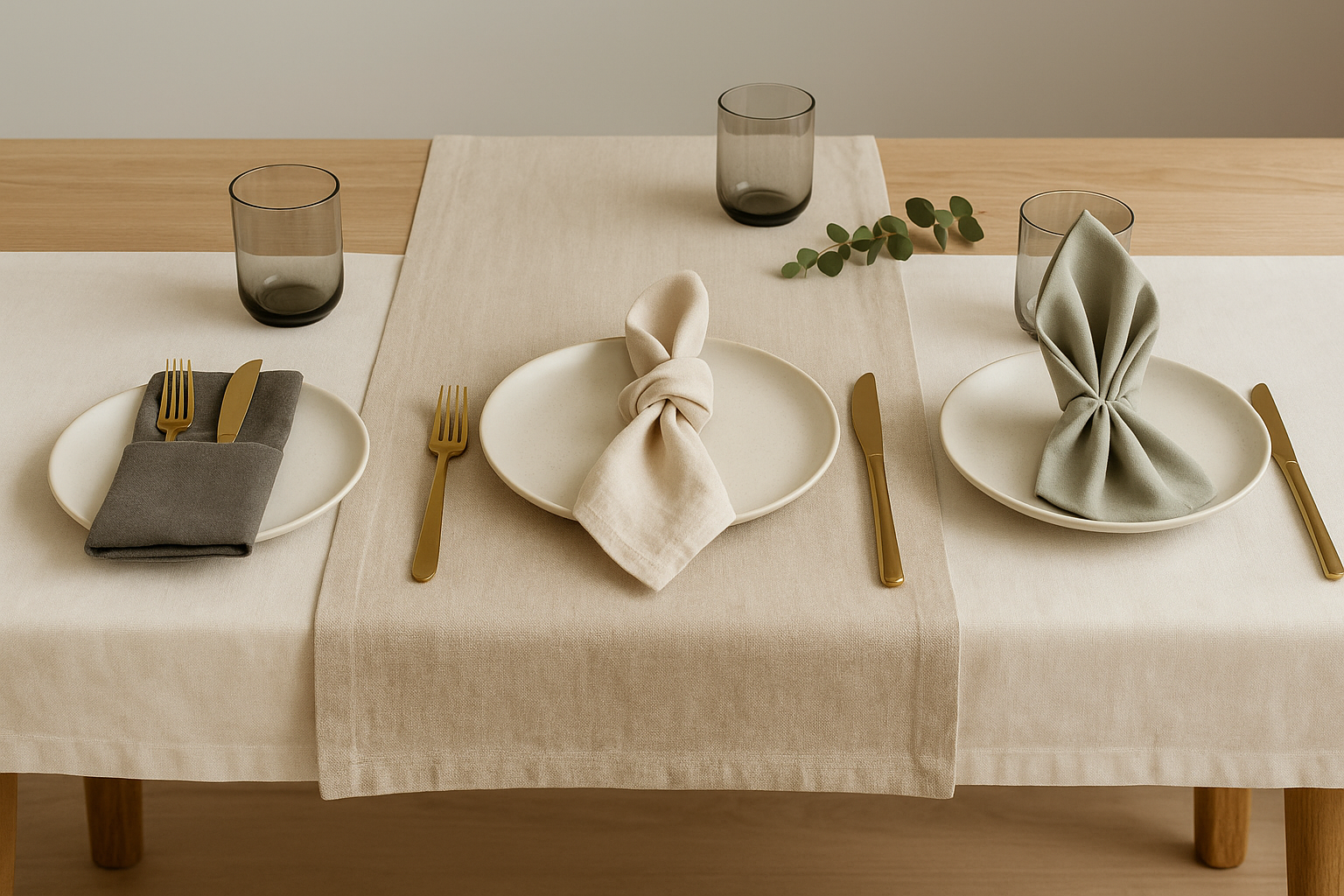
- The "Quiet Luxury" Style: A return to discreet luxury, based on the quality of materials (linen, wool, noble wood, stone), the perfection of finishes, and deep neutral colors. It's the anti-flashy.
- Joyful Maximalism: On the opposite end, a movement that embraces profusion, patterns, saturated colors, and collections. It requires great mastery to avoid chaos.
- Natural and Artisanal Materials: Rattan, jute, terracotta, raw stone, and unique handmade pieces are highly sought after for their authenticity and warmth.
The idea is not to overhaul everything every season, but to pick one or two ideas that speak to you and integrate them through modular elements (cushions, accessories, a new paint job on a piece of furniture).
FAQ: Answers to Frequently Asked Questions About Furnishing Your Apartment
How to Furnish a Very Small Studio (Less Than 25m²)?
The key is flexibility and verticality. Opt for a loft bed if the height allows, or a quality sofa bed to free up the living area. Use multifunctional furniture (table/desk, storage stools). Favor a palette of light and uniform colors to unify the space. Light separations (openwork shelves, curtains) are preferable to fixed partitions. Finally, meticulous storage is non-negotiable to avoid a feeling of suffocation.
What Budget Should I Plan for Furnishing an Apartment?
There is no single answer, it all depends on the surface area, the condition of the place, and your choices. Always establish an overall budget and allocate it by category (major furniture, lighting, decoration, possible renovations). To save money, mix new and second-hand items. Flea markets, online marketplaces, and discount stores are gold mines. Invest in fundamental pieces (a good mattress, a comfortable sofa) and save on accessories that you can easily change later.
How to Create an Illusion of Space in a Dark Apartment?
Light is your best ally. Paint walls and ceilings white or in very light and warm tones (off-white, cream) that reflect light better. Use mirrors strategically, opposite windows if possible. Choose furniture with shiny finishes (glass, polished metal) and slender legs. Remove all obstacles to natural light (opaque curtains, lowered blinds) and compensate with generous and well-distributed artificial lighting.
Should I Hire an Interior Designer for My Apartment?
It can be an excellent investment, especially if you have a complex project (rearranging partitions, custom kitchen, optimizing a difficult space) or if you lack time and ideas. A professional brings spatial expertise, their address book, and can often save you money by avoiding mistakes. For simpler projects, many online tips, 3D planning apps, and good documentation may be sufficient.
How to Give Character to a Neutral Rental Apartment?
The constraint of not being able to drill into walls or change the flooring is an opportunity for creativity. Focus on mobile and transformable elements. Temporary (removable) wallpaper can dress up a wall. A large area rug radically changes the ambiance of a floor. Lighting, textiles (curtains, cushions, throws), furniture, and wall art are your main levers. Don't hesitate to use large plants to animate corners.
Conclusion: Your Apartment, a Work in Perpetual Evolution
Furnishing your apartment is a journey, not a destination. Your interior should evolve with you, adapt to your life changes and your current desires. The essential thing is to create a space where you feel good, that resembles you, and that meets your practical needs. Don't be afraid to experiment, to move furniture, to test a new color on a cushion. The most beautiful interiors are those that bear the mark of those who live in them. To discover even more inspiration, tutorials, and detailed tips for every room in your home, continue your exploration on ombreinterieur.fr. Your ideal space awaits you there. For more tips, discover how to fix a curtain rod on a wardrobe on the blog. Get inspired on our decoration website for your next projects.
