















What frame color for the wabi-sabi patio?
In the wabi-sabi universe, imperfection becomes an aesthetic signature and the patina of time, a prized asset. For your terrace, the chromatic choice of the frame transcends mere trend: it embodies a philosophy where every nuance converses with raw materials and natural wear. You are invited to explore earthy, soothing tones that, far from concealing authenticity, reveal it. Let this sensory approach guide you in composing an outdoor space that breathes serenity and contemplation, where the grain of wood, the texture of stone, and the softness of fading light converge in quiet harmony.
Creating a terrace in a Wabi-Sabi style is first and foremost about embracing imperfection and celebrating natural beauty. This Japanese aesthetic philosophy embodies authenticity and values the ephemeral nature of things. Discover how to choose the ideal frame color for your Wabi-Sabi-inspired outdoor space, in harmony with nature and the passage of time.
The fundamentals of Wabi-Sabi for your terrace
Wabi-Sabi represents an ancestral Japanese aesthetic vision that values impermanence, asymmetry, and simplicity. For your terrace, this approach translates into raw materials, authentic textures, and a chromatic palette directly inspired by nature. The goal is to create an outdoor space that breathes serenity and invites contemplation.
Ideal color palette for a Wabi-Sabi terrace frame
The chromatic selection for a Wabi-Sabi terrace revolves around soft and soothing hues, directly inspired by natural elements. Earthy tones such as sand beige, stone grey, natural ochre, or weathered brown establish a balanced and harmonious atmosphere, perfectly resonating with authentic materials.
Recommended shades for your outdoor frame
- Natural primary tones: terracotta, sand beige, sage green, stone grey - these colors pair perfectly with raw materials
-
Subtle contrasting accents:
- Charcoal black
- Aged dark brown
- Deep navy blue
- Natural olive green
Authentic materials for your terrace frame
The essence of Wabi-Sabi lies in the use of raw, natural materials that reveal their character over time. Untreated wood, irregular stone, aged bamboo, and natural fibers like linen and cotton form the foundation of this aesthetic that celebrates imperfection.
Selection of materials for an authentic Wabi-Sabi frame
- Aged raw wood: Favor untreated species, retaining their knots, cracks, and natural color variations
- Patinated or rusted metal: Wrought iron or steel that develops a natural patina tells the story of the passage of time
- Irregular natural stone: With its roughness, imperfect reliefs, and unique organic texture
Integration techniques and visual harmony
Wabi-Sabi design invites you to slow down, savor the present moment, and appreciate the simplicity of natural elements. Your terrace frame should integrate into this philosophy by creating a harmonious dialogue with its environment.
Practical application methods
- Highlighting imperfections: Rather than concealing cracks or irregularities, highlight them as witnesses to time
- Reuse and upcycling: Prioritize objects with a history, giving existing elements a second life
-
Craftsmanship and asymmetry: Integrate handmade elements with imperfect shapes:
- Asymmetrical artisanal ceramics
- Patinated and vintage objects
- Non-standardized raw wood furniture
-
Natural elements: Incorporate touches of authentic nature:
- Native plants with natural shapes
- Dried branches and driftwood
- Pebbles and stones collected during walks
Natural lighting and contemplative ambiance
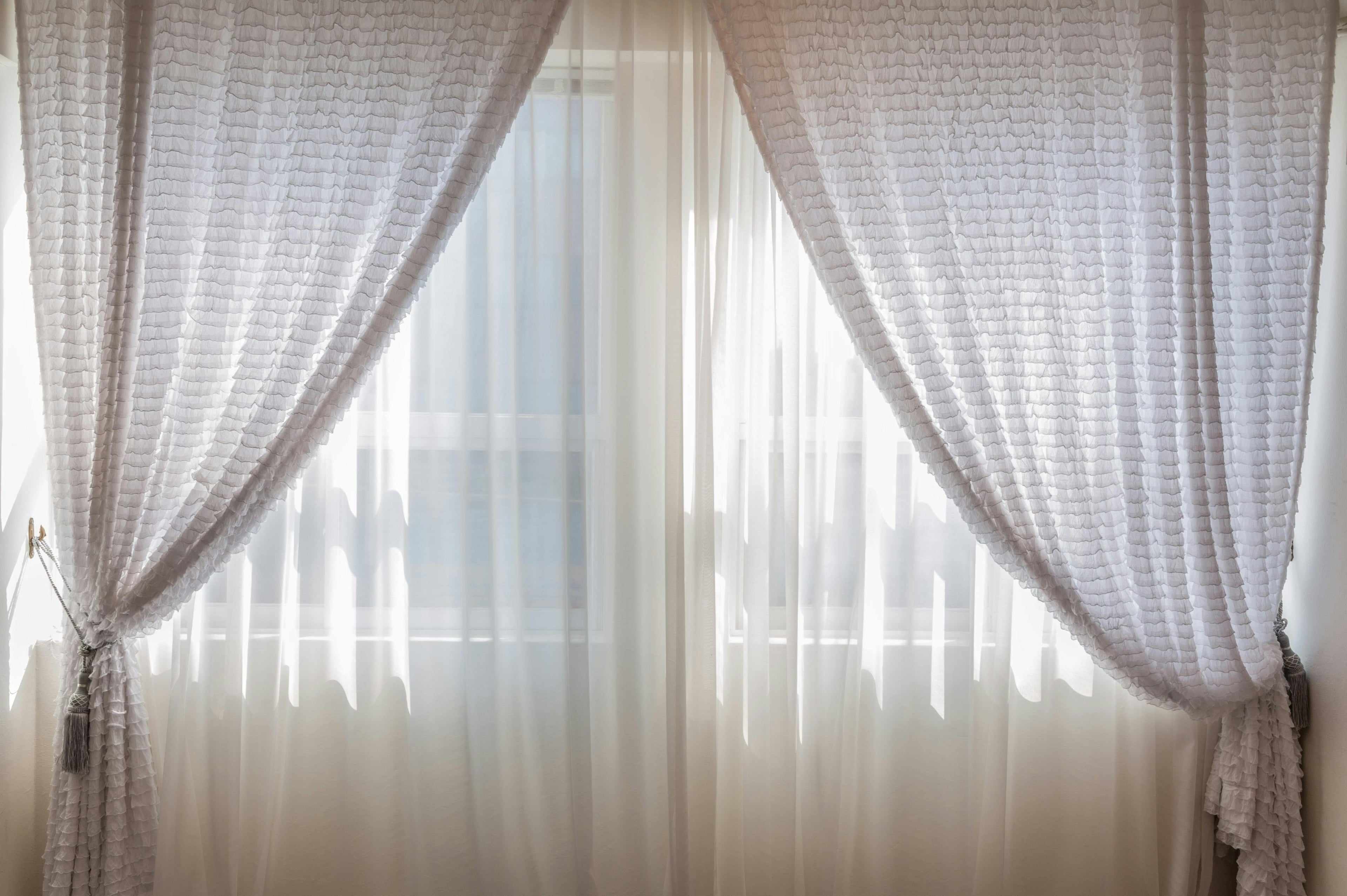
Light plays an essential role in the Wabi-Sabi aesthetic. Favor natural light by limiting obstacles. Light sheers or open spaces allow light to enhance the raw textures and soft shades of your frame, creating a space conducive to meditation and contemplation.
Wabi-Sabi lighting solutions
- Paper or ceramic lanterns diffusing a soft light
- Natural candles in artisanal candle holders
- Discreet string lights with warm bulbs
Sustainable and eco-responsible approach
In perfect coherence with the Wabi-Sabi philosophy, favor an ecological approach for your terrace. By selecting recycled materials, vintage pieces, and reclaimed elements, you reduce your environmental footprint while enriching your space with authenticity and history.
Sustainable practices for your layout
- Salvaging and restoring old furniture
- Using certified or reclaimed wood
- Natural and non-toxic paints and dyes
The essence of Wabi-Sabi: beyond aesthetics
Wabi-Sabi transcends simple decorative style to become a true philosophy of life. By designing your terrace according to these principles, you create a space that invites you to embrace imperfection, appreciate the beauty of the ephemeral, and find balance in harmony with the surrounding nature. Your Wabi-Sabi terrace frame thus becomes a sanctuary of peace and authenticity, constantly evolving with the seasons.
By adopting this approach for your terrace, you not only create an aesthetic space but a living place that tells a story, your own, and that is enriched over time. The colors and materials chosen for your outdoor frame will contribute to this authentic narrative, celebrating beauty in imperfection.
Share

