














What paint color for a Scandinavian entryway?
Your home’s entrance is the first impression of your world, a transitional space that must balance welcome with calm. For an authentic Scandinavian feel, the wall colour is key: it should capture light while fostering a soft, soothing atmosphere. This exploration invites you into Nordic palettes, from nuanced whites to contemporary accents, to turn your vestibule into a space that feels both pared-back and inviting. Let the gentle interplay of muted tones and natural light guide you toward perfect harmony, where every step inside feels like a quiet embrace.
Ideal Colors for an Authentic Scandinavian Entryway
Designing a Scandinavian entryway begins with the judicious choice of wall paints. The traditional Nordic palette favors luminous shades that maximize natural light, thereby creating a welcoming space from the moment you step inside. White remains the fundamental element of Scandinavian style, accompanied by neutral tones such as pearl gray and light wood finishes that bring warmth and authenticity.
Essential Scandinavian Color Palette for Your Hallway
Nordic design is distinguished by a specific chromatic selection that evokes purity and luminosity. Here are the fundamental shades to consider for your project:
- Nuanced whites (off-white, cream white, ivory white)
- Delicate beiges and light sand
- Soft grays (pearl gray, light gray, mouse gray)
- Glacier blue and Nordic sky blue
- Pale yellow reminiscent of Scandinavian light
- Powder pink for a touch of softness
Decor tip: For a harmonious result, opt for a nuanced white rather than a too cold pure white. Whites with warm undertones create a more welcoming and friendly atmosphere in your entryway.
2026 Color Trends for a Contemporary Scandinavian Entryway
The evolution of Nordic style now incorporates bolder shades while preserving the minimalist essence that characterizes it. New chromatic trends for 2026 reveal:
- Subtle integration of vibrant hues complementing neutrals
- Soft purple tones as a sophisticated accent
- Natural browns evoking Scandinavian landscapes
- Greens inspired by Nordic nature
- Touches of lime green, lavender, and peach to energize the space
- Sky blue as a signature color of Scandinavian renewal
These new palettes allow you to modernize your entryway while maintaining the clean essence of authentic Nordic design.
How to Integrate Color Accents into Your Nordic Entryway
While a light base remains paramount, don't hesitate to incorporate deeper color touches to energize your reception area. These accents can radically transform the ambiance of your Scandinavian entryway:
- Baltic blue reminiscent of Nordic fjords
- Fir green evoking Scandinavian forests
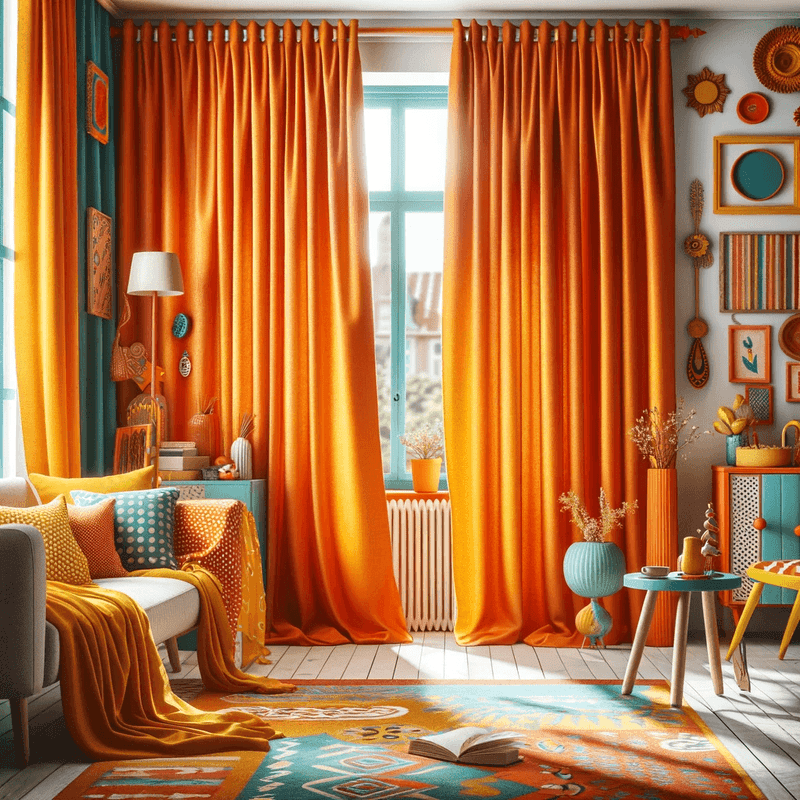
- Warm terracotta to contrast with cool tones
- Mustard yellow bringing brightness and character
Practical applications: These more assertive colors can be integrated via:
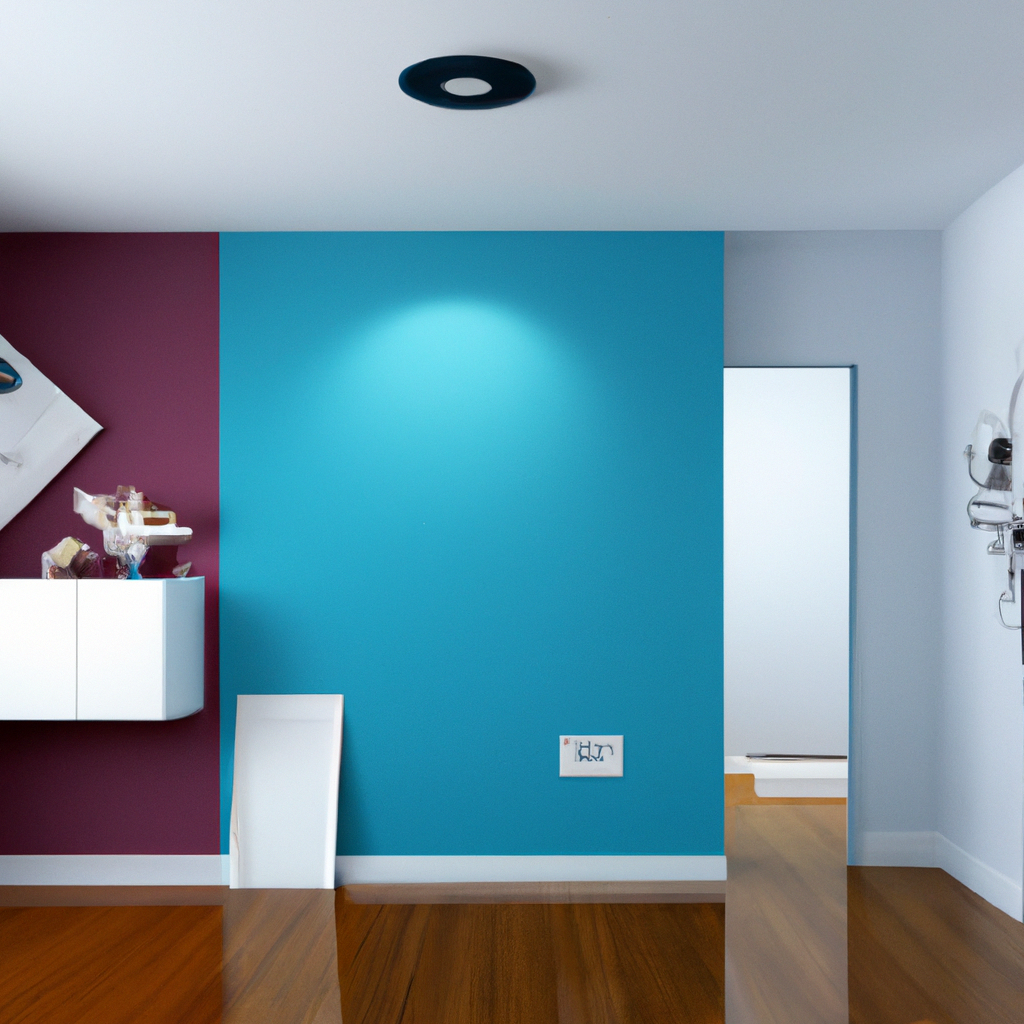
- An accent wall (color block technique)
- Strategically placed decorative accessories
- Textiles like cushions, throws, or rugs
- Wall decor elements (frames, posters)
Color Combination Techniques for a Harmonious Entryway
To create a coherent and balanced palette in your Scandinavian vestibule, follow these proven chromatic arrangement principles:
- Select two main shades with only a few nuances apart
- Apply a medium shade (like teal) to the main surfaces
- Use a slightly deeper shade for finishes and architectural details
- Repeat these same colors in your accessories to create visual continuity
- Adhere to the 60-30-10 rule: 60% dominant color, 30% secondary color, 10% accent color
This methodical approach guarantees a professional result even without interior design experience.
Materials and Textures Complementary to Scandinavian Colors
Scandinavian style is not limited to colors—materials and textures play a crucial role in creating an authentic Scandinavian entryway:
- Light wood (birch, pine, ash) for furniture and structural elements
- Clean, minimalist lines for fixtures
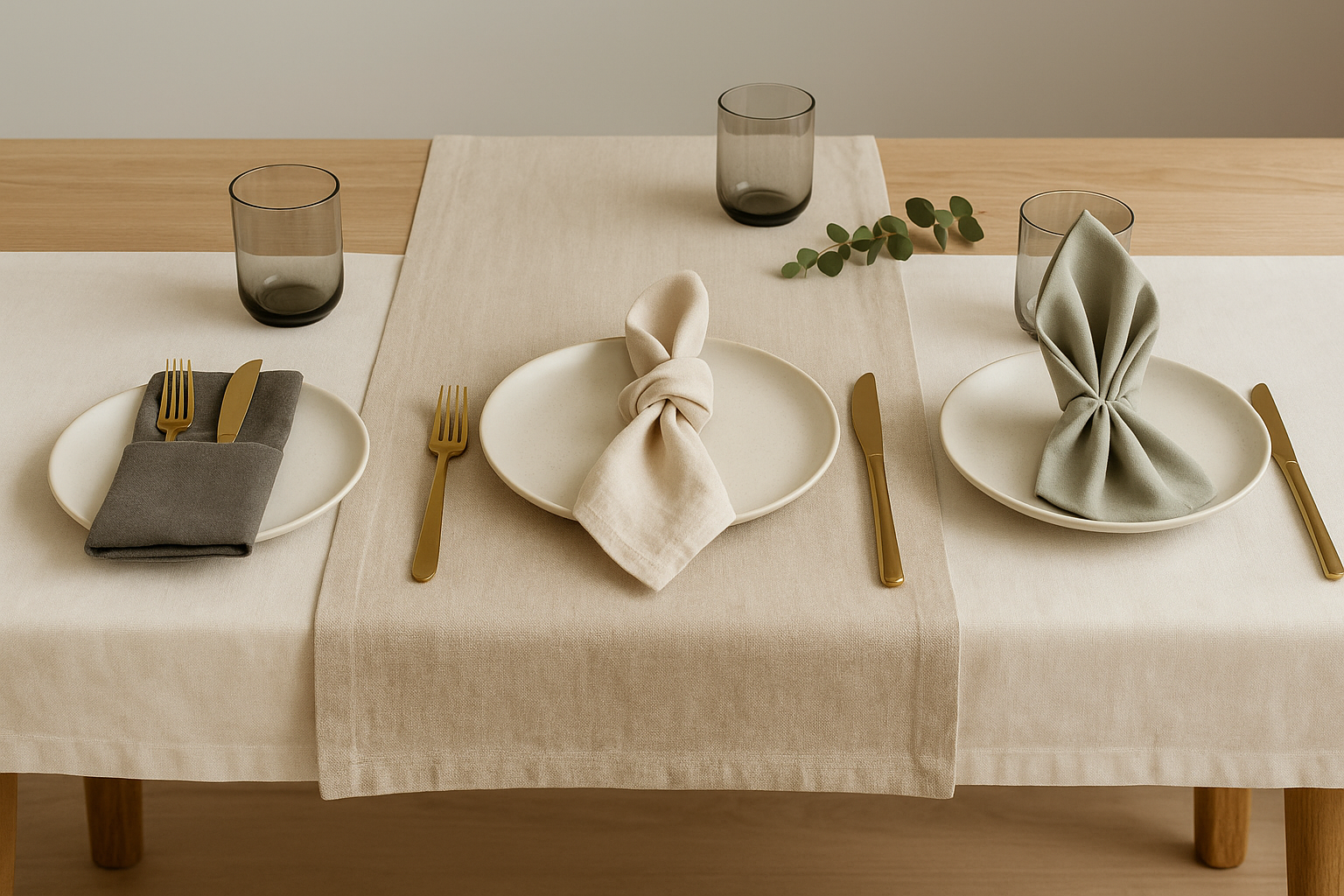
- Natural textiles like wool, linen, and cotton
- Suspended lights with simple geometric shapes
- Handcrafted ceramics with matte finishes
- Wood-framed mirrors to enlarge the space
These tactile elements enrich the visual experience created by your color palette, bringing depth and character to your entryway.
Lighting Tips to Enhance the Colors of Your Scandinavian Entryway
Light significantly influences the perception of colors in your reception area. To highlight your Scandinavian palette:
- Prefer light sources with a color temperature between 3000K and 4000K
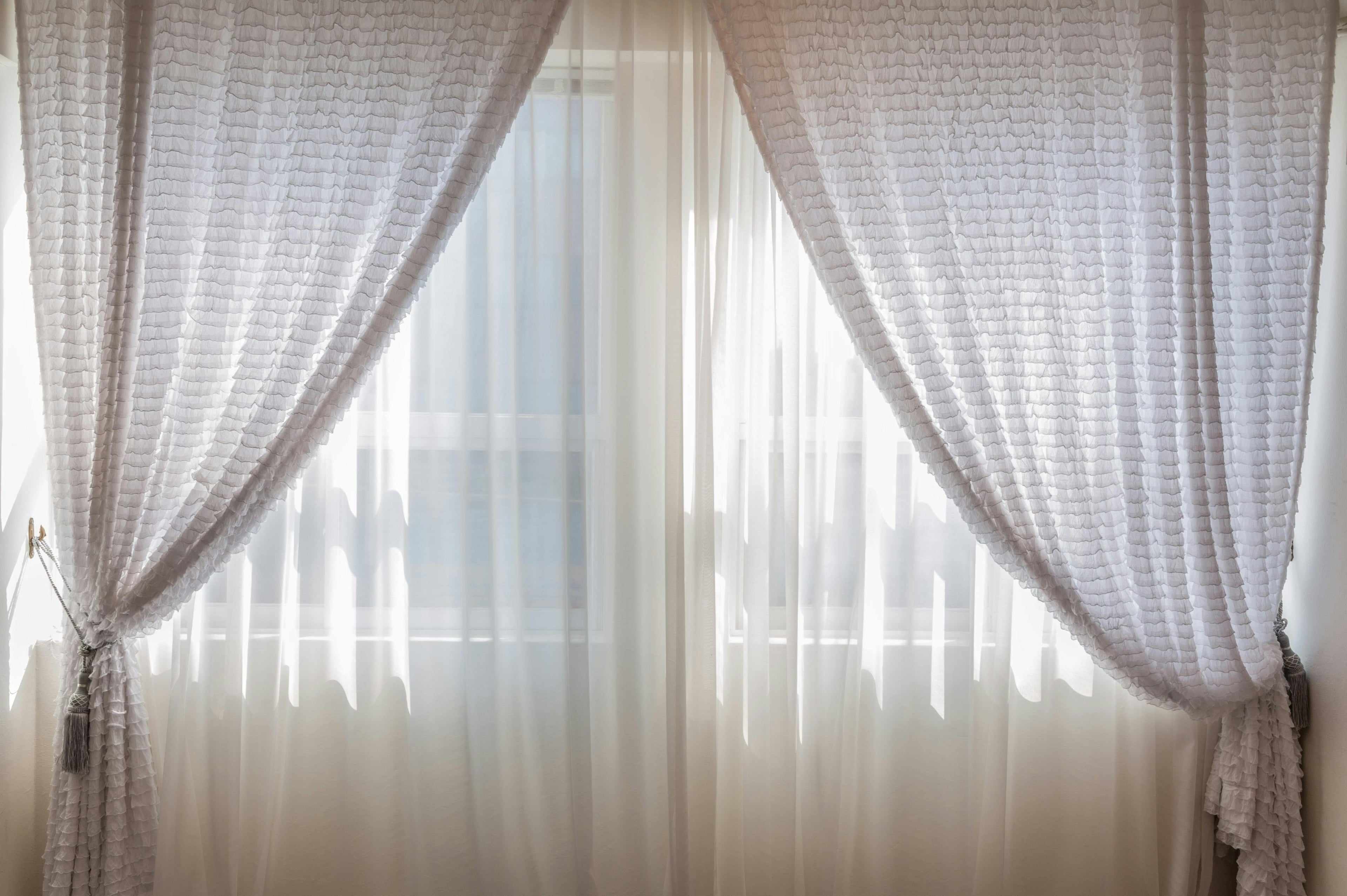
- Maximize natural light entry with light curtains
- Install frosted glass or paper light fixtures for soft diffusion
- Multiply light points rather than a single source
- Use LED bulbs with a high color rendering index (CRI) (>90)
Well-thought-out lighting will reveal all the subtleties of your Scandinavian palette, creating a warm and welcoming ambiance from the entrance of your home.
Share
