















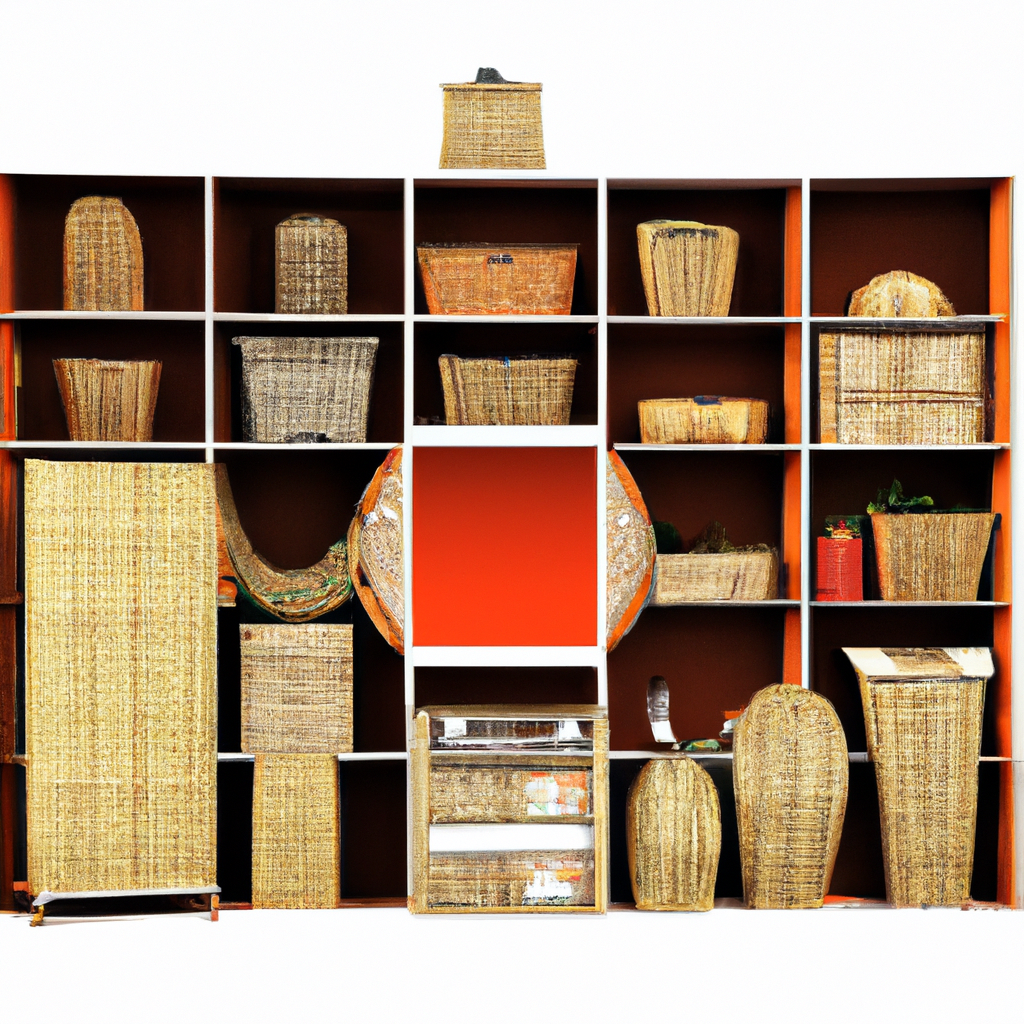
What colors of storage baskets for a wabi-sabi living room?
In a living room shaped by wabi-sabi philosophy, storage becomes a deliberate aesthetic gesture. Far from sterile solutions, your baskets should embody the authenticity of raw materials and the softness of earthy tones. The aim is to choose containers that breathe imperfection while organising your space with calm. Let yourself be guided by the texture of rattan, the warmth of ochre or the crumple of linen, and compose a setting where every object finds its place in a natural, soothing harmony.
Discover the subtle art of selecting the ideal storage baskets for a wabi-sabi living room, this Japanese decorative philosophy that celebrates authenticity, simplicity, and the beauty of natural imperfections. Wabi-sabi transcends mere interior style to become a true approach to life, valuing imperfect but authentic objects in a pared-down and soothing environment.
Natural Colors for Authentic Wabi-Sabi Storage Baskets
To create a harmonious living space according to wabi-sabi principles, favor a soft and natural color palette. Neutral and earthy tones integrate perfectly into this minimalist aesthetic while bringing warmth and serenity to your living room.
Color Palette Recommended for Your Storage Solutions
- Earthy Tones: Sand beige, hazelnut brown, natural ochre
- Vegetal Hues: Sage green, pale olive, grey-green
- Mineral Tones: Stone gray, soft slate, off-white
- Soothing Colors: Delicate taupe, ecru, natural linen
Natural Materials and Raw Textures: The Essence of Wabi-Sabi Storage
The selection of materials is a fundamental element in designing a wabi-sabi interior. For your baskets and storage solutions, look for authentic raw materials that tell a story and improve with time.
Preferred Materials for Your Storage Baskets
- Untreated natural wicker and rattan for breathable baskets
- Seagrass or jute fibers for rustic textures
- Artisanally woven bamboo for an authentic Asian touch
- Raw linen and unbleached cotton for flexible solutions
- Recycled or aged wood for characterful storage chests
How to Harmoniously Integrate Your Baskets into a Wabi-Sabi Living Room
The art of wabi-sabi storage lies in the balance between functionality and aesthetics. Your baskets and storage boxes are not just utilitarian accessories but decorative elements in their own right that contribute to the serene atmosphere of your space.
Effective Integration Strategies
- Arrange your baskets asymmetrically to create natural balance
- Mix different sizes and shapes while maintaining material consistency
- Use lidded baskets to conceal everyday objects
- Integrate open baskets to display folded textiles in harmonious shades
Selection Criteria for Authentically Wabi-Sabi Storage Baskets
To remain true to the wabi-sabi philosophy, favor storage containers that celebrate imperfection and craftsmanship. Each piece should possess a soul and bear witness to the passage of time or the manual work that gave it form.
Essential Characteristics to Look For
- Handmade with visible traces of manual work
- Slight asymmetries or irregularities in shape
- Raw materials with natural color variations
- Organic textures that invite touch
- Signs of natural wear or patina that tell a story
Sustainable and Eco-Responsible Storage Solutions
Wabi-sabi naturally aligns with an environmentally friendly approach. Opt for sustainable baskets and storage systems, made using traditional methods and from renewable or recycled materials.
Eco-Conscious Options for Your Interior
- Biodegradable natural fiber baskets (sisal, raffia, seagrass)
- Containers made from recycled or reclaimed materials
- Vintage or second-hand pieces with history and character
- Creations by local artisans using ancestral techniques
Maintenance and Evolution of Your Wabi-Sabi Storage Baskets
Unlike modern consumer goods, wabi-sabi baskets and storage solutions are not meant to remain static in their initial state. Their beauty is enhanced as they age and bear the marks of their use.
Accept the natural changes in color, slight deformations, or wear that appear over time. These transformations are an integral part of the wabi-sabi aesthetic and bear witness to the authenticity of your living space.
Conclusion: Creating a Storage Space That Breathes Serenity
Storage baskets in a wabi-sabi living room transcend their primary function to become objects of contemplation and connection with nature. By choosing containers with earthy colors, raw materials, and imperfect shapes, you create an environment that invites mindfulness and appreciation of the present moment.
Essential tip: Prioritize quality over quantity. A few carefully selected baskets will bring more harmony than a multitude of mismatched containers. Each storage element must find its place naturally in your space, as if it had always belonged there.
Share
