Selection and decoration

Selection and decoration

How to Dress Your Windows: Complete Guide

par Ombre Interieur May 01, 2026
Dressing your windows combines aesthetics and functionality. From light control to insulation and privacy, each solution (curtains, blinds, sheers, Japanese panels) meets specific needs. Discover how to choose the right window treatment to transform your interior.

Selection and decoration

How to Dress Around a Window: Complete Guide

par Ombre Interieur May 01, 2026
Dressing the area around a window is a major decorative challenge that combines aesthetics and functionality. Discover how to choose between curtains, blinds, and sheers to enhance your interior, control light, and create a unique atmosphere.

Selection and decoration

How to Dress a Window Frame? 2026 Decor Guide

par Ombre Interieur May 01, 2026
Dressing a window frame is essential for shaping light and adding character to a room. From classic curtains to modern blinds, discover solutions to enhance your windows with style and functionality.

Selection and decoration

How to Make a Roll-Up Curtain

par Ombre Interieur May 01, 2026
Here is the English translation of the provided HTML content, following all specified rules. ```html In the world of interior decoration, the search for solutions that are both aesthetic and functional is a constant quest. Among the many options for dressing our windows, the roller blind appeals with its clean elegance and ingenious mechanism. Much more than a simple accessory, it embodies a philosophy of space where simplicity of line meets practicality. Whether you are a fan of Scandinavian style, a lover of minimalism, or looking for a modern alternative to traditional sheer curtains, creating your own roller blind offers a unique satisfaction and a result perfectly tailored to your needs. This article guides you step by step, from the theoretical basics to the most refined finishes, to master the art of designing a custom roller blind. The Roller Blind: Definition and Advantages of a Modern Classic A roller blind, often called a roller shade or roll-up blind, is distinguished by its operating system. It consists of a tube, usually made of aluminum or plastic, around which the fabric rolls and unrolls using a spring or chain mechanism. This mechanical simplicity gives it undeniable advantages. Visually, it offers a clean, horizontal line that structures the space without weighing it down, a major asset in contemporary interiors. Unlike double curtains or voluminous drapes, it leaves the area around the window free and maximizes the entry of natural light when fully raised. From a practical standpoint, it is extremely easy to maintain and is ideal for humid rooms like the bathroom or kitchen, provided you choose a suitable fabric. Finally, making your own roller blind allows total control over the dimensions, choice of material, and integration into the decor, for a unique and personalized result. Understanding the Mechanisms: Spring or Chain? The heart of a roller blind lies in its mechanism. Your choice will determine the ease of installation, durability, and method of operation. There are two main systems, each with its own specific features. The Spring Mechanism (or Automatic Roll-up) This system incorporates a helical spring inside the tube. After pulling the fabric slightly downwards to unroll it, simply release the tension for the blind to automatically retract and roll up by itself. It is discreet, as it requires no side chain, and offers very smooth operation. It is perfect for small and medium-sized windows. Its tension adjustment is crucial during installation for optimal performance. The Chain Mechanism (or Manual Roll-up) Here, rolling and unrolling are controlled by a plastic or bead chain, operating a pinion. This system offers very precise control of the blind's height and can handle larger widths and heavier weights. It is often recommended for large windows or heavy fabrics. The chain, available in different colors, can become a decorative element in its own right or blend discreetly into the wall. Choosing the Fabric: The Key to Ambiance and Functionality The selection of the fabric is the most creative and decisive step. It influences light diffusion, insulation, the room's ambiance, and the blind's longevity. Current trends favor natural materials and textures. For a living area, a linen or cotton-linen blend offers good structure, a lively texture, and soft, warm light filtration. Linen is a premium choice, appreciated for its noble appearance and hygrometric regulation. For a bedroom, opaque or black-out fabrics are ideal for ensuring darkness. They are often coated with an acrylic layer and are available in a wide color palette of solids. In a kitchen or bathroom, opt for synthetic or treated materials, such as polyester or acrylic, which are more resistant to humidity and splashes. Fire-retardant fabrics (M1) are a requirement in certain public establishments and can be considered for increased safety at home. Remember to allow for a fabric width greater than that of your window for a nice effect and clean hems. Materials and Tools Needed for a Successful Project Before you start, gather all the materials. Good preparation is the key to success and avoids interruptions. Here is a list of essential items. The Mechanism: Tube with spring or chain system, suitable for the width and weight of your future blind. The Fabric: Of the final desired dimensions, plus seam allowances (usually 5 to 10 cm on each side and at the bottom). The Bottom Bar: An aluminum or wooden rod that slides into the bottom hem to ensure tension and stability. The Fixing System: Wall or ceiling brackets, screws, and wall plugs suitable for your support (drywall, brick, concrete). Sewing Tools: Sewing machine, matching thread, pins, tailor's scissors, tape measure. DIY Tools: Drill/driver, spirit level, pencil, tape measure, hacksaw (to cut the tube if necessary). Accessories: Strong fabric glue (e.g., Textil), metal eyelets (for some chain models), double-sided fabric tape (optional). Step 1: Taking Precise Measurements The success of a custom roller blind relies on impeccable measurements. An error of a few centimeters can compromise the whole project. First, determine whether you want an outside mount (the blind is fixed in front of the window, on the wall or ceiling) or an inside mount (the blind is fitted within the window recess). For an outside mount, measure the width of the area to be covered. Add about 10 to 20 cm on each side to ensure optimal light blockage and an aesthetic effect. The height is measured from the fixing point (top of the tube) to where you want the blind to descend. For an inside mount, measure the exact width and height inside the recess, and subtract 0.5 to 1 cm to allow for easy installation play. Always note your measurements in triplicate and check the squareness of your window with a level. These dimensions will determine the size of your tube, the fabric cut, and the length of the bottom bar. Step 2: Cutting and Preparing the Fabric Once the fabric is chosen and measurements are validated, proceed to cutting. Lay your fabric flat on a large surface, wrong side up. Transfer your dimensions by drawing straight lines with tailor's chalk, generously including seam allowances (e.g., 5 cm on each side and 10 cm at the bottom for the bottom bar hem). The cut must be perfectly straight. Use a metal ruler and sharp scissors. If your fabric has a pattern or a line to follow, be extremely careful with alignment. For fine fabrics, it may be useful to finish the cut edges with a zigzag stitch on your machine to prevent fraying during handling. Step 3: Making the Blind and Creating the Hems This step transforms the piece of fabric into a real blind. Start with the side hems. Fold the edge over 1 cm towards the wrong side once, then a second time over 1.5 to 2 cm. Pin and stitch straight along the entire length. Repeat on the other side. These clean hems ensure the finish and reinforce the sides. The bottom hem is the most important, as it will hold the bottom bar. Fold the bottom edge about 4 to 5 cm towards the wrong side, then fold again over 4 to 5 cm to create a sturdy pocket. Stitch, leaving a 2-3 cm opening unsewn in the center to slide the bar in later. The width of this pocket must exactly match the diameter of your bottom bar. For the top, the method varies depending on the mechanism. For a standard spring system, you often need to create a reinforced hem (similar to the bottom one) into which the tube will sit, sometimes held in place by fabric glue. Some kits provide a heat-fusible glue bar to insert into a hem, which will attach to the tube under the heat of a hairdryer. Follow the manufacturer's instructions for your mechanism carefully. Step 4: Assembling the Fabric and Mechanism This is the delicate moment when the blind comes to life. If your mechanism is of the "heat-fusible glue" type, insert the adhesive bar into the top hem of the fabric. Roll the fabric around the tube neatly, perfectly aligning the top edge with the end of the tube. Using a hairdryer set to maximum temperature, heat the glue bar while slowly turning the tube for even adhesion. Maintain firm pressure while it cools. For other systems, it may involve sliding the tube into a sewn casing or fixing it with clips or special double-sided fabric tape. In all cases, the goal is to achieve a perfectly straight and even roll. Once the tube and fabric are joined, carefully slide the bottom bar into the bottom hem pocket. Close the opening with a few discreet hand stitches. Step 5: Final Installation and Fixing Before drilling permanently, do a test fit. Position the mounting brackets (usually supplied with the mechanism) at the planned locations, aligning them perfectly using the level. Mark the holes with a pencil. Depending on your wall, drill and insert suitable wall plugs. Screw the brackets firmly. Most tubes then simply clip into these brackets. For a spring mechanism, you will often need to adjust the tension by fully unrolling the blind, then re-rolling it a specific number of turns (consult the manual). For a chain model, check that the chain slides freely in its guide. Your homemade blind is now in place. Personalization and Current Decorative Trends A personalized roller blind opens up an infinite field of possibilities. To stand out from the ordinary, dare to experiment with finishes. The bottom bar can be painted a contrasting color for a graphic detail. The bottom of the blind can be cut on an angle, rounded, or adorned with braid or a pom-pom for a bohemian touch. Current trends highlight natural materials and earthy tones. An ecru linen roller blind or one made from jute fabric brings immediate warmth. Subtle patterns, like fine stripes or discreet geometric motifs, are also very popular. For a spectacular effect, we are seeing double-sided blinds, with one side a color and the other a pattern, or fabrics with contrasting borders that are revealed when rolled up. Maintenance and Troubleshooting for Your Roller Blind To ensure the longevity of your creation, simple maintenance is sufficient. Regularly dust the fabric with the brush attachment of your vacuum cleaner or a slightly damp microfiber cloth. For a deeper clean, check the fabric label. Some blinds can be disassembled and the fabric hand-washed in cold water, but you will then need to repeat the step of attaching it to the tube. If the blind won't stay rolled up or comes down on its own, the spring mechanism has likely lost its tension. You will generally need to disassemble it and re-tension it following the instructions. If the chain jams, check that it isn't tangled and that the pinion isn't blocked by dust. A little silicone oil on the moving parts can solve many fluidity problems. FAQ: Answers to the Most Frequently Asked Questions What fabric should I choose for a roller blind in a bedroom? For a bedroom, the priority is often darkness and sound insulation. Opt without hesitation for an opaque black-out fabric. These fabrics, often coated polyester, block 99% to 100% of light. They are available in many colors and some even offer thermoregulating properties. For a softer ambiance, you can layer a light linen roller blind with a classic blackout curtain. Can I install a roller blind on a sliding glass door? Absolutely. Roller blinds are an excellent solution for large sliding glass doors or French doors. For a significant width (over 2 meters), it is preferable to choose a chain mechanism, which is more robust and offers better control. You could also consider dividing the bay into several independent but aligned blinds for easier handling and a very stylish modular look. How do I adjust the tension of a spring mechanism? Adjustment is a key step. Generally, you need to fully unroll the blind. Detach the tube from its brackets on one side. Manually roll the fabric around the tube in the rolling direction (usually, the fabric passes in front of the tube). Perform the number of turns recommended by the manufacturer (often 5 to 7 turns for a standard height). Put the tube back in its bracket. The spring is now under tension. Test the up-and-down movement: it should be firm but smooth. Is it possible to motorize a homemade roller blind? Yes, motorization is entirely compatible with a DIY project. Universal motorization kits are available on the market, including a motor tube and a remote control. You must ensure that the diameter and load capacity of the motor tube correspond to the dimensions and weight of your blind. The electrical installation requires a nearby power outlet or discreet cable routing. Motorization adds ultimate comfort and integrates perfectly into a home automation approach. My fabric doesn't roll up straight, what should I do? Uneven rolling is often due to uneven attachment of the fabric to the tube or a poorly positioned bottom bar. Check that the fabric has been glued or fixed perfectly aligned along the entire length of the tube. Ensure the bottom bar is perfectly horizontal and slides freely in its casing. Sometimes, simply unrolling and re-rolling the blind several times will "train" it. If the problem persists, the mechanism itself might be faulty. Creating your own roller blind is much more than a simple DIY or sewing project. It is an opportunity to provide a custom-made response to the needs of your home, combining materials, colors, and functionality with a precision that no standard product can offer. From choosing the raw linen to installing the last bracket, each step helps shape a space that reflects you. This creative adventure opens the doors to conscious and personalized decoration. To discover other inspirations and practical guides for transforming your home, feel free to explore the many resources available on ombreinterieur.fr. Before choosing, browse how to make a curtain from an old sheet. Find our entire decor universe on Ombre Interieur. ```

Selection and decoration

How to Create a Reading Nook in a Bedroom: Complete Guide

par Ombre Interieur May 01, 2026
Creating a reading nook in a bedroom is a project accessible to everyone, even in a small space. Discover how to choose the right location, the ideal seat, suitable lighting, and clever storage solutions to transform a corner of your bedroom into a cozy and stylish literary retreat.

Selection and decoration

How to Decorate Your Living Room: Complete A to Z Guide

par Ombre Interieur Apr 30, 2026
Creating a living room that reflects your personality requires thought and method. From analyzing the space to the finishing touch, this article guides you step by step toward a functional, aesthetic, and trendy interior.

Selection and decoration

How to make a room look bigger with paint?

par Ombre Interieur Apr 30, 2026
Enlarging a room with paint is possible thanks to optical illusions. By choosing light colors, matte finishes, and using techniques like the cloud ceiling, you can visually transform your space without any renovation work.

Selection and decoration

How to Make a Room Look Bigger Without Renovations: Decor Tips

par Ombre Interieur Apr 30, 2026
Transform your interior without renovations using decoration and layout tips. Discover how light colors, well-placed mirrors, strategic lighting, and suitable furniture can create the illusion of a larger, brighter room.

Selection and decoration

How to Make Curtains Slide with Rings

par Ombre Interieur Apr 29, 2026
Here is the English translation of the provided HTML content, following all specified rules. ```html Installing or replacing curtains is a key step in personalizing your interior, and the choice of the gliding system is far from trivial. Among the most elegant and functional options, gliding curtains with rings stands out as a solution that is both timeless and decidedly modern. This system, which combines rings, often made of metal or wood, with a specific rod, offers incomparable fluidity and a neat aesthetic finish. Whether you are furnishing a new room or renovating your current decor, mastering the subtleties of this setup will allow you to avoid common mistakes and achieve a professional result. In this article, we will explore in detail all facets of this technique, from choosing components to step-by-step installation, including current decorative trends and maintenance tips to preserve the beauty of your ring curtains. Why choose a ring curtain system? Advantages and considerations Before diving into installation, it is crucial to understand why the ring system is so popular. Its first advantage is undeniably the smoothness of gliding. The rings, designed to slide effortlessly on the rod, allow you to open and close the curtains with one hand, without forcing. This ease of use is particularly appreciated for large curtains or heavy fabrics like velvet or thick linen. Aesthetically, this system brings a touch of structured elegance. It leaves part of the rod visible, which thus becomes a decorative element in its own right. Whether you opt for a matte black metal bar, an aged brass rod, or a slim steel profile, the rod contributes to the overall style of the room. The rings themselves are visual details: their shapes (round, square, hinged), materials (steel, brass, wood, transparent plastic), and finishes (brushed, polished, patinated) offer an infinite number of combinations. Finally, from a practical standpoint, ring curtains are often easier to remove for washing. Simply unclip or pass the ring through the intended hem. However, this system can be slightly more expensive than a simple track and requires a more precise installation, particularly for perfectly aligning the rod. Essential equipment: from the rod to the hooks To successfully install your ring curtains, you need to gather the right elements. Each piece is important and must be chosen in coherence with the weight of your fabric and your decorative style. The rod or suspension bar This is the load-bearing element. We mainly distinguish between grooved rods, which have a rail in which specific hooks connected to the rings slide, and simple bars onto which the rings are threaded directly. Grooved rods are ideal for heavy curtains as they offer more stability and often conceal the mechanisms. Simple bars, more minimalist, highlight the beauty of the rings. The material is also essential. Steel and aluminum are strong and modern. Wood brings warmth to a Scandinavian or rustic interior. Brass, very trendy, offers a touch of vintage or industrial flair. Ensure that the diameter of the bar is compatible with the opening of your rings. Rings and their accessories Rings are chosen based on the bar. The most common are clip rings or pinch rings, which attach directly to the top of the curtain without requiring a specific hem. They are perfect for a casual look and frequent changes. For a more traditional look and perfect drape, rings with metal eyelets or eyelets strips sewn onto the back of the curtain are used. Don't forget the accessories: end finials that dress the ends of the rod, wall or ceiling mounting brackets, and connecting hooks if your rod comes in several parts. For very wide curtains, an intermediate center support is often necessary to prevent the rod from sagging. Preparing your curtains: hems and reinforcements for rings Preparing the curtain itself is a decisive step for the project's success. If you buy ready-to-hang curtains, check that they are compatible with a ring system. If you are making them yourself or having existing curtains altered, here are the key points. The height of the top hem must be carefully calculated. For clip rings, you generally need to plan for a reinforced fabric strip about 4 to 5 cm high on the reverse side. For eyelets, the height of the eyelet strip is more significant, often around 10 cm, to allow a generous fold above the ring. Use a good quality fusible interfacing to stiffen this area and ensure a perfect hold. The spacing between rings is another crucial parameter. Too large a distance will create unsightly pockets between each attachment point, while too tight a spacing will visually weigh down the top of the curtain and may hinder gliding. As a general rule, rings are spaced 15 to 20 cm apart. For a 2-meter wide curtain, plan for about 10 to 12 rings. Mark the location of each future ring with tailor's chalk before proceeding with the installation of eyelets or the attachment of clips. Current trends: popular ring and rod styles Interior decor evolves, and with it, curtain suspension systems. Today, there is a clear preference for raw materials and contrasts. Rings in black brass or brushed steel on a slim, discreet metal rod create a highly sought-after industrial chic look. Conversely, light wood rings (oak, beech) on a bar of the same material reinforce a natural and calming ambiance. The shape of rings is diversifying. In addition to traditional circles, there are squares with rounded corners, bolder geometric shapes, and even asymmetrical designs. Hinged rings, which allow the curtain to detach slightly from the rod, are perfect for a more classic and voluminous style. On the rod side, the trend is towards minimalism and personalization. Ultra-flat profiles without visible ends (tension rod style or direct wall mounting) give the impression that the curtain is floating in the air. Curved rods, which follow the angle of bay windows, are also very successful. Finally, let's not forget color: rods painted in bold tones like dark green, teal, or terracotta become a true decorative accent. Step-by-step installation: fixing the rod and hanging the curtains Now let's move on to the practical part. A solid, level installation guarantees curtains that will glide perfectly and last over time. Step 1: Marking and fixing the brackets Start by determining the height and width of your rod. For an impression of ceiling height, place the rod 15-20 cm above the top of the window, or even just below the cornice. Measure and mark with a pencil the location of the brackets at each end. Use a spirit level to ensure your line is perfectly horizontal. Drill, insert wall plugs if necessary (on a concrete or brick wall), and screw the brackets securely. Step 2: Assembling the rod and threading the rings If your rod comes in several parts, assemble them according to the manufacturer's instructions. Before placing it definitively on its brackets, thread all the necessary rings. This is a crucial point: once the rod is fixed, it will be impossible to add or remove rings. Count the number of rings per curtain based on the width and space them evenly on the bar. Step 3: Attaching the curtains to the rings The method differs depending on the type of ring. For clip rings, open the clip, insert the reinforced fabric at the top of the curtain, and close firmly. For eyelets, simply pass the ring through the metal eyelet. Work on a flat surface to avoid wrinkling the fabric. Once all rings are attached, distribute the curtain evenly along the rod. Step 4: Final adjustment and verification Let the curtains hang for 24 to 48 hours so that natural folds form. After this time, check the length and adjust if necessary. Test the gliding several times from one end of the rod to the other to ensure no ring is catching and the movement is smooth and silent. Tips for perfect and silent gliding A squeak or snag can ruin the user experience. For curtains that glide like on rails, a few simple tips make all the difference. First, ensure the rod is perfectly level and the brackets are strong enough to support the weight without bending. A rod that bends in the center will create friction points. For simple bar systems, choose rings with a rotating inner ring or a Teflon coating. This significantly reduces friction and noise. You can also apply a very light coat of beeswax or a dry lubricant (like the one for locks) to the bar, avoiding any contact with the fabric. For grooved rods, regularly check that the rollers or gliders of the hooks are not clogged with dust. A quick clean with a damp microfiber cloth is usually sufficient. Finally, avoid overloading the rings: too much heavy fabric on a too-thin ring can deform it and hinder movement. Maintaining your curtains and ring system Regular maintenance preserves the beauty and functionality of your installation. For curtains, always refer to the care label. Most fabrics can be vacuumed regularly with a brush attachment to remove dust. For a deeper wash, carefully remove the rings (unclip or pass through the eyelets) and wash the curtain according to instructions, generally avoiding fabric softener which can alter stain-resistant or UV-protective treatments. For rings and rods, monthly dusting is recommended. For metals like brass that can oxidize or tarnish, use a soft cloth and a suitable metal cleaner. Wooden rods can be polished once or twice a year with a product for precious woods. Periodically inspect the sturdiness of the wall fixings, especially if you handle the curtains often. Creative decor ideas with ring curtains Ring curtains are not limited to living room windows. This system is incredibly versatile. Imagine a room divider in a loft: a long ceiling-mounted rod supporting heavy linen curtains with rings, allowing you to create an intimate bedroom on demand. In a child's room, clip ring curtains with cheerful patterned fabrics can hide a storage shelf or create a cozy nook. In the bathroom, opt for a rod and rings in stainless steel or brass to resist humidity, and hang a shower curtain in waterproof polyester for a much more elegant look than a plastic rail. Finally, in an office or library, fine ring curtains can conceal messy shelving while adding texture and color to the room. FAQ: Answers to the most frequent questions What is the ideal distance between the top of the window and the rod? There is no absolute rule, but to visually enlarge the window and let in maximum light, it is recommended to place the rod between 10 and 20 cm above the frame. For an even more dramatic effect and an impression of a high ceiling, you can mount the rod halfway between the top of the window and the ceiling, or even just below the cornice. Can rings be used on a cable rod? Absolutely. Cable rods (a metal cable stretched between two points) are very trendy and work perfectly with adapted rings. You need to choose rings designed for cables, often with an opening system to thread them. Ensure the cable is well tensioned and its fixings are ultra-strong, as this system supports less weight than a rigid bar. How to calculate the number of rings needed for my curtain? A simple calculation involves dividing the total width of your curtain (once the folds are formed) by the desired spacing. As mentioned, a spacing of 15 to 20 cm is optimal. For a 150 cm wide curtain, 150/15 = 10 rings. Always add one ring at each end. It is better to have one ring too many than not enough, to prevent the fabric from sagging between two attachment points. Do rings damage the curtain fabric? With correct installation, no. For clip rings, ensure the clip's jaw is smooth and free of burrs. For metal eyelets, they are precisely designed to protect the fabric from friction with the ring. The main risk comes from rough handling during hanging or unhanging. Take your time and handle the fabric with care. Can I convert my old curtains to a ring system? Yes, in most cases. If your curtains have a classic hem (pocket), you can either partially undo it to insert an eyelet strip, or opt for clip rings that attach directly to the fabric, without major modification. If the fabric is precious or delicate, entrust this transformation to a professional seamstress who can adequately reinforce the top hem. Conclusion: Elegance within reach Gliding curtains with rings is much more than a simple installation technique; it is a decorative choice that combines functionality, durability, and aesthetics. By mastering the choice of components, following a rigorous installation method, and adopting a few maintenance tips, you will transform opening and closing your curtains into a simple and rewarding gesture. This system offers immense creative freedom, allowing adaptation to all styles, from the most industrial to the most bohemian-chic. Don't hesitate to experiment with materials, shapes, and colors to create a unique composition that reflects your personality. To discover more inspiration and practical guides for beautifying every corner of your home, explore without delay the numerous resources available on ombreinterieur.fr. Check out our article how to weigh down outdoor curtains to go further. Find our entire decor universe on Ombre Interieur. ```

Selection and decoration

Bring more light into a dark home

par Ombre Interieur Apr 29, 2026
Your dark home can become bright with simple tricks: light paint, strategic mirrors, lightweight textiles, and optimized openings. Discover how to transform your interior into a space bathed in natural light.

Selection and decoration

How to Make Roller Blinds

par Ombre Interieur Apr 29, 2026
Do you dream of custom roller blinds for your windows, but the prices in stores make you hesitate? Did you know that creating your own roller blinds is not only possible, but also a rewarding activity that gives you total control over style, materials, and budget? Whether you are a beginner or an experienced DIY enthusiast, making a roller blind opens the door to an extremely personalized interior decoration. This article is your complete guide to mastering the art of making roller blinds, from planning to final installation. We will cover the different methods, from the simplest to the most professional, trendy materials, and tips to avoid common pitfalls. Get ready to transform the light and atmosphere of your home with a unique, handmade touch. Why make your own roller blind? The decisive advantages Before starting the project, it is essential to understand what DIY manufacturing brings compared to buying in a store. The first advantage is undeniably total customization. You are no longer limited by catalogs. You choose the exact fabric that matches your decor, whether it is natural linen, printed cotton, a sheer curtain, blackout fabric, or even recycled material. The size perfectly adapts to your window, even if it is non-standard. The second major advantage is controlled cost. By purchasing the components separately and providing the elbow grease, you can make substantial savings, especially for multiple windows. Finally, the satisfaction of "handmade" and the quality of the chosen materials (robust mechanism, high-quality fabric) guarantee a durable and unique product that enhances your interior. The operating principle of a roller blind Understanding the mechanics is crucial for successful manufacturing. A classic roller blind consists of a few key elements. The fabric, of course, which forms the screen. The bottom bar (or weight bar), located at the bottom, allows you to tension the blind and operate it. The tube (or roller), at the top, houses the rolling mechanism. The heart of the system is the spring mechanism or cord mechanism. An internal spring mechanism, known as "friction," allows you to roll up and lock the blind at the desired height by simply pulling on the bottom bar. Cord and pulley systems, although less common in DIY, offer very precise control. Mastering this principle guides all the technical choices that follow. Essential materials and tools for your project Good preparation is the key to success. Gather all your materials before starting. The main components The fabric: Choose sturdy, non-stretchy fabrics suitable for the purpose. Coated "blind" fabrics, linen, thick cotton, and UV-resistant synthetic materials are perfect. Avoid fabrics that are too heavy or too elastic. The roller tube: A PVC, aluminum, or rigid cardboard tube of appropriate diameter (usually 40 to 50 mm). Its length should equal the width of the blind. The rolling mechanism: You can buy ready-to-use kits (spring, ratchet, end caps) online or at hardware stores. This is the safest solution for beginners. The bottom bar: An aluminum or wooden rod with a square or rectangular cross-section, slightly shorter than the width of the fabric. The fixings: Hooks, screws, and wall plugs suitable for your wall type (drywall, brick, concrete). The toolbox A tape measure and a spirit level. A saw (metal saw for the tube, wood saw for the bar). A cordless drill/driver. A sturdy sewing machine (or patience for very strong hand sewing). Strong fabric glue or neoprene glue. Sharp sewing scissors. Masking tape. Step-by-step method: making a roller blind with a kit This method, ideal for novices, uses a commercially purchased mechanism kit. The steps are standardized and the risk of error is reduced. Step 1: Take precise measurements Measure the width and height of your window inside the recess (face fix installation) or on the wall above the recess (top fix installation). For the fabric width, add about 3 to 5 cm on each side to ensure good overlap and prevent lateral light leaks. For the fabric height, add at least 30 cm to the final desired height: this margin is necessary for rolling around the tube and attaching the bottom bar. Step 2: Prepare and sew the fabric Cut your fabric to the calculated dimensions. On the sewing machine, make a neat hem on both side edges (1 to 2 cm). For the top, create a pocket (or tunnel hem) of the exact circumference of your tube. This pocket should be just wide enough for the tube to slide in without excessive play. For the bottom, create a narrower pocket to insert the bottom bar. Step 3: Assemble the mechanism and the tube Insert the tube into the top pocket of the fabric. Follow the instructions of your kit scrupulously to install the spring mechanism inside the tube and attach the end caps. Generally, the spring clips inside the tube and an adjustment end cap allows you to tension the spring more or less. This step is critical for smooth rolling. Step 4: Install the bottom bar and finalize Slide the weight bar into the bottom pocket of the fabric. Make sure it is straight and centered. Attach the support brackets to the wall or ceiling, aligning them perfectly using the level. Then hang the tube end caps on the brackets. Test the mechanism by gently pulling on the bottom bar and letting it retract. Adjust the spring tension if necessary according to the kit instructions. Current trends in DIY roller blinds Decor is not left behind in the DIY field. Current trends favor natural materials and personalized finishes. Linen in all its forms (ecru, greige, raw) remains a staple for its textured look and beautiful drape. Subtle botanical or geometric prints add a graphic touch without overwhelming the space. Total blackout is highly sought after, especially for bedrooms or home cinemas. It is possible to adapt the method by using a technical black fabric or by lining your decorative fabric with a blackout lining. Another strong trend: personalized finishes. Why not paint or dye your bottom bar a contrasting color? Or add a pom-pom, fringe, or trim to the bottom of the blind for a bohemian or ethnic touch? Tips and pitfalls to avoid for a professional result The experience of seasoned DIYers highlights a few common pitfalls. Firstly, do not underestimate the weight of the fabric. A fabric that is too heavy will require a very strong spring and may prematurely wear out the mechanism. Test the tension before final installation. Secondly, perfect alignment is crucial. Misaligned brackets will result in a crooked blind and difficult rolling. Always use a laser or spirit level. Finally, for a flawless finish, use an iron on your hems before sewing them. This guarantees perfect folds and easier sewing. Alternatives and creative variations The basic technique opens the door to many unique creations. For a retro or industrial atmosphere, use a wooden broom handle as the roller tube and hemp ropes for a pulley lifting system. This is a more complex project but with a spectacular result. For small windows (skylights, toilets), a bottom-up roller blind can be an elegant solution. The mechanism is fixed at the bottom of the window and the blind deploys upwards. Also consider dual roller blinds (or day&night), combining a sheer fabric and an opaque fabric on the same system. DIY is ambitious but achievable with two mechanisms and a bit of rigor. Maintaining and repairing your homemade roller blind Your creation requires a little maintenance to last. For cleaning, regularly dust the fabric with a vacuum cleaner fitted with a soft brush. For stains, follow the care recommendations for the fabric, preferably spot dry cleaning if possible. The spring mechanism may lose tension over time. Most kits allow you to retension it by removing the adjustment end cap and turning the spring in the indicated direction (often several full turns). If the fabric detaches from the tube, use neoprene glue to reattach it firmly, applying pressure during the drying time. FAQ: Answers to your questions about DIY roller blinds What is the easiest fabric to use for a first project? For a first attempt, opt for a coated cotton or polyester canvas, such as "blind fabric." It is rigid enough to tension well, not very elastic, and cuts and sews easily without fraying. Avoid very fine sheers or thick fabrics like velvet. Can you make a roller blind without a sewing machine? Yes, it is possible but more demanding. You can use extremely strong and durable fabric glue to create the hems and pockets. Another alternative is double-sided fusible bonding web for fabric, applied with an iron. Long-term durability will, however, be inferior to good sewing. How do I adjust the spring tension if the blind doesn't stay in place? If the blind retracts on its own, the spring is too tight. You need to loosen it by partially removing it from the tube and turning it in the opposite direction (usually counter-clockwise). If it doesn't retract or falls down, the spring is not tight enough. You then need to tighten it by turning it the other way. Proceed in small quarter-turns and test each time. What is the approximate lifespan of a homemade roller blind? With quality materials and careful installation, your blind can last as long as a store-bought blind, i.e., between 5 and 10 years, or even longer. The part most likely to wear out is the spring mechanism, but it is often replaceable independently of the fabric. Can I motorize my DIY roller blind? Absolutely. There are miniature tubular motors on the market designed to fit inside a blind tube. You need to plan for this from the start (appropriate tube diameter, power supply or battery). This is an excellent way to add comfort and modernity to your creation. Conclusion: Dare to go custom for a decor that reflects you Making your own roller blinds is much more than a simple economical DIY exercise. It is an act of creation that allows you to infuse your personality into every detail of your home, control the quality of materials, and perfectly meet specific blackout or decorative needs. Whether you opt for the simplicity of a kit or the boldness of a completely custom creation, the result will bring immense satisfaction. So, arm yourself with your tape measure, choose the fabric that inspires you, and get started. Your home deserves this unique touch. To discover more inspiration and practical guides on personalizing your living space, explore the other resources available on ombreinterieur.fr. For a harmonious result, also browse Grand Rideau. Fall for Affiche Poker En Toile Premium Classements Des Mains Decor Jeu, a real plus for your interior. Check out our article how to hang curtains to go further. Get inspired on our decoration website for your next projects.

Selection and decoration

How to Make French Pleat Curtains

par Ombre Interieur Apr 28, 2026
Curtains are much more than just a piece of fabric hanging at a window. They are the finishing touch that dresses a room, modulating light, preserving privacy, and adding a crucial aesthetic dimension. Among all drapery styles, the French pleat stands out for its timeless elegance and structured refinement. Making your own French pleat curtains may seem like an ambitious project, but it is a rewarding endeavor that allows you to achieve a custom result, often of superior quality to ready-made models. This article guides you step by step through the making of these iconic curtains, exploring techniques, material choices, and tips for a professional finish. What is a French pleat? Definition and characteristics The French pleat, sometimes called a hollow pleat or regular pleat, is a type of permanent, regular pleat sewn at the top of the curtain. Unlike pinch pleats, which are tighter and grouped in threes, the French pleat is an individual pleat, wider and deeper. It consists of a flat part (the "front") and a hollow fold at the back, creating an elegant and disciplined volume. This pleat style offers several major advantages. It guarantees a perfect and even fall of the fabric, without creases. It also allows smooth gliding on the rod, whether visible or hidden in a track. Visually, it adds structure and height to the window, ideal for both classic and contemporary interiors. The regularity of the pleats conveys a sense of order and luxury, making French pleat curtains a preferred choice for reception rooms or master bedrooms. Choosing the fabric: the foundation of success The success of your French pleat curtains largely depends on the choice of fabric. An unsuitable material will not hold the shape of the pleats or will have a disappointing drape. Ideal materials for structured pleats Opt for fabrics with body and good hold. Thick linens, tightly woven cottons (such as cotton canvas), velvet, jacquards, and linen-cotton blends are excellent choices. Fabrics that are too light, such as voile or certain muslins, are not suitable as they will not support the structure of the pleat. For a modern look, technical fabrics with quilted or structured finishes are also very trendy. Patterns, solids, and implications for cutting For a solid fabric, cutting is simple. However, with a pattern (stripes, florals, checks), extreme care is required. The pattern must be aligned from one panel to the next and ensure continuity once the pleats are formed. A regular, large-scale pattern can be spectacular, but it requires more fabric and precision during cutting. The current trend leans towards natural materials with visible textures and subtle geometric patterns. Calculating the amount of fabric needed: the golden rule This is the most crucial step. A calculation error could leave you short of fabric or result in poorly proportioned pleats. The principle is to use a generous fabric width to create the volume of the pleats. For French pleat curtains, a multiplier coefficient of 2 to 2.5 times the finished curtain width (the width of your rod or track) is generally applied. For example, for a 200 cm wide rod, you will need between 400 and 500 cm of fabric width. This width will be distributed across several fabric widths (panels) that need to be joined. For the height, add to the desired height (from the top of the rod to the floor or windowsill): the bottom hem (usually 10-15 cm), the top hem (the height of the heading where the pleats will be sewn, approximately 8-12 cm), and a cutting/hemming allowance of about 5 cm. Do not neglect the grainline direction and any pattern matching. Preparing the fabric: a non-negligible step Before any cutting and sewing, prepare your fabric. This will ensure that your curtains do not shrink or warp after the first wash or due to humidity. Pre-shrinking: Wash and iron the fabric according to the future care instructions for the curtains. For delicate or non-washable fabrics, dry cleaning is recommended. Cutting: Cut your fabric panels to the correct height, ensuring the edges are perfectly straight and perpendicular to the grainline. Use a tailor's ruler, a tailor's chalk, and a sharp pair of scissors. Joining: Sew the panels together to achieve the total calculated width. Make fine seams and press them well. For an invisible finish on the right side, open the seam allowances and press them flat, or overlock the edges for fabrics that fray. Creating French pleats: the step-by-step technique Here is the heart of the project: forming and sewing the pleats. The method presented here is the most common for home sewing. Marking and preparing the curtain heading On the wrong side of the fabric, at the top edge (the future heading), mark a reference line at the defined height for your top hem (e.g., 10 cm from the raw edge). This is the line along which the pleats will be stitched. Next, mentally divide this total width into equal sections for each pleat. A French pleat is typically spaced 10 to 15 cm apart. So, calculate the number of pleats needed to cover your width. Forming the pleat itself For each pleat, you will create a "Z"-shaped fold. Pinch the fabric, taking a precise width (e.g., 10 cm), and bring it to the back to form a hollow pleat. Pin it in place. The depth of the pleat (the hidden part at the back) is generally equal to the width pinched at the front. This depth gives the pleat its volume. Repeat this process at regular intervals across the entire width of the curtain. Securing and sewing the pleats Once all pleats are pinned, check for regularity. Then, carefully machine stitch along the marked reference line, thus securing the base of each pleat. Reinforce this stitching by backstitching at the beginning and end of each pleat. For a perfect finish and increased hold, you can then hand-sew the top of each pleat for a few centimeters, or use a special iron-on pleating tape. The finishing touches: hems and attaching hooks The pleats are sewn; now it's time for the finishing touches that will give your French pleat curtains a professional look. The bottom hem The bottom hem should be heavy and hang well to ensure a beautiful drape. A double hem of 10 to 15 cm is standard. For lighter fabrics, insert a weighting tape into the hem to weigh it down. Sew by hand with an invisible stitch (slip stitch) for an impeccable finish, or by machine with a discreet straight stitch if you prefer. Attaching hooks or eyelets To attach the curtain to the rod, you will use pinch hooks. Insert them into the back of each pleat, at the level of the heading seam. There are different types of hooks (slip-on, pinch-on) suitable for different types of tracks. Ensure the hooks are well aligned and at the same height for uniform hanging. A modern alternative is the use of metal eyelets, but this is less traditional for the strict French pleat. Current trends in decorating with pleated curtains The French pleat is not confined to classic interiors. Designers are adapting it to current trends. Thus, we see French pleat curtains in raw, natural fabrics like undyed linen or hemp, adding a touch of authenticity and texture to Scandinavian or Japanese-inspired decors. Sober colors – terracotta, sage green, slate blue – are highly sought after. Another strong trend: curtains mounted on visible rods in black brass or raw wood, creating an interesting contrast between the rigorous structure of the pleat and the more relaxed look of the support. The "dressing" of windows with double curtains (a sheer curtain and a colored curtain with French pleats) is also making a strong comeback, allowing perfect control of light and privacy throughout the day. Tips and common mistakes to avoid for beginners Embarking on making French pleat curtains requires patience. Here are some tips to avoid common pitfalls. Do not neglect pre-shrinking: Unprepared fabric will shrink and distort your pleats if you ever wash them. Always cut on the grain: Fabric cut on the bias will never hang straight, even with the most beautiful pleats. Use a paper pattern: To mark the position of the pleats with absolute precision, create a paper pattern that you pin onto the wrong side of the fabric. Practice on an old sheet: Before cutting your nice fabric, practice on an old piece of linen to master the pleat-forming technique. Let the curtain hang to settle: After hanging your curtains, let them hang for 24 to 48 hours before adjusting the bottom hem. The fabric needs time to settle into its final drape. FAQ: Answers to common questions about French pleat curtains Can French pleats be made on any fabric? No, this is the most common mistake. Fabrics that are too light, too soft, or too elastic are not suitable. The fabric must have body and hold to maintain the structured shape of the pleat. Opt for thick canvases, velvets, jacquards, or technical fabrics designed for upholstery. Do I absolutely need a high-performance sewing machine? A standard sewing machine, properly adjusted and equipped with a needle suitable for the fabric (a universal or jeans needle for thick fabrics), is sufficient. The key lies in the regularity of the stitching and the strength of the stitches. A machine capable of sewing medium thicknesses is necessary at the pleat level. How do I maintain and iron French pleat curtains? Maintenance depends on the fabric. Often, regular dusting and occasional dry cleaning are sufficient. If the fabric is washable, wash it carefully at a low temperature, and hang it immediately, still damp, so it regains its shape. Iron on the wrong side, avoiding crushing the pleats. Use steam sparingly to restore body to the pleats without flattening them. What is the difference with pinch pleats? Pinch pleats are formed from three small, tight pleats grouped together, creating a more ornamental effect and more generous volume. The French pleat is a single, wider, and more understated pleat. Technically, pinch pleats often require even more fabric width (a coefficient of 2.5 to 3) and a slightly different construction, often facilitated by specific pleating tapes. Can I add a lining to my French pleat curtains? Absolutely, and it is even recommended to improve thermal and acoustic insulation, protect the main fabric from UV rays, and provide better opacity. The lining is sewn like a separate curtain, then assembled with the main curtain at the sides and bottom hem. The heading (with the pleats) usually remains single, with the curtain and lining treated as one thickness at this level. Conclusion: Custom elegance within reach Making your own French pleat curtains is an ambitious but extraordinarily rewarding sewing project. Beyond the cost savings, it is an opportunity to create a decorative element perfectly suited to your windows, your style, and your desires. By mastering the key steps – from choosing the fabric to calculating dimensions, through the precise technique of forming pleats – you achieve a result of rare elegance and quality. These structured and timeless curtains will grace your windows with grace for many years. Feel free to explore other tutorials and inspirations on ombreinterieur.fr to perfect your custom decorating art and transform every room in your home into a personalized haven. For more tips, discover how to tie 2 curtains together on the blog. Visit ombreinterieur.fr to explore the full catalog.

Selection and decoration

How to Make Pleated Curtains

par Ombre Interieur Apr 28, 2026
Here is the English translation of the provided HTML content, preserving all tags and structure. ```html Gathered curtains, with their generous folds and elegant drape, embody the very essence of a classic and warm interior decor. Much more than a simple piece of fabric, a well-gathered curtain structures the space, softens acoustics, and plays masterfully with light. While purchasing custom-made curtains can represent a significant investment, making them yourself is a project within the reach of many DIY enthusiasts, offering immense satisfaction and a result perfectly adapted to your windows and decor. This article will guide you step by step, from the crucial choice of fabric to the final installation, to master the art of gathering and transform your rooms with elegance. Understanding the Aesthetic and Benefits of Gathered Curtains Gathering, or "french pleating," refers to the technique that creates a volume of fabric greater than the actual width of the rail or rod. This abundance of fabric, usually calculated with a multiplication factor, is what gives curtains their opulent and structured appearance. Unlike flat panels, gathered curtains bring an incomparable tactile and visual dimension. They absorb sound, creating a more muffled and intimate atmosphere, and their vertical folds naturally guide the eye upward, enhancing the ceiling height. On a practical level, good gathering allows for easy operation. Well-formed folds glide smoothly along the rod without snagging. Aesthetically, they adapt to a multitude of styles: from timeless classic to romantic, and even contemporary when made from more structured linen or cotton fabrics. The choice of gathering type – by rings, by eyelets, or by a glide system – will also influence the final silhouette and the room's style. Choosing the Fabric: The Foundation of Your Successful Project The entire art of the gathered curtain rests on the choice of fabric. An unsuitable material will never drape well, no matter how precise your sewing. The current trend favors natural materials and pronounced textures. Linen, unbeatable, offers a slightly wrinkled and lively look, perfect for a boho-chic or contemporary style. Cotton, softer and more versatile, lends itself to many treatments. For a more formal effect and impeccable drape, linen-cotton blends or velvet (making a major comeback) are ideal. Weight and fluidity are decisive criteria. For successful gathering, avoid fabrics that are too light and fine (like voile) which will lack structure, and fabrics that are too stiff (like some thick canvas) which will form angular folds. A medium to heavy weight fabric with good fluidity is ideal. Don't hesitate to ask for a sample in-store to test how the fabric falls and folds naturally. Patterns require special attention. For stripes or repeating patterns, you will need to plan for "matching" between the fabric widths so that the pattern is continuous once the curtains are sewn and hung. This involves buying more fabric. Solids or very small patterns are more forgiving for beginners. Calculating the Amount of Fabric Needed: The Golden Rule of Gathering This is the most crucial step, the one that determines the generosity of your folds. The total fabric width needed is not equal to the width of your rod. A multiplication factor is applied, generally between 1.8 and 2.5. A factor of 2 is an excellent standard for a rich but not excessive gather. This means that for a 2-meter wide rod, you will need 4 meters of fabric in width. To calculate, precisely measure the width of your rail (A). Multiply this measurement by your factor (e.g., 2). You obtain the total fabric width needed (B). Then divide (B) by the width of one fabric width (often 140cm or 150cm). Round up to the nearest whole number to get the number of fabric widths to sew side by side. Concrete Example: Rod of 220 cm. Factor 2. Required fabric width: 440 cm. Fabric width 140 cm. 440 / 140 = 3.14. You will therefore need 4 fabric widths. For the height, add to the desired height (from rail to floor or windowsill) the height of the top hem (for the fixing system) and the bottom hem (usually 10-15 cm), plus 2-3 cm extra for hemming. Summary Table of Factors According to Desired Effect Light Gather (1.5 to 1.8): Modern and clean look, for very thick fabrics or small rooms. Standard Gather (2 to 2.2): The classic and safe option, elegant and generous. Opulent Gather (2.5 to 3): For a theatrical effect, very traditional, with very tight and abundant folds. Preparing and Cutting the Fabric: Precision and Finishes Once the fabric is purchased, wash and iron it to prevent any future shrinkage. Spread it out on a large flat surface. Transfer your cutting measurements precisely using a ruler and tailor's chalk. For perfectly straight cuts, follow the fabric grain. The first cut is decisive: use a straight pattern or align with a weave line. Cut all your fabric widths to the same height. If you need to assemble several fabric widths, consider pattern matching. For solids, simply alternate the direction of the fabric widths (one right side up, one wrong side up) to balance wear and light reflection. Sew the fabric widths edge to edge with an overlock stitch or a tight straight stitch, ensuring straight seams and consistent seam allowances (1.5 cm is standard). Carefully press the seams open. Different Gathering and Fixing Techniques The choice of gathering technique defines the final style and the sewing method. Here are the three main methods. Gathering with Curtain Tape (Glide Tape) This is the most common and versatile method, perfect for beginners. Curtain tape is a reinforced strip of fabric with drawstrings. It is sewn to the top of the wrong side of the curtain. By pulling the strings, you create the gather evenly and adjustably. There are several tape widths (4 cm, 7 cm, 10 cm) and different types: with integrated eyelets, with pockets for hooks, etc. Follow the manufacturer's instructions for installation and gathering. Hand Gathering (Gathering Stitches) This is a more traditional and discreet technique, as the sewing is done directly on the wrong side of the fabric without visible tape. You make two or three lines of wide, loose stitches (long straight stitch) parallel to the top edge. By gently pulling the bobbin threads, you create the gather which you distribute manually. This method requires more practice but offers a very high-end and customizable result. The Ring or Eyelet System For a more contemporary or industrial style, sliding rings or metal eyelets are an excellent option. The gathering happens naturally when the curtain is hung. For this technique, the top of the curtain is simply hemmed or reinforced with a webbing strip. Rings clip onto the fabric, and eyelets (large diameter, 4 to 5 cm) require installation using a special pliers. The gathering factor can be slightly less (around 1.8). Step-by-Step Sewing: Professional Hems and Finishes Start with the side hems. Fold over a 2-3 cm allowance to the wrong side, then a second time to encase the raw edge. Pin and stitch straight along the inner edge. For the bottom hem, a double hem of 8 to 15 cm (depending on height and style) is standard. A wide, heavy hem improves the drape. For lightweight fabrics, you can insert a lead chain into the hem for a perfect fall. Next, prepare the top according to your chosen technique. For curtain tape, sew it by aligning its top edge with the raw edge of the curtain. Then fold it inward and sew its bottom edge to form a clean tunnel. Insert the hooks or gliders into the designated pockets. The secret to impeccable finishes lies in meticulous ironing at every stage. Hanging and Adjusting Your Gathered Curtains Once your curtains are gathered, hang them on the rod. For tape systems, gently pull the cords from the center towards the ends to distribute the folds evenly. Let them hang like this for several days, even a week: this is the "settling-in" period. This time allows the fabric to get used to its new shape, the folds to form naturally, and the drape to settle. You can then slightly adjust the gathering if needed. The hanging height is a key stylistic point. The current trend is towards high and wide hanging: place the rod 15 to 30 cm above the window frame and 20 to 30 cm on each side. This gives the illusion of a larger window and lets in maximum light when the curtains are open. Current Trends and Decor Ideas for Gathered Curtains Gathered curtains are experiencing a revival marked by a desire for comfort and personalization. Trends for 2026 see the emergence of several strong styles. "Cottagecore" and the refined country style favor linen fabrics in ecru or with small floral patterns, with generous gathers and floor-touching lengths. The minimalist and sensory style focuses on noble materials like raw linen, wool, or thick cotton in neutral tones (taupe, mouse gray, off-white), with moderate gathering for a structured but soft effect. Double curtains are also making a comeback: a fine, airy sheer curtain paired with an opaque, gathered curtain, offering total control over privacy and light. Don't be afraid of contrasts. Deeply gathered burgundy velvet curtains can bring a dramatic and cozy touch to a modern living room. Simply gathered plain cotton canvas curtains dress a child's room with softness. Accessorizing with braided rope, wood, or matte metal tiebacks allows you to sculpt the curtain's silhouette and vary the ambiance. FAQ: Answers to the Most Frequent Questions About Gathered Curtains What fabric should I choose for gathered curtains if I am a beginner? For a first experience, opt for a medium-weight cotton or cotton-linen blend, in a solid color or with a very small pattern. These fabrics are easy to sew, iron well, and drape elegantly without too much difficulty. Avoid stripes, slippery satins, and velvets which require more expertise. How can I prevent my gathered curtains from looking "too thin" or hanging poorly? This flaw almost always comes from a gathering factor that is too low or a fabric that is too light. Check your calculations: a factor of 2 is a minimum. Also ensure your bottom hem is sufficiently heavy (use a wide 10-15 cm hem) and that you have properly carried out the "settling-in" period after hanging to let the fabric take its shape. Can you make gathered curtains without a sewing machine? It is possible, but tedious and the result will be less durable. For small projects or lightweight fabrics, you can use fusible textile glue for hems. However, attaching curtain tape or making gathering stitches by hand requires strong sewing. A sewing machine remains the recommended tool for a professional result. How to wash and maintain homemade gathered curtains? Always consult the fabric care label. As a general rule, a cold wash on a delicate cycle, without too strong a spin, is recommended. Air dry them, hung on their rod if possible, or iron them slightly damp to reshape the folds. Avoid the tumble dryer which can distort the fabric and shrink the gather. What is the difference between a gathered curtain and a pinch-pleated curtain? A pinch-pleated curtain (or "crayon," "goblet," "inverted" pleats) features individual pleats, sewn and rigidly formed at the top of the curtain, creating a very structured and formal silhouette, often seen in hotels. A gathered curtain, on the other hand, has a continuous, soft gather across its entire width, for a more fluid, organic, and relaxed effect, much better suited to a residential interior. Conclusion: Dare to Go Custom and Embrace Timeless Elegance Making your own gathered curtains is much more than a sewing project; it is an act of creation that allows you to infuse personality and character into your home. By mastering the key steps – choosing the fabric, precise calculation, the appropriate gathering technique, and careful finishes – you obtain a unique decorative element, perfectly sized and often of superior quality to ready-made options. Gathered curtains, in their generosity and softness, remain a safe bet in decoration, capable of transforming a simple window into an elegant focal point. Let yourself be guided by your desires, experiment with materials and lengths, and enjoy the satisfaction of having created with your own hands a central element of your home's ambiance. To discover more inspiration and practical guides on interior decoration, explore without delay the other resources available on ombreinterieur.fr. Consult our article how to make a curtain hem to go further. Get inspired on our decoration website for your next projects. ```

Selection and decoration

How to Make Curtain Tiebacks: Complete Guide

par Ombre Interieur Apr 27, 2026
Master the art of curtain tie-backs to enhance your windows. From fabric selection to classic knotting techniques, this guide teaches you how to create elegant and trendy drapes suited to all decoration styles.

Selection and decoration

How to Remove a Red Wine Stain

par Ombre Interieur Apr 27, 2026
A red wine stain on your favorite tablecloth, your linen sofa, or your freshly ironed shirt is a true household nightmare. This scarlet mark, a symbol of ruined conviviality, often seems permanent at first glance. Yet, with a quick reaction and the right techniques, it is entirely possible to make it disappear. The secret lies in understanding the nature of the stain – tannins and colored pigments – and applying methods suited to the soiled fabric. This article is your ultimate, detailed, and updated guide to learning how to remove a red wine stain from all types of fabrics, from the most delicate to the most durable. We will cover immediate methods, solutions for old stains, material-specific tips, and even trends in eco-friendly stain removers. Understanding the Enemy: The Science Behind the Red Wine Stain To effectively combat a stain, you must first understand it. Red wine is a complex cocktail that leaves a stubborn mark due to its main components. The colored pigments, called anthocyanins, are primarily responsible for the purple or red color. They quickly penetrate fabric fibers, especially if the fabric is natural and absorbent like cotton, linen, or wool. But the real challenge comes from tannins. These natural polyphenolic compounds found in grape seeds, stems, and skins have astringent and fixing properties. They act like a natural glue, creating strong chemical bonds between the colored pigments and textile fibers. This process, which intensifies with time and heat, makes the stain extremely resistant. This is why speed of intervention is the number one success factor: you need to act before the tannins polymerize and set the color almost permanently. The Absolute Golden Rule: Speed and the Dabbing Technique As soon as the accident happens, remember this lifesaving reflex. The first seconds and minutes are crucial. The longer you wait, the more time the tannins have to bind to the fibers, and the more permanent the stain will become. Your first action must absolutely not be to rub vigorously with a towel – an instinctive but disastrous move. Rubbing has a triple negative effect: it pushes the pigments and tannins deeper into the fabric, it spreads the stain over a larger area, and it damages the fiber through friction, making the fabric rougher and more likely to hold dirt. Instead, you must dab gently. Use a clean white cloth (color prevents dye transfer), a sponge, or a stack of paper towels. Press gently, starting from the outer edges of the stain towards the center, to absorb as much liquid as possible without spreading it. Change the cloth or paper as soon as it becomes saturated. Universal and Proven Method: Salt, Baking Soda, and Sparkling Water This classic grandmother's technique remains one of the most effective for a fresh stain, especially on tablecloths or clothing. It works through physical absorption and simple chemical reaction. Immediately and generously sprinkle the still-damp stain with coarse kitchen salt or baking soda. Salt, being hygroscopic, will absorb the liquid and begin to fix the pigments. Baking soda, slightly alkaline, can help neutralize the wine's acidity and loosen particles. Let it sit for 15 to 30 minutes. You will see the salt or baking soda turn red as it absorbs the liquid. Once dry, gently shake or brush off the residue, then rinse the area with cold water while continuing to dab. For washable fabrics, follow up with a normal machine wash. Sparkling water (or club soda) is also a remarkable first-aid remedy. Its carbon dioxide bubbles create a slight agitation that can help lift dye molecules from the fiber. Pour it generously over the fresh stain, preferably from a height so the force of impact helps lift it, then dab. Why Cold Water is Non-Negotiable Never use hot water on a fresh red wine stain! Heat is enemy number one. It effectively "cooks" the organic compounds in the wine (tannins, pigments, sugars) and fixes them irreversibly into the fibers, making the stain almost indelible. It can also cause fabric shrinkage. Always use cold water, or at most lukewarm, for all rinsing and pre-treatment. The Power of Natural Acids: White Vinegar, Lemon, and Milk Tannins are sensitive to acids. This is where allies found in every kitchen come in. After absorbing the excess, you can apply a mixture of cold water and white vinegar (equal parts) or pure lemon juice to the stain. Dab gently with a cloth soaked in this mixture. The acetic acid in vinegar or the citric acid in lemon will help dissolve the tannin bonds and release the pigments. Let it sit for 5 to 10 minutes, then rinse thoroughly with cold water to neutralize the acidity. This method is excellent for resistant colored fabrics (cotton, polyester), but always do a colorfastness test on a seam or hem. Cold whole milk is a gentle and surprising acid. Its proteins (casein) can encapsulate color particles. Soak the stained part in a bowl of milk for one to two hours, then rinse and wash normally. Ideal for very delicate wool or silk. How to Remove a Red Wine Stain from Delicate Fabric? (Silk, Wool, Cashmere) Noble fibers require a tailored, gentle, and non-abrasive approach. Salt or baking soda, being too granular, could damage the delicate surface of silk or felt wool. The priority is immediate and gentle absorption using blotting paper, tissue paper, or a very soft microfiber cloth. Next, opt for gentle liquid solutions. Sparkling water is perfect. Milk, as mentioned, is also recommended. Another trick for silk is to use cornstarch or potato starch. Sprinkle it to form a paste with the residual liquid, let it dry completely, then gently brush it off. It absorbs without being aggressive. Whatever the treatment, the final wash must always follow the manufacturer's strict instructions, often by hand with a mild shampoo. The Challenge of Upholstery Fabrics: Sofa, Carpet, Curtains, and Car Seat A stain on a fabric sofa, carpet, or curtains is particularly stressful due to the volume and difficulty of washing. The baking soda method reigns supreme here. After absorption, sprinkle generously with baking soda, which is fine and penetrates thick fibers well. Let it sit for several hours, or even overnight, before vacuuming. For a more active treatment, prepare a gentle cleaning solution: mix one tablespoon of mild, clear dish soap (without bleaching agents or dyes) and one tablespoon of white vinegar in two cups of cold water. Apply by dabbing with a clean sponge, without saturating the fabric. Rinse by dabbing with a cloth soaked in plain cold water. The key is to dry as quickly as possible to avoid rings: dab with dry towels, use a fan or a hairdryer on a cool setting. Enzymatic Cleaners and Extractors: The Professional Arsenal For old or deeply embedded stains, specific enzymatic cleaners for carpets and upholstery are very effective. They contain bacteria or enzymes that literally "digest" the organic compounds of the wine (tannins, sugars). Follow the instructions carefully. For high-value sofas or carpets, renting an extractor (steam cleaner with suction) can be an excellent solution. It injects a cleaning solution and immediately sucks up the dirty water, limiting moisture penetration. Old and Dried Red Wine Stains: Rescue Protocol Just discovered an old, forgotten stain? Don't lose hope. The tannins are set, so you need stronger action and a longer dwell time. Start by soaking the stain with sprayed cold water or by applying a damp cloth for 20 minutes to reactivate the residue. Next, apply a powerful pre-treatment. A paste of sodium percarbonate (active oxygen) and warm water is ideal for white and sturdy fabrics. Apply, let it sit for 3 to 4 hours, then rinse. For colors, a mixture of equal parts mild dish soap, white vinegar, and water, applied generously and left overnight, can work wonders. Gently rub the fibers between your fingers to work it in. For white cotton or linen fabrics, a soak in a mixture of cold water and 10-volume hydrogen peroxide (one part hydrogen peroxide to six parts water) for an hour can be considered. Always test first on a seam to check fabric resistance. Fatal Mistakes to Absolutely Avoid Certain actions, often instinctive, can worsen the situation irreparably. Knowing them will save you from disaster and the loss of a beloved textile. Using hot or warm water first: This is the best way to set the stain forever. Cold is your ally. Rubbing vigorously in all directions: This spreads and embeds the stain. The technique is dabbing from the edge towards the center. Applying Marseille soap or a regular stain remover without immediate rinsing: They can leave a ring more visible than the original stain. Always rinse thoroughly after pre-treatment. Using glass cleaner or any product containing ammonia on wool, silk, or elastane: Ammonia chemically degrades these fibers. Ironing over the stain: The heat from the iron will cook and permanently anchor the stain into the fibers. Using bleach on a colored fabric: It will discolor the fabric, not the stain, creating a permanent pale mark. The Ideal Emergency Kit and Trends in Stain Remover Products To be prepared for any eventuality during a dinner or party, put together a small kit to keep handy in your kitchen or bar. The goal is to act within 60 seconds. A small box of coarse salt and a small box of baking soda. A mini bottle of sparkling water. A spray bottle filled with a 50/50 mixture of cold water and white vinegar. Chlorine-free stain removal wipes, specifically for wine or multi-purpose (check their composition). Ultra-absorbent paper towels or squares of white microfiber cloths. A small soft brush for upholstery fabrics. Current trends are moving towards eco-friendly, biodegradable, and multi-surface stain removers. Formulas based on plant enzymes, natural acids (citric acid, lactic acid), and free of phosphates are becoming increasingly popular. Brands are also developing very practical pre-treatment sticks or gels, specifically designed for wine, coffee, and chocolate. Special Cases: Leather, Mattress, Shoes, and Paper Certain materials require very specific approaches to avoid damage. On leather or faux leather (sofa, jacket, bag): Absorb immediately. Clean with a microfiber cloth dampened with water and a glycerin soap or a specific leather cleaner. Dry thoroughly. Never use vinegar, lemon, or alcohol-based products, which dry out and crack leather. On a mattress: Absorb, sprinkle with baking soda, let it sit overnight, vacuum. Then apply a gentle mixture of dish soap and cold water, dab, rinse with a damp sponge, and dry intensely (air out, use a fan) to prevent mold. On canvas shoes: Sprinkle with talcum powder or starch, let it sit, brush. You can then machine wash them if the sole allows, or use a specific sneaker cleaner with a soft brush. On paper (book, card): This is very delicate. Immediately sprinkle with talcum powder or flour. Let it sit for a long time, then gently remove with a soft brush. For a persistent stain on an important document, consult a professional restorer. In-Depth FAQ: Answers to the Most Frequent Questions Is milk really effective, and why? Yes, for fresh stains on delicate fabrics like wool or silk, cold whole milk can be surprisingly effective. Its action is threefold: its mild acidity (lactic acid) attacks tannins, its fats can dissolve certain components, and casein proteins act as a mild detergent. The soaking technique (30 min to 2 hours) is preferable to simple dabbing. Always rinse with cold water after treatment. Can I use 90% alcohol or ink stain remover? 90% alcohol can be effective on some fresh wine stains because it is a solvent. However, it is very aggressive: it can discolor fabrics, dissolve some synthetic fibers, and dry out natural fibers. Its use is only recommended as a last resort on a resistant, dark fabric, and always after a test. Ink stain removers, often based on strong solvents, present the same risks and are not formulated for organic stains like wine. Opt for suitable products. How to remove a red wine stain from patent leather or vinyl? On these non-porous surfaces, the action is simpler. Absorb immediately. Then clean with a soft cloth dampened with mild soapy water (a little dish soap). To disinfect and finish cleaning, a cloth slightly dampened with a mixture of water and 70% isopropyl alcohol (less aggressive than 90% alcohol) can be used. Dry and polish with a suitable product. Are there more powerful "homemade" stain removers? Yes, for very resistant fabrics (thick cotton, denim), you can prepare a more active mixture: 1 tablespoon of dish soap, 1 tablespoon of white vinegar, and 1 tablespoon of washing soda (handle with gloves) diluted in a liter of hot water (use cold once the mixture has cooled). Apply by dabbing, let it sit for 15 minutes, gently rub, and rinse thoroughly. Caustic soda (NaOH) should be completely avoided for domestic use on textiles, as it is too dangerous and corrosive. What if the stain has been dry for several weeks and has already been washed? This is the most difficult scenario. A previous wash has often set the stain. You need to repeat the long rehydration process (soaking for several hours in cold water). Then, apply a very concentrated pre-treatment (pure enzymatic stain remover, or a thick paste of dish soap and vinegar). Let it sit for 24 to 48 hours, keeping the area moist by covering it with plastic wrap. Rub very gently. The result is not guaranteed, but it is the best approach. For a high-value garment, consulting a professional dry cleaner is then recommended. Are all "pre-wash" spray stain removers effective? They are generally very effective on recent stains and are an excellent convenient solution. Their formula often combines surfactants, enzymes, and oxygen-based bleaching agents. Their effectiveness depends on their application: spray well, let it sit for the indicated time (often 5 to 15 minutes), and do not let the product dry before starting the machine. For old stains, their action will be limited. Always read the label to check compatibility with color and fiber. Conclusion: From Panic to Mastery Removing a red wine stain is an operation that goes from panicked urgency to mastered technique. This detailed guide has shown you that beyond miracle recipes, it is the understanding of the process (absorption, neutralization of tannins, cold rinsing) and adaptation to the material (delicate, thick, non-washable) that makes the difference. The arsenal ranges from kitchen salt to modern enzymes, including natural acids. The key is to act quickly, not to rub, always to test, and never to use heat. Armed with this knowledge and a small emergency kit, you can now approach aperitifs with serenity. To deepen your knowledge of home care, textile selection, and decor tips that combine beauty and practicality, continue your exploration on ombreinterieur.fr, your source of inspiration and expertise for an impeccable home. For a harmonious look, also browse Red Thermal Curtain. Among our favorites, find Red Double Curtain. Need practical advice? Read how to integrate a rug into a small 30 m² entryway. Visit ombreinterieur.fr to explore the entire catalog.


Selection and decoration

How to Remove a Stain Quickly

par Ombre Interieur Apr 25, 2026
A stain appears on your linen sofa, your favorite shirt, or your immaculate carpet, and it's a race against time. In the world of interior decoration and home maintenance, knowing how to remove a stain quickly is not just a simple household tip; it's an essential skill for preserving the beauty and longevity of your textiles, coverings, and surfaces. Every second counts, because the longer a stain sits, the more it sets in, making its removal much more complex, or even impossible. This article is your ultimate guide to acting effectively, by understanding the nature of the enemy and using the most current and suitable methods. We will explore in detail emergency protocols, solutions by stain type, mistakes to absolutely avoid, and the star products of the moment for an always impeccable home. The Golden Rule: Act Immediately to Remove a Stain Quickly Speed is your best ally. A fresh stain is one that hasn't had time to penetrate deep into the fibers or dry completely. The primary goal is not to make the stain disappear on the spot, but to prevent it from setting. The first action, systematically, is gentle scraping for solid residues (mud, food) and blotting for liquids. Take a round-tipped knife or a spoon to remove the excess without pushing the substance in. For liquids, use a clean, absorbent white cloth and blot (never wipe in a circular motion) to soak up as much of the substance as possible. This preliminary step removes up to 50% of the potential stain. Next, identify whether the stain is water-based (wine, juice, coffee) or grease-based (sauce, butter, makeup). This fundamental distinction will dictate the next steps. In parallel, always check the care label of the textile in question. Identify the Stain: Diagnosis Before Treatment Treating a stain without knowing what it is is like taking a random medication. A wrong diagnosis can worsen the situation. Stains are divided into several main families, each requiring a specific approach. Water-Based Stains (or "Sugary" Stains) These come from substances soluble in water. This includes coffee, tea, red wine, fruit juices, soda, blood, beer, and most fruits. Their common point: they generally respond well to pre-treatment with cold water or sparkling water. Grease-Based Stains (or "Oily" Stains) Derived from fatty substances, they are hydrophobic. Tomato sauce, oil, butter, mayonnaise, milk, chocolate, lipstick, and motor grease are part of this category. They often require a surfactant or degreaser to be dissolved. Protein-Based Stains Blood, eggs, milk, white sauce, and ice cream are protein stains. An absolute rule: never use hot water on this type of stain, as heat coagulates the protein and permanently fixes it into the fibers. Cold water is imperative. Combined (or Complex) Stains These are the toughest, as they mix several components. Bolognese sauce (greasy and colored), curry (greasy and pigmented), nail polish (solvent and dye), or shoe polish are perfect examples. They often require a two-step treatment. The Expert's Toolkit: Natural Products and Modern Solutions To remove a stain quickly, you need to have a range of effective tools on hand. Far from the harsh chemicals of the past, the current trend is towards gentle, eco-friendly, and versatile solutions, without neglecting the effectiveness of modern technical products. The Natural Essentials White vinegar, baking soda, lemon, and Marseille soap form the winning quartet. White vinegar, a mild acid, is excellent for dissolving alkaline residues (like limescale marks) and reviving colors. Baking soda, slightly abrasive and absorbent, is perfect for grease stains and odors. Marseille soap (the real one, made with olive oil) is a powerful degreaser that is gentle on fibers. A current tip: create a paste with baking soda and a little water or vinegar to form a natural whitener and stain remover for tile grout or white textiles. Technical and Trendy Products Enzymatic stain removers are experiencing a great boom. They contain enzymes (proteases, lipases, amylases) that specifically "digest" protein, grease, or starchy stains. They are particularly recommended for baby laundry or stubborn organic stains. Instant stain-removing wipes, to take everywhere, have become must-haves. Pre-wash stain sticks, to be applied directly to the stain and left to act, are also very practical for delayed but targeted treatment. For delicate surfaces (silk, wool), dry cleaning foam cleaners, which do not require rinsing with water, are increasingly popular for gentle localized cleaning. Step-by-Step Procedures: How to Remove the Most Common Stains 1. Remove a Red Wine Stain Quickly The nightmare of parties. The fastest and most effective method remains salt. Generously sprinkle the fresh stain with fine salt, which will absorb the liquid. Let it sit for 10 minutes, then brush off the salt. Next, pour sparkling water (mineral or club soda) onto the stain. The bubbles help lift the pigments. Blot with a cloth. As a last resort, an equal mixture of water and white vinegar applied by blotting can finish the job. 2. Remove a Grease or Oil Stain Never put water on it first. Sprinkle the stain with talc, cornstarch, or Sommières earth. These highly absorbent powders will "drink" the grease. Let it sit for several hours, or even overnight. Then brush off the powder. For persistent traces, apply a little pure dish soap (a powerful degreaser) to the stain, gently rub the fibers between your fingers, then wash normally at the hottest temperature allowed. 3. Remove a Blood Stain A perfect example of a protein stain. Immediately rinse with cold water under the tap, running the water over the back of the fabric to push the blood out of the fibers. If the stain persists, soak in a basin of cold water with a handful of salt or a little grated Marseille soap. Hydrogen peroxide (10-volume) is very effective on white or colorfast fabrics: apply, let it foam for a few minutes, rinse thoroughly with cold water. 4. Remove an Ink Stain Extremely delicate. For a ballpoint pen, cold whole milk can work wonders. Soak the stain in milk for several hours. For other inks, a cotton ball soaked in 90° alcohol or biphasic makeup remover (containing solvents) blotted onto the stain can dissolve it. Always test first on a seam or an inconspicuous area. Delicate Surfaces: Sofas, Rugs, and Mattresses These fixed elements of our interior decoration are particularly vulnerable. The basic principle is the same: blot, don't rub, and work with gentle solutions to avoid creating a halo more bothersome than the original stain. For Upholstery and Sofas Start by carefully vacuuming any dust or dry residue. Prepare a gentle cleaning solution: one liter of warm water, one tablespoon of mild dish soap, and one tablespoon of white vinegar. Using a clean microfiber sponge, apply the solution by blotting from the outside of the stain towards the inside to avoid spreading it. Rinse the sponge with clean water and blot to rinse the area. Dry by blotting with a dry cloth and let it air out. For Rugs and Carpets Excess moisture is the enemy, risking mold growth under the rug. After blotting the excess, preferably use a specific foaming carpet cleaner. Apply the foam, let it sit according to the instructions, then wipe with a damp cloth. An effective natural method: sprinkle with baking soda, lightly spray with vinegar water, let it dry completely (several hours), then vacuum vigorously. For Mattresses A stain on a mattress must be treated with increased vigilance regarding drying. For an organic stain (sweat, urine), an equal mixture of cold water and white vinegar, applied by blotting, followed by a sprinkling of baking soda to neutralize odors, is very effective. Let the baking soda sit for an hour before vacuuming it up. Mistakes to Absolutely Avoid Wanting to remove a stain quickly can lead to counterproductive actions. Here are the most common pitfalls. Rubbing vigorously: this pushes the stain into the fibers and damages them. Always blot. Using hot water on an unknown stain: it sets proteins (blood, egg) and can cause certain dyes to "set". Always start with cold water. Pouring stain remover directly onto the stain: this can create a halo of over-bleaching or damage the fibers. Always apply the product to a cloth or cotton swab first. Neglecting rinsing: soap or product residues attract dirt again. Always rinse carefully with clean water after treatment. Drying with heat before checking: the heat from a dryer or radiator permanently sets residual stains. Always let it air dry and check that the stain is gone before putting it in the dryer. FAQ: Answers to the Most Frequent Questions Can you really remove an old stain? The chances are slim, but not always zero. An old stain is often one that has been set by improper treatment or time. You must then proceed in gentle steps: rehydrate the stain with a mixture of water and glycerin (one teaspoon per glass of water) to "revive" it, let it sit for several hours, then apply the treatment suited to its presumed nature. Long-acting enzymatic stain removers can also yield results on old organic stains. Is milk effective against stains? Yes, surprisingly, cold whole milk is an excellent remedy for certain ink stains (ballpoint pen) and even for red fruit stains. Its proteins (casein) act as an emulsifier. Soak the stain in milk for at least a night, then rinse with cold water and wash normally. How to avoid halos after treatment? Halos are caused by the difference in product concentration or moisture between the treated center and the edges. To avoid them, always work from the outside of the stain towards the inside to contain the spread. After applying a liquid product, rinse the treated area with a cloth soaked in clean water, gradually widening the rinse zone to create a gradient. Quick drying with a hairdryer on cool air mode can also help even out drying. What is the most versatile product to have at home? Without a doubt, Marseille soap in a bar (olive oil based) and white vinegar. The first treats the majority of grease stains and organic soiling. The second disinfects, descales, dissolves alkaline residues, and adds shine. With these two products, baking soda, and cold water, you can handle 80% of household stains. Are grandmother's remedies outdated? Absolutely not. Many are based on simple and effective chemistry. The absorbent action of salt or Sommières earth, the degreasing power of Marseille soap, the gentle whitening action of lemon juice in the sun, or the neutralizing power of baking soda are scientifically valid. The current trend towards natural and eco-friendly products even brings them back into fashion, often preferable to complex chemicals for everyday stains. Organize Your Space to React Fast: The Emergency Stain Removal Kit To be able to remove a stain quickly, you need to be organized. Prepare a small kit to keep in a kitchen or laundry room cupboard, including: A white microfiber cloth (to avoid transferring color). White vinegar in a spray bottle. A small box of baking soda. A bar of Marseille soap. A pack of stain-removing wipes. A plastic spoon (for scraping). A pre-wash stain stick. 10-volume hydrogen peroxide (for white fabrics). Having this kit within reach transforms a stressful situation into a controlled and effective intervention, thus preserving your decorative items and your peace of mind. Conclusion: The Art and Way of Preserving Your Home Knowing how to remove a stain quickly is a matter of informed strategy, combining precise diagnosis, immediate reaction, and choice of suitable treatment. It is a skill that protects the emotional and financial investment we put into our interior decoration, whether it's a velvet sofa, an antique rug, or a linen curtain. By mastering these techniques, you no longer suffer accidents; you manage them. The goal is to minimize the impact to maximize the lifespan and beauty of the elements that make up your cozy nest. To discover more tips for maintaining and beautifying every corner of your home, dive into the world of expert advice available on ombreinterieur.fr. To complete your ambiance, discover the Blue Blackout Curtain range. Our Unique Winter Travel Posters Elegant Wall Decor for a Warm Atmosphere integrates perfectly with this style. Our guide how to decorate a vintage bedroom with diffusers helps you make the right choice. Visit ombreinterieur.fr to explore the entire catalog.
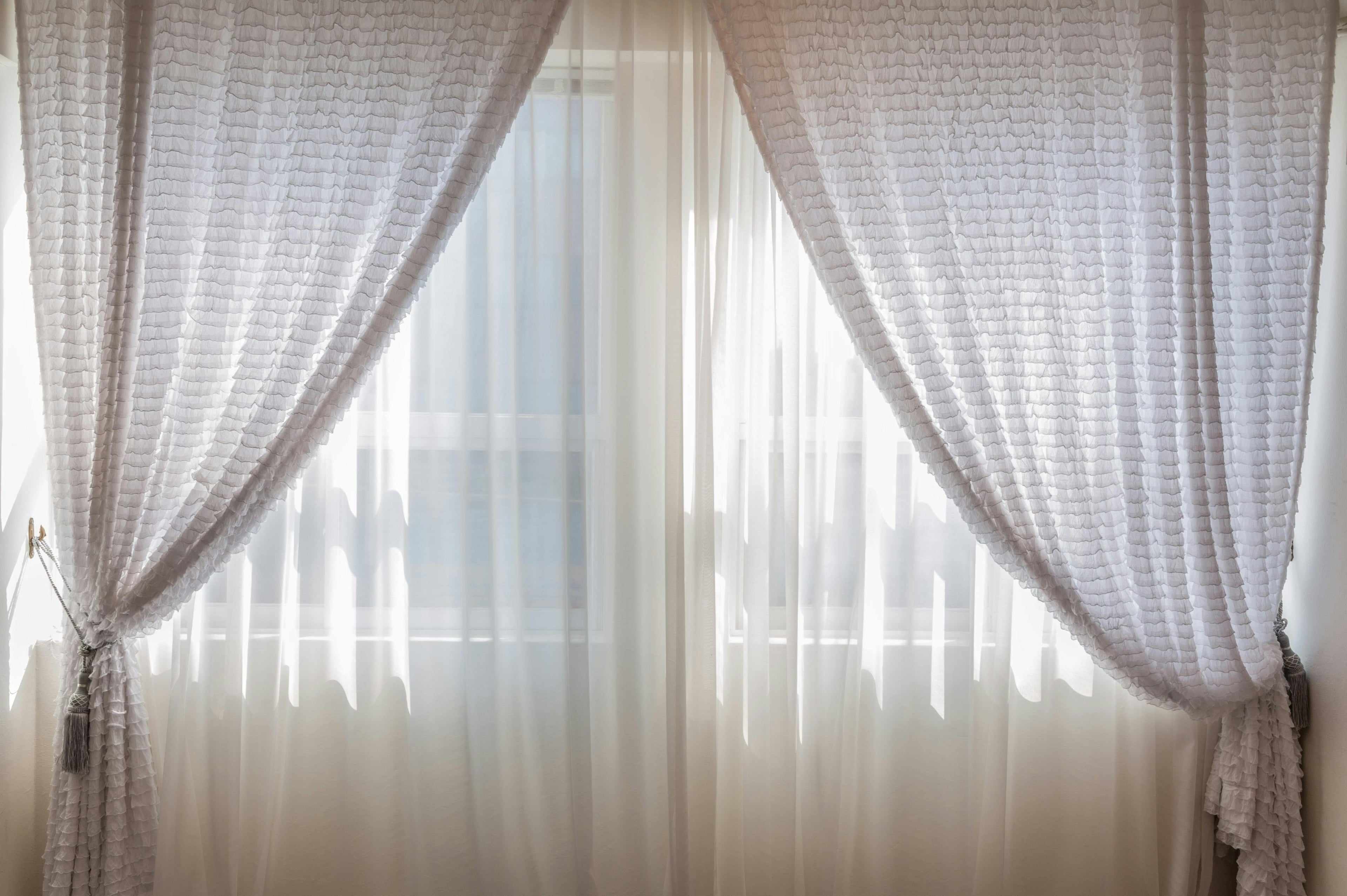
Selection and decoration

How to Remove a Stain That Has Already Been Washed

par Ombre Interieur Apr 25, 2026
You have washed a garment, thinking you had removed that stubborn stain, only to discover with dismay that it is still there, sometimes even more visible than before. This frustration is shared by many households. A stain that has already been washed presents a significant challenge, as the initial washing process often fixes residues into the fabric fibers, making their removal more complex. However, all hope is not lost. With the right methodology, targeted products, and an understanding of the mechanisms at play, it is entirely possible to give your favorite textiles a second life. This article guides you step by step through the process of removing a stain that has already been washed, exploring the reasons for this initial failure and detailing concrete solutions adapted to each type of stain and fabric. Why does a stain persist after washing? Understanding the mechanism Before tackling the problem, it is crucial to understand its origin. An ineffective wash is not always due to a lack of detergent. Several factors come into play and can set the stain almost indelibly. Firstly, heat is a key element. Washing a stained garment in hot water or drying it in a machine at high temperature can cook the stain into the fibers. Proteins (blood, egg, milk) coagulate, sugars (tomato sauce, chocolate) caramelize, and tannins (red wine, tea) polymerize, creating a much stronger bond with the fabric. Secondly, using the wrong product can worsen the situation. Some stain removers or detergents, especially those containing bleach on organic stains, can cause a chemical reaction that oxidizes the stain and turns it yellow or brown, a phenomenon often irreversible on delicate fabrics. Finally, the simple mechanical friction of the machine can push dirt particles deeper into the textile's weave, especially if it is a terry cloth, jeans, or a towel. The stain then appears to have "penetrated" permanently. The golden rule: Identify the stain and the fabric The key to success lies in precise identification. There is no universal method. What works on a grease stain on cotton can be disastrous on an ink stain on silk. The main stain families We generally distinguish four main categories, each requiring a specific approach for cleaning a stain after washing. Organic stains (proteins): Blood, egg, milk, vomit, sweat, cream-based sauces. They react poorly to heat and require pre-treatment with cold water. Grease and oil stains: Butter, oil, sauce, makeup, motor grease. They repel water and require a surfactant or solvent to be dissolved. Tannin stains: Red wine, coffee, tea, red fruits, grass. These are natural dyes that cling to fibers. Their treatment often involves a mild oxidizing agent. Mixed and complex stains: Ink, paint, glue, rust, mold. They require highly targeted treatments, sometimes with specific chemicals. The type of fabric is paramount The delicacy of the fabric dictates the aggressiveness of the methods you can use. Always test any product on a seam or an inconspicuous area first. Cotton and linen: Robust fabrics that withstand fairly vigorous treatments, hot water, and many stain removers. Wool and silk: Delicate animal fibers. Avoid very hot water, excessive rubbing, and strong alkaline products. Opt for gentle, wool-specific cleaners. Synthetics (polyester, nylon, acrylic): Often sensitive to heat (risk of melting). Beware of strong solvents like acetone which can dissolve them. Technical and waterproof fabrics: Follow the manufacturer's instructions scrupulously, as DWR (durable water repellent) treatments can be damaged by unsuitable products. The essential emergency kit for stubborn stains To be ready to tackle any persistent stain, put together a small home pharmacy. The current trend is towards natural and eco-friendly solutions, but some traditional products remain irreplaceable for difficult cases. Pure Marseille soap (in a cube): A timeless classic for pre-treatments, effective on many organic and grease stains. Baking soda: Mild abrasive, deodorizer, and whitener. Excellent for yellow sweat stains. Washing soda (sodium carbonate): Powerful degreaser and water softener. Use with caution on colors and delicate fabrics. White vinegar: Mild acid, ideal for neutralizing alkaline stains (like vomit marks), dissolving limescale, and reviving colors. Hydrogen peroxide (10-volume): Mild oxidizing and whitening agent, perfect for red fruit, wine, or blood stains on white fabrics. Rubbing alcohol (70% or 90%): Effective solvent for ballpoint pen, marker, nail polish, or resin stains. Enzymatic laundry detergent: Specially formulated with enzymes that "digest" organic stains (proteins, starch, fats). Commercial specific stain remover: Choose one adapted to your stain family (grease, tannin, etc.). The step-by-step procedure to save a garment that has already been washed This systematic methodology maximizes your chances of success without damaging the fabric. Patience is your best ally. Step 1: Diagnosis and test Identify the stain and the fabric. Read the care label. Moisten a cotton swab with the chosen product and apply it discreetly to an inside seam. Wait 5 minutes, rinse, and observe any color change or alteration of the fabric. Step 2: Targeted pre-treatment Do not wet the entire stain at once. Work from the outside inwards to avoid spreading the area. Generously apply your cleaning agent (rubbed soap, baking soda paste, stain remover) to the dry stain. Let it sit for a long time, from 30 minutes to several hours, or even overnight for extreme cases. Cover with plastic wrap to prevent evaporation. Step 3: Gentle rubbing and thorough rinsing Gently rub the fibers between your fingers or use a soft-bristled brush. For delicate fabrics, simply dab with a cloth. Rinse abundantly with cold water by running the stain under the tap until the water runs perfectly clear. This is crucial to remove any product residue that could attract dirt again. Step 4: Adapted final wash Wash the garment alone or with textiles of a similar color. Use the lowest recommended temperature for the fabric. Optionally, add half a cup of white vinegar to the fabric softener compartment to dissolve any remaining residue and soften the fabric. Absolutely avoid the dryer until the stain has completely disappeared. Step 5: Air drying and final inspection Let the garment air dry, away from direct sunlight for bright colors. Once dry, inspect it thoroughly. If a shadow of the stain persists, repeat the process before any further washing or machine drying. Grandmother's remedies and natural solutions for set-in stains These time-tested methods are often surprisingly effective, eco-friendly, and economical. They are perfect for eco-friendly stain removal after washing. For yellow sweat or deodorant stains: Form a thick paste with baking soda and hydrogen peroxide. Spread on the stain, let it sit for an hour, then rub and rinse. The baking soda neutralizes acids and the hydrogen peroxide oxidizes the dyes. For old grease stains: Generously sprinkle with Sommières earth or cornstarch. Let it sit for 24 hours. The powder will absorb the oil by capillary action. Shake then brush. Repeat if necessary. For red fruit or wine stains: Pour boiling water onto the stain from a height (the "thermal shock" method) while stretching the fabric over a bowl. The energy of the water can dislodge the pigments. Then, treat with fresh lemon juice exposed to sunlight, which acts as a mild bleaching agent. For grass stains: Rubbing alcohol (70%) is very effective. You can also rub the stain with white toothpaste (non-gel) before washing, thanks to its mildly abrasive and whitening action. Chemical solutions and specialized products for desperate cases When gentle methods fail, sometimes more powerful products are needed. Use them with extreme caution, in a ventilated area, and with gloves. Oxygen-based stain removers (powder): Based on sodium percarbonate, they are excellent for white and resistant colored fabrics. They whiten and deep-clean during a hot wash (60°C). Solvents like white spirit or turpentine: Reserved for oil paint, tar, or thick resin stains on very sturdy fabrics like denim. Apply with a cloth to the wrong side of the fabric. Ink and marker stain remover: Often based on specific alcohols or ethoxylates. Follow the instructions carefully, as some can be harsh on acetates or certain synthetic fibers. Chemical reducers (for rust): Anti-rust products generally contain oxalic acid or diluted hydrofluoric acid. They are very corrosive and must be rinsed off immediately after application. Mistakes to absolutely avoid with a stain that has already been washed Certain reflexes can permanently seal the fate of your garment. Here are the most common pitfalls. Using hot water as a first resort: This is mistake number one. It sets most stains. Always start with cold water. Machine drying before checking: The intense heat of the dryer is the point of no return for a stain. It polymerizes it into the fibers. Rubbing vigorously with a hard brush: You risk wearing out the fabric, spreading the stain, and pushing it in even deeper. Mixing chemicals: Above all, never mix bleach and vinegar, or bleach and ammonia. These combinations release toxic and dangerous chlorinated vapors. Neglecting rinsing: Soap or stain remover residue left on the fabric will recapture dirt during the next wash, creating a halo. FAQ: Answers to the most frequent questions about persistent stains A stain always reappears after drying. Why? This phenomenon, called "stain wicking" or "halo effect," is classic. It is due to residue of dirt or cleaning product migrating to the surface of the fabric during drying. The solution is to extend the pre-treatment time, rinse much more abundantly with cold water, and add white vinegar to the final rinse to dissolve these residues. How to remove a yellow stain that appeared after washing? These yellow stains are often the result of oxidation (due to sweat, a product, or washing at too high a temperature) or residue from detergent/fabric softener. For white fabrics, a soak of several hours in warm water with washing soda or an oxygen-based stain remover is very effective. For colors, a soak in cold water with added white vinegar can solve the problem. Can a garment whose stain has been put through the dryer be saved? The chances are reduced, but not zero. The heat has "cooked" the stain. You then need to use longer and more intensive methods: a prolonged pre-treatment (overnight), followed by a soak of several hours in a suitable solution (enzymatic detergent for proteins, washing soda for grease), before washing at the maximum temperature allowed for the fabric. Patience is essential. Are there truly impossible stains to remove? Unfortunately, yes. Some alterations are permanent. This is the case with bleach stains that have chemically discolored the fiber (the color is gone, it is not dirt). Burns from friction or heat that have melted synthetic fibers. Deeply anchored black mold stains on natural fabrics like cotton, which have sometimes damaged the cellulose. In these cases, repair or customization (embroidery, patch) can be a creative alternative. Should I prioritize homemade or commercial stain removers? Both have their place. Homemade solutions (vinegar, baking soda, soap) are ideal for regular maintenance, fresh stains, or delicate fabrics. They are eco-friendly and economical. Commercial stain removers are formulated with targeted chemical agents (enzymes, solvents, powerful surfactants) and are often indispensable for old, complex, or already-washed stains. Common sense dictates starting with the gentlest method and gradually increasing the intensity of the treatment. Conclusion: The art and patience of textile rescue Removing a stain that has already been washed is an exercise in patience, precision, and knowledge. It is not a race, but a methodical process where each step counts: identification, product choice, action time, and thorough rinsing. Current trends push us towards more natural and fabric-friendly solutions, without neglecting the effectiveness of specialized products for the most desperate cases. The key is to act quickly after discovering the persistent stain, never give in to panic which leads to harmful actions (hot water, violent rubbing), and show perseverance. With the detailed advice in this article, you now have a true toolbox to restore the luster to your favorite clothes and say goodbye to the frustration of stubborn stains. To discover more tips and complete guides on home care and decoration, explore the other resources available on ombreinterieur.fr without delay. Also explore our collection Red Voile to vary styles. Our Non-Stick Shower Curtain integrates perfectly with this style. Need practical advice? Read how to integrate a console on a modern terrace. Visit ombreinterieur.fr to explore the entire catalog.

Selection and decoration

How to Remove a Stubborn Stain

par Ombre Interieur Apr 24, 2026
Discovering an indelible stain on your favorite linen sofa, your silk blouse, or your beautiful Persian rug is a true nightmare for any interior design enthusiast. These stubborn marks, whether from an ink pen, red wine, grease, or nail polish, seem to defy all conventional cleaning laws. Yet, before considering a textile as lost or hiding the offending area under a cushion, know that there exists a whole arsenal of techniques, often little-known, to eliminate these unwanted intruders. Knowing how to remove an indelible stain is a valuable skill that preserves the beauty and longevity of your interiors. This article is your ultimate and comprehensive guide to handling these household accidents with efficiency and serenity. We will not settle for approximate grandmother's remedies; we will delve into the chemistry of stains, the properties of textiles, and the professional solutions suited to each situation. From delicate silk to robust leather, including natural stone floors, you will learn to identify, analyze, and neutralize any trace, preserving the integrity of your most cherished belongings. Prepare to become an expert in textile rescue and restore full splendor to your decorative items. Understanding the Enemy: The Chemical Nature of So-Called Indelible Stains To conquer a stain, you must first understand it. The term "indelible" is often a misnomer; it simply refers to a substance that resists common cleaning methods like water and soap. These stains anchor deeply into fibers or react chemically with the material. Several major families can be distinguished. Tannic stains, such as red wine, tea, or coffee, are caused by natural dyes that bind to fibers. Greasy stains (oil, butter, sauce) are not soluble in water and require a surfactant or solvent. Protein-based stains (blood, egg, milk) can cook under heat and become permanent. Finally, colored stains (ink, marker, dye) contain powerful pigments designed to be permanent. The identification step is therefore crucial. Take a moment to analyze the stain: its origin, its appearance (greasy, watery, pasty), and above all, the nature of the surface. This analysis will dictate the entire cleaning strategy to adopt. The Absolute Golden Rule: Act Fast and Test Discreetly Time is your worst enemy. The longer a stain remains on a fabric, the more it oxidizes, dries, and penetrates deep into the fibers. Your first reaction should be to immediately blot the excess liquid or matter, without rubbing, to prevent spreading. Rubbing is the most common mistake. This instinctive action pushes dirt particles deeper into the textile and damages the fiber structure, making the stain even more visible and the fabric rougher. Always dab, from the outside towards the inside of the stain, with a clean, absorbent white cloth. Before applying any product to the main stain, perform a colorfastness and fiber resistance test in a discreet area (hem, reverse side, underside). Apply the intended product to a cloth and dab the test area. Wait for it to dry completely to check for any discoloration or alteration. The Ideal Emergency Kit for Stubborn Stains To be prepared for any eventuality, put together a small kit with versatile and effective products: Pure Marseille soap or ox-gall soap: excellent natural degreasers. Baking soda and white vinegar: the magic duo for chemical reactions (acid/base) and stain removal. 90% or 70% alcohol: effective solvent for inks, resins, and some glues. Hydrogen peroxide (10 volume): a gentle bleach, ideal for organic stains on white or very light fabrics. Talc or Sommières earth: perfect for absorbing fresh grease stains. White microfiber cloths and clean sponges. A soft-bristled brush (like a nail brush). Detailed Protocol: How to Remove an Ink Stain from a Pen Ink stains, especially from ballpoint pens or markers, are among the most feared. Their composition based on dyes and solvents makes them particularly stubborn. For washable fabrics (cotton, linen), start by saturating the stain with 90% alcohol. Dab without rubbing. You will see the ink transfer onto the cloth. Then rinse the area with cold water. If the trace persists, prepare a paste with milk and talc, apply it, let it dry, and brush off. For older inks, a mixture of equal parts white vinegar and mild bleach (on white fabrics only) can be applied by dabbing, followed by thorough rinsing. For delicate fabrics or non-washable surfaces (leather, painted wood), application must be more cautious. Use a cotton swab soaked in 70% alcohol and dab gently in small circles, changing the swab as soon as it is loaded with ink. Finish by applying a little nourishing cream for leather. The Living Room Nightmare: Treating a Red Wine Stain on a Sofa Red wine is the quintessential social stain. On a fabric sofa, panic often peaks. The first action is to immediately blot with an absorbent cloth, pressing firmly. Then generously sprinkle with fine salt or, better, Sommières earth. This natural mineral is extremely absorbent. Leave it on for several hours, or even overnight, then vacuum. If a trace remains, mix one part sparkling water (the carbonic acid helps) and one part clear dish soap. Apply with a cloth by dabbing. Another effective method is to pour a little boiling water onto the stain from a height (protecting the padding with a towel underneath) while stretching the fabric over a bowl. The force and heat of the water can expel the dye. For velvet or delicate fabric sofas, always check the care label and prioritize dry methods (Sommières earth) before adding any liquid. Grease and Oil Stains: Neutralizing Them on All Surfaces Grease stains are hydrophobic. Water alone spreads them. The strategy is first to absorb the excess grease. On textiles, immediately sprinkle with talc, cornstarch, or Sommières earth. Let it sit for at least 30 minutes for the powder to absorb the oil, then brush off. Next, apply Marseille soap or ox-gall soap directly onto the pre-moistened stain. Gently rub the soap between your fingers to lather it onto the stain. Let it act for an hour before washing the garment at the highest allowed temperature. For grease stains on natural stone (granite countertop, slate floor), avoid abrasive products. Sprinkle with baking soda, add a few drops of dish soap to form a paste, scrub with a soft brush, and rinse. For porous surfaces, a poultice of clay and water can be left to dry to draw out the grease deeply. Delicate Surfaces: Silk, Wool, Leather, and Upholstery Fabrics These materials require a tailored approach and extreme delicacy. For silk and wool, forget harsh solvents. On a fresh stain, sprinkle with talc. For a more embedded stain, a very gentle mixture of glycerin and water (one teaspoon of glycerin to a glass of warm water) applied by dabbing can lift the dirt without damaging the fragile protein fibers. Rinse with a damp cloth. Leather requires specific care. After blotting the excess, clean the area with a special leather soap or a gentle mixture of white vinegar and water. Dry immediately and apply a nourishing cream to prevent the leather from drying and cracking in that spot. For rugs and carpets, the absorption method is paramount. Use Sommières earth. For colored stains, a carpet cleaning foam applied according to instructions, then rinsed with a damp cloth, is often effective. Avoid over-wetting the carpet to prevent soaking the underlay. Extreme Cases: Glue, Nail Polish, Rust, and Burns Some stains are almost a chemical challenge. Glue (like white glue or super glue): For textiles, soak in warm white vinegar to soften the glue, then gently scrape. Acetone (found in nail polish remover) is very effective on super glue, but it discolors many fabrics. Test it absolutely! Nail polish: Acetone is the natural solvent. Use an acetone-free remover for delicate fabrics, or 90% alcohol. Dab from the inside towards the outside of the stain. Rust: It requires an acid. Lemon juice mixed with salt is a classic. Apply, expose to sunlight, then rinse. For fabrics, specific anti-rust products (based on oxalic acid) are available but are very corrosive. Light burn marks on wood can sometimes be faded by rubbing with a mixture of cigarette ash and olive oil, or with a paste of baking soda and water. For fabrics, if the fiber is only singed and not holed, very, very light sanding with a nail file can remove the carbonized surface. FAQ: Answers to the Most Frequent Questions About Indelible Stains Can an old stain really disappear? Yes, often, but it is more difficult. An old stain has oxidized and may have been set by hot washes. It generally requires stronger methods (prolonged pre-treatment, specific products) and sometimes repeating the operation. The probability of total success decreases over time, but it is always worth trying, especially on a garment or fabric you consider lost. Is milk really effective against ink stains? Yes, it is an old and surprisingly effective method, mainly for black ink. The proteins and fats in whole milk are thought to "capture" the ink particles. Soak the stain in warm milk for several hours, or even overnight, then wash normally. This method is gentle and can be tried as a first step on fragile fabrics. Can I use bleach on all stains? Absolutely not. Bleach (sodium hypochlorite) is a powerful oxidizer that acts on dyes, but it is corrosive to fibers (it yellows and weakens them) and is ineffective on grease or protein stains. It can also permanently set certain stains, like tannin stains (wine, fruit). Reserve it for white cotton or linen fabrics, only for color stains or mildew, and always diluted and as a last resort. How to remove an indelible stain from a painted wall? For washable paints (matte, satin, gloss), start with a magic eraser (melamine). It works by micro-abrasion. For grease stains, a mild multi-surface cleaner may suffice. For stubborn marks (pencil, marker), try dabbing with 70% alcohol on a cloth. In all cases, test in a discreet corner. If the stain persists, you will likely need to lightly sand the area and repaint it. When should I absolutely call a professional? Call a dry cleaner or expert cleaner in several cases: if the fabric is very precious (designer garment, antique rug, expensive silk curtain); if you have already tried several methods without success and risk damaging the textile; for very complex stains (mixture of grease and color, paint); and for any items whose label says "Professional cleaning only." Their expertise and professional solvents often work wonders. Adopting the Right Reflexes to Prevent Disasters The best way to handle indelible stains is to avoid them. In a well-decorated home, a few reflexes make the difference. Protect sofas and armchairs with throws or washable covers, especially in living areas. Apply a fabric protector to new upholstery (sofa, chairs). On the dining table, use placemats and tablecloths, and treat spills immediately. Always keep your basic stain removal kit within reach. Finally, systematically read the care labels on your textiles. A "hand wash at 30°C" symbol does not allow the same treatments as a "machine wash at 60°C". Knowing how to remove an indelible stain is not an occult science, but a combination of knowledge, speed, and method. By understanding the nature of the stain, acting with delicacy, and using the right products, you will save the majority of your favorite textiles. Each stain removed is an element of your interior decoration preserved, a story continued, and money saved. Do not let a small mark spoil the harmony of your home any longer. To discover more tips for maintaining and enhancing your home, explore the other comprehensive guides available on ombreinterieur.fr. From material care to the latest decor trends, we accompany you in creating an interior that is as practical as it is sublime. Fall for Unique Winter Travel Posters Elegant Wall Decor for a Warm Ambiance, a real plus for your interior. For more tips, discover how to decorate a wabi sabi bathroom with mirrors on the blog. Browse our online store to see all our collections.
Terrasse extérieure aménagée avec mobilier de jardin élégant, plantes en pots et brise-vue occultant pour préserver l’intimité.

Selection and decoration

Comment créer un espace extérieur intime et élégant avec un brise-vue occultant ?

par Ombre Interieur Apr 23, 2026
Découvrez comment choisir un brise-vue occultant pour créer un espace extérieur intime, élégant et protégé des regards sur une terrasse, un balcon ou dans un jardin.

Selection and decoration

Enhancing a Wooden Terrace: Complete Renovation Guide

par Ombre Interieur Apr 20, 2026
Transform your wooden deck into an elegant and welcoming living space. From assessing its condition to choosing finishes and comfort accessories, discover step-by-step advice to create a little piece of paradise at your door.