

















How to Insulate Windows from the Cold: Complete Guide
Winter has settled in, bringing with it those unwelcome draughts that creep along your windows. Before your heating bill climbs any higher, it is time to take action. This feature explores the most effective solutions, from quick, budget-friendly tricks to lasting improvements, turning your openings into true thermal barriers. You will find practical keys to marrying indoor comfort with energy efficiency, without getting lost in unnecessary technical detail. Let yourself be guided towards a softer, warmer home, where the chill stays firmly outside and every room feels like a cosy retreat from the season’s bite.
Winter is approaching, bringing with it that unpleasant sensation of cold drafts seeping in along your windows. Not only does this affect your thermal comfort, but it also represents a significant source of energy loss and, consequently, a heating bill that can skyrocket. Knowing how to insulate windows from the cold becomes a priority, both for well-being and for your wallet. This article is a comprehensive guide that will accompany you step by step, from the simplest diagnostics to the most effective solutions, to transform your windows into true barriers against the cold.
Understanding the Sources of Heat Loss at Your Windows
Before starting any work, it is crucial to precisely identify where the cold is coming from. A window is not a uniform element; it consists of several parts, each of which may have weaknesses. The main sources of heat loss are the glazing, the frame, and the weatherstripping. Single glazing, still present in many older homes, offers very little insulation compared to double or triple glazing. The frame, whether made of wood, PVC, or aluminum, can deform over time or provide poor insulation if its design is not suitable. Finally, the seals—those small rubber or foam elements located between the frame and the sash or between the frame and the wall—wear out and become ineffective, letting air through.
The Simple Diagnostic Test: The Candle or Sheet of Paper
A time-honored and still effective method is to pass a lit candle or a very thin sheet of paper along the edges of your closed window. If the flame flickers or the paper moves easily, you have located an air leak. This simple test will indicate where to focus your insulation efforts.
Temporary and Budget-Friendly Solutions for Quick Insulation
For those seeking a fast, inexpensive, and effective short-term solution, several options are available. They are perfect for sealing gaps while awaiting a more extensive renovation or for rentals where permanent modifications are not possible.
Adhesive Weatherstripping and Draft Seals
This is the first line of defense against air infiltration. These profiles, made of foam, rubber, or silicone, are sold in rolls and can be easily glued onto the window frame. For larger gaps, expanded foam seals (like "PE foam") are very effective. For more precise gaps, opt for self-adhesive rubber seals. Application is simple: clean and degrease the surface thoroughly, then apply the seal by pressing firmly. This solution can significantly reduce drafts for a minimal investment.
Thermal Window Film
A surprisingly effective technology, this transparent plastic film is attached to the window frame using double-sided adhesive tape and then tightened with a hairdryer. It creates an additional layer of still air in front of the glazing, thereby improving its thermal insulation. This is an excellent solution for old single-glazed windows, with a noticeable reduction in the feeling of a cold surface.
Thermal Curtains and Blinds
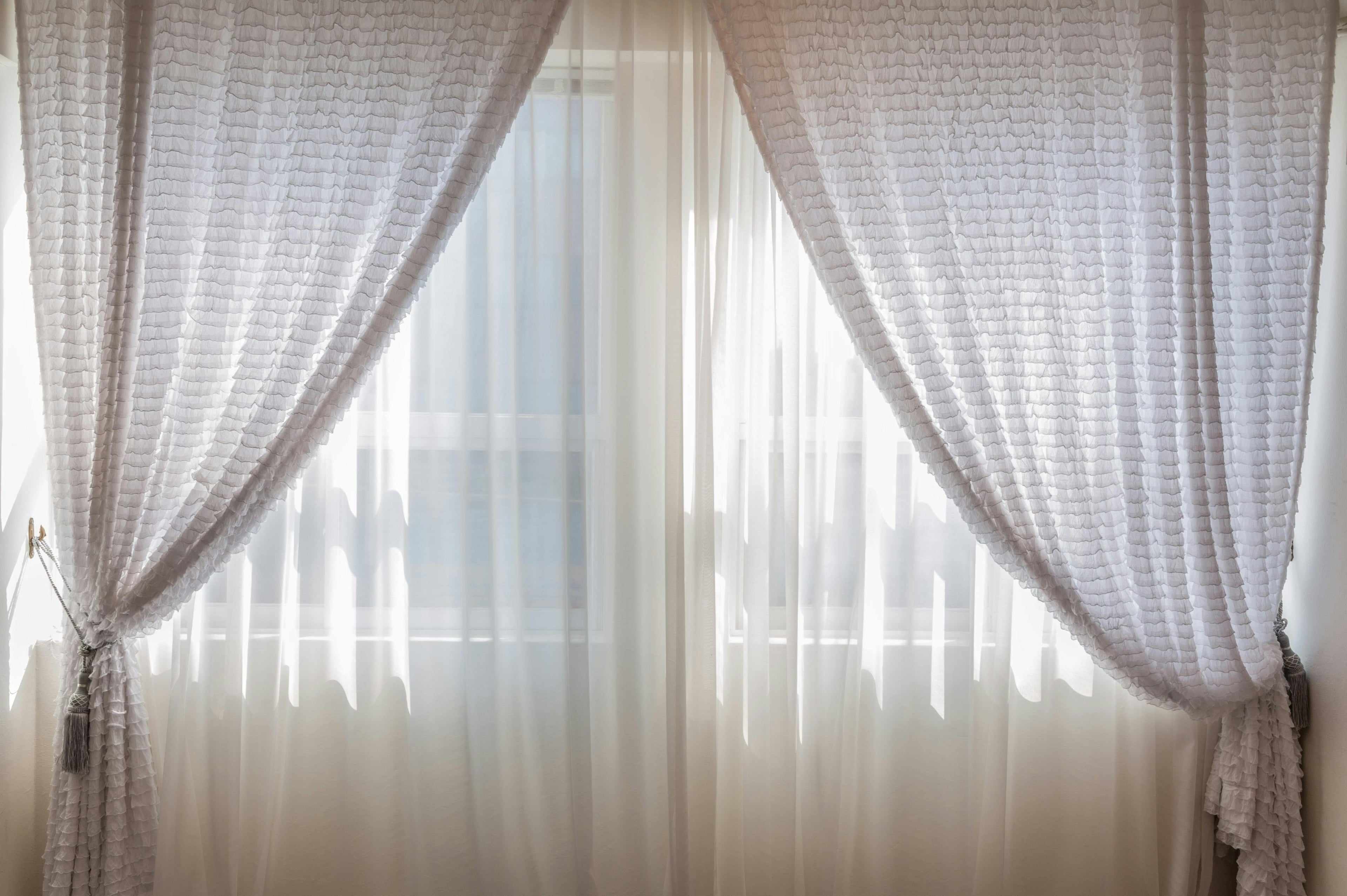
Decor can also be an ally. Investing in thick curtains lined with thermal fabric, or in specific insulating blinds (such as double-walled Venetian blinds or roller blinds with an aluminum layer), creates an additional barrier at night. Remember to close them tightly at nightfall to trap heat inside.
Durable and High-Performance Solutions for Permanent Insulation
If you are a homeowner or ready to invest for the long term, these solutions permanently transform your windows' performance. They represent a more significant investment but offer a quick return on investment through energy savings and increased comfort and property value.
Replacing Permanent Weatherstripping
Worn seals can be replaced without changing the entire window. There are seals of various cross-sections (round, flat, D-shaped) made of EPDM rubber, a material known for its longevity and weather resistance. This more technical operation may require a professional for a perfect result, but it will restore airtightness to your joinery.
Installing Double or Triple Glazing
This is the ultimate solution for insulating windows from the cold in a radical way. Double glazing consists of two panes of glass separated by a layer of air or, better yet, argon gas, an inert gas that provides better insulation. Triple glazing adds a third pane. Performance is measured by the Uw coefficient (for the complete window) and Ug (for the glazing alone). The lower this coefficient, the better the insulation. Low-emissivity (Low-E) glazing has a microscopic metallic layer that reflects heat back inside in winter.
Complete Window Replacement
Sometimes, the frame is too deteriorated or the material is inherently low-performing (like some old aluminum frames without thermal break). In this case, complete replacement is necessary. You will have a choice between several materials: PVC, economical and insulating; wood, aesthetic and naturally insulating but requiring maintenance; and aluminum with a thermal break (RPT), very durable and stylish. A modern, high-performance window combines an insulating frame, premium glazing, and quality hardware for perfect airtightness.
Focus on Window Materials and Their Insulating Performance
The choice of frame material greatly influences the overall performance of your window. Each has its advantages and disadvantages in terms of insulation, maintenance, and aesthetics.
- PVC: This is the most commonly used material in renovations for its excellent performance/price ratio. Its internal air chambers make it a good thermal and acoustic insulator. It requires little maintenance.
- Wood: A noble and traditional material, wood offers exceptional natural insulation. However, it requires regular maintenance (painting, staining) to withstand the elements. Wooden windows are often chosen for character renovations.
- Aluminum with Thermal Break (RPT): The "thermal break" is an insulating barrier inserted between the interior and exterior profiles, preventing cold from passing through. Aluminum is very durable, allows for contemporary designs with large bay windows, and is recyclable.
- Wood-Aluminum Composite: This premium option combines the insulation and aesthetics of wood on the inside with the durability and low maintenance of aluminum on the outside. It is the ultimate high-end solution.
The Crucial Importance of Installation and Perimeter Sealing
A window, even the most high-performance on the market, will only be effective if it is correctly installed. Poor installation is the leading cause of failure in thermal renovation. The interface between the window frame and the wall is a critical point. It must be perfectly airtight and watertight. The modern and recommended technique is "surface-mounted" installation with careful sealing. It involves inserting the window into the existing opening and securing it firmly. The gaps between the frame and the wall are then filled with a flexible insulating product (like expanding polyurethane foam), then protected and finished on the outside with a silicone seal or a trim profile, and on the inside with plaster or beading. Do not hesitate to call a qualified professional (RGE - Reconnu Garant de l'Environnement) to ensure installation complies with best practices.
Financial Aid for Insulating Your Windows from the Cold
In France, the government strongly encourages energy renovation through several financial schemes, accessible subject to income conditions and/or the performance of the work. These aids can significantly reduce the cost of replacing high-performance windows.
- MaPrimeRénov': This is the main aid, granted for replacing windows or French doors facing the outside with high-performance models (at least double glazing). The amount varies depending on your income and geographic area.
- Energy Savings Certificates (CEE): Often called "energy bonuses," these are paid by energy suppliers (EDF, TotalEnergies, etc.) and can be combined with MaPrimeRénov'.
- The Zero-Rate Eco-Loan (Éco-PTZ): An interest-free loan of up to €50,000 for a package of works, including window replacement.
- Reduced VAT at 5.5%: Applicable to the supply and installation of windows in homes over 2 years old.
It is essential to check the eligibility conditions and obtain a quote from a qualified professional before starting the work.
Sound Insulation: A Significant Secondary Benefit
Addressing how to insulate windows from the cold almost systematically leads to improved acoustic insulation. The principles are similar: thick glazing (or asymmetric panes in double glazing), high-performance seals, and a dense frame reduce noise propagation. If you live in the city or near a busy road, opt for specific "acoustic" glazing where one of the panes is laminated glass, an excellent damper of sound vibrations.
Current Trends: Smart Home and Innovative Materials
The world of windows is not immune to innovation. Current trends are moving towards ever greater integration of performance and comfort. Connected windows, equipped with sensors, can open or close automatically based on temperature, rain, or time of day. Electrochromic glazing, whose tint can vary to control solar gain, is gaining popularity. In terms of materials, research into wood treated for extreme durability or innovative composites promises even more efficient and eco-friendly windows.
FAQ: Your Questions on Window Insulation
What is the most economical solution for insulating my old wooden windows?
The winning combination for a tight budget is often replacing worn weatherstripping (if the wood is in good condition) combined with applying thermal window film in winter. This seals air leaks and significantly improves the performance of single glazing for a minimal cost. Remember to check and repair chipped paint to protect the wood.
Double or Triple Glazing: Which to Choose?
Double glazing is more than sufficient for most situations and climates in France. It offers an excellent performance/price compromise. Triple glazing should be reserved for very cold regions (mountains), passive or ultra-low-energy homes, or if sound insulation is an absolute priority. It is heavier and more expensive, and its additional insulation benefit may be negligible compared to poorly insulated walls.
Can I Install My New Windows Myself to Save Money?
If you are an excellent DIYer, installing windows in a renovation (surface-mounted) is possible. However, it is a precision job where the devil is in the details (leveling, air and water tightness, solid fixing). Poor installation will negate the benefits of a high-performance window and can cause leaks. Furthermore, to benefit from state aid like MaPrimeRénov', the installation often must be carried out by an RGE-certified professional. Hiring an expert is therefore highly recommended.
How to Maintain My Window Seals to Make Them Last?
Simple maintenance significantly extends the life of seals. Clean them once or twice a year with a soft cloth and soapy water. Avoid abrasive products or solvents that could degrade them. Once a year, you can apply a little glycerin or a specific silicone spray (available at hardware stores) to rubber seals to keep them flexible and prevent cracking.
Is Insulating Windows Eco-Friendly?
Absolutely. It is one of the most effective actions for reducing your carbon footprint. By reducing heating needs, you directly lower your consumption of fossil fuels or electricity. Over the lifespan of a high-performance window (30 to 50 years), the energy savings achieved far outweigh the embodied energy required for its manufacture. Choosing recyclable materials like PVC or aluminum further enhances this positive impact.
Conclusion: An Investment in Comfort, Savings, and Added Value
Learning how to insulate windows from the cold is much more than a simple DIY tip. It is a comprehensive approach that radically improves the quality of life in your home. Whether you opt for quick and economical solutions or a sustainable investment with complete replacement, every action counts. You will gain thermal and acoustic comfort, make substantial savings on your energy bills, and increase the asset value of your property. Renovating your windows is an essential step towards a healthier, more economical, and more environmentally friendly home. To discover more inspiration and expert advice for transforming every room in your house, feel free to explore the other comprehensive guides available on ombreinterieur.fr. To complete your ambiance, discover the Curtains for Windows range. Our Polar Anti-Cold Thermal Curtain fits perfectly with this style. Before choosing, browse how to whiten curtains.
