














How to Black Out a Window: Complete Guide 2026
In the world of interior decoration, the window is a valuable ally, a source of natural light and a connection to the outdoors. However, sometimes this opening needs to be controlled, or even completely concealed. Whether to ensure total darkness in a bedroom, preserve privacy on a ground floor, optimize thermal or acoustic insulation, or simply create a neutral background for a video projection, knowing how to black out a window is an essential decorative and practical skill. Blacking out does not necessarily mean sacrificing aesthetics; on the contrary, it is an opportunity to integrate an ingenious solution that meets a specific need while enriching the room's atmosphere. This article guides you through all the methods, from the most classic to the most innovative, to transform a window into a discreet and functional wall, exploring materials, installation techniques, and current trends in window blackout solutions.
Why black out a window? Identifying your needs
Before choosing a solution, it is crucial to define the primary goal of the blackout. This analysis will determine the type of product and the required performance level. Motivations are multiple and can be combined.
The search for total darkness is often the main reason, especially in bedrooms, guest rooms, or home cinemas. Parasitic light can disrupt sleep or harm the quality of a projection. In this case, the solution must be perfectly light-tight on all edges.
Privacy is another frequent motive, particularly for windows facing the street, close neighbors, or a walkway. The goal is to block the view from the outside to the inside, while preserving brightness if possible.
Insulation also plays a major role. Blacking out a window can significantly reduce heat loss in winter and overheating in summer (thermal insulation), as well as outside noise (acoustic insulation). It is a complementary solution to high-performance double glazing.
Finally, aesthetic and practical aspects come into play. A poorly oriented window, an atypical shape, or simply an unattractive one can be masked to create a uniform wall, serving as a backdrop for a bookshelf, a painting, or integrated storage space.
Blackout blinds: the classic and effective solution
Blinds are often the first option considered for blacking out a window. They come in several models, each with its own installation specifics and performance.
The blackout roller blind
Thick and often made of synthetic material (PVC, coated polyester), the so-called "total night" or "blackout" roller blind is designed to block up to 99% of light. Its success lies in its simplicity, value for money, and ease of maintenance. For optimal blackout, it should be installed in the window recess (surface mount or inside the recess) and equipped with side guides, those small rails that prevent light from filtering in on the sides.
The Venetian blind or shutter blind
Although less light-tight than compact roller blinds, horizontal slatted blinds (aluminum, wood, PVC) or vertical blinds offer very fine control of light and privacy. For enhanced blackout, opt for extra-wide slats and a control system that allows them to close perfectly flat. Dark anodized aluminum models are particularly effective.
The pleated blind or panel blind
These blinds, consisting of a single panel of pleated fabric or fine connected slats, slide on a rail. They offer a modern and minimalist look. Versions in technical blackout fabric with sides enclosed in a rail ensure excellent blackout, especially for French windows or large windows.
Blackout curtains: combining comfort and decoration
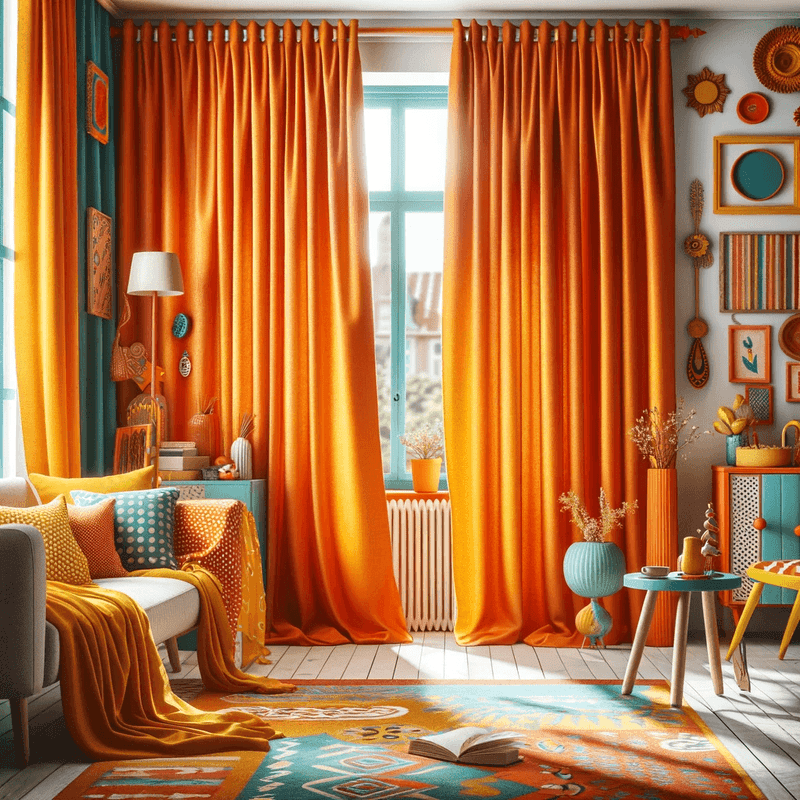
Curtains bring a textile and warm dimension to the room. For effective blackout, several criteria must be met. The choice of fabric is paramount: prioritize so-called "blackout" fabrics, often composed of several layers including an opaque layer, sometimes thermally bonded. Their weight and density block light and improve acoustic insulation.
The installation technique is equally important. For maximum light-tightness, the curtain should be sufficiently wide (at least 1.5 to 2 times the width of the window) and generously fall to the floor. Ideally, install it on a ceiling-mounted rod or track, and have it touch the side walls, creating a box. Adding a magnetic or weighted strip at the bottom of the curtain helps hold it against the wall or floor, eliminating the last light leaks from the bottom.
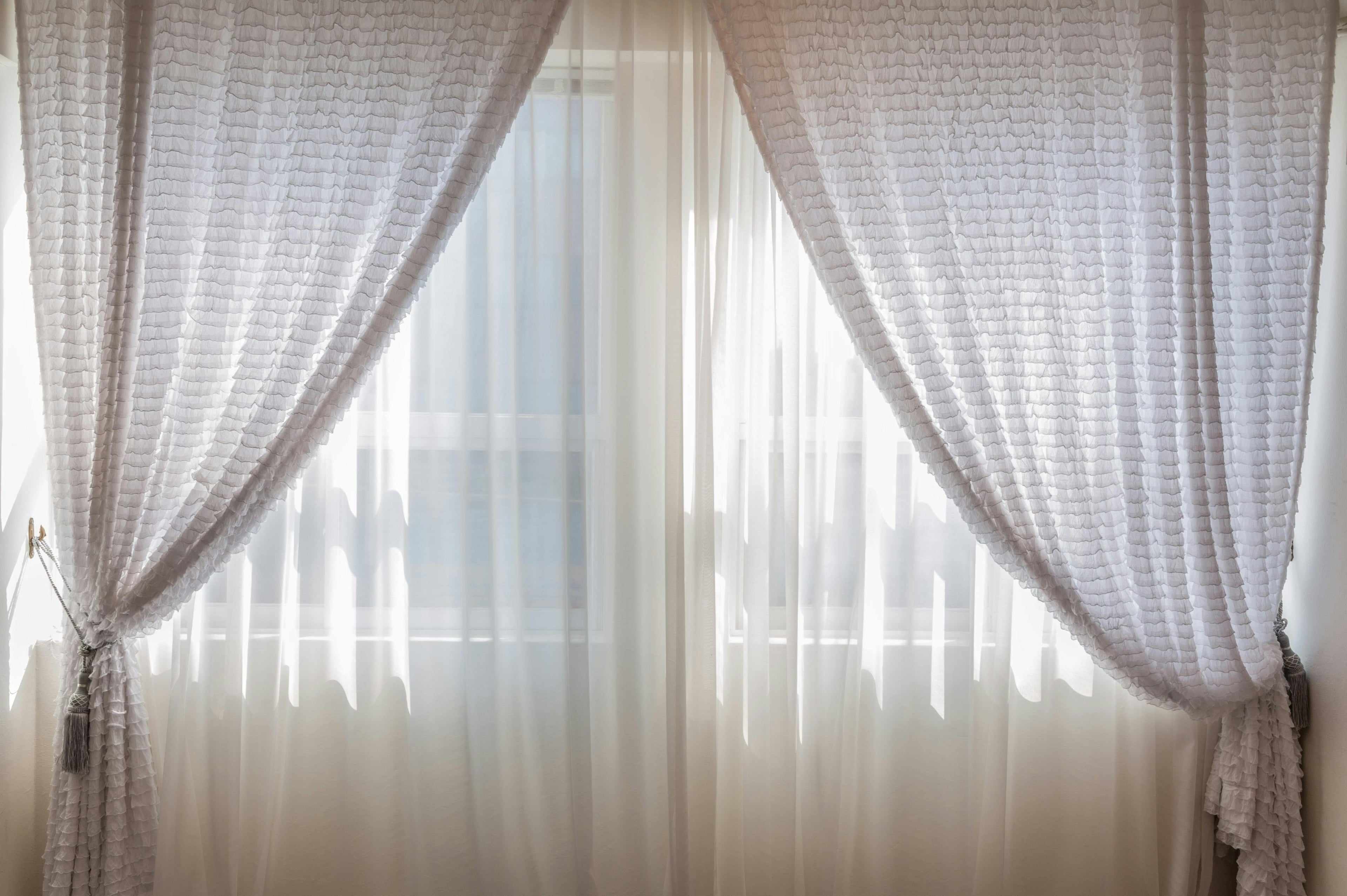
The current trend is layering. A thick blackout curtain is paired with a lighter, decorative curtain (sheer curtain, linen, cotton). This allows for modulating the light ambiance throughout the day and adding a customizable aesthetic touch.
Roller shutters and hinged shutters: the structural solution
For an integrated, robust window blackout solution offering additional security, shutters are the benchmark. The roller shutter, with its slatted curtain made of aluminum, PVC, or sometimes wood, rolls up into a box placed at the top of the window. When fully lowered, it forms a homogeneous and opaque block. Models with reinforced acoustic and thermal insulation, with cellular slats filled with polyurethane foam, are excellent for comfort.
Hinged shutters, on the other hand, bring a traditional or contemporary charm depending on their design. For perfect blackout, they must be perfectly fitted to the recess and equipped with peripheral sealing gaskets. Solid shutters (in solid wood or panels) are obviously more effective than louvered shutters.
Automation, via an electric motor, is a strong trend that adds undeniable user comfort, allowing for programming opening and closing, even remotely.
Custom and innovative solutions for perfect blackout
For atypical windows (round, triangular, angled) or when standard solutions are insufficient, custom and creative approaches should be considered.
Sliding or removable panels
This involves creating a true temporary "wall" in front of the window. Panels of wood (MDF, plywood), cork, covered with fabric or painted, can be used, sliding on a ceiling track or fitting into a frame. This solution is ideal for home cinemas or darkrooms. You can even integrate shelves or a work of art on the visible side.
Opaque adhesive films
Opaque window films or solar films offer permanent blackout directly on the glazing. They are particularly useful for bathroom windows or ground-floor French doors. Easy to apply (with water and a squeegee), they come in varying degrees of opacity and textures (matte, frosted, mirror). It is an economical and discreet solution, but irreversible without changing the glazing.
Vegetation and external sunscreens
Blackout can also come from the outside. Installing an adjustable sunshade (or "brise-soleil") in aluminum or wood helps block light and heat before they enter. Similarly, strategic planting of evergreen shrubs or climbing plants on a pergola creates a natural and evolving screen over the seasons.
Materials and performance: what to choose for which result?
The material is the heart of blackout performance. Multilayer blackout fabric is the champion of darkness in the textile domain. It is often treated to resist dust and UV. Aluminum, used in roller shutters and Venetian blinds, is non-combustible, durable, and offers good thermal insulation in cellular form. PVC is a good acoustic and thermal insulator, often used for roller blinds and shutters, but its environmental impact should be considered.
Wood (solid or composite) provides natural insulation and a warm aesthetic, whether for hinged shutters or blinds. Finally, new composite materials and insulating foams integrated into roller shutter slats offer exceptional energy performance (high thermal resistance R-value). For acoustic insulation, prioritize dense and heavy materials (thick wood, very dense fabrics) and systems with sealing gaskets.
Installation and light-tightness: the secrets of successful blackout
The best window blackout solution can fail due to poor installation. Light is sneaky and infiltrates through the smallest gaps. For installation in the recess, measurements must be precise. The use of seals, finishing profiles, and side guides is often essential. For roller blinds, a well-fixed protective box and adjusted side caps make all the difference.
For curtains, the rod or track must extend well beyond each side of the window (at least 15-20 cm) and ideally touch the ceiling. Filling the space between the track and the wall with a valance or a fixed coving eliminates top light leaks. These technical details are the key to transforming a simple drape into a true blackout screen.
Decorative integration: blacking out without weighing down the space
Blacking out a window should not mean creating a massive and dreary element. Integration into the decoration is paramount. A blackout blind can be dressed with a decorative valance. A roller shutter can be concealed in a box integrated into the ceiling or a curtain wall. Sliding panels can be covered with the same wall covering as the rest of the room (paint, fabric, wallpaper) to become invisible, or on the contrary, treated as a work of art (hand-painted, patchwork fabric collage).
For small rooms, favor light colors on the interior side of the blackout to reflect ambient light and avoid the "black box" effect. Artificial lighting then becomes crucial: consider integrating recessed LED ceiling lights or wall sconces to compensate for the lack of natural light when the blackout is activated.
Current trends: smart home and eco-friendly materials
The window blackout market is evolving with our lifestyles. Home automation is a major trend. Connected blinds and shutters are controlled via an app, a voice assistant (Google Home, Alexa), or integrated into scenarios (automatic closing at sunset, opening in the morning). Some models are even equipped with light or temperature sensors for fully automated management.
At the same time, the demand for sustainable and healthy materials is growing. Blackout fabrics made from natural or recycled fibers, blinds made from FSC-certified wood (responsible forest management), VOC-free paints for custom panels, and high-energy-performance systems to reduce heating and air conditioning consumption are increasingly popular.
FAQ: Your questions about window blackout
What is the most effective solution for sleeping in total darkness?
The winning combination is a blackout roller blind with side guides, installed in the recess, combined with a thick blackout curtain mounted on the ceiling and falling to the floor. This double layer practically eliminates any light leak. Check the light-tightness at the window corners.
Can you black out a window without drilling into the wall?
Yes, several options exist. Tension-mounted blinds (for standard windows), opaque adhesive films on the glazing, curtains on tension rods, or simply wedged removable panels are non-invasive solutions. Their absolute light-tightness performance will, however, often be inferior to a fixed installation.
How to black out a large French window or a patio door?
For these large surfaces, prioritize custom and robust solutions. A custom electric roller shutter is ideal. Otherwise, sliding panel blinds on a track or extra-heavy blackout curtains on a reinforced and motorized track will work perfectly. Consider dividing the curtain or panel into several segments for easier handling.
Does blackout impact sound insulation?
Absolutely. A dense and well-fitted blackout solution (solid shutters, wood panels, thick double curtains) constitutes an additional barrier to airborne noise (traffic, voices). For optimization, choose specific materials like cellular shutter slats with acoustic foam or special absorbent fabrics.
What is the average budget to black out a standard window?
The budget varies greatly depending on the solution. A standard blackout roller blind with installation can cost between €150 and €400. A custom roller shutter with a motor can range from €600 to €1500. Custom blackout curtains with a quality track fall between €300 and €800. DIY solutions (panels, films) are obviously cheaper but require more work.
Conclusion: Make shade a decorative asset
Blacking out a window is much more than a technical act; it is an approach that improves the comfort of living, privacy, and energy efficiency of your home. By starting with a precise analysis of your needs (darkness, privacy, insulation) and taking into account the specifics of your window, you can select the most suitable solution, whether standard or custom. Do not forget that the details of installation and light-tightness are decisive for achieving the desired performance. Finally, dare to integrate this functionality into your decor, whether through the choice of a beautiful fabric, noble wood, or connected automation. Thus mastered, shade becomes an integral part of your interior ambiance, soothing and personalized. To discover more inspiration and advice on fitting your openings, explore the other dedicated articles on ombreinterieur.fr. Check out our article how to integrate a planter box in a small 30 m² studio to go further. Find all our decor universe at Ombre Interieur.
