














Complete guide to hanging curtains with hooks
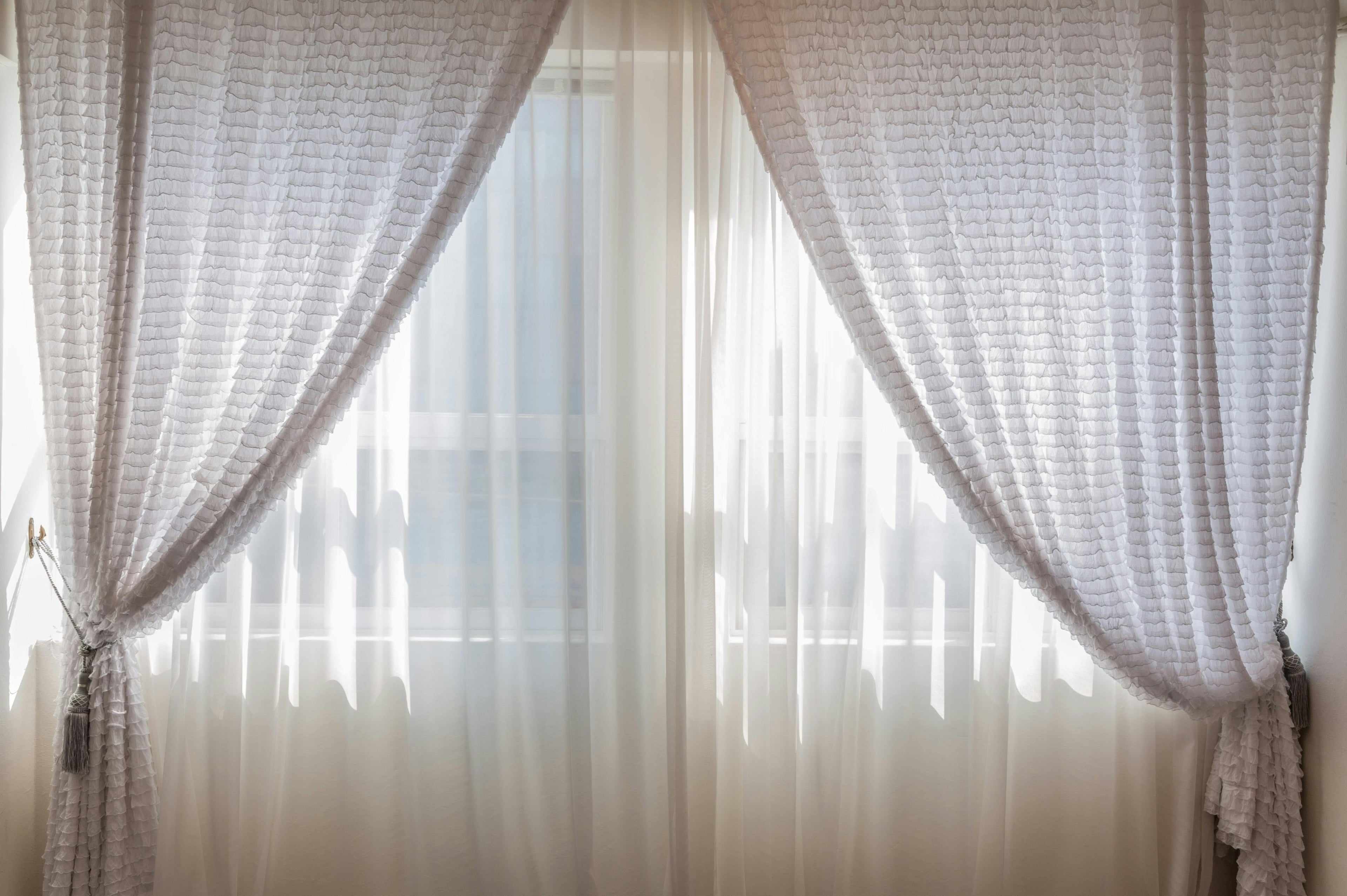
Hanging your curtains is far more than a technical task; it is the decisive gesture that seals a room’s elegance and the quality of its light. From selecting the right hooks for your fabric to mastering the precise fall of each pleat, every detail matters if you wish to avoid a slovenly drape. This subject invites you to explore decorators’ secrets for an installation that is both sturdy and refined, allowing you to transform your windows into lasting, harmonious decorative assets.
Hanging curtains with hooks may seem like a simple technical step in arranging a room, but it is actually an art that profoundly influences the final aesthetic, functionality, and even the perception of space. When mastered, this technique transforms an ordinary window into a full-fledged decorative element, bringing elegance, privacy, and light control. In an era of decorative trends that champion personalization and meticulous detail, choosing the right type of hook and knowing the hanging methods suited to each situation is paramount. This article guides you through all the subtleties of hanging curtains, from the fundamentals to professional tips, for an impeccable and lasting result.
Understanding the Curtain Ecosystem: Rod, Rings, and Hooks
Before focusing on the hooks themselves, it's essential to understand the entire system. Each element plays a specific role, and their compatibility is key to a successful installation. The curtain rod or pole is the main support. Its diameter, material, and style largely determine the type of hook that can be used.
Rings or gliders often serve as an intermediary between the rod and the hook. They allow for smooth sliding and can be a decorative element in their own right, especially with models in raw wood, brass, or matte black metal, very trendy at the moment.
Finally, the hooks are the direct link to the curtain. Their shape, size, and material must correspond to both the curtain heading (hem, rod pocket, grommets) and the suspension system (ring, direct slide on the rod). Incompatibility leads to an unstable hang, premature fabric wear, or difficulty opening and closing the panels.
The Different Types of Curtain Hooks: A Complete Guide
The market offers a diversity of hooks, each designed for a specific use. Making the right choice is the first step towards a professional result.
Pinch-Pleat Hooks (or Universal Hooks)
Extremely popular for their ease of use, pinch-pleat hooks attach directly to the top of the curtain without requiring sewing. They are ideal for light to medium-weight curtains, sheer curtains, or temporary installations. Their jaw closes onto the fabric, but it is advisable to place them on a reinforced hem to avoid marks or tears on delicate fabrics.
Grommet Hooks
Specifically designed for grommet curtains, these hooks slide into the metal or plastic rings sewn at the top of the curtain. They ensure a discreet and modern hang. There are straight or "S"-shaped models, the latter being perfect for creating clearance between the curtain and the rod, allowing for a fuller, airier drape.
Glider Hooks (for Pleater Tape or Rod Pocket)
These are the most common hooks for traditional curtains with a rod pocket (a hem through which the rod is threaded) or those equipped with integrated pleater tape. The hook attaches to the tape via the provided eyelets and is then hung from a ring or directly onto the rod. They offer excellent control over the curtain's height and pleating.
Pin Hooks (for Sewn-In Grommet Headings)
For curtains where the grommets are directly punched into the fabric (without a metal ring), pin hooks are used. Their pointed end is gently inserted into the fabric grommet. They require a bit more precision during hanging to avoid damaging the edge of the grommet.
Hooks for Clip-On Hangers
An ingenious and economical solution, often used for an industrial style or casual look. The clip-on hanger, usually made of metal, grips the top of the curtain. An "S"-hook is then used to hang the hanger from the rod. This method is perfect for heavy curtains or thick fabrics like wool or velvet.
How to Choose the Size and Material of Your Hooks?
The size of the hook is not trivial. A hook that is too short will make the curtain look "squashed" against the rod, while one that is too long will create a disproportionate space between the top of the window and the start of the curtain. The general rule is to measure the distance from the bottom of the ring (or the rod's glider) to the top of the rod itself. Add to this measurement the depth of your curtain heading (rod pocket, hem).
For a standard effect, hooks of 2 to 4 cm are usual. For a "high rod" effect that visually enlarges the window, opt for longer hooks, from 5 to 10 cm. Regarding material, robust ABS plastic is common and economical. Metal (steel, brass, aluminum) offers greater strength for heavy curtains and a more aesthetic finish. Aged brass or black iron are particularly trendy for a retro-industrial or Scandinavian look.
Essential Preparation: Measuring and Calculating Before Hanging
A successful hang starts with precise measurements. This step avoids unpleasant surprises and trips back to the store.
- Rod Width: It should extend 15 to 30 cm beyond each side of the window opening. This allows the curtains to be opened completely to let in side light without obstructing the view.
- Hanging Height: To create an illusion of ceiling height, install the rod 10-15 cm above the window frame, or even halfway between the top of the window and the ceiling. For a more classic effect, align it just above the opening.
- Curtain Length: Measure from the base of the ring (where the hook hangs) to the desired length. For a "kissing the floor" effect, subtract 0.5 cm. For a very chic "puddling" effect, add 5 to 10 cm so the fabric rests slightly on the floor. A curtain that stops abruptly halfway between the windowsill and the floor is often to be avoided, as it tends to visually truncate the space.
- Number of Hooks: As a general rule, place a hook every 10 to 15 cm on the pleater tape or rod pocket heading. A sufficient number of hooks ensures even pleating and prevents the fabric from sagging between the hanging points.
Step-by-Step Technique: How to Hang Curtains with Glider Hooks
Let's take the most common example: a curtain with pleater tape and glider hooks.
Step 1: Insert the hooks. Identify the eyelets on the tape sewn to the back of the curtain. Insert the pin of the hook into the eyelet from back to front. The curved part of the hook should be oriented downwards and point towards the outside of the window (for both panels). Ensure all hooks are at the same height on the tape for a perfectly horizontal line.
Step 2: Hang the first hook. Hang the central hook of the panel onto the central ring of the rod. This serves as a reference point. Then, hang the hooks at the ends, and gradually fill in, adjusting the spacing for even pleating.
Step 3: Adjust the drape. Once all hooks are in place, let the curtain hang naturally for 24 to 48 hours. The fabric, especially if it is heavy or newly unfolded, needs to "take its shape." After this period, adjust the hook spacing if necessary to correct any imbalances in the folds.
Common Mistakes to Absolutely Avoid
Even with the best tools, some mistakes can ruin the installation.
- Hooks Too Far Apart: This creates unsightly gaps between hanging points and irregular pleating.
- Not Letting the Curtain "Rest": Wanting to adjust the pleating immediately after hanging is a mistake. The fabric needs to relax.
- Neglecting Alignment: Hooks placed at different heights on the tape result in a crooked curtain, even if the rod is perfectly straight.
- Using Hooks Unsuitable for the Weight: Thin plastic hooks for a thick velvet curtain risk bending or breaking under the tension.
- Forgetting Lateral Space: Hanging the rod just at the width of the window blocks part of the natural light even when the curtains are open.
Current Trends: The Art of Creative Suspension
Contemporary decor revisits curtain hanging. We see mix & match of materials, like brass hooks on a driftwood rod. The trend for double rods is strong: one for sheers (hung with fine pinch-pleat hooks) and a second, further into the room, for opaque curtains. Tension cables with minimalist sliding hooks bring a clean industrial touch. Finally, using ropes or linen straps with large "S"-hooks creates a much sought-after bohemian or nautical ambiance.
Solutions for Specific Challenges
Certain situations require adapted approaches.
Very Heavy Curtains (velvet, lined): Prioritize robust metal hooks, like "reinforced glider hooks." Increase the number of hooks (every 8-10 cm) to better distribute the weight. Ensure the rod and its wall brackets are also designed to support a significant load.
Bay Windows and French Doors: Use a curved rod or a bent rail system to follow the angle. The hooks will need to be compatible with this often narrower gliding system. A corded track can be an elegant and practical solution for opening large curtains effortlessly.
Drywall Walls: It is imperative to fix the rod brackets into the metal studs or to use specific drywall anchors (Molly/toggle bolts). A poorly fixed bracket will pull out under the weight of the curtains and loaded hooks.
Maintenance and Care: Keeping Your System in Perfect Condition
To ensure your curtains slide silently and your hooks don't rust, a minimum of maintenance is necessary. Dust the rod and rings regularly. For metal hooks, a dry cloth is usually sufficient. If they are very dirty, a slightly damp cloth with a bit of mild soap, followed by immediate drying, will do the trick. Check the tightness of the rod's wall brackets annually. If your plastic hooks become brittle over time (aging phenomenon), replace them before they break.
FAQ: Answers to Your Questions About Hanging Curtains
What is the difference between an S-hook and a straight hook?
The "S"-hook is a universal link. It allows you to hang a ring (attached to the curtain) from a rod, or to add height between a hanger and a bar. It creates clearance. The straight hook (or glider hook) is designed to insert directly into the curtain's tape and hang from a ring itself sliding on the rod. It is more discreet and integrated into the system.
Can you use pinch-pleat hooks on all types of curtains?
No, they are recommended for light to medium-weight fabrics and for short durations. On thick fabrics, the clips won't hold well. On delicate fabrics (silk, satin), they can leave permanent marks or damage the fibers. For a definitive and neat installation, prioritize a system with tape and appropriate hooks.
How to hide the hooks once the curtains are hung?
The curtain heading is normally designed for this. A rod pocket (a hem) completely conceals the rod and hooks. With grommets or pleater tape, the hooks remain partially visible when the curtain is drawn back, but they are an integral part of the style. For a more concealed effect, you can add a valance or a decorative pelmet above the rod.
My curtains don't slide well on the rings, what should I do?
This can come from several factors: misaligned hooks rubbing against each other, rings with too small a diameter for the rod, or an accumulation of dust and oxidation on a metal rod. Clean the rod, check the ring/rod compatibility, and ensure the hooks are all oriented in the same direction.
How many hooks should be planned per meter of curtain?
This depends on the desired type of pleat and the fabric weight. For a standard pleat with pleater tape, plan for between 7 and 10 hooks per linear meter of curtain (i.e., one every 10 to 14 cm). For a fuller, more supported pleat, or for a heavy fabric, you can go up to 12 hooks per meter (one every 8 cm). Also follow the tape manufacturer's instructions.
Conclusion: Mastering the Details Makes the Difference
Hanging curtains with hooks is much more than a manual task; it is the final step that brings your decorative project to life. From the meticulous choice of hook type to the precision of measurements and the patience of adjustment, every detail counts to achieve that perfect fall, that silent glide, and that elegance that seems natural. By mastering these techniques, you gain autonomy and can fully express your style, whether classic, contemporary, or bold. Remember that curtains are the clothing of your windows – and like a well-tailored garment, their fit depends on the quality of their hang. To discover more inspiration and practical guides for transforming every corner of your home, explore the many resources available on ombreinterieur.fr without delay. Check out our article how to whiten curtains to go further. Visit ombreinterieur.fr to explore the entire catalog.
