

















How to hide a cable trunking on a wall: tips and solutions
In your home, every detail contributes to visual harmony, yet a simple cable trunking can be enough to disrupt that balance. Far from being inevitable, this utilitarian element lends itself to creative solutions that marry aesthetics with practicality. Harmonious paintwork, trompe-l’œil effects, or architectural integration—there are numerous ways to blend this constraint seamlessly into your décor. You will discover how to transform this technical detail into a discreet asset, without compromising the practicality or safety of your installation, ensuring your space remains both functional and serene.
Electrical conduits, those plastic channels that run along our walls to hide cables, are a practical but rarely aesthetic solution. In a well-kept interior where every detail counts, their presence can disrupt the harmony of a room and draw the eye to elements one would prefer to be invisible. Fortunately, there are a multitude of techniques, ranging from simple tricks to structural transformations, to know how to hide a conduit on a wall effectively and decoratively. This article is your complete guide to integrating these technical elements into your decor, exploring methods suitable for all levels of DIY and all interior styles. We will see how to transform this constraint into a creative opportunity.
Understanding the electrical conduit: constraints and opportunities
Before concealing it, it is essential to understand what a conduit is and why it is there. A conduit, or skirting board duct, is a hollow profile, usually made of PVC, fixed to the wall. Its function is to protect and channel electrical, telecommunications, or computer cables. Its main advantage is its ease of installation and modification without major work. However, its industrial appearance and its protrusion from the wall make it a visually disturbing element.
The first step to hide a wall conduit is to assess its location, size, and the cables it contains. A conduit behind a desk or television is more acceptable than one running across the middle of a bare wall. This analysis will determine the most suitable method: pure camouflage, decorative integration, or permanent removal. It is also crucial to never obstruct access to the cables for safety and future maintenance reasons.
Paint: the simplest and most economical solution
The most immediate method to lessen the presence of a conduit is to paint it the same color as the wall. This visual harmonization technique is remarkably effective. It does not make the relief disappear, but it blends the object into the decor by removing the color contrast, often white on a colored wall.
For a professional result, start by cleaning the conduit with a damp cloth to remove dust and grease. Lightly sand the smooth PVC surface with fine sandpaper (180 grit) to allow the paint to adhere much better. Then apply a primer suitable for plastics. Finally, use exactly the same paint as that of your wall, preferably a matte paint or satin finish which camouflages imperfections better than glossy finishes. This trick is perfect for electrical conduits located high up or in less visible corners.
Creating a trompe-l'oeil or graphic effect
To go further than simple camouflage, paint can become a creative tool. You can paint the conduit a contrasting color but chosen to create a graphic line that structures the space. In a room with clean lines, a black or anthracite gray conduit on a white wall can add a modern and intentional touch.
Another bold idea is trompe-l'oeil. On a wall with a molded skirting board at the bottom, you can extend the molding pattern by painting shadows and reflections on the conduit itself, giving the illusion that it is an integral part of the architecture. This technique requires some skill but radically transforms the perception of the object.
Integration through the creation of niches and wall reliefs
If you are ready to undertake more significant work, creating a niche or relief in the wall is the most accomplished solution to conceal a conduit permanently. This method involves recessing the conduit into a channel made in the wall, or building a new partition wall in front of it.
For perfect integration, it is possible to chisel a channel into a plaster or brick wall (after checking for the absence of existing pipes), place the cables in an ICTA conduit inside, and then fill it with plaster. The conduit then becomes unnecessary. This is the most aesthetic but also the most technical solution, often reserved for complete renovations.
A less invasive alternative is the construction of a false partition wall using plasterboard (drywall) in front of the existing wall. This hollow space allows all cables to be run and creates a perfectly smooth wall. You can even take the opportunity to integrate storage, like a bookshelf or illuminated niches. This technique is ideal for hiding cables and conduits on an entire wall and completely redefining the space.
Camouflage using decorative elements and furniture
The most accessible strategy for everyone is to use existing or added decorative elements to mask the conduit. This is an intelligent approach that combines functionality and aesthetics.
- The bookshelf or shelf: A large bookshelf placed against the wall is the perfect screen. Just make sure to drill holes judiciously in the back of the furniture to pass the cables through to the outlets.
- The sofa or large piece of furniture: A sofa with its back to the wall, a tall chest of drawers, or a sideboard can very naturally conceal a conduit located low on the wall.
- Green plants: A large climbing plant on a support or a large pot with a ficus or a monstera can create a dynamic and soothing green screen that diverts the gaze.
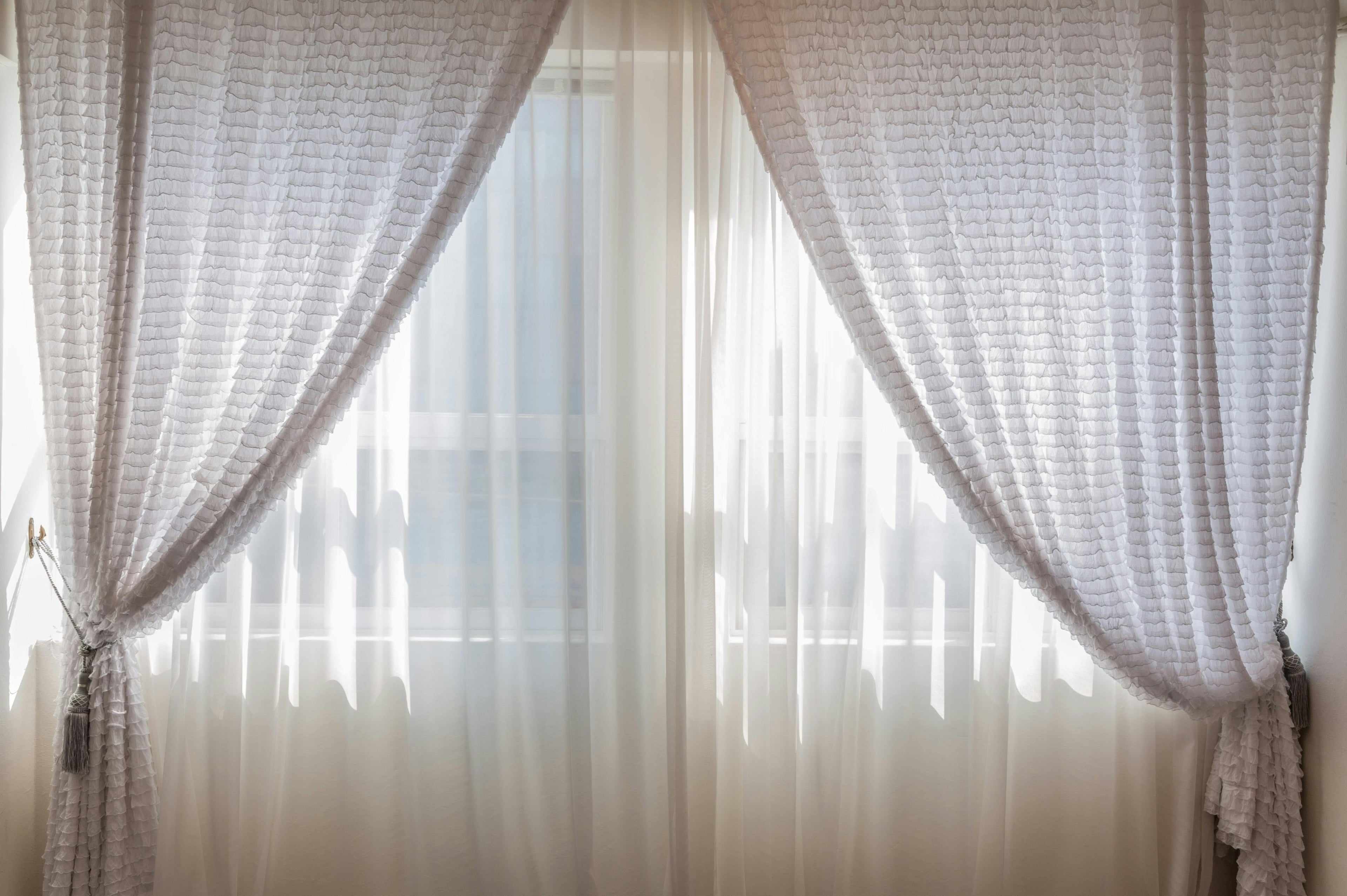
- Drapes and fabrics: A beautiful curtain hanging from ceiling to floor along the wall, a tapisstry or a textile artwork can hide a conduit while adding texture and warmth to the room.
Transforming the conduit into an active decorative element
Why settle for hiding when you can enhance? This philosophy invites us to consider the conduit not as a problem, but as the support for a new decorative function.
A current trend involves fixing an LED strip inside a wide and deep conduit. The conduit then becomes a diffuser of indirect light, projecting a soft glow onto the ceiling or wall. Simply choose a conduit with a translucent cover or replace the original cover with a sheet of opaline polycarbonate.
Another idea: use the top of the conduit as a narrow shelf! Securely fix a wide and robust conduit, then place small decorative objects on it: figurines, small succulent plants in miniature pots, or a collection of tea light candles. It transforms into a unique display line.
Specific solutions for television and home cinema
The living room wall where the television sits is often the most cluttered with cables and conduits. For a clean and sleek result, a systematic approach is necessary.
The cleanest solution remains to run the cables inside the wall, behind the screen, to an outlet and a junction box placed at the desired height. If work inside the wall is impossible, opt for a design conduit for TV cables. There are now models in brushed aluminum, real wood, or painted in trendy colors that are intended as a design element. Some are even magnetic, allowing for ultra-easy configuration changes.
For home cinema installations, consider using compartmentalized conduits that separate high-voltage cables (power) from low-voltage cables (HDMI, audio), to avoid interference. Camouflage can then be done by integrating these conduits into a custom media unit or a wooden structure covering the entire TV wall.
Materials and trends for discreet or design conduits
The market has evolved and now offers much more than simple white PVC. For those installing a new conduit or wishing to replace an existing one, here are the options available to you:
- Aluminum conduits: Sleek and modern, they come in many finishes (brushed, black, white, metallic color). Perfect for an industrial style or contemporary look.
- Wood or wood-clad conduits: They can be glued directly onto an existing skirting board or perfectly imitate paneling. Ideal for Scandinavian, rustic, or traditional interiors.
- Extra-flat and adhesive conduits: Designed for flat cables (like HDMI cables), they are fixed with very strong double-sided adhesive and are almost invisible once painted. The ultimate minimalist solution.
- Colored or customizable conduits: Some brands offer conduits in Pantone colors or with interchangeable covers, allowing for a real decorative choice.
Mistakes to absolutely avoid
In the desire to hide a conduit on a wall, it is easy to make mistakes that can be unsightly or dangerous.
First mistake: completely obstructing access to the cables. A conduit must be able to be opened in case of troubleshooting, adding, or removing a cable. Do not permanently seal it under a thick layer of plaster without having provided another means of access.
Second mistake: ignoring electrical standards. Never run electrical cables under a carpet, in a simple wooden molding, or behind a skirting board without protective conduit. The risk of fire or premature cable wear is real.
Third mistake: the choice of flammable materials. Avoid using polystyrene, cardboard, or untreated fabrics in direct contact with a conduit containing power cables that can heat up.
FAQ: Answers to frequently asked questions about concealing conduits
Can an electrical conduit be recessed into a wall?
Yes, but this should not be improvised. Technically, it is not the conduit itself that is recessed, but the cables it contains. You need to chisel a channel into the wall, place the cables in a mandatory rigid conduit (ICTA), and then fill it with plaster. This operation, subject to standards (particularly on the depth of recessing), is often considered a modification of the electrical installation. It is strongly recommended to call a professional electrician, especially if you are not familiar with this type of work.
What is the quickest solution to hide an unsightly conduit?
The quickest and cheapest solution is undoubtedly paint. By painting the conduit the same color as the wall, you immediately remove the contrast effect that makes it visible. For an optimal result in less than a day, combine this method with camouflage using a piece of furniture or a large plant strategically placed in front.
Are there invisible or almost invisible conduits?
Yes, extra-flat adhesive conduits are designed to be as discreet as possible. Very thin (a few millimeters thick), they are fixed directly onto the wall and are intended for flat cables like TV cables. Once painted the color of the wall, they blend in almost perfectly. There are also conduit systems integrated into skirting boards, but these require installation when laying the flooring.
How to run cables in a wall without a conduit and without major work?
Several alternatives exist to avoid the classic conduit. You can use decorative wooden moldings (like half-round) fixed at the top of skirting boards or in a wall corner. The cables are concealed behind. Another option: hollow skirting boards specially designed for cable routing. Finally, for a perfectly smooth wall, the only solution without work is to use a cable management system placed behind the TV unit (like a TV mount with integrated cable pass-through) and run the cables directly down to the outlet closest to the floor.
Is it dangerous to paint on an electrical conduit?
No, painting the cover of a conduit is not dangerous in itself, provided a few precautions are taken. Always unplug the concerned appliances before any handling. Carefully remove the cover to paint it separately; this will avoid getting paint on the cables or inside the conduit. Use suitable paint (primer for plastic) and make sure the cover is completely dry before putting it back in place to avoid any risk of short circuit.
Conclusion: From technical constraint to decorative touch
Hiding a conduit on a wall is much more than a simple DIY operation; it is an opportunity to rethink the harmony of your space. Whether you opt for the simplicity of suitable paint, the ingenuity of camouflage using furniture, or the ambition of structural integration, each solution contributes to a more calming and coherent interior. The current trend is no longer about concealment at all costs, but about intelligent integration, sometimes even about enhancing the object. Do not be afraid to experiment and consider this horizontal line not as a flaw, but as the starting point for a new decorative idea. To discover more inspirations and custom solutions for arranging every corner of your home, explore without delay the many resources available on ombreinterieur.fr. Fall in love with Rideau Pour Fenetre Sur Rue, a real plus for your interior. Before choosing, browse how to fix a curtain rod on a wardrobe. Discover our entire decor universe on Ombre Interieur.
