














Choosing a sofa cover: complete guide to materials and styles
Your sofa, the centrepiece of your living room, deserves a second life. Rather than replacing it, why not dress it in a slipcover? This simple, budget-friendly gesture transforms the room’s atmosphere without renovation or expense. Fabric, cut, care—every detail matters for a harmonious, lasting result. Let us guide you in choosing the cover that will unlock your seat’s potential, restoring character to your interior while preserving your daily comfort. The tactile pleasure of linen or the softness of velvet can redefine your space, making it feel renewed and inviting.
The sofa is the beating heart of your living room, the place for all comforts, family moments, and solitary relaxation. But over time, even the most beautiful seat can show signs of wear: stubborn stains, fabric wear, or simply a style that no longer suits you. Replacing an entire sofa represents a significant investment. Fortunately, there is a clever, economical, and surprisingly creative solution: the sofa cover. Much more than simple protection, it has become a full-fledged decorative accessory, offering a second life to your furniture and a new identity to your interior. Choosing the right cover, however, is not trivial. Between materials, cuts, colors, and compatibility with your sofa model, there are many parameters. This article guides you step by step to make the perfect choice, combining aesthetics, practicality, and durability.
Why Invest in a Sofa Cover? The Decisive Advantages
Before diving into the heart of the matter, let's understand why a cover is much more than a cover-up. It's a powerful transformation tool. First, it offers incomparable protection against everyday accidents: wine stains, pet claws, children's crayons. It thus preserves the original value and beauty of your sofa.
Second, it is the ideal solution for a quick and economical refresh. Want to switch from a classic style to a bohemian spirit, or update your living room with seasonal colors? Simply change the cover. It's a much more flexible and sustainable approach than succumbing to the fleeting whims of fast-fashion decor.
Finally, from a circular economy perspective, it significantly extends the lifespan of your furniture. You thus avoid sending a still-functional sofa to the landfill, making a concrete gesture for the planet. It's responsible and thoughtful decoration.
Step 1: Taking Measurements, the Key to a Perfect Fit
The first, and most crucial, step is to measure your sofa with extreme precision. An ill-fitting cover will be a nightmare to install and will give a sloppy appearance, with unsightly wrinkles or overly taut fabric.
Get a tape measure and meticulously note the following dimensions in centimeters: the total width from one armrest to the other, the back height (from the seat to the highest point), the seat depth (from the front of the cushion to the back), and the height of the armrests. For corner sofas, measure each section (chaise and ottoman) independently.
Also check the website of your sofa manufacturer, if you know it. Many cover brands now offer databases listing the most common sofa models (IKEA, Conforama, Maisons du Monde, etc.) with their exact references. This guarantees a custom fit without the hassle.
Step 2: Choosing the Material, Between Feel, Durability, and Care
The material is the criterion that will determine the look, feel, and ease of care for your cover. Current trends offer a rich panorama.
Linen and Cotton, the Reliable Natural Choices
Linen is the star of contemporary interiors. Its slightly wrinkled and textured appearance brings a touch of authenticity and casual refinement. Naturally thermoregulating, it's cool in summer and soft in winter. Cotton, softer and often less expensive, offers a great variety of weaves, from stretch jersey to thick fabric. Opt for linen-cotton blends or recycled cotton for a good compromise between durability and ecology.
Velvet, the Return of Glamour
Velvet is making a spectacular comeback. It brings an incomparable tactile dimension and beautiful color depth. Ideal for creating a cozy, chic, or retro ambiance. Choose a quality synthetic velvet (like polyester) for better resistance to friction and easier care than pure cotton velvet.
Technical and Innovative Fabrics
For active households (with children, pets), turn to technical fabrics. Ultra-durable microfibers, stain-resistant and water-repellent/breathable treated fabrics (like those used for high-end sofas) are valuable allies. Polyamide and polyester offer great durability and often hypoallergenic properties. The trend is also towards fabrics imitating leather (vegan faux leather) for a modern look that's easy to clean.
Step 3: The Cut and Style, the Soul of Your Transformation
The way the cover hugs the shapes of your sofa defines its elegance. There are mainly two types of cuts.
The fitted cut or "tailored" is the most sought-after. It perfectly hugs every curve of your sofa, like a second skin. It is usually secured with elastic under the seat and sometimes straps or ties. This style gives a neat, sophisticated, and integrated finish, as if the sofa was originally upholstered in this fabric.
The draped cut or "loose" offers a more relaxed, bohemian, or Scandinavian look. It rests on the sofa with a certain ease, creating soft, organic folds. It is often easier to install but may shift more with use. It's an ideal choice to hide a sofa with slightly dated shapes or to add a touch of softness and texture.
Also consider the details: some covers offer integrated pockets on the armrests, a truly practical plus. Others have an invisible closure system (zipper hidden under a flap) for an even more seamless look.
Step 4: Color and Pattern, the Expression of Your Personality
This is the moment for pure creativity. The cover allows you to experiment risk-free. 2026 trends oscillate between very distinct worlds.
Neutral and earthy tones remain unbeatable for a soothing and timeless base: sand beige, flecked gray, sage green, deep taupe. They go with everything and allow you to vary accessories (cushions, throws) as desired.
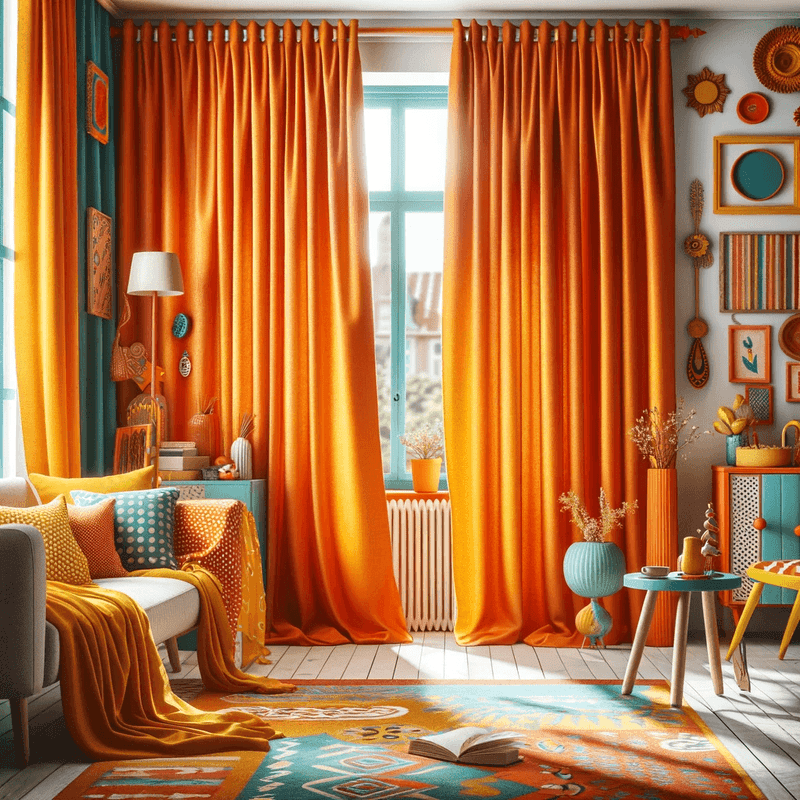
Conversely, dare to use a block color to make your sofa the focal point of the room. An intense duck blue, a warm terracotta, a luxurious emerald green, or an energizing mustard yellow. This boldness works particularly well in interiors with neutral walls.
In terms of patterns, stripes (especially vertical ones to enlarge the space) and subtle geometric patterns are popular. For a maximalist or ethnic style, tribal prints or large-scale botanical motifs are making a comeback. A tip: if your cover is very graphic, keep the rest of the decoration more subdued to balance it.
Step 5: Compatibility and Specific Models
Not all sofas dress the same way. This step is crucial to avoid bad surprises.
For a corner sofa, check that the cover is indeed designed for this model, with separate pieces for the chaise and ottoman, and possibly a specific corner piece. The fit is more complex.
Sofas with integrated footrests (like a sofa bed) require special covers, often in several parts, that allow the mechanism to move without tearing the fabric.
For convertible sofas (sofa beds), prioritize soft and stretchy materials like jersey, which can adapt to transformations without constraint. Check the ease of removal for washing, as these sofas are often heavily used.
Finally, for small sofas or benches, a custom-made cover can completely redesign their proportions and integrate them harmoniously into a new layout.
Caring for Your Sofa Cover: Best Practices
For your investment to last, proper care is essential. Always start by reading the manufacturer's care label.
Most covers in cotton, linen, or synthetics are machine washable at 30°C or 40°C. Use a delicate cycle and avoid the tumble dryer to prevent shrinkage. Hang it or lay it flat while slightly damp to facilitate ironing, if necessary (linen appreciates a light ironing).
For delicate fabrics like some velvets or covers with integrated lining, dry cleaning may be recommended. For regular maintenance, regular vacuuming with a brush attachment and spot treatment of stains with a mild textile shampoo are your best allies.
A tip: if you have pets or children, consider purchasing two identical or complementary covers. You can then alternate them during washes and always have a presentable sofa, or have a spare one in case of a major accident.
Where to Buy Your Sofa Cover? Guide to the Best Options
The market has developed considerably, offering solutions for all budgets and tastes.
- Online specialists: These brands have established themselves as leaders in the sector. They often offer a wide choice of fabrics (from basic to premium), online configuration tools, detailed measuring guides, and customization services (matching cushions). Their expertise is valuable.
- Major home furnishing retailers: They sell often standard covers, suited to their own sofa models or generic dimensions. It's a convenient and often economical option, but the fit may be less perfect on models outside their catalog.
- Custom order from an upholsterer or a creator: For a sofa with atypical shapes or for an exceptional fabric, calling on a professional is the ultimate solution. You can choose from hundreds of samples and get a perfectly integrated result, although more expensive.
- Marketplaces: You can find everything there, from low-end covers to unique artisanal pieces. Be vigilant: scrupulously check reviews, advertised materials, and return policies before buying.
FAQ: Your Frequent Questions About Sofa Covers
Can a cover really protect my sofa from cat hair?
Absolutely, and it's even one of its main functions. Opt for tightly woven fabrics like certain microfibers, synthetic velvet, or thick woven cotton. These materials offer less grip for claws and hair clings to them less than to a loose-knit fabric like jersey. The advantage is that the cover washes easily, eliminating allergens and hair in one cycle.
Can you put a cover on a leather sofa?
Yes, it's entirely possible and can even protect the leather from direct light which dries it out. However, two precautions are necessary. First, ensure the cover is well secured (strong elastic, straps) because leather is a smooth surface on which fabric can slide. Second, avoid materials that are too rough or abrasive which could, over time, mark the sensitive leather underneath.
How to keep a cover that constantly slips in place?
This common problem has several solutions. First, check the sizing; a cover that is too large will inevitably slip. Then, you can add accessories: double-sided adhesive hook-and-loop tape (to sew onto the cover and stick discreetly onto the sofa), elastic straps with hooks to pass under the seat, or a non-slip gripper pad (like "Gripper") to place between the sofa and the cover. These discreet solutions are game-changers.
Cover or throws/cushions: what is the best decor strategy?
They are complementary tools, not opposing ones. The cover acts as the "skin" of your sofa, defining its base color and style. Throws and cushions are the accessories that add layers of texture, accent color, and comfort. You can thus have a neutral cover that you dress with colorful cushions according to the seasons, or a very graphic cover that you balance with solid-colored cushions. One does not preclude the other; they marry perfectly.
Are covers eco-friendly?
Their impact is generally much lower than buying a new sofa. To maximize their ecological virtue, prioritize natural materials (linen, organic cotton, hemp) or recycled ones (recycled polyester). Choose brands with a responsible approach (non-toxic dyes, local or European production). Finally, by extending the life of your furniture by several years, you directly reduce your consumption and waste. It's a smart choice for a more slow and conscious decor.
Conclusion: The Cover, the Accessory That Redefines Your Living Space
Choosing a sofa cover is much more than a practical purchase; it's an act of creation and renewal for your interior. By following this detailed guide – from meticulous measurement taking to the thoughtful choice of material and color – you are equipped to make a choice that perfectly combines functionality and aesthetics. Whether you want to protect a precious sofa, revamp a tired piece of furniture, or simply express a new facet of your decor style, the cover proves to be the most flexible, economical, and durable solution on the market. It perfectly embodies the spirit of evolving decoration, where you can change the mood without changing the foundations. So, let your inspiration run free and dare the transformation. To discover even more ideas and tips for reinventing every room in your home, explore the other guides and trends on ombreinterieur.fr right away. Among our favorites, find the Housse De Coussin Chenille Epaisse Nordique Pour Canape Decor. Check out our article comment choisir la couleur de sa tringle a rideau to go further. Visit ombreinterieur.fr to explore the entire catalog.

