
















How to Organize a Baby's Room: Complete Guide
Preparing for a baby's arrival is an exciting adventure, and designing their first cocoon is one of the most heartwarming chapters. Organizing a nursery goes far beyond aesthetics; it's about creating a safe, functional, and soothing space that will evolve with your child during their early years. Between safety requirements, storage needs, and the desire for a harmonious environment, the challenges are numerous. This article guides you step by step to design an optimal nursery, incorporating current trends and timeless principles of successful room planning.
The Fundamentals of Safety: An Absolute Priority
Before any decorative considerations, safety must guide every decision. The nursery is an environment where risks must be anticipated and eliminated. This begins with a methodical approach to the space.
The crib is the central element. Choose a crib that meets current standards (European standard NF EN 716), with bars spaced between 4.5 and 6.5 cm to prevent the baby's head from getting stuck. The mattress should be firm and perfectly fitted to the crib's dimensions, with no gaps on the sides. Absolutely avoid thick bumpers, duvets, pillows, and stuffed toys in the crib before the age of 12 months to prevent the risk of suffocation and Sudden Infant Death Syndrome (SIDS).
Securing the Overall Environment
Every detail matters. Securely anchor tall furniture (dresser, wardrobe) to the wall to prevent tipping hazards. Use outlet covers on all electrical sockets. Blind and curtain cords must be out of reach, ideally using cordless systems. Install corner guards on furniture with sharp edges and door or window stoppers to prevent finger pinching. Finally, maintain a consistent room temperature, around 18-20°C, and ensure good ventilation.
Zoning and Flow: Structuring the Space for Greater Serenity
A well-organized nursery relies on smart zoning. By delineating dedicated areas for specific activities, you create a logical and calming space for both baby and parents. This organization streamlines daily routines like diaper changes, sleeping, and playtime.
Identify three main zones: the sleep zone, the changing and dressing zone, and the activity zone. Ideally, arrange them to create a natural, clutter-free flow. The sleep zone, the quietest area, should be away from the door and direct noise sources. The changing zone, which requires quick access to supplies, should be near storage. The activity zone can occupy the central space or a bright corner.
Also consider the parents' "activity triangle." When you enter at night for a bottle or diaper change, the path between the crib, changing table, and any bottle preparation area should be clear, requiring minimal steps and blinding light. A small, soft nightlight can be strategically placed to illuminate this path without fully waking the baby.
Choosing Essential Furniture: Minimalism and Versatility
In a nursery, less is often more. Prioritize quality, durable, and versatile furniture that can accompany the child for several years. This approach is both economical and eco-friendly.
A convertible crib that transforms into a toddler bed is a wise investment. A sturdy dresser with a secure, removable changing top is often more practical than a dedicated changing table, which has only temporary use. For storage, a spacious wardrobe or closet is essential. Consider shelf height: use higher shelves for storing larger-sized items or supplies, and keep everyday essentials within easy reach.
A comfortable armchair or rocking chair is a must-have for breastfeeding, bottle-feeding, or evening cuddles. Finally, a low open shelf or cabinet can hold a few activity toys and books, remaining accessible for the child later on.
Optimizing Storage: The Key to an Always-Ready Room
Clutter generates stress. With a baby, items (clothes, diapers, care products, toys) accumulate at an astonishing rate. A well-thought-out storage system is your best ally for keeping the room serene and functional.
- Storage by category and frequency of use: Keep diapers, wipes, and everyday onesies within immediate reach on the changing table. Store current season clothes in easily accessible drawers. Out-of-season or larger-sized clothes can be stored in clear, labeled boxes placed on high wardrobe shelves.
- Modular solutions: Use drawer dividers for small items (socks, bibs). Wicker or fabric baskets are perfect for toys, stuffed animals, or laundry. They add warmth and are easy to move.
- Utilize vertical space: Install sturdy wall shelves to display pretty books or decorative boxes. A wall-mounted clothes rack at child height can be useful later for choosing outfits.
- Open storage: For toddlers, open bins on the floor allow easy access to toys and encourage independence during cleanup, a habit to instill early.
Lighting: Creating a Soft and Suitable Ambiance
Lighting is a powerful tool for structuring the day and promoting sleep. It should be adjustable and soft. Avoid single, overly bright ceiling lights that create harsh light.
Plan for three types of lighting: a dimmed general light (a pendant light with a dimmer or a ceiling light with indirect light), a task light for care and reading (a bedside lamp or a wall sconce directed towards the wall for a soft light effect), and a nightlight. Motion-sensor or adjustable-intensity nightlights are ideal for nighttime checks without disrupting the sleep cycle.
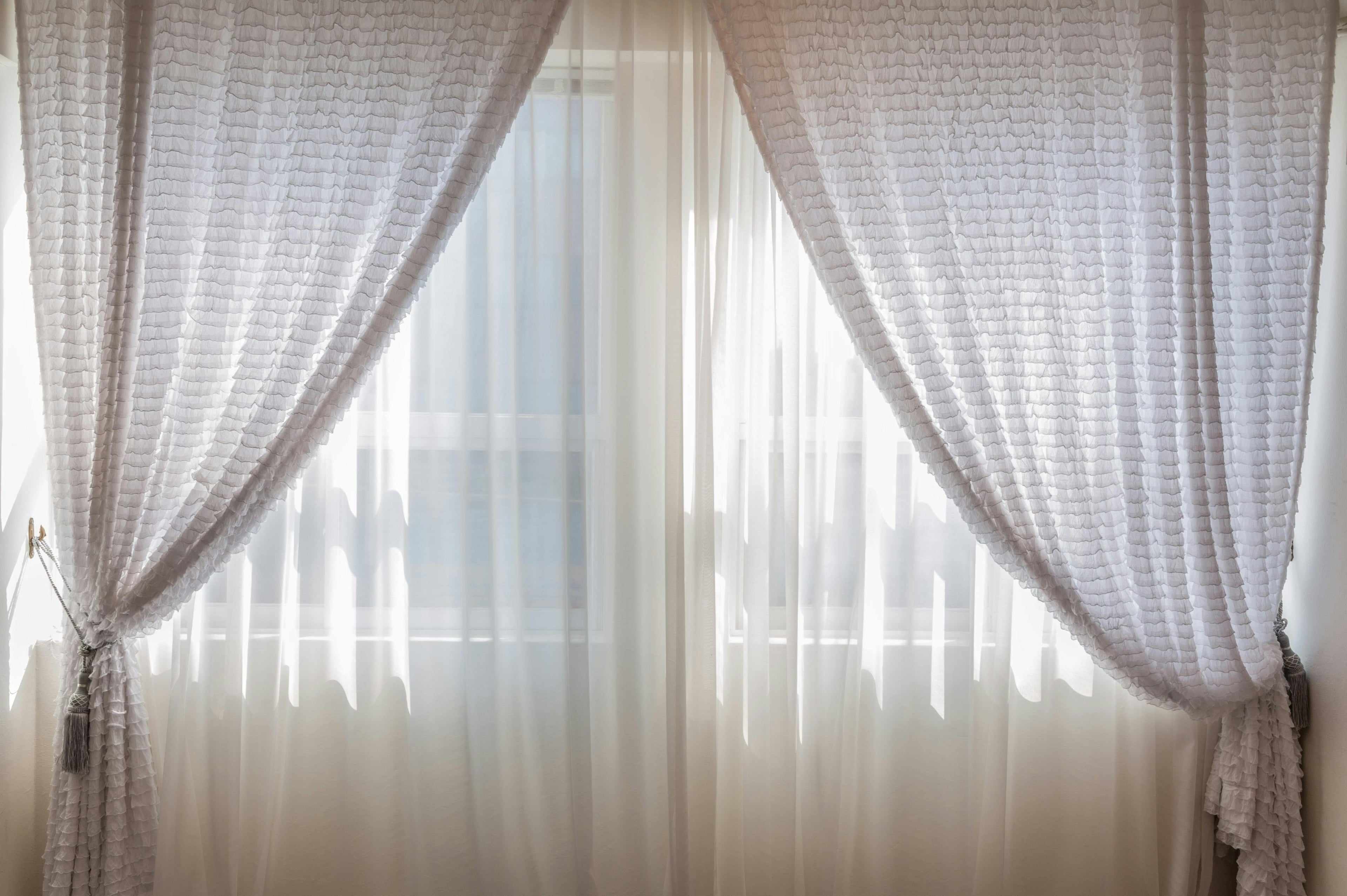
Maximize natural light during the day. Choose opaque but not totally blackout curtains or blinds for naps, and light sheer curtains to diffuse a beautiful soft light. Current trends favor organic shapes, natural materials like paper or fabric, and warm color temperatures (2700K-3000K) for a cocooning light.
Colors and Ambiance: The Art of Soothing
Long confined to pink and blue, the nursery world has significantly expanded. The priority is now to create a calming yet stimulating ambiance, conducive to rest and sensory development.
Soft and neutral color palettes dominate: beiges, very light grays, off-whites, sage greens, and pastel terracottas. These tones form a serene and timeless base on which it's easy to add pops of color through textiles, accessories, and artwork. This approach allows the decor to evolve without repainting everything.
There is a strong return of patterns, but in a subtle way: discreet stripes, delicate polka dots, botanical motifs (leaves, flowers), or soft geometric patterns on a single wall or in the bedding. The focus is on creating a rich but not overwhelming sensory atmosphere, with soft-to-the-touch materials like organic cotton, linen, wool, and velvet.
Current Trends: Sustainability, Naturalness, and Personalization
Nursery decoration follows major interior design trends, with an increased focus on health and the environment.
Sustainability is a key principle. Choose furniture made from solid wood (beech, oak, pine) from sustainably managed forests (FSC certified), water-based paints with near-zero VOC (Volatile Organic Compounds) levels to ensure optimal air quality, and textiles made from untreated natural fibers (cotton, linen, wool).
The natural and organic aesthetic is everywhere. Rounded, soft shapes, raw materials (rattan, wicker, ceramic), nature-inspired patterns, and an abundance of non-toxic green plants (like Boston fern or pothos) create a connection with the outdoors.
Finally, personalization is on the rise. We move away from overly childish and standardized themes to create a unique universe. This includes framed artwork, calligraphed wooden names, handmade mobiles, or rugs with original shapes. The idea is to create a room that reflects the family and will grow with the child.
Preparing for the Future: A Room that Grows with the Child
Anticipating evolving needs is the key to successful and economical room planning. In just a few years, a newborn becomes a toddler and then a child, with changing activities and requirements.
Choose convertible furniture from the start. A co-sleeping crib that transforms into a junior bed, a dresser that will always be useful, a removable changing table. Reserve floor space for future building blocks. Think about the location of a small desk or activity table for later.
Wall decor can also be designed to last. Prefer high-quality removable wall stickers over a themed wallpaper that will quickly become outdated. Choose neutral wall colors and add flair with easily interchangeable elements: cushions, throws, curtains, rugs, and artwork. This way, by changing a few accessories, you can transform the room without any renovation work.
FAQ: Frequently Asked Questions About Nursery Organization
When should I start setting up the nursery?
It is recommended to start painting and major furniture assembly during the second trimester of pregnancy. This allows enough time for any paint odors to completely dissipate (even with eco-friendly paints) and avoids the stress of the final weeks. Furniture assembly and final decoration can extend into the third trimester.
Is a changing table absolutely necessary?
No, it is not mandatory. Many parents prefer a dresser with a padded, secure changing top attached. This offers the advantage of having clothes and changing supplies within easy reach directly in the drawers, and the dresser will remain useful long after the diaper-changing period. The key is to have a surface at a good height for your back comfort.
How do I choose a rug for the nursery?
Choose a rug made from natural fibers (wool, cotton, jute) which are less likely to release particles and are easier to maintain. Ensure it has a non-slip backing. Round or organic shapes and soft colors are very trendy. The rug will quickly become an essential play and activity area.
What is the ideal temperature for a baby's room?
The recommended temperature is between 18°C and 20°C. It is better to keep the room slightly cooler and dress the baby in a season-appropriate sleep sack (TOG rating) rather than using too many blankets in the crib. A simple room thermometer will help you monitor this crucial parameter, especially in winter.
Can I put plants in a nursery?
Yes, as long as you choose air-purifying and non-toxic plants. Plants improve air quality and add a touch of life. Among the safe and recommended varieties: ivy, Boston fern, parlor palm (Chamaedorea), pothos (hang out of reach), and spider plant. Always verify non-toxicity from reliable sources and place pots securely.
Conclusion: Your Haven of Peace is Ready
Organizing a nursery is a labor of love that combines pragmatism and creativity. By following these fundamental principles – safety, zoning, optimized storage, and choosing healthy materials – you create much more than just a room. You shape your child's first universe, a haven of peace where they can grow, dream, and thrive in complete safety. Remember that perfection is not the goal; the essential thing is that this space reflects you and gently meets the needs of your new family life. To continue finding inspiration and expert advice for every room in your home, explore the many resources available on ombreinterieur.fr. Need practical tips? Read how to integrate storage boxes in a small 35 m² room. Get inspired on our decoration website for your next projects.
