















Organizing a Clearance Sale: Step-by-Step Guide
You have just picked up the keys to your new home, and before you lies an empty space, a blank canvas to fill. Organizing an empty apartment is an extraordinary opportunity, but it can also be a source of slight anxiety. Where to begin? How do you transform these bare square meters into an interior that reflects your personality, functional and harmonious? This crucial step goes far beyond simply furnishing; it's about creating the foundations of your daily life. In this article, we will detail a step-by-step method, from the first measurements to the final touch, to organize your empty apartment with serenity and inspiration, incorporating current interior decoration trends.
The Crucial Phase of Reflection and Planning
Before buying the first piece of furniture or choosing a color, take the time to reflect. This step is the foundation of your project. Start by clearly defining your needs and lifestyle. Do you often work from home? Do you need a dedicated relaxation space? Do you entertain frequently?
Next, create a detailed plan of your apartment. Measure each room, the ceiling height, and the position of doors, windows, and electrical outlets. This data is essential. Use online planning apps or good old-fashioned graph paper to sketch several layouts. This planning will save you costly mistakes and allow you to visualize traffic flow and functional zones.
Finally, establish a realistic budget. Prioritize investments in structural elements (a good sofa, a comfortable bed, a sturdy work surface) and allow a margin for unexpected expenses. Don't forget to budget for ancillary costs: lighting, curtains, rugs, and decorative accessories, which make all the difference.
Defining Your Decorative Style: The Compass of Your Project
Organizing an empty apartment begins with a clear aesthetic direction. Without a defined style, your choices risk being scattered. Take the time to create a mood board. Use Pinterest, Instagram, or magazines to collect images that speak to you. After a while, a coherence will emerge.
Identify the major style families that attract you. The Scandinavian style, with its brightness, light woods, and functional minimalism, remains a safe and calming choice. Japandi, a fusion of Japanese and Scandinavian, focuses on purity, natural materials, and the art of simplicity, a very current trend.
Perhaps you are more drawn to the industrial style, with its exposed brick, metal, and clean lines, or the warmth of the modern and cozy style, which blends contemporary materials and soft textures. Your personal style will likely be a mix of several influences. The important thing is to have a guiding line for every decision, from wall color to the choice of cushion fabric.
Current Trends to Watch
To infuse a contemporary touch into your empty apartment, certain trends dominate. Biophilia, or integrating nature into the interior, is more than a trend: it's a pursuit of well-being. Think generous green plants, materials like rattan, jute, or linen, and earthy colors.
Curves and organic shapes soften spaces, through oval mirrors, sofas with rounded lines, or pebble-shaped coffee tables. In terms of colors, palettes are either very soft (beiges, sands, off-whites) or more assertive with deep greens (bottle, sage), navy blues, or warm terracottas.
Room Layout: Creating a Harmonious Flow
Organizing an empty space is first about thinking about traffic flow and the function of each area. In the living room, define a focal point (a fireplace, a nice view, the television) and arrange seating around it. Avoid pushing all furniture against the walls; bring them closer together to create friendly conversation islands.
For the bedroom, the priority is calm and relaxation. Place the bed first, preferably facing the door but not directly in its axis. Create ancillary zones: a dressing area, a small reading nook, or a desk if space allows. In the kitchen or dining room, prioritize the activity triangle (sink, stove, refrigerator) for maximum efficiency.
Don't forget transitional spaces like hallways, which can accommodate a narrow console table, a photo gallery, or a mirror to visually enlarge the space. The goal is for every movement within the apartment to be fluid and logical.
Selecting Essential Furniture: Quality vs. Quantity
Faced with an empty apartment, the temptation is to fill it quickly. Resist! It's better to have few pieces of furniture, but well-chosen. Start with the essentials, room by room. For the living room: a comfortable sofa, a coffee table, and a storage unit (bookcase or console). For the bedroom: a bed, nightstands, and a wardrobe.
Prioritize versatility, especially in small spaces. A sofa bed or a bed with built-in storage under the mattress are clever solutions. An extendable dining table or a desk that folds against the wall optimizes space. The trend is towards modular and evolving furniture that adapts to your changing needs.
Explore all options: new of course, but also second-hand (resale sites, flea markets) for unique pieces, and customizing basic furniture (like the famous modular pine systems) for a personalized result at a lower cost.
Optimizing Storage: The Key to a Serene Interior
A well-organized apartment is one where everything has its place. Storage must be thought of from the start, not as an afterthought. Use verticality: shelves up to the ceiling, tall cabinets in the kitchen and bathroom.
Think "built-in storage" in lost spaces. The space under the stairs, the depth of a hallway, or a nook can become valuable closets. In the bedroom, opt for a headboard with niches, nightstands with drawers, and decorative boxes under the bed.
Modularity is still your ally. Crates, wicker baskets, or open storage modules allow you to categorize your belongings (linen, books, toys) while adding a decorative touch. A clear and orderly interior is the basis of successful decor.
Lighting: Sculpting the Atmosphere of Your Empty Apartment
An empty apartment sorely lacks warmth, and light is the first remedy. Don't settle for the central ceiling light, which creates harsh shadows and an impersonal ambiance. Adopt the rule of three lighting levels for each room.
First, general lighting (ceiling light or spots), for functional light. Next, accent lighting or ambient lighting, which highlights: a spot directed at a painting, a lamp on a bookshelf. Finally, task lighting: a desk lamp, a bedside sconce for reading.
Play with intensities and color temperatures. Favor warm lights (2700K-3000K) for living spaces and a cooler, brighter light for the kitchen or office. Floor lamps, low-hanging pendants above a table, and string lights create points of light that structure the space and make the atmosphere cozy.
Flooring and Color: Dressing the Surfaces
The walls and floor of an empty apartment are your largest canvas. Their treatment will define the overall ambiance. For floors, if you can't change them, a large rug can redefine a zone. In the living room, choose a rug large enough for the feet of the main seating pieces to rest on it.
For walls, paint remains the most flexible solution. A single light color throughout the apartment enlarges the space and creates a beautiful unity. You can then play with an accent wall in the living room or behind the bed, with a darker color, a graphic wallpaper, or a texture like stucco.
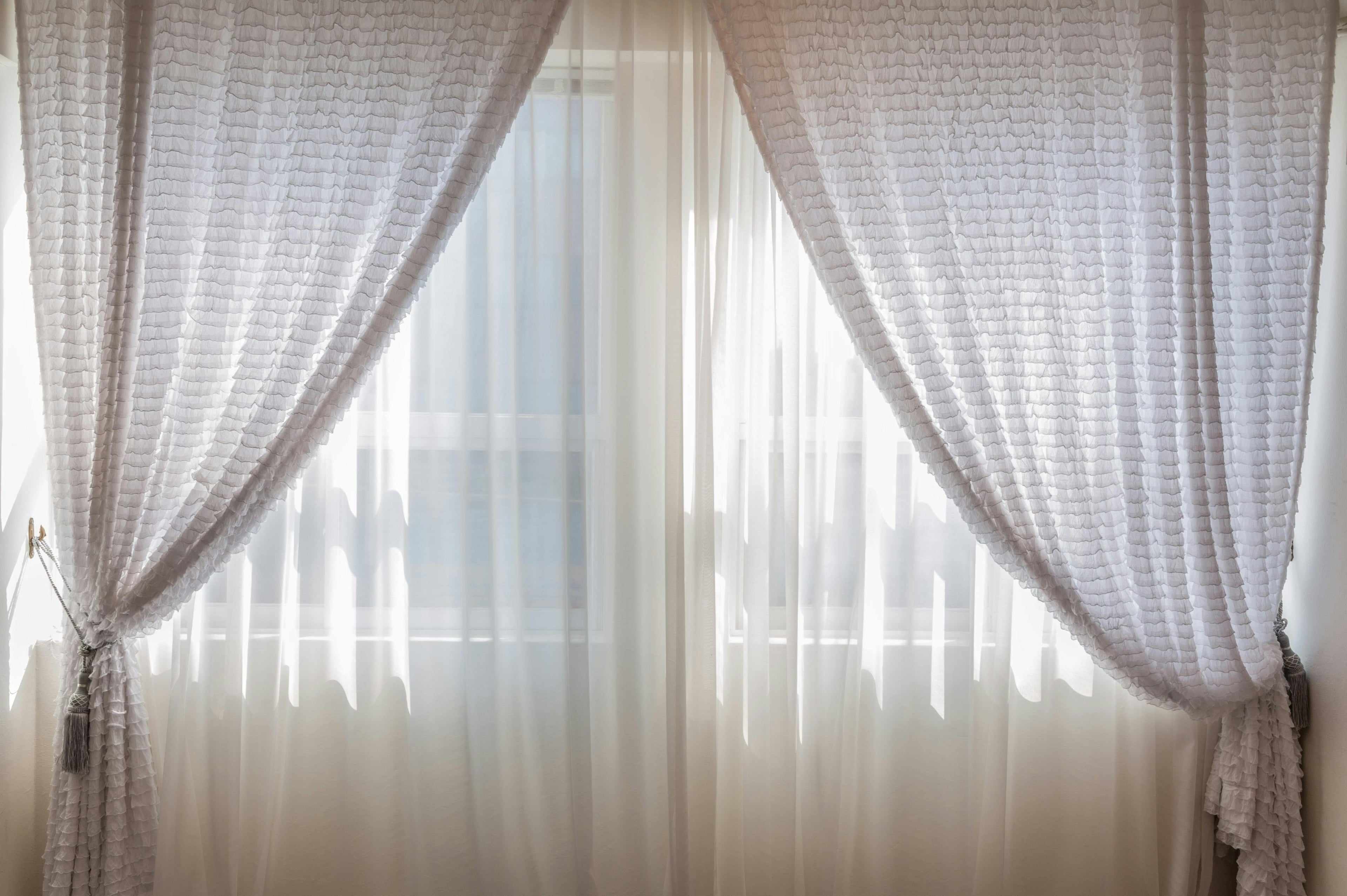
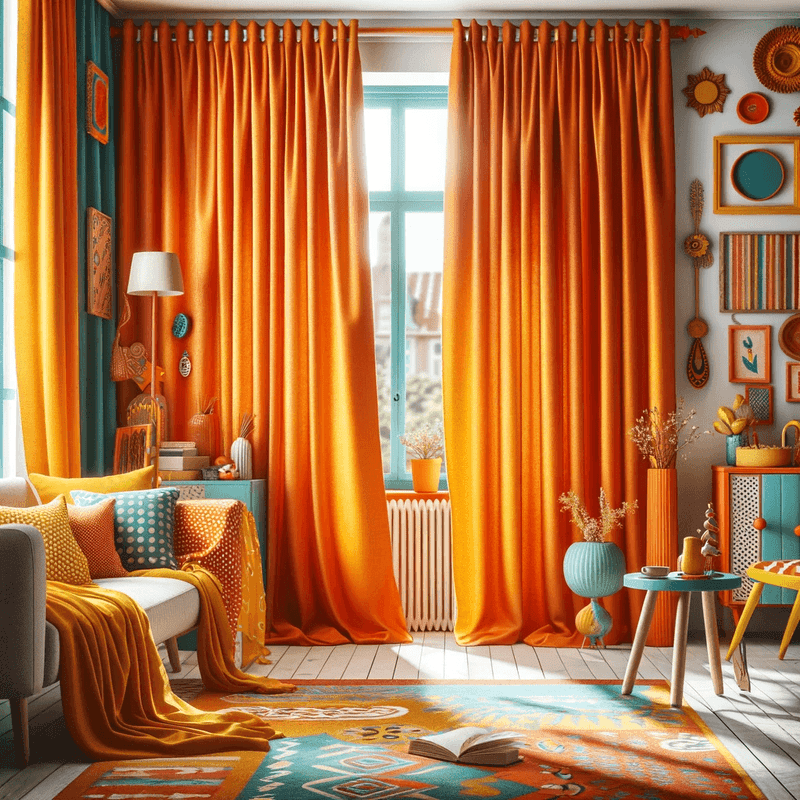
Don't forget the windows. The choice of curtains or blinds greatly impacts brightness and privacy. Sheer curtains let in light while preserving privacy, while double curtains (sheer + thick fabric) offer more flexibility. Wooden or aluminum Venetian blinds add a contemporary touch.
Personalization and Accessories: The Soul of the Interior
This is where your empty apartment truly becomes your home. Accessories and personal items inject personality and warmth. Start with textiles: cushions, throws, sofa blankets. Mix textures (linen, wool, velvet, faux fur) and patterns (stripes, graphic motifs, floral patterns) while maintaining color coherence.
Wall art is essential to combat the feeling of emptiness. A large canvas, a composition of frames of different sizes, or a decorative mirror draw the eye and add height. Also consider open shelves to display your books, plants, and souvenir objects.
Green plants are the best allies for bringing life and freshness. Choose them according to the light in each room. A large ficus in a corner of the living room, trailing pothos on a shelf, succulents on the windowsill... They purify the air and soften the angles.
FAQ: Answers to Common Questions About Organizing an Empty Apartment
Which piece of furniture should I start with to organize my empty apartment?
It is generally recommended to start with the largest and most central piece of furniture in the main room, often the sofa for the living room or the bed for the bedroom. These key pieces determine the layout and style around which everything revolves. Choose them carefully, prioritizing comfort and quality, as they are long-term investments.
How do I furnish a small empty apartment without cluttering it?
The key is multifunctionality and visual lightness. Opt for furniture with slim legs that reveal the floor, transparent tables (glass or acrylic), and built-in storage to avoid accumulation. Use light colors on walls and floors, and maximize natural light. Every piece of furniture must have a purpose and, ideally, multiple uses.
Should I buy all the furniture at once?
Absolutely not. This is even a common mistake. It is better to spread your purchases over time. Live in the space for a few weeks with the essentials. You will then discover your real needs, how the light moves at different times, and you will refine your style. This approach avoids impulse purchases and allows you to invest in heart-stopping pieces you'll encounter later.
How do I create coherence between rooms in an empty apartment?
Use a common thread. This can be a limited color palette (2-3 main colors used throughout the apartment), a recurring material (like light oak or matte black), or a defined decorative style. Circulate certain elements, like a type of plant, a fabric pattern, or a style of frames, from one room to another to create a harmonious visual link.
What are the absolute mistakes to avoid?
Several pitfalls await novices. Neglecting measurements and buying furniture that is too large is the first. Ignoring the importance of lighting and settling for a ceiling light is the second. Trying to copy a catalog interior without infusing your personality leads to an impersonal result. Finally, underestimating the budget needed for finishing touches (curtains, rugs, light fixtures) can leave the space feeling unfinished.
Conclusion: From Blank Canvas to Personal Sanctuary
Organizing an empty apartment is an exciting creative journey. It is a process that requires patience, reflection, and listening to your own needs. By following a structured method – from initial planning to final personalization – you will transform this neutral space into a true reflection of your personality, a functional and aesthetic haven of peace. Remember that decoration is evolving; your interior will grow and change with you. The essential thing is to create a solid and harmonious foundation to which you can add, over time, the finds and heartthrobs that will make this place your home. To continue finding inspiration and detailed room-by-room advice, explore the many resources available on ombreinterieur.fr without delay. Our guide how to cut a curtain rod helps you make the right choice. Find our entire decor universe on Ombre Interieur.
