
















How to Organize Your Studio: Complete Guide
Living in a studio apartment is a reality for many city dwellers, students, and young professionals. This small space, often synonymous with freedom and a first home, can quickly become an organizational puzzle if you don't think carefully about its layout. How can you harmoniously combine living, sleeping, working, and relaxing functions in a single room without feeling cramped? The key lies not in the square footage, but in smart studio organization and optimizing every centimeter. This article is your complete guide to transforming your studio into a functional and aesthetic haven of peace, exploring clever storage solutions, ingenious zoning techniques, and decor trends adapted to small spaces.
The Core Philosophy: Think "Multi-Functional" and Smart Minimalism
Before moving the first piece of furniture, it's essential to adopt the right mindset. Organizing a studio requires strategic thinking where every element must justify its presence and, ideally, serve multiple purposes. Minimalism is not austerity, but a life philosophy that prioritizes quality over quantity and frees up physical and mental space.
This implies rigorous and regular decluttering. Systematically ask yourself: is this object useful, beautiful, or a source of joy? If the answer is no to all three, it's probably time to part with it. This approach, inspired by the KonMari method, is the foundation of a well-organized studio. It allows you to clear out the space and clarify your true needs.
The second golden rule is multifunctionality. In a studio, a sofa becomes a bed, a nightstand becomes a bedside table and storage, and a staircase hides drawers. This approach reduces the number of furniture pieces while maximizing functionality, creating an impression of space and fluidity.
Zoning: Creating Rooms Within a Room Without Walls
The main challenge of a studio is differentiating spaces dedicated to distinct activities. Zoning is the art of creating visual and functional boundaries without building partitions, which would weigh down the atmosphere and block light.
Several techniques exist to effectively delineate zones. The simplest is the strategic use of furniture arrangement. A sofa placed with its back to the bed immediately creates a separation between the living area and the sleeping area. An open bookshelf, placed perpendicular to the wall, serves as a divider, storage, and decorative element.
Lightweight and Modular Dividers
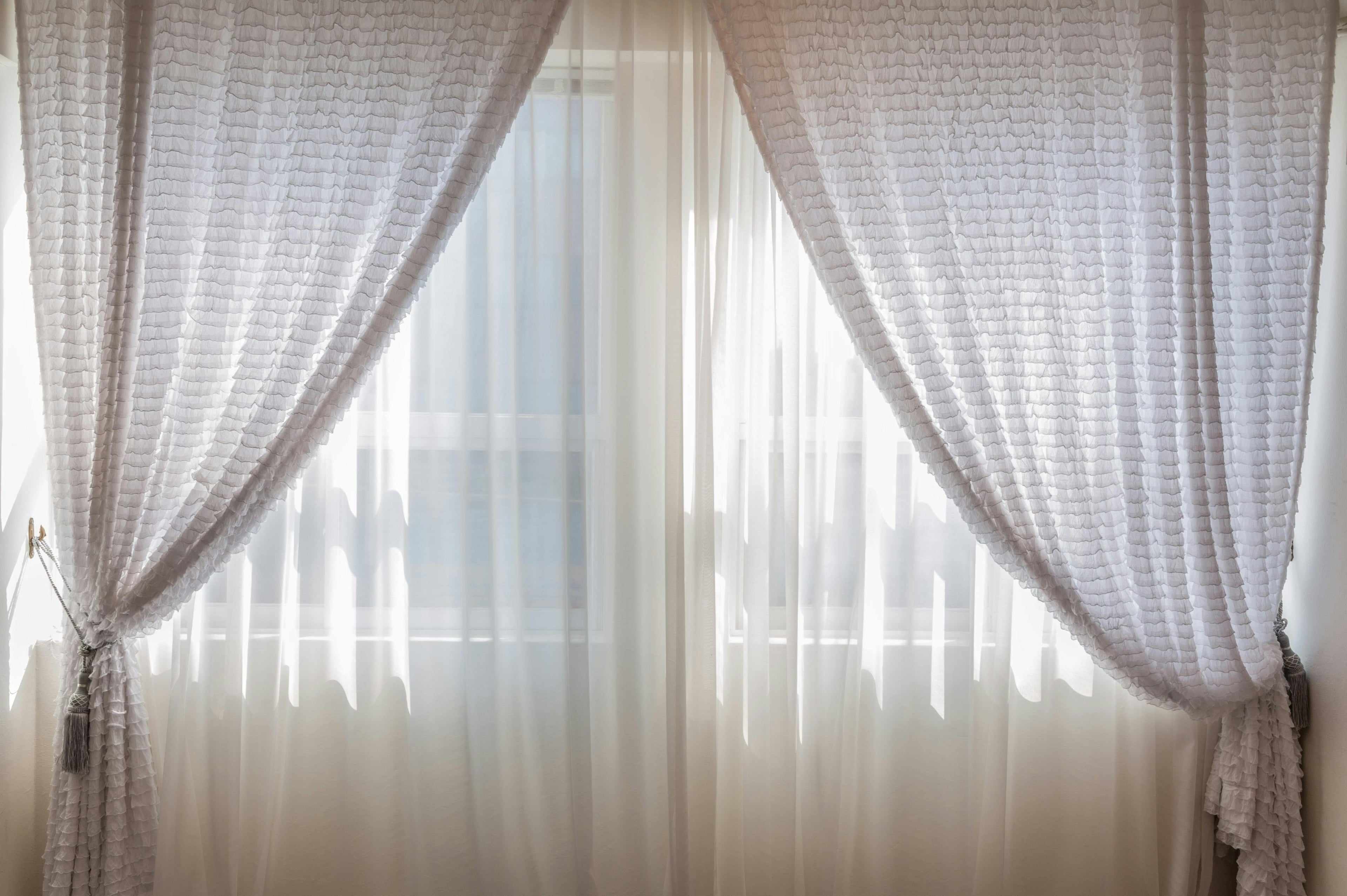
For more pronounced zoning, opt for lightweight solutions. Room dividers are timeless and offer great flexibility. Choose openwork models in wood, metal, or with light fabrics to avoid blocking light. Curtains suspended from the ceiling, especially around the bed, create an intimate alcove that can be opened or closed at will.
Low shelving units like IKEA's "Kallax," used as a central island, are also very effective. They store your belongings while defining a walkway or isolating the dining area. Finally, a simple change in flooring – a rug in the living room, another under the dining table – clearly signals a change in ambiance.
Optimizing Storage: The Key to Serenity
In a studio, clutter is the number one enemy of space and well-being. Meticulous storage organization is non-negotiable. It's about thinking in terms of volume and height, and exploiting every nook and cranny.
Start by investing in high-quality, adapted storage furniture. Beds with built-in storage drawers or raised beds (loft beds or those on high legs) are essential. They free up considerable space for storing bedding, out-of-season clothes, or suitcases.
- Exploit verticality: Install shelves up to the ceiling. Use the space above doors and windows for cabinets or narrow shelving. Wall-mounted bookcases fixed directly to the wall save floor space.
- Recover dead angles: Room corners are often underutilized. Corner shelves, a small corner cabinet, or a triangular coat rack can find their place there.
- Think "built-in storage": If your budget allows, having a custom kitchen or wardrobe built to perfectly fit the room's dimensions is the ultimate investment. Otherwise, arrange standard modules to create a floor-to-ceiling storage wall.
- Use uniform containers: For open shelves in the kitchen or bathroom, opt for identical glass jars, rigid cardboard boxes, or wicker baskets. This uniformity creates an immediate sense of order.
Smart Furniture: Pieces That Work for You
The market for small-space furniture has exploded, offering a multitude of ingenious options for furnishing your studio. Here are the must-haves to consider.
The sofa bed remains the queen solution. Current models are much more comfortable than before, with easy mechanisms and quality mattresses. To save even more space, look for "click-clack" sofas that transform into a bed in one gesture, or models with built-in storage under the seat.
The extendable table or drop-leaf table is another must-have. A wall-mounted console that unfolds to seat six guests, or a small round table with an extension, allows you to have a dining space daily without sacrificing precious floor area.
Finally, don't neglect furniture on casters. A rolling coffee table can serve as a bedside table at night and a living room table during the day. A small cart in the kitchen acts as an extra island and storage for spices or utensils.
The Kitchen and Bathroom: Optimizing Technical Spaces
These two areas, often cramped in a studio, require special attention. For the studio kitchen, order and visibility are paramount.
Prioritize tall cabinets up to the ceiling to maximize storage. Inside, use organizers: dividers for pots, spice racks on the inside of doors, compartmentalized drawers. A wall-mounted magazine rack can become storage for cutting boards and baking sheets. Appliances should be chosen carefully: a combination microwave oven, a two-burner cooktop if you cook little, and a refrigerator of suitable size.
For the bathroom, the principle is the same: exploit verticality. Shelves above the toilet, a mirror with built-in storage, a wall-mounted heated towel rail that prevents stacking towels. Use baskets or boxes under the sink to store products and maintain an orderly appearance.
The Illusion of Space: Decor Tips That Visually Enlarge
Once functional organization is in place, decoration comes into play to create a pleasant ambiance and give the impression of a larger space. Several proven techniques exist.
Color is your best ally. A light and monochromatic palette (white, beige, pale grey, sand tones) reflects light and unifies the space. You can add touches of color through accessories (cushions, throws, artwork) to create personality without visually weighing down the room.
Light is crucial. Maximize natural light with light, sheer curtains. Supplement with multi-source lighting: a pendant light above the table, table lamps for reading corners, directional spotlights to highlight a painting. Avoid a single central ceiling light, which creates shadows and flattens the space.
Mirrors are the magic trick to enlarge a studio. Place a large mirror facing a window to double the light and perspective. A mirror in the entryway or behind a sofa also creates immediate depth.
The Home Workspace: Integrating It Without It Taking Over
With remote work, creating a desk corner in a studio has become a necessity for many. The goal is to make it discreet, even invisible outside of work hours.
The ideal solution is a fold-down desk. There are many models that attach to the wall and fold down when not in use, freeing up the entire wall surface. An alternative is to use a corner of the dining table, provided you can easily store the computer and files in a nearby piece of furniture (a sideboard, for example).
For storing equipment, prioritize vertical solutions: a pegboard above the desk for hanging supplies, narrow shelves for reference books. The important thing is to maintain a mental separation between the relaxation space and the productivity space.
Current Trends for Studios: Flexibility and Personalization
Layout trends for small spaces are evolving towards greater flexibility and personal expression. We see a movement towards "soft zoning", using not heavy furniture but differences in textures, lighting levels, and visual ceiling heights (thanks to drapes) to delineate spaces.
Natural materials (wood, rattan, linen, stone) are highly prized for bringing warmth and texture without visual overload. The trend of "micro green spaces" with vertical gardens or numerous air-purifying indoor plants also brings an essential well-being dimension.
Finally, personalization through art and collected objects is encouraged. Even in a small space, it's important to display your personality. A large artwork on the wall, a collection of vases on a shelf, a boldly patterned rug can become the focal point of the studio without harming its organization.
FAQ: Most Frequent Questions About Studio Organization
How to hide a bed in a studio so it doesn't look like a bedroom?
Several solutions exist. A loft bed, raised up, frees the space underneath for a sofa or desk. A quality sofa bed is the most common solution. You can also opt for a platform bed (without headboard/footboard) with a large base and mattress placed on a low platform, creating an "island" effect that integrates into the living room. Using an elegant room divider or curtains to hide the bed during the day is also very effective.
What is the best color to paint the walls of a studio?
Light and neutral tones (off-white, very pale grey, taupe, pastel blue) are recommended as they reflect light and enlarge the space. To avoid monotony, you can paint an accent wall (the back wall or behind the bed) in a bolder color, but still in cool or desaturated tones (teal, sage green, anthracite grey). Avoid very dark or warm colors on all surfaces, which tend to "shrink" the room.
How to manage cables and outlets in a multi-functional studio?
Cable management is essential for a clean look. Use cable sleeves or tubes to group wires behind the TV or desk. Prioritize long wall-mounted power strips that you can discreetly fix behind furniture. When planning, think about placing electrical outlets higher up, near shelves or storage furniture, to plug in lamps and chargers without wires trailing on the floor. Wireless technology (speakers, mice, chargers) is also a valuable ally.
Is a dressing room absolutely necessary in a studio?
A dedicated dressing room is a luxury in a studio, but a well-organized wardrobe is essential. If you don't have a built-in closet, invest in a deep wardrobe with an optimized internal storage system (double hanging rods, adjustable shelves, drawers). Mirror wardrobes are excellent as they enlarge the space. You can also create a makeshift dressing area with a hanging rail and a curtain stretched across a corner of the room, an economical and reversible solution.
How to prevent kitchen smells from spreading throughout the studio?
Good ventilation is key. Always use the extractor hood when cooking. Air out the room daily. Invest in an air purifier with an activated carbon filter, very effective against odors. For persistent smells, natural solutions like a bowl of white vinegar, ground coffee, or cloves in a small pot of boiling water work wonders. Finally, regularly clean your trash can and sink with baking soda and vinegar.
Conclusion: Your Studio, a Reflection of Your Optimized Life
Organizing your studio is much more than a simple decluttering exercise. It's a creative process that involves redefining your lifestyle, prioritizing the essentials, and designing an interior that perfectly meets your needs. By applying the principles of clever zoning, maximalist storage, and illusionist decoration, you will transform the constraints of a small space into assets for a unique, functional, and deeply personal home.
Every square centimeter counts, and every choice matters. Don't hesitate to experiment, rearrange, and adapt these tips to your own pace of life. A well-organized studio is not a space of sacrifice, but the stage for a dynamic and fulfilling city life. To discover more inspiration, tutorials, and ideas on small space layout, explore the other articles and guides available on ombreinterieur.fr. Your haven of peace awaits. Discover the product Washable Non-Slip Jacquard Chenille Polyester Chair Cover to finalize your decor. Need practical advice? Read how to integrate a clock into a minimalist studio. Get inspired on our decoration website for your next projects.
