











How much do the office decorations cost?
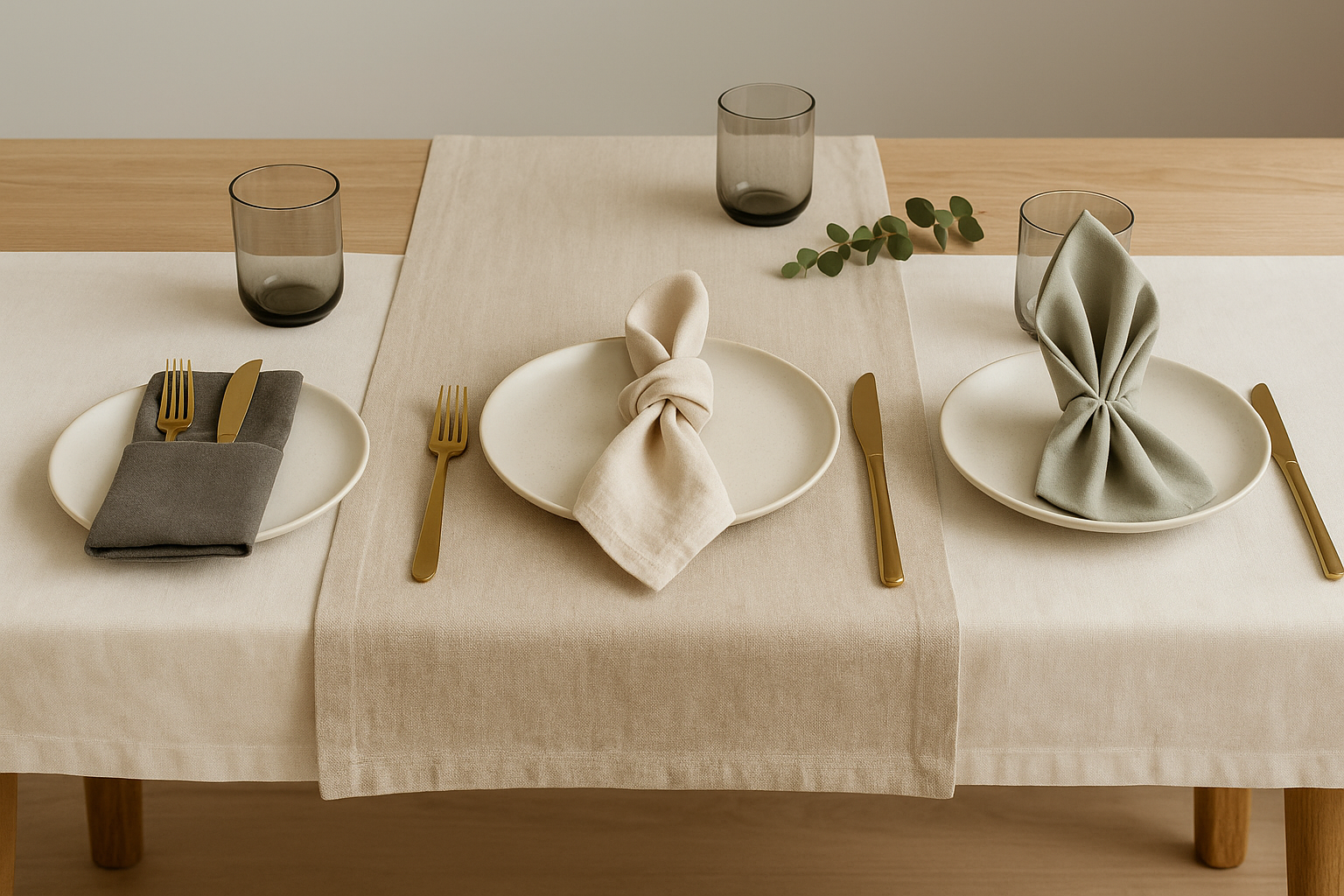
Creating a workspace that truly reflects your personality has become a central concern, yet the required budget often remains unclear. From designer furniture and decorative accessories to everyday objects, price ranges vary considerably depending on materials and prevailing trends. To help you see clearly without sacrificing aesthetics, this feature explores current pricing and the movements shaping the office of tomorrow. It offers everything you need to transform your work corner into a space that is both inspiring and carefully controlled, where tactile linen textures and the soft sheen of brushed steel create a balanced, sensory environment that feels both personal and polished.
What is the price of office decorative items in 2026?
A designer and ergonomic desk can be available from €369.95, but prices vary considerably depending on the decorative accessories and furniture chosen. Let's discover together the current trends and price ranges for furnishing a workspace that is both aesthetic, functional, and inspiring in 2026.
Key trends in office decor in 2026
Contemporary styles and atmospheres
In 2026, workspace design is definitively breaking away from the austere and impersonal image. The modern office becomes a place of individual expression, well-being, connection with nature, and refined elegance.
Dominant stylistic trends
-
Minimalist style with natural shades:
- Soothing olive greens
- Warm sandy tones
- Delicate pastel blues
- Authentic earthy nuances
-
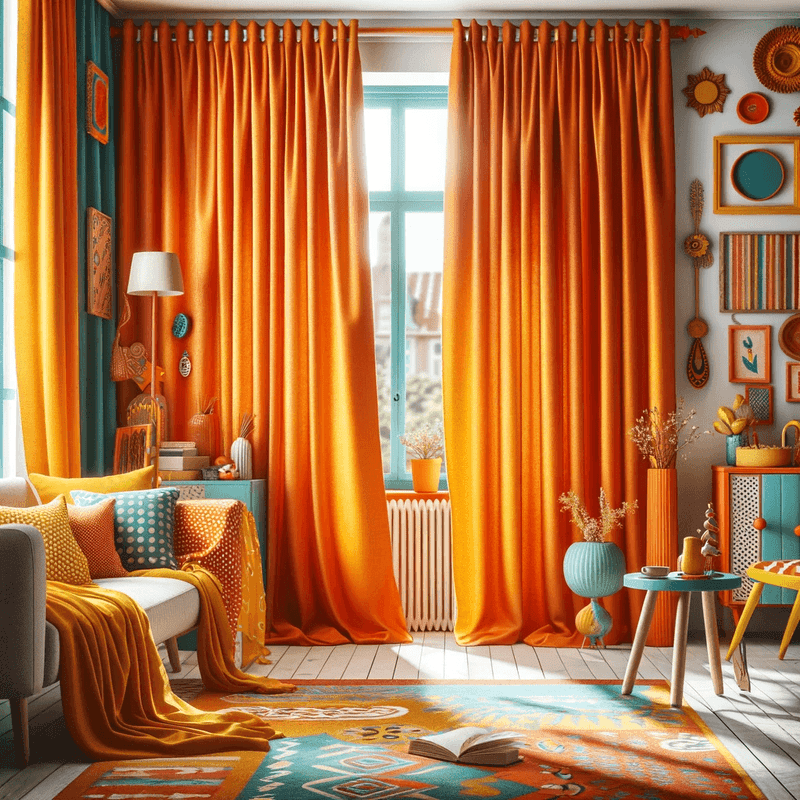
Retro and pop style with:
- Vibrant chrome finishes
- Sunny yellows
- Electric blues
- Vibrant reds evoking sixties-seventies aesthetics
Trendy materials, textures, and finishes
In 2026, imperfection is celebrated in office decor. Raw, authentic, or artisanal materials supersede uniform and industrial surfaces. We are particularly looking for:
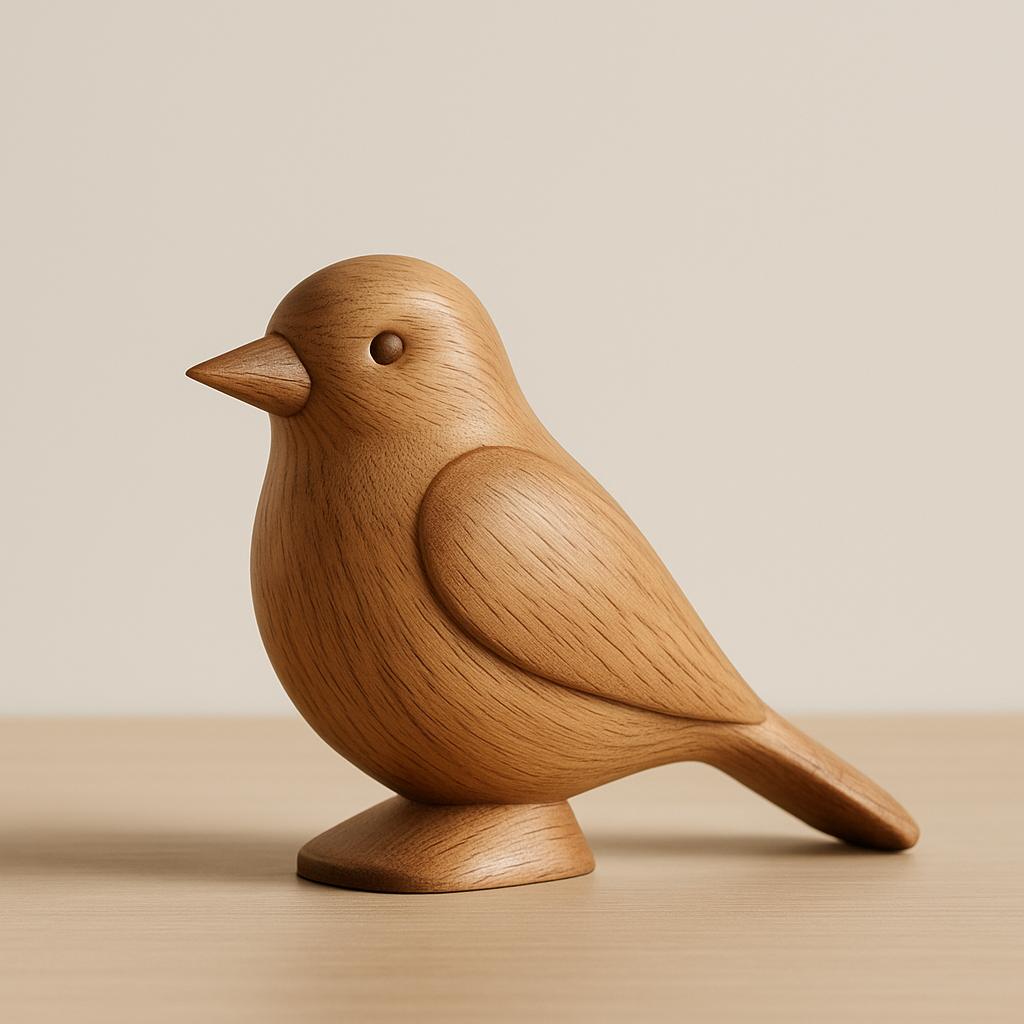
- The expressive grain of natural wood
- The characteristic weave of textiles
- The tactile irregularity of artisanal ceramics
- Matte finishes rather than glossy ones
Color palette for a harmonious office
Colors inspired by nature dominate the contemporary workspace:
- Deep and soothing greens (forest green, cactus, moss)
- Warm and neutral sand beiges
- Warm and enveloping browns
- Bright but soft off-whites
This chromatic range, directly inspired by natural elements, promotes a serene environment, conducive to concentration and free from excessive visual stimulation.
Investment and budget for office decorative items
Market analysis and prospects
The office furniture and decoration sector is experiencing significant expansion. Forecasts indicate that this market is expected to grow from USD 151.72 billion in 2024 to USD 198.4 billion by 2032, with a compound annual growth rate of approximately 3.41%.
Indicative prices by accessory category
-
Essential decorative items:
- Premium design notebook: €25-60
- Contemporary sculptural lamp: €89-250
- Air-purifying indoor plant: €15-75
- Handcrafted ceramic bowl: €35-120
-
Refined complementary accessories:
- Woven natural fiber rug: €75-180
- Designer brushed brass lamp: €120-350
- Rattan accent chair: €190-450
- Signature ergonomic chair: €250-800
- Graphic architectural plant: €45-150
- Modular storage system: €80-220
- Designer colored pencil pot: €20-65
Technological innovations and ergonomic considerations
Smart and connected furniture
Technology is now naturally integrated into workspace design in 2026:
- Innovative solutions enabling users to be connected, productive, and creative
- IoT (Internet of Things) equipment to manage lighting, temperature, and ambiance
- Contactless interfaces incorporating intuitive voice commands and motion sensors
- Smart desks that memorize user preferences
Optimized health, comfort, and ergonomics
Growing awareness of worker health is driving demand for quality ergonomic furniture:
- Ergonomic office chairs with adjustable lumbar support
- Height-adjustable desks to alternate between sitting and standing positions
- Accessories that improve daily postural comfort
- Solutions designed to promote healthy posture and minimize the risk of musculoskeletal disorders
How to create an aesthetic office without breaking the bank
To furnish an elegant and functional workspace without excessive investment, consider these strategies:
- Prioritize a few quality statement pieces rather than multiplying accessories
- Invest primarily in an ergonomic chair and appropriate lighting
- Integrate natural elements (plants, wood) for a soothing atmosphere at a lower cost
- Combine designer pieces with vintage or second-hand finds
- Renew the look of your space with interchangeable textiles
Conclusion: creating an inspiring and personalized workspace
Having an aesthetic, functional, and inspiring office has become essential for well-being and productivity. The 2026 trends favor:
- Organic and soft lines
- Warm and authentic wood essences
- Enveloping and comfortable seating
- Noble and durable materials
- A soothing atmosphere conducive to concentration
Consider your office furniture and accessories as an investment in your well-being and efficiency. By selecting quality products that combine aesthetics and functionality, you will create a work environment that stimulates your creativity while preserving your daily comfort.
Share
