














How much do houseplants cost for a child's room?
Bringing nature into your child’s bedroom is a worthy ambition, yet the budget can quickly become a headache. Between affordable air-purifying species and rare specimens that spark the imagination, how do you gauge the right price for a space that is both healthy and beautiful? This question calls for a nuanced look at the plant spectrum, from pothos to monstera, helping you create a verdant sanctuary without breaking the bank. Let us guide you toward informed, harmonious choices.
Welcome to the captivating world of houseplants specially selected for a child's bedroom in 2026! By incorporating these plants into the decor, you combine aesthetics, health, ecology, and well-being, all while creating more pleasant living spaces. This year, interior design draws deeply from nature, with a growing enthusiasm for ecological arrangements and immersive natural atmospheres.
Price and Budget for Children's Bedroom Houseplants in 2026
The investment in houseplants for a child's bedroom varies considerably depending on the species, size, and rarity of the plants. For a limited budget, prioritize small air-purifying plants like pothos or sansevierias (€15-€25). Medium-sized plants such as certain philodendrons or dracaenas fall into an intermediate range (€30-€60). For larger or rarer specimens, expect to pay between €70 and €150, or even more for particularly sought-after varieties.
Price range per plant type
- Beginner plants (pothos, sansevieria): €15-€30
- Medium plants (philodendron, dracaena): €30-€60
- Large plants (mature monstera, alocasia): €70-€150
- Decorative pots: €10-€45 extra
Plant Trends for Children's Bedrooms in 2026
Houseplants now occupy a central place in children's bedroom decor, creating spaces that evoke the lushness of tropical forests. Philodendrons with their large leaves, Monsteras with their characteristic cuts, and elegant Alocasias are becoming must-haves. These plants structure the space while providing a soothing and natural dimension, perfect for the development of younger children.
Trendy Plants in 2026
This year, there's a return to easy-care plants that are visually impressive. Variegated varieties are particularly successful, adding touches of white, cream, or pink that integrate perfectly into children's bedrooms with pastel or neutral colors.
Purifying Plants Suitable for Children's Bedrooms
Beyond their decorative aspect, plants significantly contribute to improving indoor air quality. Purifying plants are particularly recommended for children's bedrooms because they filter pollutants and promote healthier air, essential for the sleep and health of younger children.
Selection of Recommended Plants
- Philodendron Monstera – Trendy houseplant with perforated leaves, ideal for purifying the air (€30-€120)
- Sansevieria Zeylanica – Robust succulent requiring little maintenance, perfect for beginners (€20-€45)
- Dracaena Janet – Elegant and easy to grow, available in different sizes and shades of green (€25-€80)
- Aglaonema – Compact plant with colorful patterns, ideal for small spaces (€20-€50)
Decorative Aspects and Harmonization with the Child's Bedroom
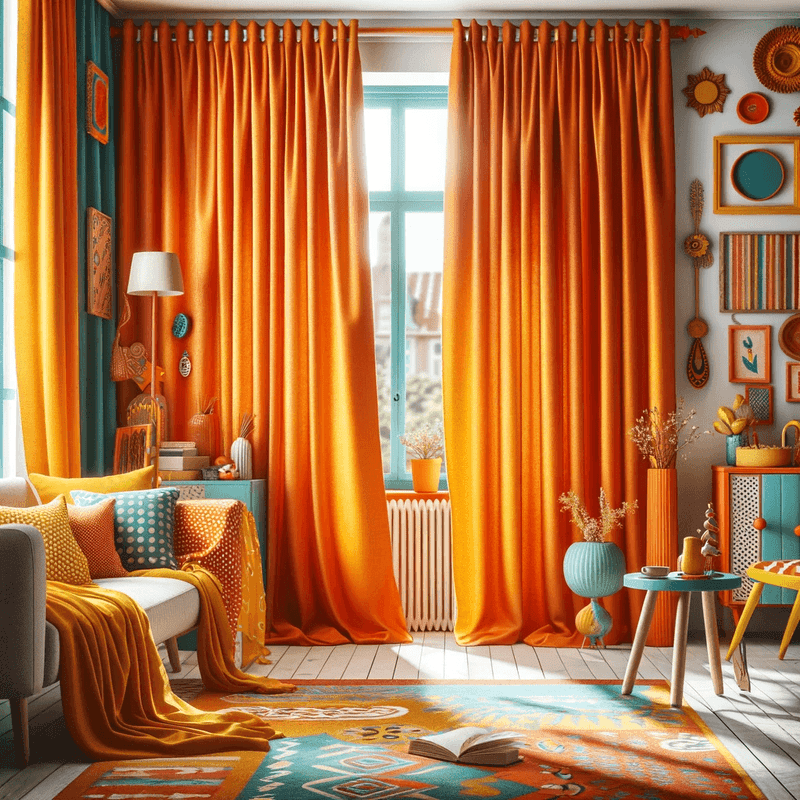
In 2026, color palettes are directly inspired by natural elements. Deep greens, earthy shades like terracotta, and mineral grays create a soothing and organic atmosphere. These hues pair perfectly with the lush foliage of houseplants for children's bedrooms, creating a natural cocoon conducive to development and flourishing.
Decorative Integration of Plants
To maximize visual impact while staying within your budget, consider these options:
- Group several affordable small plants (€15-€25 each) to create an indoor garden effect
- Invest in one or two statement plants (€60-€100) that will become the focal point of the room
- Opt for coordinated pots that complement the room's theme (€10-€40 extra)
Ecological and Sustainable Solutions
Eco-responsibility remains a central concern in furnishing children's bedrooms. Parents now prioritize:
- Pots made from recycled or biodegradable materials (€15-€50)
- Shelves and supports made from sustainably sourced wood (€30-€120)
- Selected plants for their low water consumption and limited maintenance needs
Practical Installation and Maintenance Guide
To optimize the growth of your houseplants while maximizing their health benefits for your child, follow these recommendations:
Optimal Positioning
- In the bedroom, place purifying plants to promote healthier air and better sleep
- Near windows, where they receive natural light without excessive direct exposure
- At a safe distance from beds and play areas for toxic or thorny plants
Maintenance Adapted to Family Life
Choose hardy houseplants that tolerate irregular watering and require little intervention. Succulents, pothos, and sansevierias are excellent choices for busy parents, with minimal maintenance costs (less than €10 per month).
Conclusion: Smart Investment in Houseplants
The plant trends of 2026 reflect a growing desire to reconnect children with nature, while adopting ecological and accessible solutions. Houseplants for children's bedrooms are becoming true allies to beautify living spaces, stimulate imagination, and create a healthy environment. With an average budget of €100-€200, you can completely transform the ambiance of a child's bedroom through a thoughtful selection of suitable plants. The trend is towards harmony between nature and design, making houseplants indispensable elements for a serene, educational, and refined living environment.
Share

